
What Are Abdominal Exercises? Complete Beginner’s Guide
Movements targeting the rectus abdominis, obliques, transverse abdominis, and deep stabilisers build core strength and make every other movement safer and easier. See the complete beginner's guide.
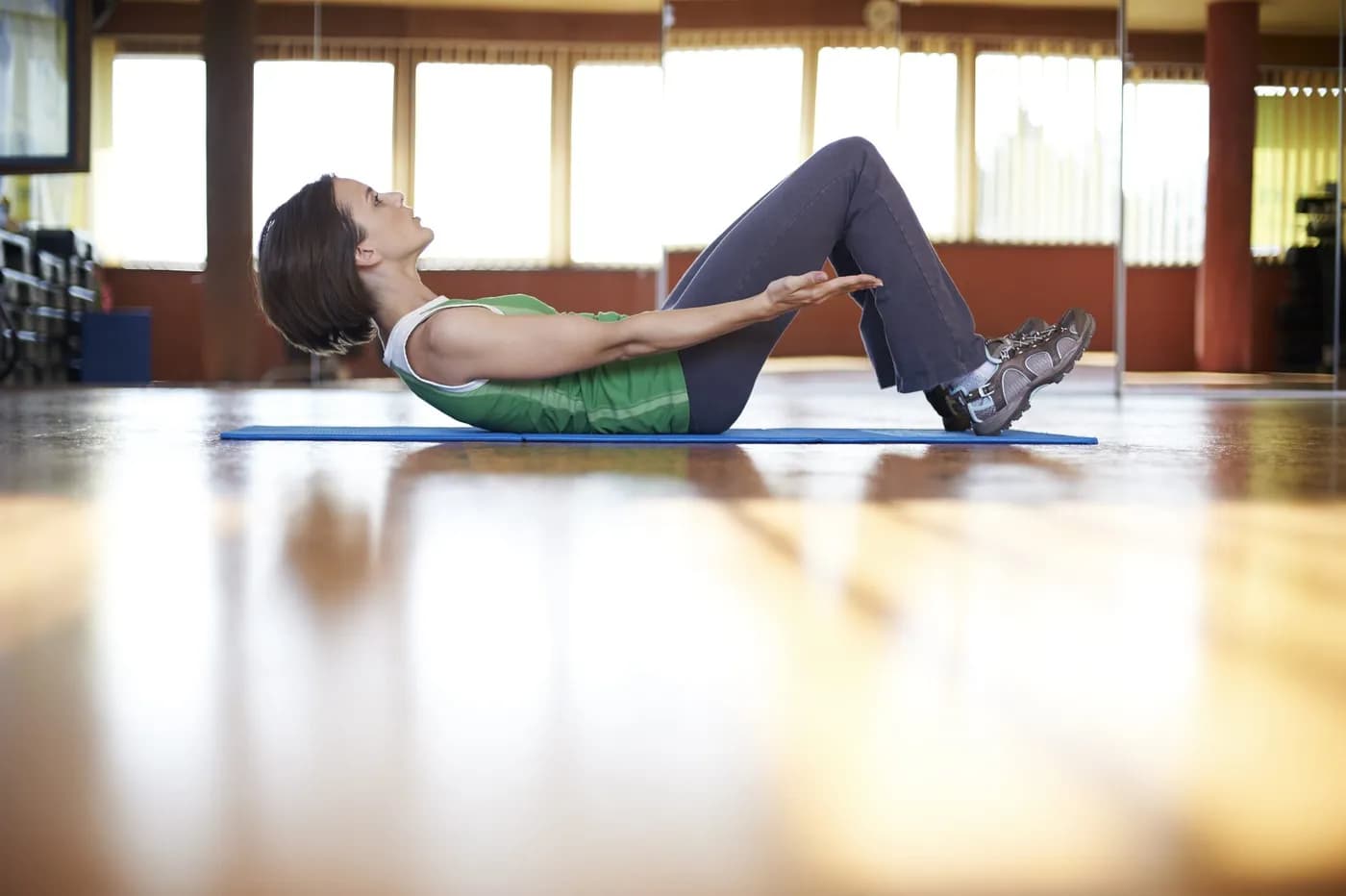
Key Takeaways
- Targets the rectus abdominis, obliques, transverse abdominis, and deep stabilisers together.
- The deep abdominal layer connects directly to the diaphragm, supporting fuller breathing.
- Bodyweight alone is enough for the first 8 to 12 weeks before adding resistance.
- Dead bugs, glute bridges, and modified planks teach proper bracing before harder moves.
- Responds to frequency more than intensity – ten honest minutes daily beats one weekly session.
- A realistic early goal is holding a plank a little longer than the day before.
Abdominal exercises are movements that target the muscles wrapping around your midsection — the rectus abdominis, obliques, transverse abdominis, and deep stabilisers. They build core strength, improve posture, support breathing, and make every other movement — from walking to lifting — safer and easier.
If you’ve ever asked yourself “what are abdominal exercises and which ones actually work?”, you’re already thinking about your body the right way. This guide walks you through what they are, how to start them at home, the most effective moves, common mistakes, and who should make them a regular habit.
Why Abdominal Exercises Matter for Everyone
They Build a Strong Functional Core
Your core is the central link between your upper and lower body. Strong abdominal muscles support better posture, easier bending, lifting groceries without strain, and reduced risk of back discomfort. Abdominal strengthening exercises train this entire region — not just the visible six-pack layer.
They Improve Posture and Reduce Back Discomfort
Weak abs often force your lower back to overwork. When you strengthen the front and sides of your trunk, your spine sits in a more neutral position. Many people report that consistent core practice helps them deal with nagging lower-back tightness over time.
They Support Better Breathing and Digestion
The deep abdominal layer connects to your diaphragm. Training it gently can support fuller breathing and may gradually ease everyday digestion sluggishness when practised regularly.
They Make Every Other Workout Better
Squats, push-ups, yoga balances, even walking up stairs — all rely on a stable core. Pair abdominal work with overall Strength Training for a body that moves well at any age.
They Build the Daily Consistency That Changes How You Feel
Abs respond to frequency more than intensity. Ten honest minutes daily beats one brutal session a week. That’s the consistency gap most people never close on their own.
How to Get Started with Abdominal Exercises
What You Need to Begin
Almost nothing. A yoga mat, a clear patch of floor, and roughly 10 to 15 minutes. No machines, no gym membership. If you want progression later, a resistance band or a light dumbbell helps — but bodyweight is enough for the first 8 to 12 weeks.
Setting Realistic Goals
Don’t chase a flat stomach in two weeks. Aim for three measurable wins: holding a plank longer than yesterday, doing one extra clean rep, and finishing the week without skipping. Visible change follows performance change.
Start With the Basics
Begin with foundational moves like dead bugs, glute bridges, and modified planks. These teach you how to brace properly before you load harder movements. If you’re brand new to structured movement, ease in with simple beginner-friendly workouts that combine mobility and core work.
Best Abdominal Exercises to Try at Home
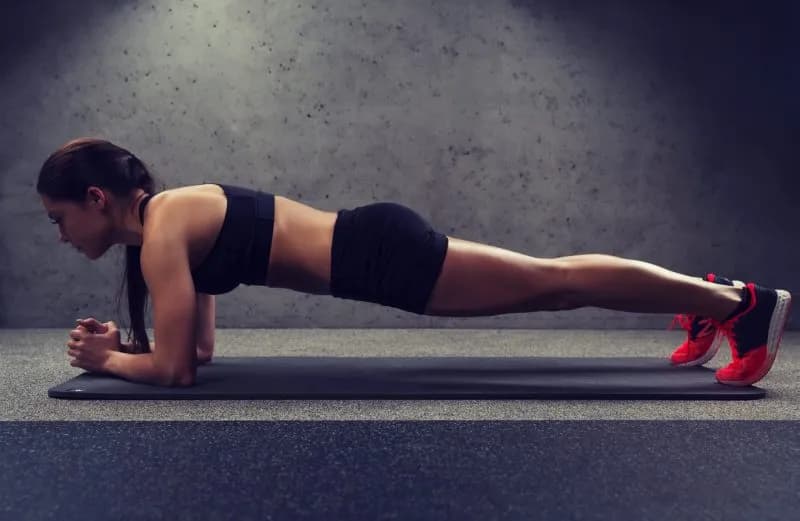
Plank
The plank is the most honest test of core strength. Hold a forearm position with a straight line from shoulders to heels. Aim for 3 sets of 20 to 45 seconds. It trains the deep stabilisers far better than crunches.
Dead Bug
Lie on your back, arms up, knees bent at 90 degrees. Lower the opposite arm and leg slowly without letting your lower back arch. 3 sets of 8 reps per side. This is one of the safest abdominal exercises at home for beginners.
Bird Dog
On all fours, extend the opposite arm and leg, hold for 2 seconds, return slowly. 3 sets of 10 reps per side. Builds anti-rotation strength — the kind that protects your spine in real life.
Glute Bridge
Lying on your back, knees bent, push your hips up by squeezing your glutes and bracing your abs. 3 sets of 12 reps. Connects your core to your hips, which most people neglect.
Bicycle Crunch
A controlled rotation that targets the obliques. 3 sets of 10 to 12 reps per side. Move slowly — speed is where form breaks.
Hollow Hold
Lie on your back, lift arms and legs slightly, press lower back into the floor. Hold 15 to 30 seconds. This is an isometric abdominal exercise — meaning the muscle works without changing length. Isometrics build deep stability and are gentle on the spine.
Side Plank
Targets the obliques and the often-ignored quadratus lumborum. Hold 20 to 30 seconds per side. Pair this with broader core muscle exercises to round out your routine.
Common Mistakes to Avoid
- Poor Form Yanking on your neck during crunches, letting your hips sag in a plank, or arching your lower back during leg raises — these turn good exercises into back-pain triggers. Slow down, film yourself, fix it.
- Skipping Warm-up Cold abs and a cold spine don’t appreciate sudden loaded twisting. Spend two minutes on cat-cow, hip circles, and gentle torso rotations before starting.
- Overtraining Abs are muscles. They need recovery too. Daily light work is fine; daily heavy work isn’t. Mix intensities across the week.
- Inconsistency This is the biggest one. Three sessions of 10 minutes will outperform one session of 45 minutes done once a fortnight. Habit beats intensity every single time.
Who Should Try Abdominal Exercises?
- Beginners If you’ve never trained before, abdominal work is one of the safest places to start. Most foundational moves are floor-based, low-impact, and scalable.
- Women Training your core won’t make you bulky. It will improve posture, reduce mid-back tightness from desk work, and support how you move through the day. Female core strength is one of the most underrated investments women make.
- Postnatal Mothers Abdominal exercises for postnatal mother routines should always start gentle — diaphragmatic breathing, pelvic tilts, and modified bridges. Crunches and sit-ups are typically not the right place to begin. Always check with your doctor before resuming structured training, and progress slowly. This isn’t about getting back fast; it’s about rebuilding the deep layer first.
- Older Adults Core strength supports balance, getting out of chairs, and reducing fall risk. Stick to dead bugs, bird dogs, seated rotations, and gentle bridges. Isometric work is particularly joint-friendly. Always consult a physician before starting if you have existing conditions — this complements your existing care, it doesn’t replace it.
- Working Professionals If you sit 8+ hours a day, your hip flexors shorten and your abs disengage. A 10-minute daily core block undoes a surprising amount of that damage. Pair it with desk-friendly habits like yoga for better posture for compounding benefits.
Build Strength with a Routine That Actually Works
Strong abs aren’t built by random YouTube workouts done in bursts. They’re built by consistency, guidance, and following a structured plan. With the right support, you can train effectively from home and see real progress over time.
What you get with Habuild’s Strong Everyday Program:
- Daily live guided strength and core sessions
- Beginner to advanced progression you can follow at your own pace
- No-equipment, home-friendly workouts
- Expert guidance to make sure your form is right
- A community that keeps you showing up
Try a few live sessions and feel the difference. Explore the full Strong Everyday strength training program to see what your week could look like.
Related reads: What Are Core Exercises? Complete Guide for Strength · What Are Russian Twist Exercises? Complete Guide
Abdominal exercises build core strength that supports everything from posture to lifting, but that support only shows up after weeks of steady, well-structured training — not the occasional set of crunches. Pairing these moves with a broader guided plan makes the progress far more consistent. Habuild’s Strong Everyday program is built around exactly this kind of structured, everyday core and strength training.
Frequently Asked Questions
Related Articles
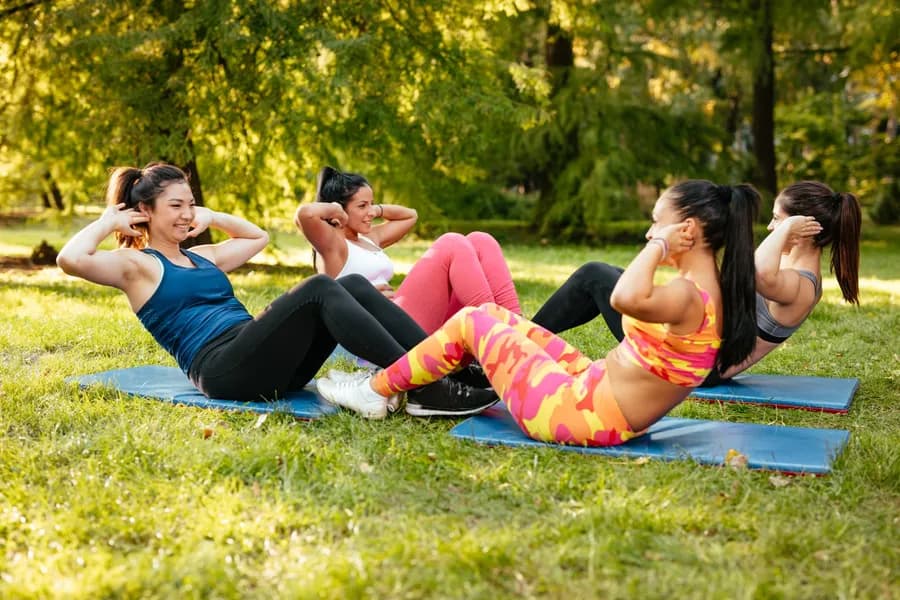
What Are Core Exercises? Complete Guide for Strength
Movements training the muscles around your trunk — abdominals, obliques, lower back, hips, and pelvic floor — build the stability behind every other workout. See the complete guide for strength.
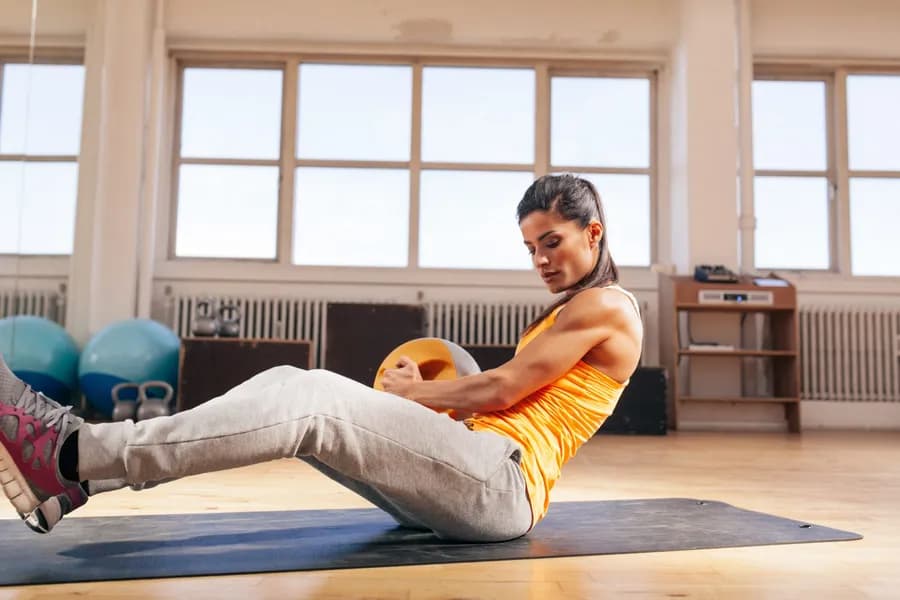
What Are Russian Twist Exercises? Complete Guide
Leaning back at about 45 degrees and twisting your torso side to side targets the obliques, deep abdominal muscles, and lower back. See the complete guide.

Six Pack Exercise at Home: Core Workouts That Actually Work
Visible abdominal definition requires two things at once — core muscle development and fat reduction through a caloric deficit — not endless crunches alone. See the most effective exercises at home.
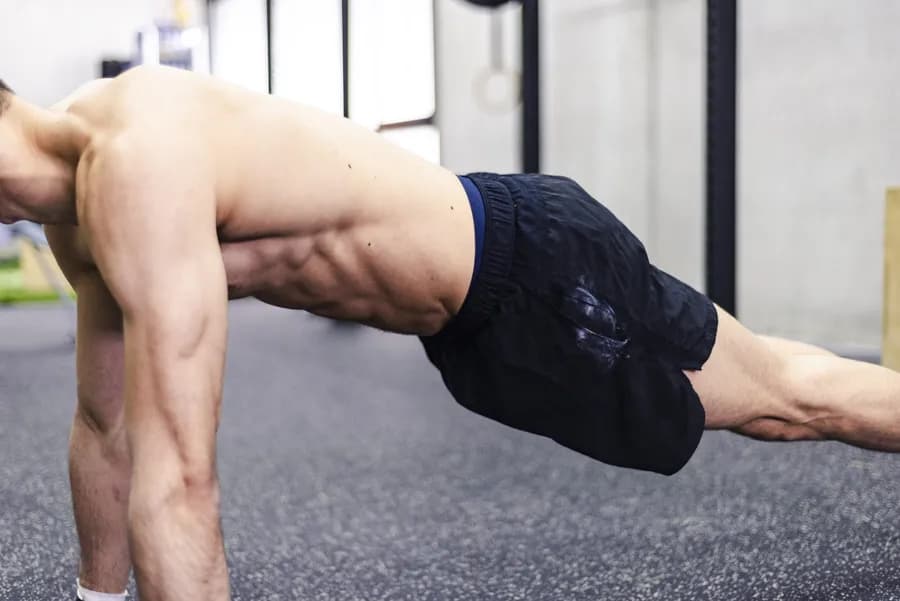
Do Planks Build Abs? the Honest Answer about Plank Effectiveness for Abs Development
Planks build the deep core muscles and isometric strength, but visible abs also require low enough body fat for that muscle to show — which needs full-body fat loss. See what planks actually do.

Benefits of Crunch Exercise: Core Strength, Abs and Beyond
Done correctly, the crunch produces real rectus abdominis strength and core stability; done incorrectly, it strains the cervical spine and recruits the hip flexors instead. See the full evidence base and technique.