
10 Stair Climbing Exercise Benefits You Should Know
Stair climbing improves cardiovascular fitness, strengthens lower-body muscles, and burns real calories — with no gym or equipment needed. See all 10 benefits.

Key Takeaways
- Burns more calories per minute than walking on flat ground.
- Works quadriceps, hamstrings, glutes, and calves with every single step.
- A weight-bearing activity that places healthy stress on bones over time.
- Maintaining upright posture while climbing activates the core and lower back.
- Needs nothing but an available staircase – no gym or equipment required.
Stair climbing exercise benefits include improved cardiovascular fitness, stronger lower-body muscles, better bone density, and meaningful calorie burn — all without a gym or equipment. Whether you take stairs at work or do a dedicated stair workout at home, consistent practice across weeks and months is where the real gains accumulate.
Stair climbing is one of those movements most people overlook precisely because it’s so available. Whether you’re taking the stairs at your office, climbing a staircase at home, or doing a dedicated stair workout, this simple movement can meaningfully support your cardiovascular fitness, lower-body strength, and daily energy levels. You don’t need a gym, special equipment, or hours of free time — just a staircase and the habit of showing up consistently.
10 Benefits of Stair Climbing Exercise
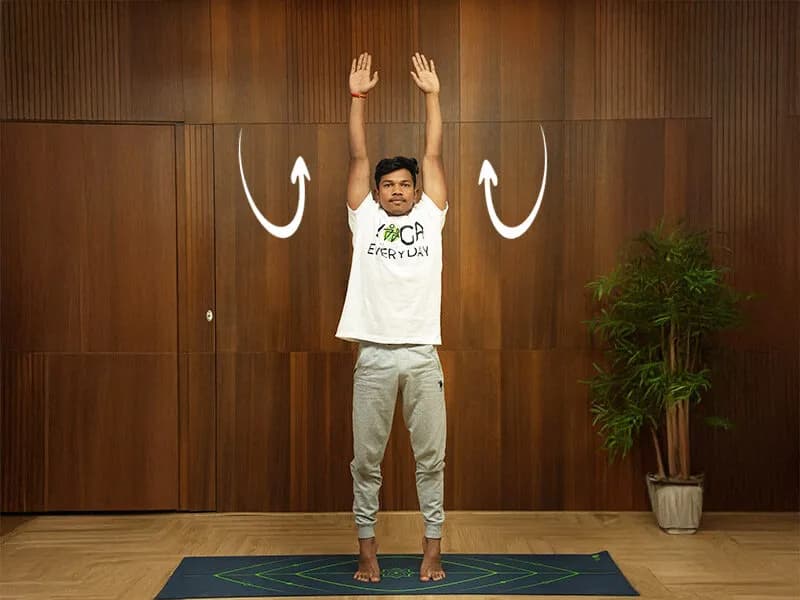
- Builds Lower Body Strength Every step you climb actively works your quadriceps, hamstrings, glutes, and calves. Over time, consistent stair workouts build functional leg strength that carries over into everyday movement — from carrying groceries to getting up from a chair with ease. If you want to complement this with targeted training, strength training for legs can make a real difference.
- Supports Cardiovascular Health Stair climbing raises your heart rate quickly, giving your cardiovascular system a meaningful workout in a short time. Practised regularly, it may gradually support heart health and improve your aerobic capacity over weeks and months.
- Aids in Fat Loss and Calorie Burn Stair climbing is a high-intensity, weight-bearing activity that burns more calories per minute than walking on flat ground. A sustained stair workout — even 15 to 20 minutes — can contribute meaningfully to your overall calorie expenditure when done consistently alongside a balanced lifestyle.
- Improves Bone Density Because stair climbing is a weight-bearing exercise, it places healthy stress on your bones. Regular practice may gradually support bone mineral density, which is especially relevant as you age. Strength training for bone density offers useful context on how resistance-based movement supports skeletal health over time.
- Enhances Functional Strength Stair climbing mimics real-life movement patterns — pushing up, stabilising, and descending under control. This builds the kind of functional strength that makes daily activities feel easier and reduces the risk of falls or joint strain over time.
- Boosts Metabolism Stair workouts engage large muscle groups simultaneously, which means your body continues burning energy even after you finish. Over time, this metabolic effect can support a healthier body composition when combined with good nutrition and sleep.
- Improves Posture and Core Stability Maintaining an upright posture while climbing stairs activates your core and lower back. Done with awareness, stair climbing gently trains the stabiliser muscles that hold your spine in alignment throughout the day.
- Accessible and Free No gym membership, no equipment, no commute. A staircase — at home, in your building, or at a park — is all you need. This makes stair climbing one of the most practically sustainable forms of daily movement available to most people.
- Reduces Stress Gradually Like most physical activity, stair climbing triggers the release of endorphins. A short stair session in the morning or during a work break may gradually ease tension and improve your mood when made a regular part of your day.
- Supports Weight Management Over Time When practised consistently — rather than occasionally — stair climbing contributes to the calorie deficit and metabolic activity that support healthy weight management. Consistency is the key word here. A single session is a start; a daily habit is where the real benefit accumulates.
How to Get Started with Stair Climbing Exercise
What You Need to Begin
You genuinely need nothing beyond a staircase. If you’re starting from scratch, a standard home staircase or a park with steps works perfectly. Wear supportive footwear to protect your knees and ankles, especially on steeper stairs. No resistance bands, weights, or apps are required at the beginner stage.
Setting Realistic Goals
Start with what you can manage comfortably. Even five to ten minutes of continuous stair climbing three or four times a week is a meaningful beginning. Avoid the temptation to push too hard too soon — soreness in the first week is normal, but joint pain is a signal to slow down. Progress should feel gradual and sustainable, not punishing.
Start with the Basics
Begin with a simple up-and-down protocol at a conversational pace — you should be able to speak in short sentences while climbing. After two to three weeks, introduce variations: taking two steps at a time to increase glute activation, adding a pause at the top, or incorporating a short descent at a controlled pace. Strength training for beginners is a natural complement to stair work as you build confidence and capacity.
Best Stair Climbing Exercises to Try

Standard Stair Climb
Walk up and down a flight of stairs at a steady pace, maintaining an upright posture and engaging your core. Begin with 3 rounds of a single flight and build to 5–8 rounds over two to three weeks. This is your foundation.
Double-Step Climb
Take two stairs at a time to place greater emphasis on your glutes and hamstrings. Do 3–4 rounds. This is particularly effective for building lower-body power and supporting fat loss over time.
Lateral Step-Ups
Stand beside a single step and step sideways up onto it, then back down. Alternate sides for 3 sets of 12–15 reps per side. This targets the hip abductors and improves lateral stability — muscles that are often undertrained in regular walking.
Stair Plank Hold
Place your hands on a stair (roughly knee height) and hold a plank position for 20–40 seconds. Do 3 sets. This reinforces the core strength needed to support good posture during stair climbing and daily movement. Explore core strength plank progressions for next steps.
Stair Lunge Step-Up
Step one foot onto the second or third stair, then drive through that heel to step up fully before bringing the other foot to meet it. Return with control. Do 3 sets of 10 reps per leg. This is excellent for building single-leg strength and balance.
Stair Sprint Intervals
Walk up the first two flights, then sprint or walk briskly up one full flight. Rest for 30–60 seconds and repeat 4–6 times. This interval approach increases cardiovascular challenge and calorie burn significantly. Only add this variation once you’re comfortable with the basics.
Slow Descent Control
Coming down slowly — taking 3–4 seconds per step — increases the eccentric load on your quadriceps. This is a highly effective but underused strengthening technique. Do 2–3 slow descents at the end of each session.
Common Mistakes to Avoid
- Poor Form Leaning too far forward, letting knees cave inward, or looking down at your feet are the most common form errors. Keep your chest open, core lightly engaged, and push through your heel — not your toes — on each step up. Good form protects your knees and ensures the right muscles are doing the work.
- Skipping the Warm-Up Starting a stair workout cold stresses joints and raises injury risk. Even three to five minutes of light movement — ankle circles, bodyweight squats, and a gentle walk — prepares your body meaningfully. A proper warm-up also makes the workout feel considerably easier from the first flight.
- Overtraining Doing stair workouts daily without rest — especially in the early weeks — is one of the most common reasons people quit. Your muscles and connective tissue need recovery time to adapt and grow stronger. Two to four sessions per week is plenty for most people starting out.
- Inconsistency The biggest obstacle to seeing results from stair climbing is not starting too slowly — it’s stopping too easily. Three weeks of consistent effort produces noticeably more benefit than three intense days followed by a two-week gap. Habit is the real workout.
Who Should Try Stair Climbing Exercise?
- Beginners Stair climbing is one of the most beginner-friendly workouts available. The intensity is entirely self-regulated — you move at your own pace, stop when needed, and build at a rate that suits your current fitness level. There is no technique barrier to entry.
- Women A common concern is that stair climbing or lower-body strength work will make legs bulky. For most women, consistent stair workouts build leaner, more defined legs while supporting fat loss and overall cardiovascular health. The hormonal profile of most women does not predispose them to significant muscle bulk from bodyweight or low-resistance exercise.
- Older Adults Stair climbing supports the bone density, joint stability, and functional leg strength that become especially important after 50. It is advisable to consult your doctor before starting any new exercise programme if you have existing knee, hip, or cardiovascular conditions. Start slowly, hold the railing as needed, and progress at your own pace.
- Working Professionals For people with packed schedules, stair climbing offers a time-efficient solution. Taking stairs instead of the lift for two to three floors of your office building several times a day — the everyday benefit of walking stairs — adds up meaningfully over a week without requiring any dedicated workout time. It also counteracts the postural strain of sitting for long hours.
Build Strength with a Routine That Actually Works
Building strength through stair climbing — or any consistent exercise — isn’t about doing random workouts. It’s about having a structured plan, showing up daily, and getting the guidance that keeps your form right and your motivation intact. That’s where Habuild’s Strong Everyday programme comes in.
What You Get with Habuild’s Strong Everyday Programme:
- Daily live guided strength and yoga sessions
- Beginner to advanced progression built into the schedule
- No-equipment and home-friendly workouts
- Expert guidance to ensure correct form from day one
- A community that keeps you consistent when motivation dips
If you’ve been meaning to start, this is the lowest-friction way to do it. Explore how structured strength training supports overall fitness — and then take the first step.
Start Your Strength Training Journey
Related reads: क्या Exercise Daily करना चाहिए? जानें सही जवाब · चेहरे का मोटापा कैसे कम करें Exercise के ज़रिये
Stair climbing is an easy entry point, but the cardiovascular and bone-density gains this guide describes depend on the practice continuing across weeks and months, not just the occasional flight of stairs. Turning a simple movement into a lasting routine works better with real structure behind it. Strong Everyday from Habuild offers that guided consistency, building on simple movements like stair climbing until they add up to real fitness.
Frequently Asked Questions
Related Articles

Beginner Fat Loss Workout: The Complete Guide to Getting Started at Home
A beginner fat loss workout doesn't need to be complicated to be effective — the right starting point, done consistently, makes all the difference. See the benefits, best exercises, and common mistakes.
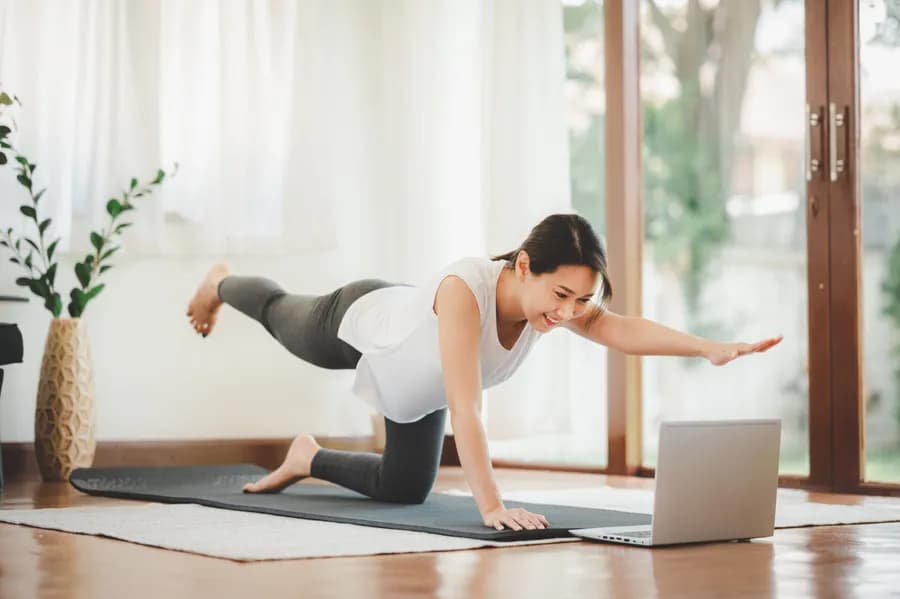
Quad Workout at Home: Best Exercises, Benefits & Beginner Guide
A quad workout at home uses squats, lunges, wall sits, and split squats to target the four muscles along the front of your thigh — no gym needed. See the best exercises and how often to train.
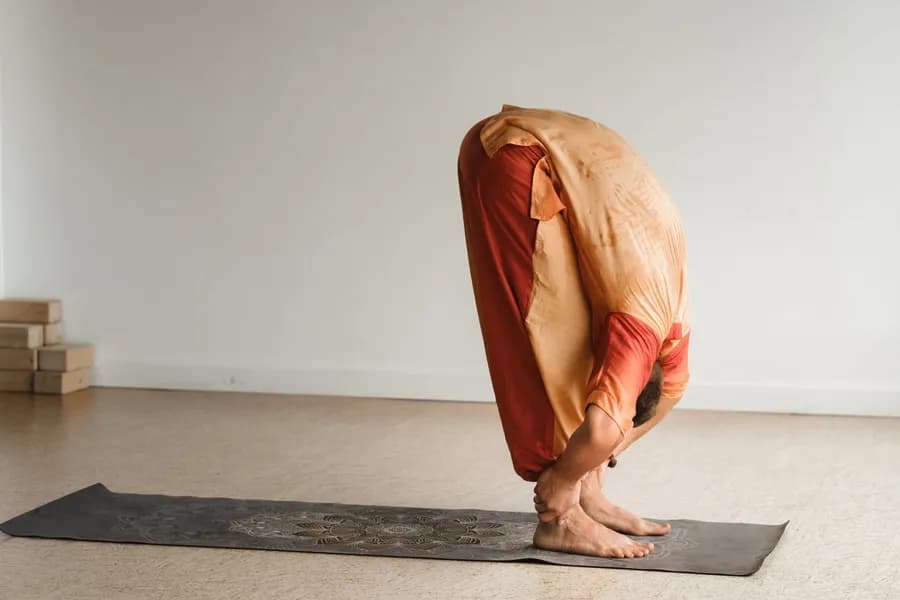
Components of Physical Fitness: What They Are and Why They Matter
Physical fitness isn't one quality — it's a combination of distinct attributes that each contribute to how well your body functions day to day. See all 10 components and why they matter.
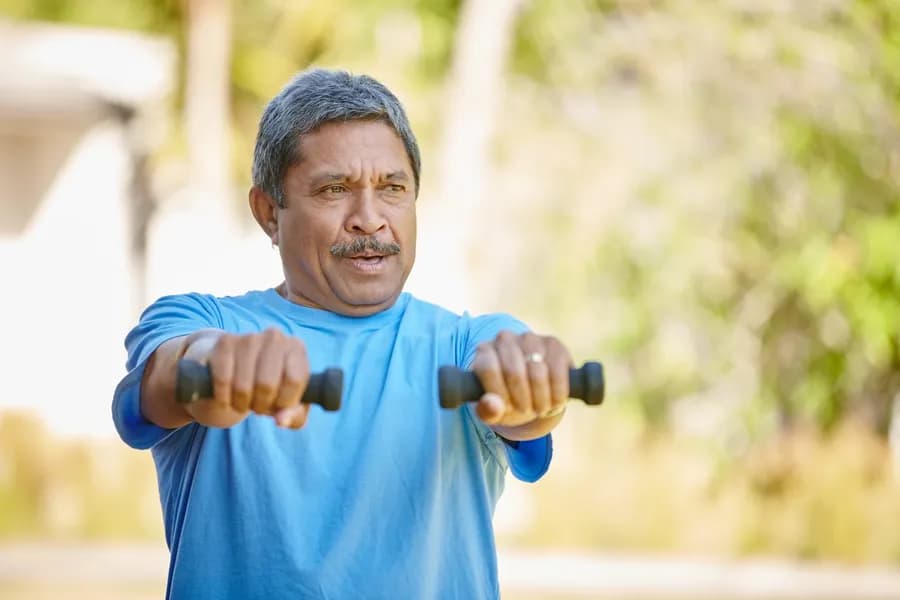
Strength Training for Older Adults: Benefits, Exercises & How to Start
Resistance exercise two to three times a week helps preserve muscle mass, support bone density, and maintain the functional strength needed for everyday independence, at any age from 50 onwards. See the key benefits and best exercises.
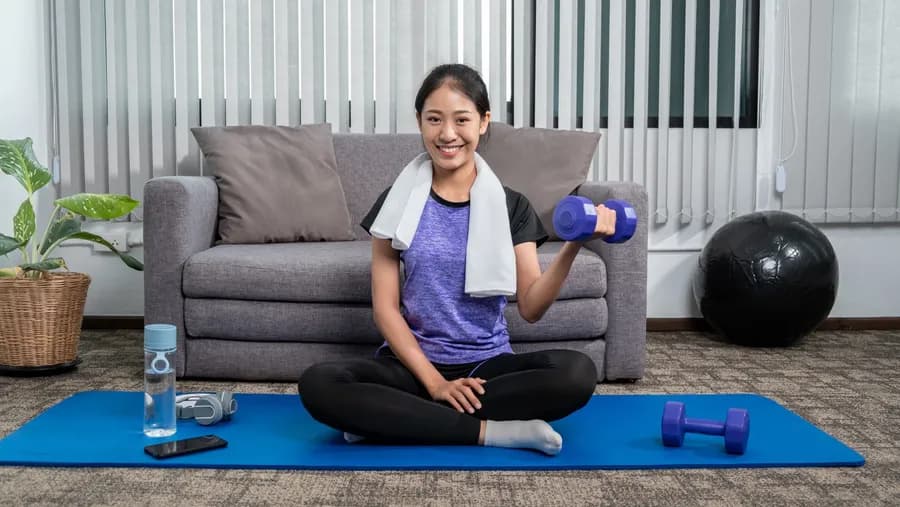
10 Benefits of Strength Training That Go Beyond the Gym
Strength training raises your resting metabolism, improves bone density, supports fat loss, and benefits mental wellbeing — gradually changing how your body feels and performs. See all 10 benefits.
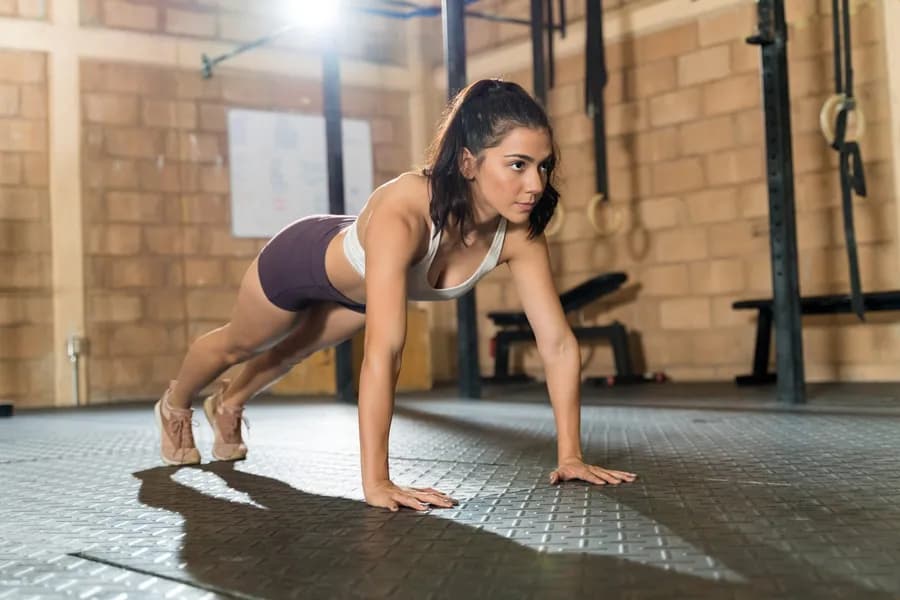
Beginner Bodyweight Exercises: Build Strength at Home Without Equipment
Bodyweight exercises are the most accessible way to start building real strength — no gym membership, no equipment, no experience required. See 8 key benefits and how to begin.