
Strength Training for Older Adults: Benefits, Exercises & How to Start
Resistance exercise two to three times a week helps preserve muscle mass, support bone density, and maintain the functional strength needed for everyday independence, at any age from 50 onwards. See the key benefits and best exercises.
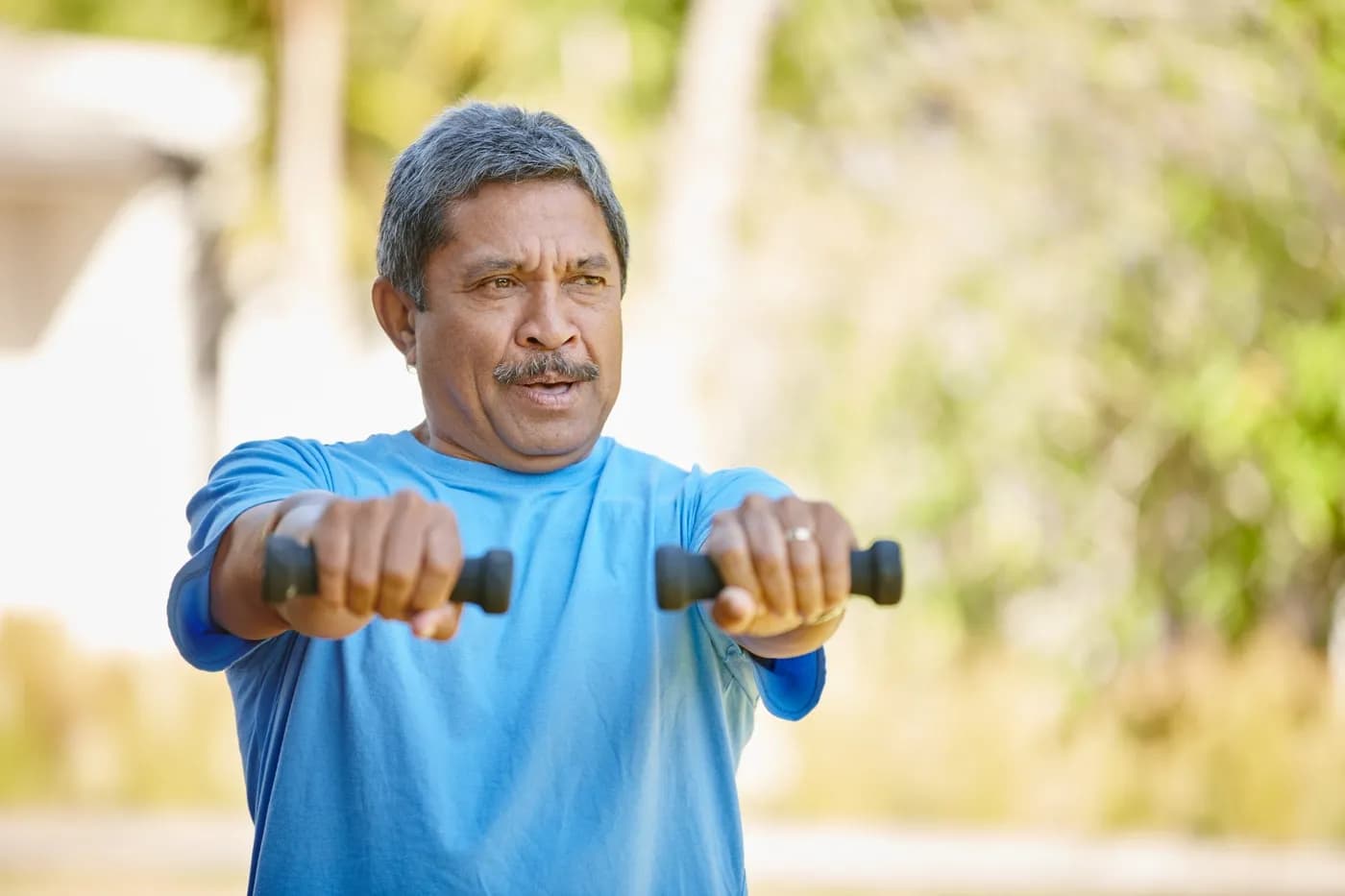
Key Takeaways
- After 40, adults lose roughly 1-2% of muscle mass per year through sarcopenia.
- Two to three sessions a week helps preserve muscle, bone density, and balance.
- A yoga mat, resistance band, and sturdy chair are enough to start safely at home.
- Single-leg movements and stability work may gradually reduce fall risk over time.
- Speak to a doctor before starting if you have existing health conditions.
Strength training for older adults is one of the most well-researched approaches to healthy ageing. Resistance exercise performed two to three times a week helps preserve muscle mass, support bone density, improve balance, and maintain the functional strength needed for everyday independence — at any age from 50 onwards.
Whether you’re in your 50s, 60s, or beyond, this guide covers the key benefits, how to get started safely, the best exercises, and common mistakes to avoid — so you can build a practice that genuinely lasts.
6 Benefits of Strength Training for Older Adults
- Builds and Preserves Lean Muscle After 40, adults naturally lose muscle mass at roughly 1–2% per year — a process called sarcopenia. Consistent strength training for seniors slows this loss considerably, helping you maintain the muscle needed for balance, posture, and daily function.
- Improves Bone Density Resistance exercise places gentle stress on bones, signalling the body to maintain and gradually reinforce bone mineral density. This is particularly valuable for post-menopausal women and older men, where bone thinning can increase fracture risk over time.
- Boosts Metabolism and Supports Healthy Body Composition Muscle tissue burns more calories at rest than fat tissue does. As you build lean muscle through weight lifting for seniors, your resting metabolic rate gradually improves — supporting healthy weight management without extreme dietary restriction.
- Enhances Functional Strength and Independence Getting up from a chair, carrying groceries, or climbing stairs depends directly on leg and core strength. Targeted resistance training improves these functional movement patterns, helping older adults maintain independence longer and with greater confidence.
- Supports Joint Health and Reduces Discomfort Stronger muscles around the knees, hips, and spine provide better joint support. Many people find that consistent strength practice helps them manage everyday joint discomfort more effectively — though it works best alongside, not as a replacement for, medical advice.
- Improves Balance, Coordination, and Fall Prevention Falls are a leading cause of injury among older adults. Exercises that build lower-body strength and improve neuromuscular coordination — such as single-leg movements and stability work — may gradually reduce fall risk when practised regularly over time.
How to Get Started with Strength Training as an Older Adult
What You Need to Begin
You don’t need a gym membership or heavy weights to start. A yoga mat, a resistance band, and a sturdy chair are enough to begin safely at home. Many of the most effective foundational exercises use only bodyweight. If you have existing health conditions, speak to your doctor before starting a new programme.
Setting Realistic Goals
Avoid doing too much too soon. In the early weeks, the goal is simply to move consistently and let your muscles adapt. Aim for two to three sessions per week with at least one rest day between. Progress is gradual — focus on how you feel and move, rather than numbers alone.
Start with the Basics
Begin with exercises that mirror everyday movements: sitting and standing, pushing, pulling, and walking. Master these patterns with good form before adding resistance. A guided programme — like Habuild’s live daily sessions — ensures you develop correct technique from the very start, reducing the risk of strain.
Best Exercises for Older Adults in Strength Training
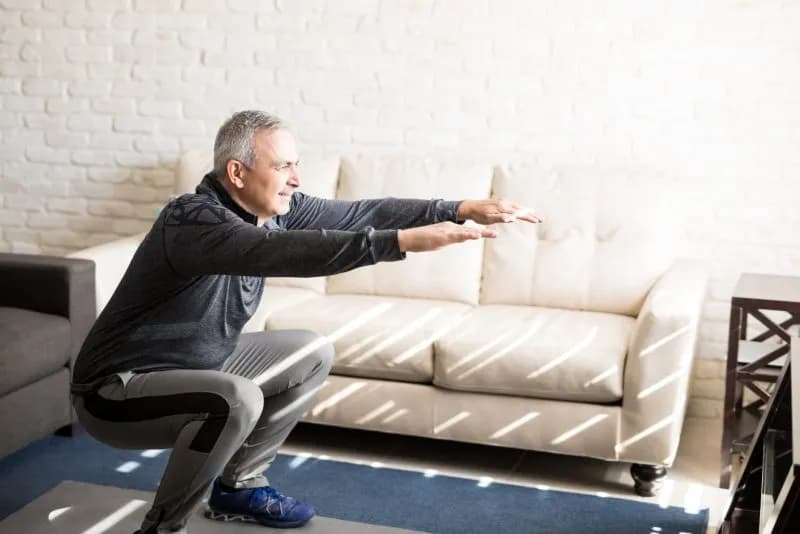
Chair Squats
Stand in front of a sturdy chair, lower yourself slowly until you just touch the seat, then stand back up. This builds quad and glute strength while practising one of the most functional movements in daily life. Aim for 2 sets of 10–12 repetitions.
Wall Push-Ups
Place both hands on a wall at shoulder height and perform a push-up movement. This upper-body exercise strengthens the chest, shoulders, and triceps with minimal joint stress — ideal for beginners or those with wrist sensitivity. Progress to floor push-ups as strength improves.
Resistance Band Rows
Anchor a resistance band around a door handle, hold both ends, and pull toward your waist with elbows driving back. This strengthens the upper back and counters the rounded-shoulder posture that develops from prolonged sitting. Try 2–3 sets of 12 repetitions. For more structured options, explore full body strength training programmes designed for every fitness level.
Step-Ups
Using the bottom stair or a low step, step up one foot at a time then back down. This improves single-leg strength, balance, and hip stability. Keep the movement slow and controlled — speed is not the goal.
Glute Bridges
Lie on your back with knees bent and feet flat on the floor. Press your heels down and lift your hips until your body forms a straight line from knees to shoulders. Hold briefly, then lower. Glute bridges strengthen the posterior chain — glutes, hamstrings, and lower back — directly supporting posture and reducing lower-back discomfort.
Dead Bug Core Hold
Lie on your back, raise arms toward the ceiling and knees to a tabletop position. Slowly lower one arm and the opposite leg toward the floor without letting your lower back arch. Return and repeat on the other side. This is one of the safest and most effective core stability exercises for older adults.
Standing Calf Raises
Hold a wall or chair for light support, rise up on your toes, then lower slowly. Calf strength supports ankle stability and circulation — both important for maintaining an active lifestyle as you age.
Common Mistakes to Avoid
- Poor Form Rushing through exercises with incorrect technique places unnecessary stress on joints and reduces benefit to the targeted muscles. Every repetition should be deliberate. Working with a qualified instructor — even online — makes a significant difference in safety and results for strength training for seniors.
- Skipping the Warm-Up Cold muscles and stiff joints respond poorly to sudden load. Spend five to ten minutes on gentle mobility work — neck rolls, shoulder circles, hip rotations, and light walking — before every session. A brief warm-up also prepares the nervous system for coordinated movement.
- Overtraining Without Recovery More is not always better, especially for older adults whose recovery timelines are naturally longer. Soreness persisting beyond 48 hours, persistent fatigue, or declining performance are all signs to rest. Two to three sessions a week with adequate sleep and nutrition will produce better long-term results than daily intense training.
- Inconsistency Sporadic effort — three weeks of training followed by two weeks off — prevents the body from adapting. Real results from strength work come from months of regular practice. Building a consistent habit, even when sessions are short, is far more effective than infrequent high-volume workouts.
Who Should Try Strength Training for Older Adults?
- Beginners Starting strength training in your 50s or 60s is not too late. Bodyweight exercises and light resistance bands provide a safe, low-barrier entry point for strength training for older adults. The body adapts remarkably well at any age when trained consistently. You can also explore strength training for beginners for a structured first-step guide.
- Women Many women worry that resistance training will make them look bulky — this is a persistent myth. Women have lower testosterone levels than men, which means consistent strength training develops lean, functional muscle rather than significant size. For post-menopausal women, the bone density and metabolic benefits are especially meaningful.
- Older Adults with Existing Health Conditions Those managing conditions such as type 2 diabetes, osteoporosis, or arthritis can often benefit from appropriately modified strength programmes. Always consult your doctor first, and choose programmes led by qualified trainers who understand how to adapt exercises for individual needs. Strength training complements your existing care — it is not a substitute for medical treatment.
- Working Professionals in Their 40s and 50s Long hours at a desk contribute to weakened core muscles, tight hip flexors, and rounded shoulders. Even two 30-minute sessions per week can meaningfully improve posture, energy levels, and the physical resilience needed to stay active outside of work hours.
Build Strength with a Routine That Actually Works
Building strength as an older adult isn’t about grinding through random workouts — it’s about showing up consistently with the right guidance and a structured plan that progresses at your pace. With expert support, you can train effectively from home and see real, gradual improvement in how you move and feel. Understand why strength training is important for long-term health as you get started.
What You Get with Habuild’s Strong Everyday Program:
- Daily live guided strength sessions with qualified instructors
- Beginner to intermediate progression — no experience required
- No-equipment and home-friendly workout formats
- Expert cueing to ensure correct form and safe movement
- Community support to help you stay accountable and consistent
Start Your Strength Training Journey
Related reads: Strength Training Leg Workout: Best Exercises, Benefits & How to Start · Strength Training for Women Over 40: Benefits, Exercises & How to Start
Preserving muscle mass, bone density, and balance in later years depends on resistance training showing up two to three times a week, every week — not occasionally when it feels manageable. That kind of consistency is easier to sustain with guidance built around your pace. Strong Everyday offers exactly that structured, guided approach, helping older adults keep building functional strength over the long term.
Frequently Asked Questions
Related Articles
What Is Strength Training? Benefits, Exercises & How to Get Started
Strength training uses resistance — bodyweight, dumbbells, or bands — to challenge muscles and stimulate growth, building lean muscle and raising metabolism for all ages and experience levels. See the benefits and how to start.
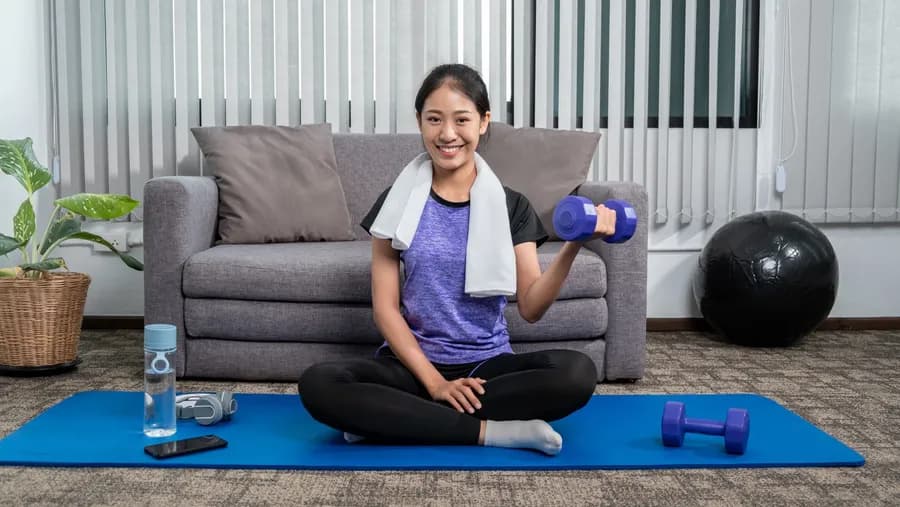
10 Benefits of Strength Training That Go Beyond the Gym
Strength training raises your resting metabolism, improves bone density, supports fat loss, and benefits mental wellbeing — gradually changing how your body feels and performs. See all 10 benefits.
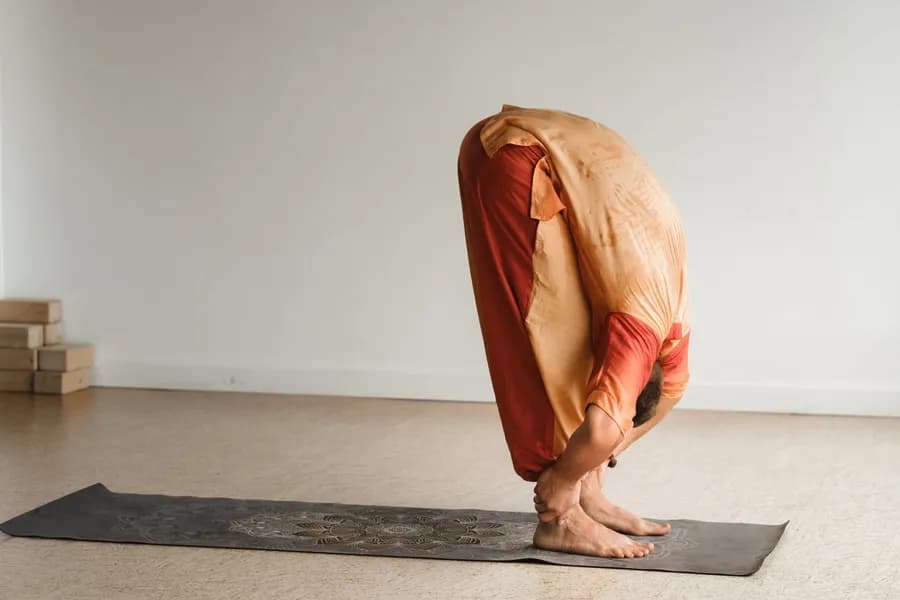
Components of Physical Fitness: What They Are and Why They Matter
Physical fitness isn't one quality — it's a combination of distinct attributes that each contribute to how well your body functions day to day. See all 10 components and why they matter.
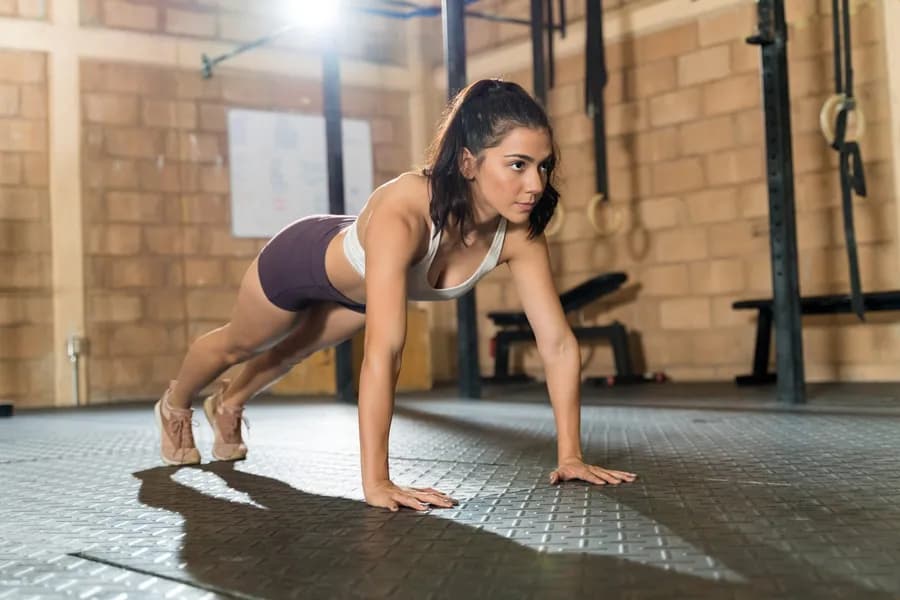
Beginner Bodyweight Exercises: Build Strength at Home Without Equipment
Bodyweight exercises are the most accessible way to start building real strength — no gym membership, no equipment, no experience required. See 8 key benefits and how to begin.
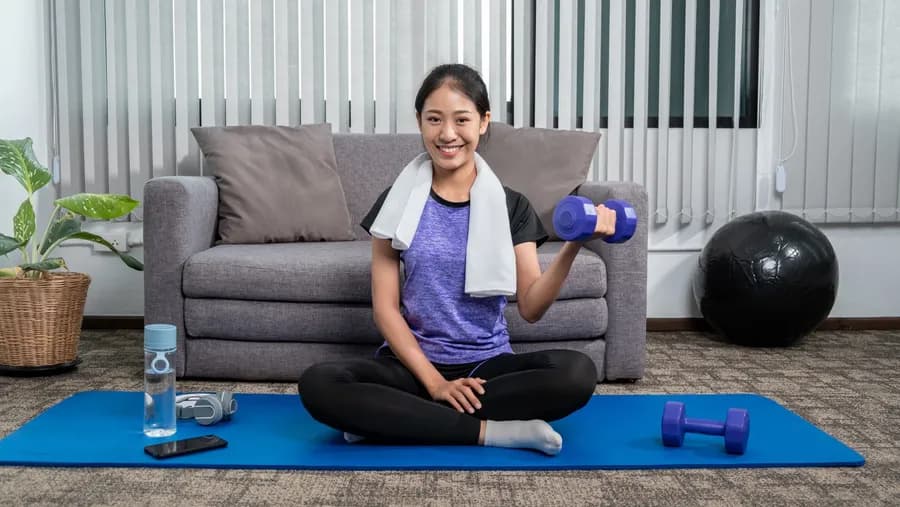
Strength Training Exercises for Women: The Complete Beginner’s Guide
Strength training builds lean muscle, improves metabolism, and supports bone health — consistency, not intensity, is the variable that actually matters. See 10 benefits and how to start.