
Components of Physical Fitness: What They Are and Why They Matter
Physical fitness isn't one quality — it's a combination of distinct attributes that each contribute to how well your body functions day to day. See all 10 components and why they matter.
Key Takeaways
- Muscular strength is maximum force in one effort; endurance is sustaining repeated effort.
- Body composition (fat vs lean mass) is a more meaningful health indicator than weight alone.
- Balance is especially important for older adults and anyone recovering from injury.
- Power combines strength and speed – the ability to exert force quickly, as in jumping.
- Reaction time is often overlooked but still counts as a genuine fitness component.
The components of physical fitness form the foundation of any well-rounded exercise routine. Whether you’re a complete beginner or someone looking to train smarter, understanding these components helps you build a body that’s not just strong, but genuinely healthy — capable, mobile, and resilient over the long run.
10 Key Components of Physical Fitness
Physical fitness isn’t a single quality — it’s a combination of several distinct attributes. Each one contributes to how well your body functions in daily life and under physical demand.
1. Muscular Strength
This is your muscle’s ability to exert maximum force in a single effort — like lifting a heavy object or pushing off the ground. Building muscle mass through structured training is one of the most effective ways to develop this quality. Strength is the backbone of physical capacity at every age.
2. Muscular Endurance
While strength is about maximum force, endurance is about how long your muscles can sustain repeated effort. Think of holding a plank, completing 20 push-ups, or climbing several flights of stairs without stopping. It supports posture, daily activity, and athletic performance alike.
3. Cardiovascular Endurance
This measures how efficiently your heart and lungs deliver oxygen to working muscles over time. Running, cycling, swimming, and brisk walking all challenge this system. A strong cardiovascular base reduces fatigue, supports heart health, and improves overall energy levels throughout the day.
4. Flexibility
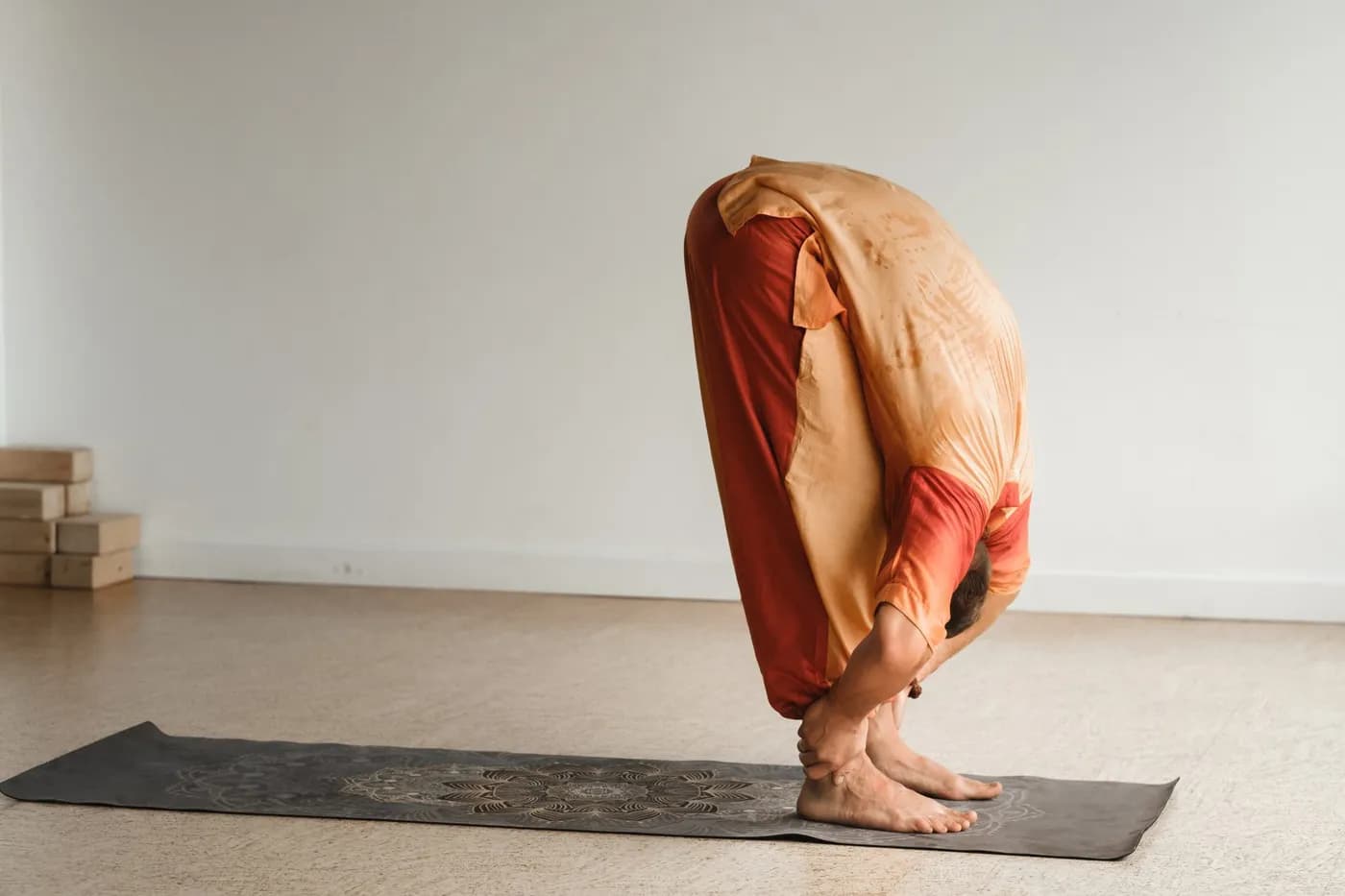
Flexibility is the range of motion around your joints. Poor flexibility contributes to stiffness, poor posture, and increased injury risk. Regular stretching and mobility work — including yoga-based movement — can gradually improve how freely your body moves.
5. Body Composition
Body composition refers to the ratio of fat mass to lean mass (muscle, bone, water) in your body. It’s a more meaningful indicator of health than body weight alone. Resistance training combined with consistent movement can support a healthier body composition over time.
6. Balance
Balance is the ability to maintain control of your body position, whether stationary or moving. It’s especially important for older adults and anyone recovering from injury. Single-leg exercises, stability work, and yoga all support better balance.
7. Coordination
Coordination involves the smooth integration of movement between different muscle groups. It affects how efficiently you perform physical tasks — from catching a ball to executing a complex exercise correctly. Coordination improves with practice and structured training.
8. Power
Power combines strength and speed — it’s the ability to exert force quickly. Jumping, sprinting, and throwing all require power. In everyday life, power supports your ability to react quickly and move with purpose.
9. Reaction Time
This is how quickly you respond to a stimulus. While often overlooked in casual fitness conversations, reaction time plays a role in sports performance, fall prevention, and coordination-based activities.
10. Agility
Agility is the capacity to change direction quickly and efficiently while maintaining control. It draws on strength, balance, and coordination simultaneously, making it one of the more advanced fitness qualities to train.
How to Get Started with Physical Fitness Training
Most people don’t need a complicated programme to get started. They need a realistic entry point and the consistency to keep showing up.
What You Need to Begin
Almost nothing. Bodyweight exercises cover strength, endurance, balance, and coordination with zero equipment. A yoga mat, a small open space, and 30 minutes a day are genuinely enough to address multiple fitness components at once.
If you want to add resistance over time, light dumbbells or resistance bands are affordable additions. But equipment is never the bottleneck — consistency is.
Setting Realistic Goals
Trying to improve every component of fitness simultaneously from day one is a reliable path to burnout. Instead, identify one or two components that matter most to you right now — perhaps strength and flexibility if you sit at a desk all day, or cardiovascular endurance and balance if you’re getting older. Build from there.
Aim for 3–5 sessions per week. Shorter, consistent sessions beat infrequent marathon workouts every time.
Start with the Basics
For beginners, a simple weekly structure might look like this:
- 2–3 days: Strength-focused bodyweight training (squats, push-ups, lunges)
- 2 days: Light cardiovascular work (brisk walking, cycling, or a beginner yoga flow)
- Daily: 5–10 minutes of stretching or flexibility work
This framework touches cardiovascular endurance, muscular strength, muscular endurance, and flexibility — four of the most important health-related fitness components — without overwhelming a beginner’s schedule.
Best Exercises for Each Component of Physical Fitness
Here are seven reliable exercises that collectively address multiple fitness components. Most can be done at home without any equipment.
Squats
Squats build lower-body strength, muscular endurance, and functional mobility simultaneously. Keep your chest tall, knees tracking over your toes, and lower until your thighs are roughly parallel to the floor. 3 sets of 12–15 reps is a solid starting point.
Push-Ups
Push-ups develop upper-body strength, core stability, and muscular endurance with no equipment required. If the full version is too demanding initially, begin with your knees on the floor and progress gradually. 3 sets of 8–12 reps.
Lunges
Lunges challenge balance, coordination, and unilateral leg strength all at once — making them one of the most efficient exercises for functional fitness. Alternate legs and aim for 3 sets of 10 reps per leg.
Plank
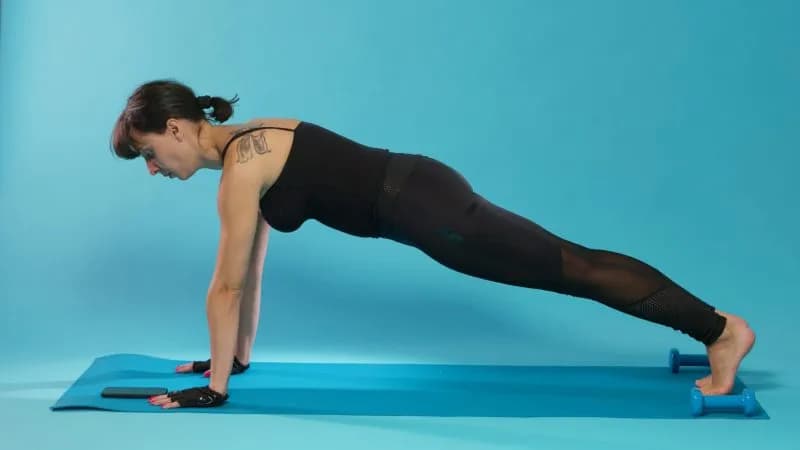
The plank is the gold standard for core endurance and stability. It also reinforces correct spinal alignment — a component of fitness that directly affects posture and injury resilience. Hold for 20–60 seconds per set, 3 sets.
Burpees
Burpees combine strength, power, cardiovascular endurance, and coordination in a single movement. They’re demanding but efficient. Start with 5 reps per set and build gradually as your fitness improves.
Glute Bridge
Glute bridges activate the posterior chain — glutes, hamstrings, and lower back — which are often underworked in sedentary lifestyles. They improve both strength and mobility in the hips. 3 sets of 15 reps.
Dead Bug
The dead bug exercise trains coordination, core stability, and the neuromuscular connection between opposing limbs. It’s low-impact, beginner-friendly, and builds a level of body control that benefits every other exercise you do. 3 sets of 8–10 reps per side.
Common Mistakes to Avoid in Physical Fitness Training
Understanding the components of health-related fitness is one thing. Training them correctly is another. Here are the errors that slow most people down.
- Poor Form Performing exercises with incorrect technique doesn’t just reduce effectiveness — it shifts load onto joints and connective tissue that aren’t equipped to handle it. Always prioritise form over load or repetitions. If you’re unsure, work with a guided programme or a qualified instructor before increasing intensity.
- Skipping Warm-Up Jumping straight into a workout with cold muscles significantly raises the risk of strain and injury. A 5–10 minute warm-up — light movement, joint rotations, dynamic stretching — prepares your cardiovascular system, improves range of motion, and activates the muscles you’re about to use.
- Overtraining More is not always better. Training every day without adequate recovery prevents muscle repair, suppresses immune function, and increases injury risk. Rest days are not a sign of weakness — they’re when adaptation actually happens. Most people benefit from at least one full rest day per week.
- Inconsistency Perhaps the most common and costly mistake: training hard for two weeks, then stopping for three. Fitness is cumulative. A modest routine maintained over months delivers far better results than intense but irregular effort. Building a daily habit — however small — outperforms sporadic intensity every single time.
Who Should Work on the Components of Physical Fitness?
The honest answer: everyone. But the approach varies significantly by life stage and starting point.
- Beginners If you’re new to structured exercise, the components of fitness provide a clear map. Rather than following random workouts, you can assess which areas need the most attention and train purposefully. Start with two to three sessions per week, focus on form, and build gradually. The barrier to entry is genuinely low — most foundational fitness work requires nothing more than your own bodyweight and a consistent schedule.
- Women A persistent myth holds that strength training makes women bulky. It doesn’t. Strength training for women builds lean, functional muscle, supports bone density (which becomes especially important post-menopause), and improves metabolic health — without producing the physique that myth describes. Women benefit enormously from addressing muscular strength and endurance as part of a well-rounded fitness routine.
- Older Adults For those over 50, balance, flexibility, muscular strength, and bone density become increasingly important fitness priorities. Regular resistance training and mobility work may help support joint health and reduce fall risk over time. If you have existing health conditions, consult your doctor before beginning a new programme. That said, gentle, consistent movement is appropriate and beneficial for most older adults.
- Working Professionals Desk-based work tends to weaken posture muscles, compress hip flexors, and reduce cardiovascular capacity. Addressing the fitness components most affected by sedentary work — flexibility, muscular endurance, and cardiovascular fitness — can make a meaningful difference in how you feel day to day. Short, structured sessions before or after work are more sustainable than trying to squeeze in gym sessions during a packed schedule.
Build Strength with a Routine That Actually Works
Building fitness across all key components isn’t about doing random workouts — it’s about consistency, expert guidance, and following a structured plan that progresses with you. With the right support, you can train effectively from home and see real improvement over time.
Understanding the components of fitness is a starting point. Habuild’s Strong Everyday programme gives you a daily structure that addresses strength, endurance, flexibility, and coordination — all in live, guided sessions you can do at home.
What you get with Habuild’s Strong Everyday programme:
- Daily live guided strength and yoga sessions
- Beginner to advanced progression built in
- No-equipment, home-friendly workouts
- Expert guidance to ensure correct form across every session
- A supportive community that helps you stay consistent
Related reads: What Is Physical Fitness? Benefits, Exercises & How to Start · Types of Physical Fitness Exercises: Complete Guide
Training smarter, as this guide puts it, means addressing all the components of fitness together — strength, mobility, endurance — rather than one in isolation on whichever day you remember to exercise. That kind of well-rounded structure is hard to build alone. Strong Everyday offers a guided program that pulls these components together into one consistent, progressive routine.
Frequently Asked Questions
Related Articles
What Is Strength Training? Benefits, Exercises & How to Get Started
Strength training uses resistance — bodyweight, dumbbells, or bands — to challenge muscles and stimulate growth, building lean muscle and raising metabolism for all ages and experience levels. See the benefits and how to start.
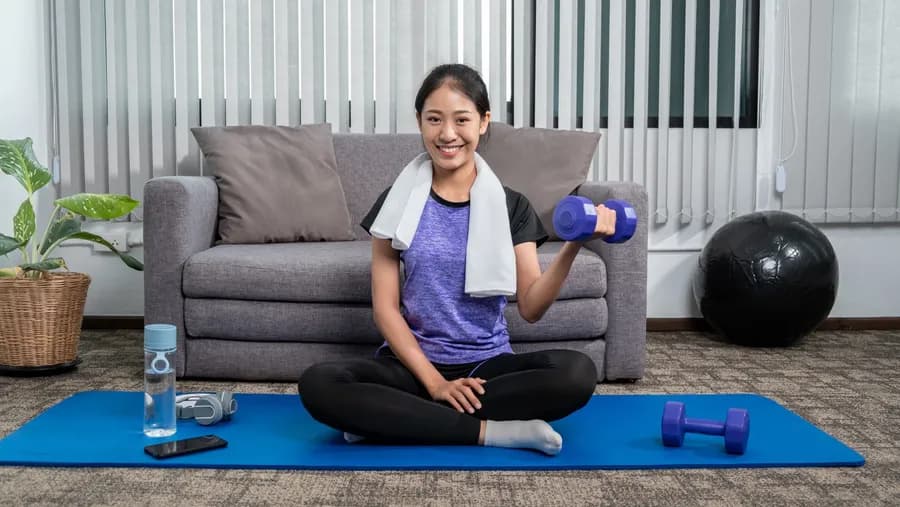
10 Benefits of Strength Training That Go Beyond the Gym
Strength training raises your resting metabolism, improves bone density, supports fat loss, and benefits mental wellbeing — gradually changing how your body feels and performs. See all 10 benefits.
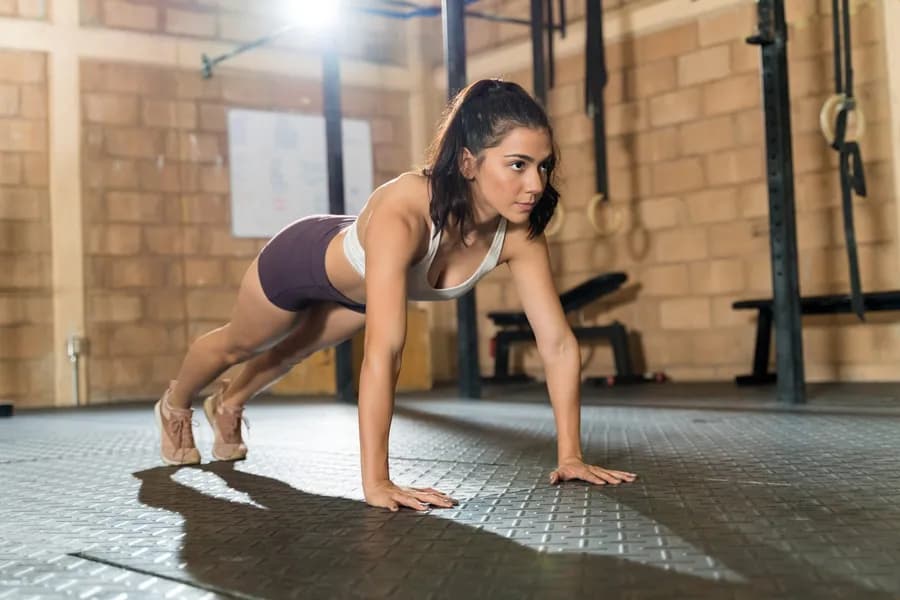
Beginner Bodyweight Exercises: Build Strength at Home Without Equipment
Bodyweight exercises are the most accessible way to start building real strength — no gym membership, no equipment, no experience required. See 8 key benefits and how to begin.

Beginner Fat Loss Workout: The Complete Guide to Getting Started at Home
A beginner fat loss workout doesn't need to be complicated to be effective — the right starting point, done consistently, makes all the difference. See the benefits, best exercises, and common mistakes.

10 Stair Climbing Exercise Benefits You Should Know
Stair climbing improves cardiovascular fitness, strengthens lower-body muscles, and burns real calories — with no gym or equipment needed. See all 10 benefits.