
Strength Training Core Workout: 10 Best Exercises
Build a stronger core with this strength training core workout guide. Explore the best exercises, beginner tips, and a proven home routine. Start for 14-day free trial today.
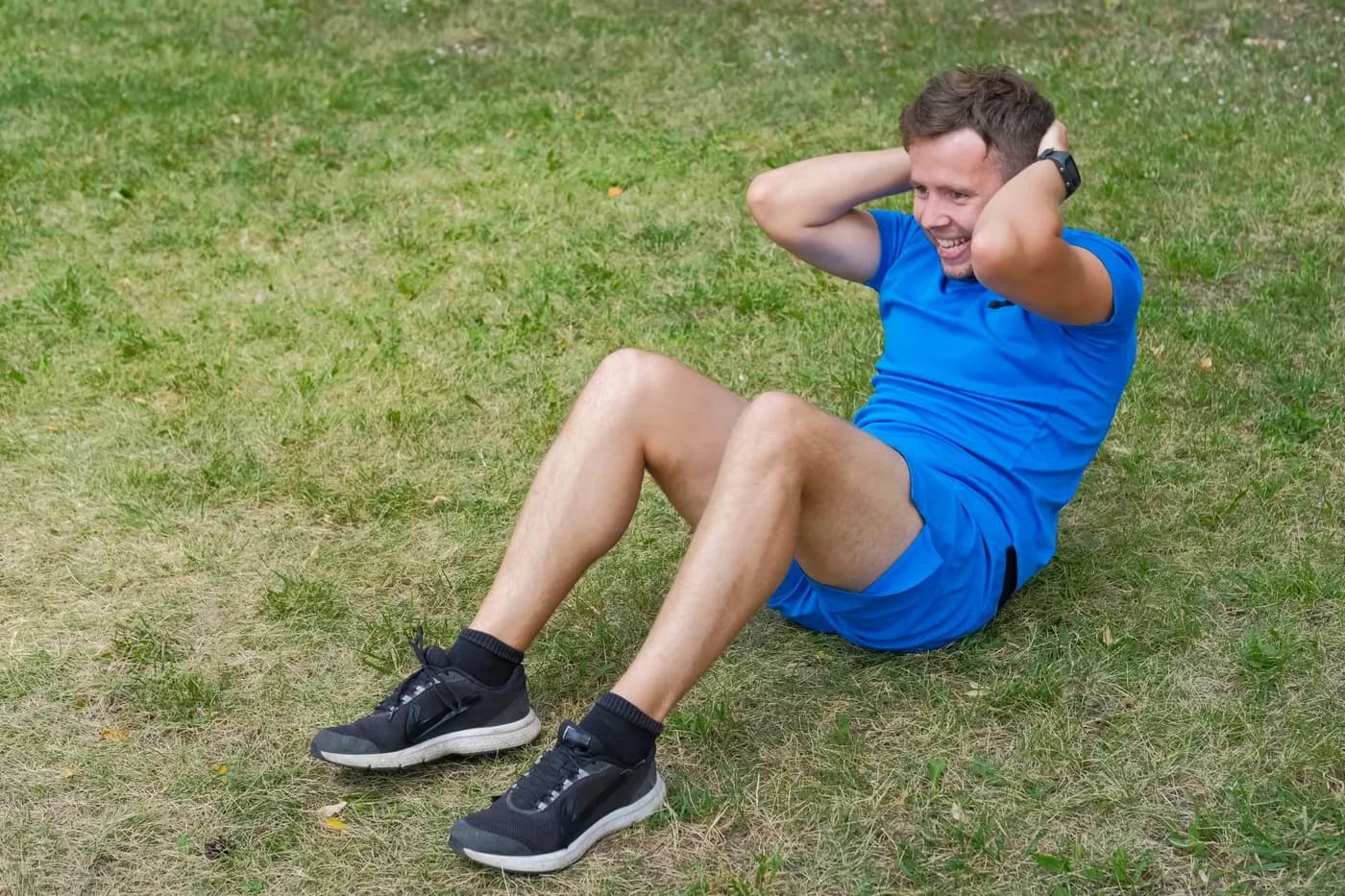
Key Takeaways
- Targets the transverse abdominis, obliques, multifidus, and rectus abdominis for deep stability.
- Just a mat and 20-30 minutes, three to five days a week, shows results in four to six weeks.
- Weak core muscles are a primary driver of rounded shoulders and forward head posture.
- The diaphragm is itself a core muscle, so training the core improves breathing efficiency.
- Engaging the abdominal muscles stimulates the organs within the cavity, supporting gut motility.
- A trained core acts as a natural brace, reducing compressive load on the spine while lifting.
A strength training core workout is a structured set of exercises targeting the deep stabiliser muscles — transverse abdominis, obliques, multifidus, and rectus abdominis — to build functional stability, improve posture, and protect the spine. Most people need just a mat and 20–30 minutes, three to five days a week, to see meaningful results within four to six weeks.
A solid strength training core workout is the foundation of almost every movement your body makes — from lifting groceries to holding good posture through an eight-hour workday. Yet most people either skip core training entirely or rely on endless crunches that barely scratch the surface. This guide covers the best exercises, how to get started, and the most common mistakes keeping you from real progress.
10 Benefits of a Strength Training Core Workout
- Builds Deep Functional Stability Core strength training targets not just your abs but the deeper stabiliser muscles — the transverse abdominis, multifidus, and obliques — that hold your spine in position during every movement. This deep stability is what separates a strong core from simply having visible abs.
- Improves Posture Weak core muscles are a primary driver of rounded shoulders and forward head posture, especially for desk workers. Consistent core training gradually supports better alignment throughout the day. Complementary work like yoga for posture can reinforce these gains further.
- Reduces Lower Back Discomfort A strengthened core shares the load that would otherwise fall entirely on the lumbar spine. Over time, regular core training may gradually ease lower back strain when practiced consistently — though it complements, and does not replace, medical advice.
- Boosts Athletic Performance Whether you run, cycle, swim, or play a sport, power transfers through the core. A stronger midsection means more efficient movement and better endurance in every other physical activity you do.
- Enhances Balance and Coordination Core muscles fire constantly to keep you upright and coordinated. Strengthening them improves your proprioception — your body's sense of where it is in space — which reduces the risk of falls and injuries.
- Supports Healthy Digestion Engaging the abdominal muscles through movement stimulates the organs within the abdominal cavity, supporting healthy gut motility. Many people notice gradual improvements in digestion with consistent core-focused movement.
- Improves Breathing Efficiency The diaphragm is a core muscle. Training the core to work in coordination with the breath builds greater respiratory strength, which is particularly helpful for managing stress and staying calm under effort.
- Protects the Spine During Daily Activities Lifting, bending, and twisting are everyday movements that stress the spine. A trained core acts as a natural brace, reducing the compressive load on spinal structures during these moments.
- Builds a Leaner Midsection Over Time While spot reduction is a myth, core strength training increases local muscle tone and — combined with overall activity — supports gradual fat loss around the midsection over consistent weeks of training.
- Strengthens the Mind-Muscle Connection Core training demands precision. Learning to consciously activate deep stabilisers builds better body awareness, which translates into improved form and reduced injury risk across all other workouts.
How to Get Started with Core Strength Training
What You Need to Begin
You need nothing more than a yoga mat and a few square feet of floor space. All the exercises in this guide are designed as core strength exercises at home with zero equipment. If you want to progress later, resistance bands and light dumbbells are optional additions — not requirements.
- A non-slip yoga or exercise mat
- Comfortable, non-restrictive clothing
- 15–30 minutes, 3–5 days per week
- A willingness to focus on quality over quantity
Setting Realistic Goals
Most beginners see noticeable improvements in posture, lower back comfort, and stability within four to six weeks of consistent practice. Avoid jumping to advanced movements before your form is solid — the core responds better to controlled, deliberate effort than to rushed high-rep sets. Track how you feel after each session, not just what the mirror shows.
Start with the Basics
Before you attempt challenging movements like hollow body holds or single-leg deadlifts, build your base with simple activation drills: dead bugs, bird dogs, and basic planks. These teach your nervous system how to stabilise the spine under load. Once you can hold a plank with a flat back for 45 seconds without discomfort, you are ready to progress. For a broader foundation, explore core strength exercises to complement what you build here.
Best Exercises for a Strength Training Core Workout
Plank
The king of core exercises. Hold a forearm plank with your hips level, core braced, and neck neutral. Avoid letting the lower back sag or hips pike. Start with 3 sets of 20–40 second holds and build toward 60 seconds over several weeks. The plank trains full-body tension — not just abs.
Dead Bug
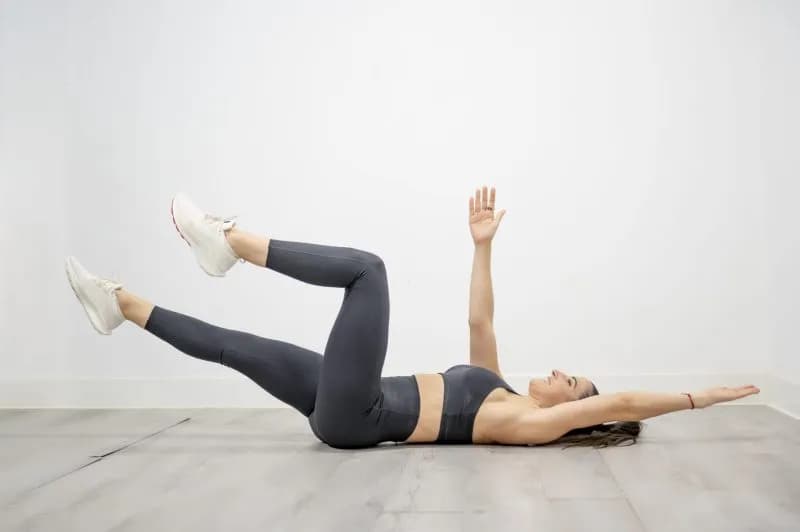
Lie on your back with arms pointing toward the ceiling and knees bent at 90 degrees. Slowly lower one arm and the opposite leg toward the floor while keeping your lower back pressed flat. Return and alternate. This is one of the safest and most effective ways to improve core strength while protecting the spine. Do 3 sets of 8–10 reps per side.
Bird Dog
Start on all fours. Extend one arm and the opposite leg simultaneously, hold for two seconds, then return. The challenge is staying still through the hips — any rotation means the core isn't doing its job. Do 3 sets of 10 reps per side.
Hollow Body Hold
Lie on your back, arms extended overhead, legs straight. Lift your shoulders and legs a few inches off the ground and hold. This drill builds the deep anterior core that planks and crunches miss. Start with 3 sets of 15–20 second holds and progress from there.
Side Plank
Lie on your side and lift your hips off the floor, balancing on one forearm and the side of your foot. A side plank directly targets the obliques and quadratus lumborum — the muscles responsible for lateral spinal stability. Hold for 20–40 seconds per side, 3 sets.
Mountain Climbers
Start in a high plank and drive alternating knees toward your chest in a controlled, steady rhythm. Mountain climbers blend core stability with cardiovascular demand, making them an efficient addition to any workout. Do 3 sets of 20–30 reps (10–15 per leg).
Reverse Crunch
Lie on your back and draw your knees to your chest, then lift your hips slightly off the floor by curling the pelvis upward. This moves the spine in flexion from the bottom up — a pattern most core routines neglect. Do 3 sets of 12–15 reps with a slow, controlled tempo.
Russian Twist
Sit with your knees bent, lean back slightly, and rotate your torso from side to side. Keep the movement controlled and avoid swinging. Add a light weight when bodyweight becomes easy. Do 3 sets of 16–20 reps total.
Glute Bridge with Core Brace
Lie on your back, feet flat, and drive your hips toward the ceiling while bracing the core hard at the top. This integrates the posterior chain — glutes and hamstrings — with core stability for a more complete movement pattern. Do 3 sets of 12–15 reps, pausing 2 seconds at the top.
Pallof Press Variation (Resistance Band)
Anchor a resistance band at chest height. Hold it at your sternum and press it straight out in front of you, resisting the rotational pull of the band. This is an anti-rotation exercise — the core's most functional role. Do 3 sets of 10–12 reps per side. If you don't have a band, a slow arm extension in a plank achieves a similar anti-rotation demand.
Common Mistakes to Avoid
- Poor Form The most common error in core training is substituting hip flexor tension or lower back strain for genuine abdominal engagement. If you feel your lower back working hard during planks or leg raises, your core has stopped doing its job. Shorten the range of motion and rebuild from there. Quality reps done with proper bracing are always more effective than sloppy high-volume sets.
- Skipping the Warm-Up Cold, stiff muscles respond poorly to stability demands. Spend five minutes with gentle cat-cow mobilisations, hip circles, and diaphragmatic breathing before any core session. This primes the nervous system and improves the quality of every rep that follows.
- Overtraining The core is made of muscles and needs recovery time like any other. Training it seven days a week with intense sessions will lead to fatigue, not faster progress. Three to five focused sessions per week with at least one full rest day between harder sessions is sufficient for consistent improvement.
- Inconsistency Doing an intense core workout once a week and nothing in between delivers very little over time. The core adapts through regular, repeated exposure to load and stability demands. A modest routine done four times a week will always outperform an ambitious one done twice a month. This is the single most important variable — and the hardest one to maintain without the right support structure.
Who Should Try a Strength Training Core Workout?
- Beginners Core training has one of the lowest entry barriers of any fitness discipline. You need no equipment, no gym membership, and no prior experience. Start with dead bugs, bird dogs, and short plank holds — all of which are safe and effective for someone training for the very first time. Consistency matters far more than intensity in the early weeks.
- Women There is a persistent myth that core and strength training will make women look bulky. It will not. Women have substantially lower testosterone levels than men, which means strength training builds lean, functional muscle rather than bulk. Core training is particularly valuable for women during and after pregnancy, as it rebuilds pelvic floor stability and spinal support. Check out strength training for women for more context on training safely and effectively.
- Older Adults Core strength is one of the most important factors in fall prevention and mobility for adults over 50. Exercises like bird dogs, bridges, and seated rotations are low-impact and highly effective for maintaining spinal stability and functional movement. If you have osteoporosis or a history of spinal injury, always consult a physician before starting a new routine — core training complements medical care but does not replace it.
- Working Professionals Hours spent sitting at a desk progressively weakens the posterior chain and compresses the lumbar spine. A 20-minute daily core routine — done before work or during a lunch break — gradually counteracts these effects. Stronger core muscles support better seated posture and may help reduce the chronic low-back fatigue that many desk workers experience over months and years of sedentary work.
Build Core Strength with a Routine That Actually Works
Building a stronger core isn't about doing random exercises when you remember — it's about consistent, structured sessions with expert guidance and a community that keeps you accountable. With the right support, you can train effectively from home and experience real, gradual progress over time.
What you get with Habuild's Strength Training program:
- Daily live guided strength and core sessions
- Beginner-to-advanced progression built into the curriculum
- No-equipment, home-friendly workouts
- Expert guidance to ensure correct form on every exercise
- Community support so you stay consistent, not just motivated
If you've been looking for a way to finally make core training a habit, the full body strength training program at Habuild covers the core, and everything around it, in structured daily sessions.
Related reads: What Is a Core Strength? Benefits, Exercises & How to Build It · Strength Training Back Workout: Benefits, Exercises & Tips
A strong core isn't built through the odd set of crunches before a workout — it comes from training the deep stabilizing muscles consistently, with enough variety to keep challenging them. That's hard to sustain with a scattered routine. Habuild's Strong Everyday program keeps your core work structured and progressive, so the strength you build actually holds up under daily movement.
Frequently Asked Questions
Related Articles
What Is a Core Strength? Benefits, Exercises & How to Build It
What is a core strength? Learn what it means, why it matters, and the best core exercises to build it with Habuild's guided strength training.
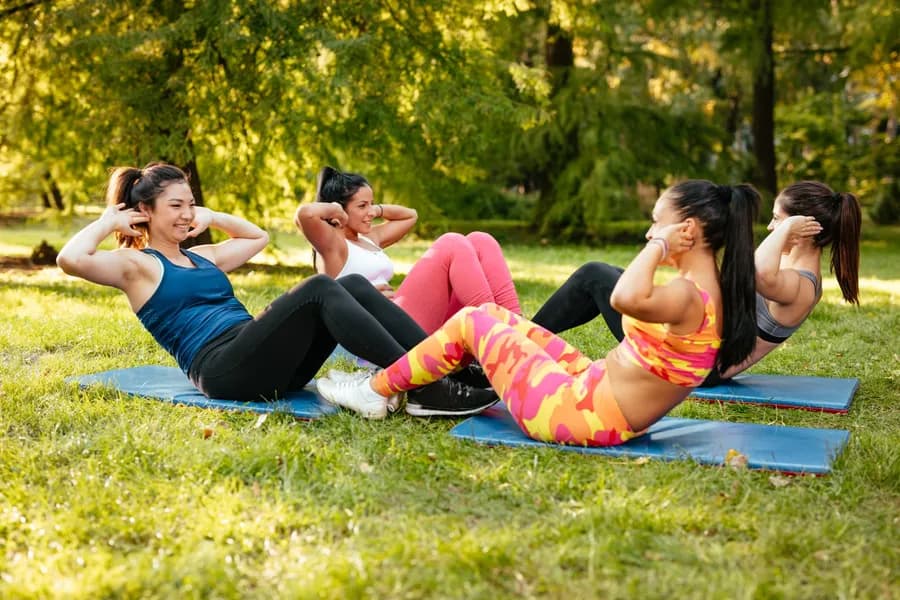
What Are Core Exercises? Complete Guide for Strength
Movements training the muscles around your trunk — abdominals, obliques, lower back, hips, and pelvic floor — build the stability behind every other workout. See the complete guide for strength.

Six Pack Exercise at Home: Core Workouts That Actually Work
Visible abdominal definition requires two things at once — core muscle development and fat reduction through a caloric deficit — not endless crunches alone. See the most effective exercises at home.
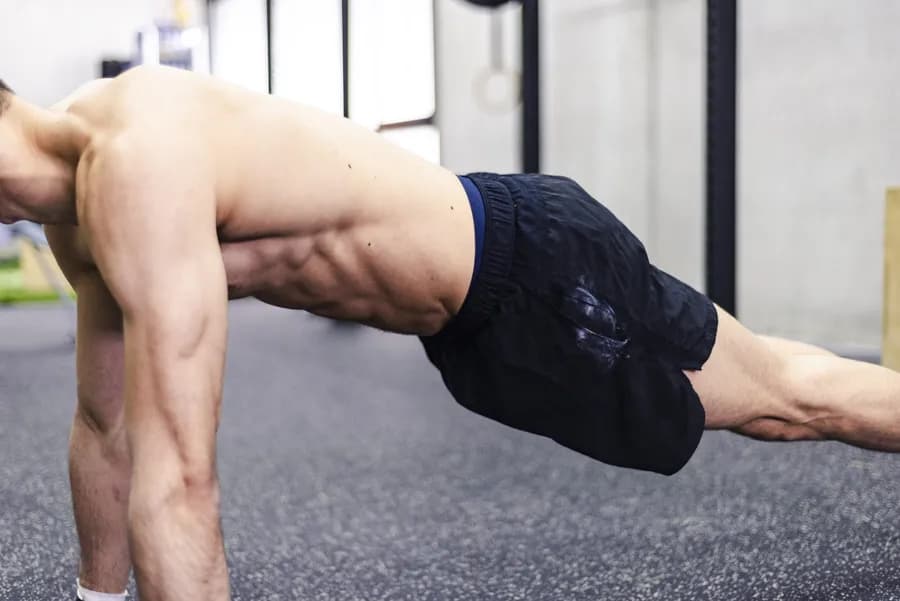
Do Planks Build Abs? the Honest Answer about Plank Effectiveness for Abs Development
Planks build the deep core muscles and isometric strength, but visible abs also require low enough body fat for that muscle to show — which needs full-body fat loss. See what planks actually do.

Benefits of Crunch Exercise: Core Strength, Abs and Beyond
Done correctly, the crunch produces real rectus abdominis strength and core stability; done incorrectly, it strains the cervical spine and recruits the hip flexors instead. See the full evidence base and technique.