
Strength Training Exercises for Women Over 50
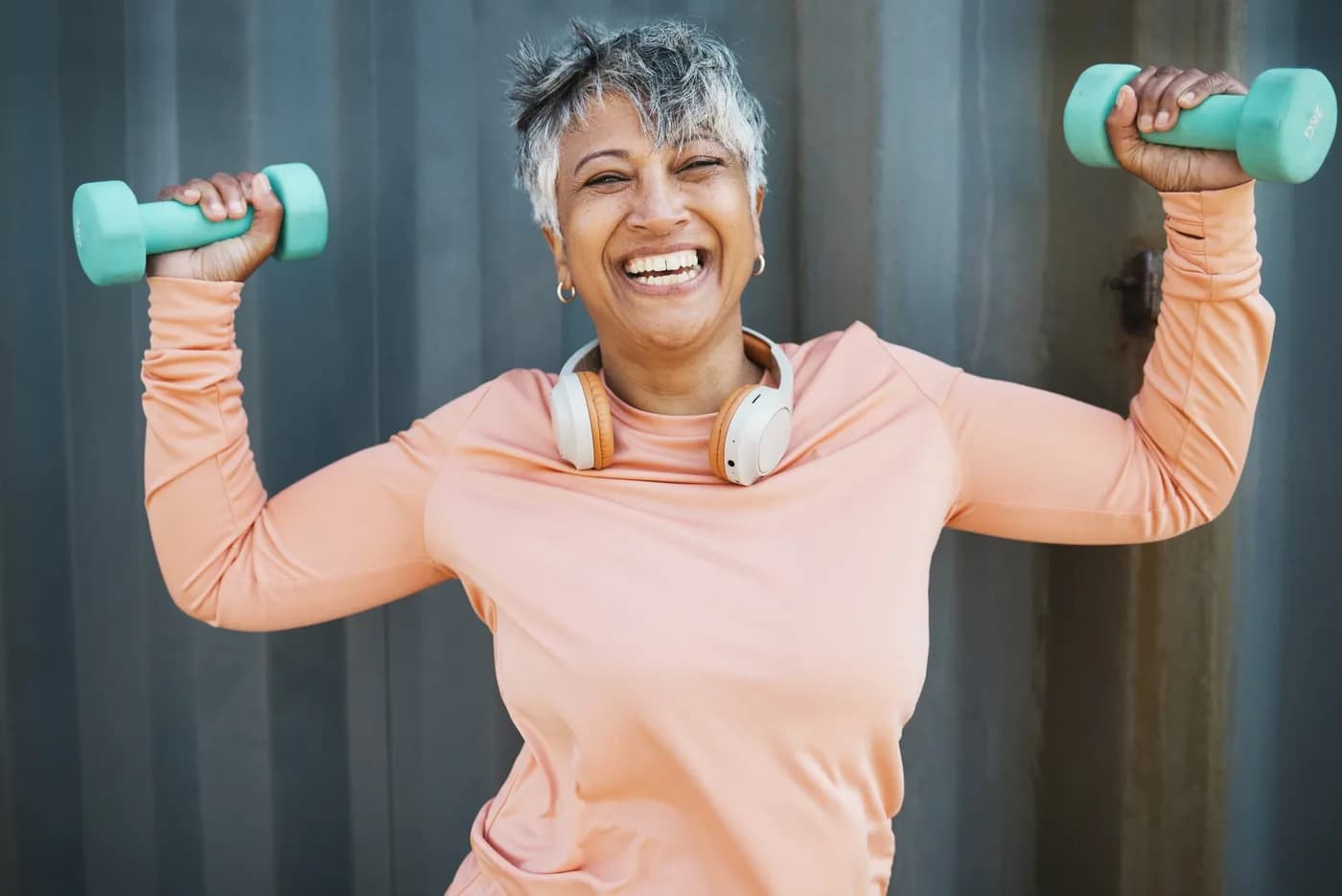
Strength training helps maintain muscle mass and protect bone density through midlife and beyond — consistency matters far more than intensity when starting out. See 6 benefits and how to begin.
Key Takeaways
- After 50, women naturally lose muscle at an accelerated rate called sarcopenia.
- Weight-bearing exercise matters especially post-menopause, when osteoporosis risk rises.
- Strength training supports hormonal regulation, mood, and sleep through menopause.
- A yoga mat, light 2-5 kg dumbbells, and a resistance band are enough to start.
- Aim for two to three sessions a week with at least one rest day in between.
Strength training exercises for women over 50 are one of the most effective tools for maintaining muscle mass, protecting bone density, and staying energetic through midlife and beyond. Whether you've never lifted a weight before or you're returning to exercise after a long break, this guide will walk you through exactly what you need — and why consistency matters far more than intensity when you're starting out.
6 Benefits of Strength Training for Women Over 50
- Slows Muscle Loss After 50, women naturally lose muscle at an accelerated rate — a process called sarcopenia. Regular resistance training helps your body maintain and gradually rebuild lean muscle tissue, supporting everyday strength and independence.
- Supports Bone Health Weight-bearing exercises create stress on bones in a healthy way, signalling the body to maintain bone density. This is especially important post-menopause, when the risk of osteoporosis increases significantly. You can explore how strength training supports bone density in more detail.
- Boosts Metabolism Muscle tissue burns more calories at rest than fat tissue. Building even a small amount of lean muscle through consistent training can help keep your resting metabolism working more efficiently over time.
- Improves Hormonal Balance Exercise — and strength training in particular — supports hormonal regulation during and after menopause. It can help with mood, energy levels, and sleep quality through the natural hormonal changes this life stage brings.
- Enhances Functional Strength Opening jars, climbing stairs, carrying groceries — these everyday tasks rely on functional strength. A regular training routine helps you move better and feel more capable in daily life.
- Builds Confidence and Mental Resilience There is a strong connection between physical strength and mental wellbeing. Women who train consistently often report feeling more in control, less anxious, and more confident in their bodies as they age.
How to Get Started with Strength Training Over 50
What You Need to Begin
You don't need a gym membership or expensive equipment to start. A yoga mat, a pair of light dumbbells (2–5 kg), and a resistance band are more than enough for a beginner. Many effective exercises use only your bodyweight. The most important thing you need is a reliable routine — not gear.
Setting Realistic Goals
Progress at 50+ looks different from progress at 25 — and that's completely fine. Aim for two to three sessions per week with at least one rest day in between. Focus on how you feel, how well you move, and whether you're showing up consistently. Avoid the temptation to overdo it early on; overtraining is one of the most common mistakes beginners make. If you want to understand the broader principles behind building strength, this overview of strength training exercises is a useful starting point.
Start with the Basics
Begin with compound movements — exercises that work multiple muscle groups at once. These give you the most return for your effort and closely mimic natural movement patterns. Bodyweight versions of squats, hinges, pushes, and pulls are ideal for the first four to six weeks before adding any load.
Best Strength Training Exercises for Women Over 50
Bodyweight Squats
Stand with feet shoulder-width apart, lower as if sitting into a chair, then press through your heels to stand. Squats strengthen the quads, glutes, and core simultaneously. Start with 3 sets of 10 reps. Use a chair behind you for support until your confidence builds.
Glute Bridges
Lie on your back with knees bent and feet flat on the floor. Press your hips toward the ceiling, squeezing your glutes at the top. This is one of the safest and most effective exercises for the posterior chain — especially important for women who sit for long periods. Aim for 3 sets of 12 reps.
Modified Push-Ups
Begin on your knees or against a wall if a full push-up feels too demanding. Push-ups build upper body and core strength without loading the spine. As you get stronger, progress to incline push-ups on a bench, then full floor push-ups. Try 3 sets of 8–10 reps.
Dumbbell Rows
Place one hand and knee on a bench or chair for support. Hold a light dumbbell in the opposite hand and pull your elbow back toward your hip. Rows strengthen the upper and mid-back muscles — crucial for posture, which often changes during menopause. Do 3 sets of 10 on each side.
Standing Shoulder Press
Hold light dumbbells at shoulder height with palms facing forward. Press them overhead until your arms are almost straight, then lower with control. This builds shoulder stability and functional overhead strength. Start with 2–3 kg and 3 sets of 10 reps. For more targeted guidance, see strength training for shoulders.
Plank Hold
Support yourself on your forearms and toes (or knees), keeping your body in a straight line from head to hips. The plank activates your entire core without putting stress on your lower back. Begin with 20–30 second holds and build up gradually over weeks.
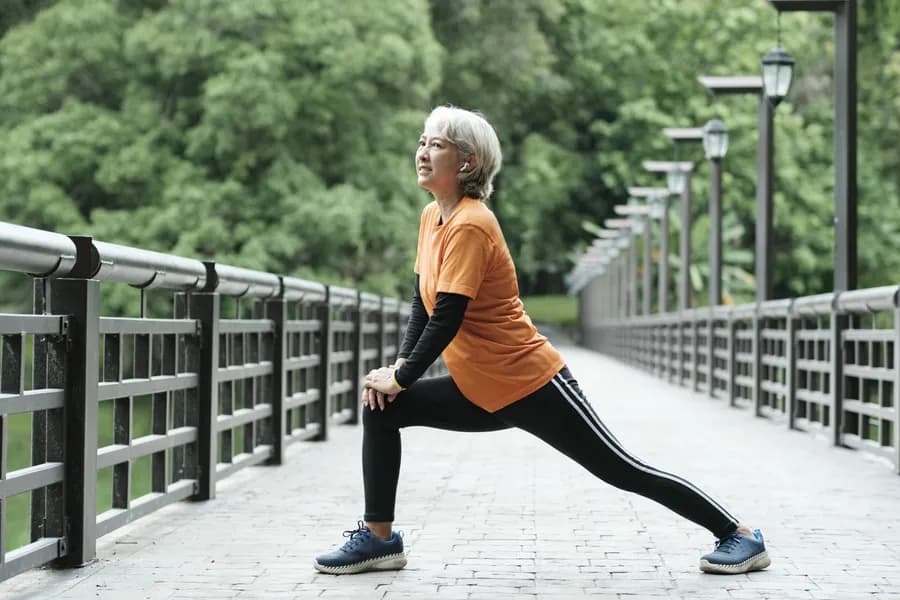
Stationary Lunges
Step one foot forward and lower your back knee toward the floor, then return to standing. Lunges build single-leg strength, balance, and hip stability — all of which tend to decline with age. Do 3 sets of 8–10 reps per leg. Progress to walking lunges once your balance improves.
Common Mistakes to Avoid
- Poor Form Rushing through reps with incorrect form is the fastest route to injury. Prioritise slow, controlled movement over heavy loads. If you're unsure about technique, working with a guided programme or trainer — even online — makes a significant difference.
- Skipping the Warm-Up Joints and connective tissue take longer to warm up after 50. Spend five to eight minutes before each session doing gentle mobility work — hip circles, arm swings, slow bodyweight squats — before loading any movement. This also helps reduce post-workout soreness.
- Overtraining Too Soon More is not always better. Training every single day without adequate recovery doesn't speed up results — it delays them. Muscles adapt and grow during rest, not during the workout itself. Two to three sessions per week with proper sleep and nutrition is the sweet spot for most women in this age group.
- Inconsistency A brilliant workout done once a month produces far less result than a moderate workout done three times a week for three months. The compound benefit of showing up regularly — even on low-energy days — is what creates lasting change. Consistency, not perfection, is the actual goal.
Who Should Try Strength Training Over 50?
- Beginners If you've never done resistance training before, this is a great time to start. Beginners often see the fastest early gains in strength and movement quality because the body adapts quickly to a new stimulus. Bodyweight exercises and light dumbbells provide all the challenge you need in the first few months. A structured beginner's strength training programme can help you build a safe and effective foundation.
- Women Strength training will not make you bulky. Women have significantly lower testosterone levels than men, which means heavy lifting builds a lean, toned physique — not a large one. The hormonal environment of a woman over 50 makes resistance training particularly valuable for managing body composition and energy levels through menopause.
- Older Adults For women in their 60s and beyond, strength training supports balance, reduces fall risk, and helps maintain independence. Begin with lighter loads and a greater focus on stability. Always consult your doctor before starting a new programme if you have existing health conditions — this guide is not a substitute for medical advice.
- Working Professionals If your days are long and desk-bound, strength training is especially relevant. Exercises like rows and shoulder presses directly counteract the postural stress of sitting. Even three 30-minute sessions a week can noticeably reduce tension in the neck and upper back that accumulates from screen time.
Build Strength with a Routine That Actually Works
Building strength after 50 isn't about doing intense workouts — it's about following a structured plan consistently, with the right guidance to protect your joints and build at your own pace. With expert support, you can train effectively from home and feel real progress over time.
What You Get with Habuild's Strong Everyday Program:
- Daily live guided strength and yoga sessions
- Beginner to advanced progression designed for all fitness levels
- No-equipment and home-friendly workouts
- Expert guidance to ensure correct form and safe technique
- A consistent community to keep you showing up
Related reads: Strength Training for Women Over 40: Benefits, Exercises & How to Start · Strength Training Exercises at Home for Women
Maintaining muscle mass and bone density through midlife takes resistance training applied steadily, not in short bursts whenever time allows. For women returning to exercise after years away, a guided plan removes the guesswork about pace, load, and progression. Strong Everyday is built to walk you through that structure step by step, so strength keeps building through this stage of life rather than stalling.
Frequently Asked Questions
Related Articles
Why Is Strength Training Important for Your Health and Life
Strength training builds lean muscle, strengthens bones, boosts metabolism, and improves how your body functions every day. See why it's one of the most evidence-backed investments in long-term health.
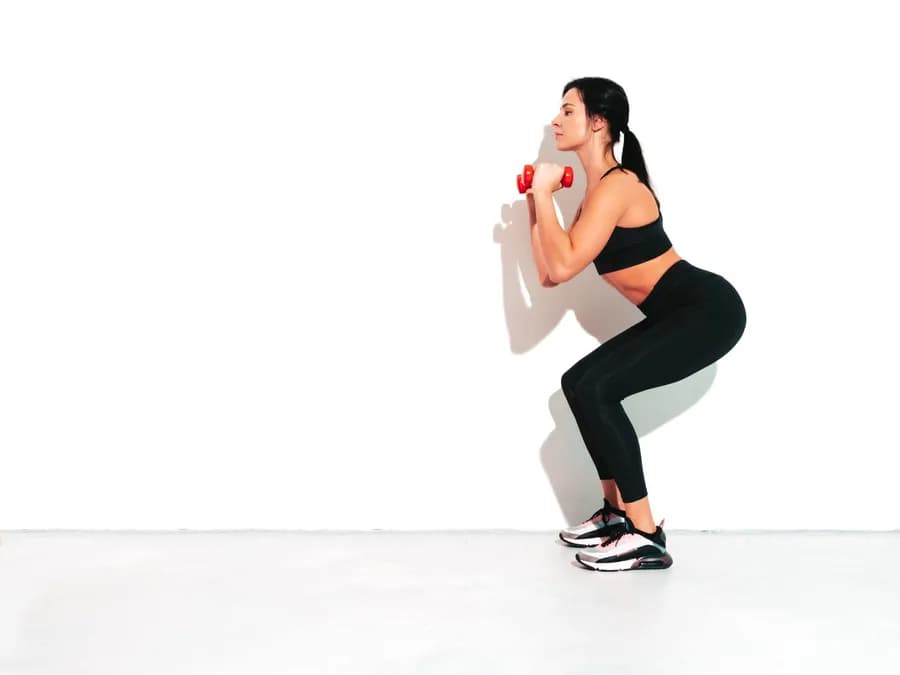
Strength Training at Home: Benefits, Exercises & How to Get Started
Using just your bodyweight and consistent practice, you can build lean muscle and improve body composition entirely from your living room. See the benefits, exercises, and how to start.
Bodyweight Exercises for Beginners: The Complete Guide to Getting Started
Bodyweight exercises use only your own body mass as the load — no gym, no dumbbells, no machines. See the complete guide to building functional strength and endurance.
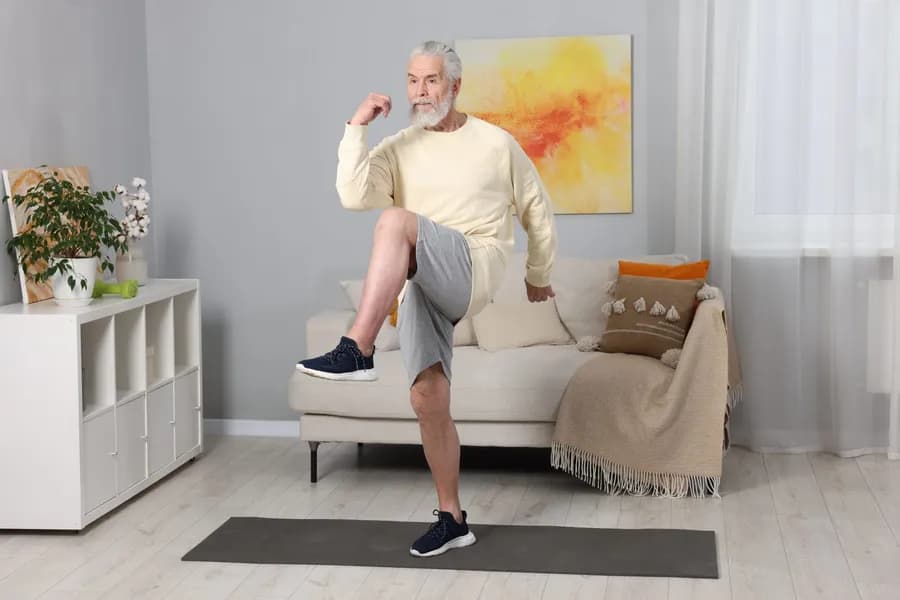
Balance Exercises for Seniors: 10 Best Moves to Improve Stability
Single-leg stands, heel-to-toe walks, and weight shifts strengthen the stabilising muscles that keep older adults steady and less prone to falls. See 10 best moves to build into a routine.

Fitness Routine for Beginners at Home
A structured routine of bodyweight exercises, stretching, and light cardio — just 20-30 minutes a day with a mat — can build real strength within six to twelve weeks. See how to start.