
Why Is Strength Training Important for Your Health and Life
Strength training builds lean muscle, strengthens bones, boosts metabolism, and improves how your body functions every day. See why it's one of the most evidence-backed investments in long-term health.
Key Takeaways
- Muscle tissue burns more calories at rest than fat tissue does.
- Loading the skeleton through resistance stimulates bone remodelling as you age.
- Works through two mechanisms: calories burned during the session and elevated metabolism after.
- Regularly training legs, core, and back creates a natural support system for joints.
- Associated with lower blood pressure and improved cholesterol profiles over time.
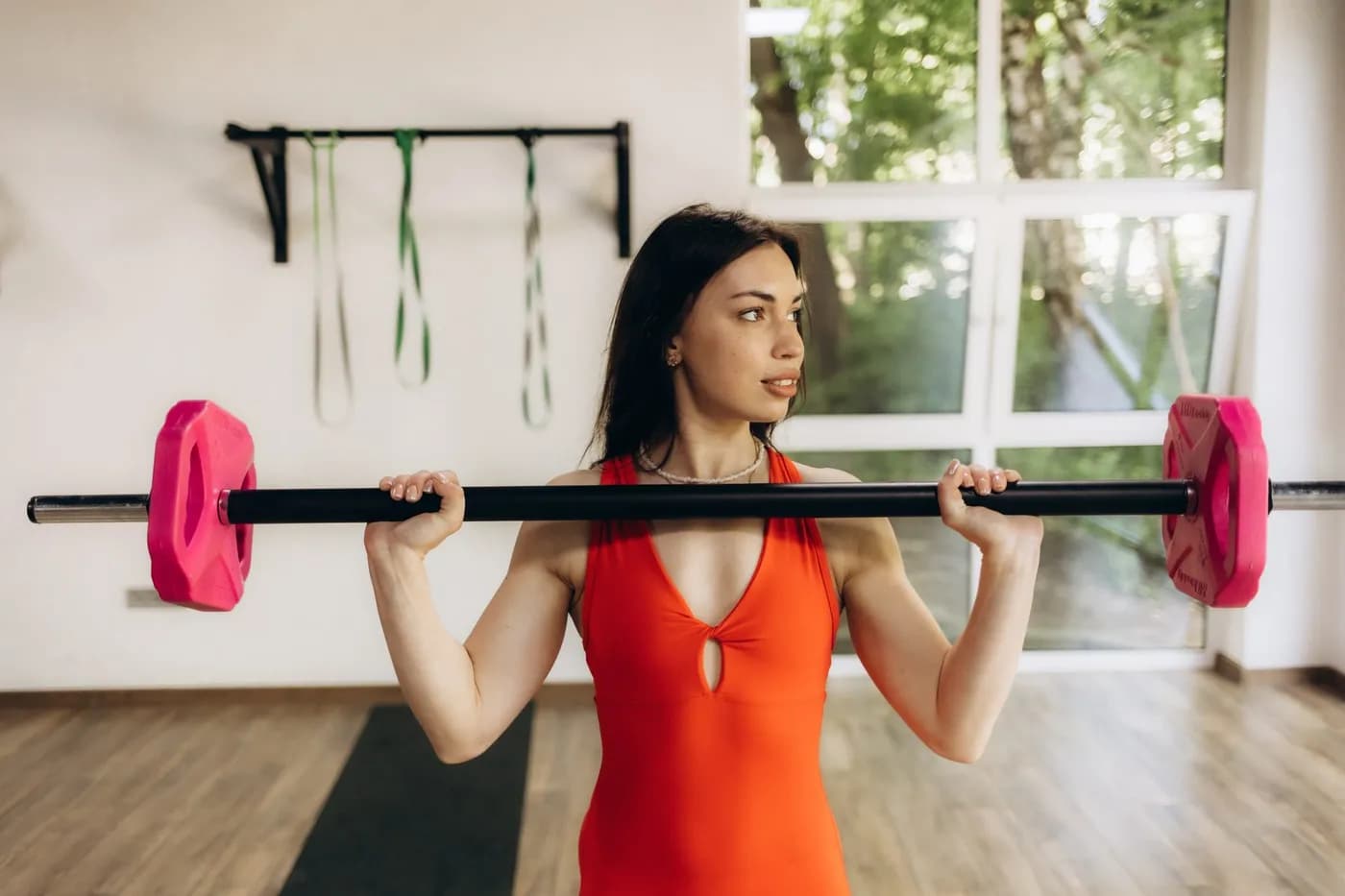
Strength training is important because it builds lean muscle, strengthens bones, boosts metabolism, and improves how your body functions every day. Whether you are a complete beginner or returning after a break, consistent resistance exercise is one of the most effective investments you can make in your long-term health and physical independence.
Understanding why is strength training important goes well beyond building a better physique. It is one of the most evidence-backed ways to improve how your body functions day to day — from carrying groceries without fatigue to maintaining healthy bones well into your 60s. Whether you are new to fitness or looking to add structure to your routine, this guide covers everything you need to know to get started with confidence.
10 Benefits of Strength Training
- Builds Lean Muscle Consistent resistance work signals your muscle fibres to grow and repair. Over weeks of regular training, this leads to a leaner, more defined body composition — even without dramatic weight changes on the scale.
- Boosts Metabolism Muscle tissue burns more calories at rest than fat tissue does. Building even a modest amount of lean muscle can meaningfully raise your resting metabolic rate, supporting long-term metabolic health over time.
- Improves Bone Density Loading the skeleton through resistance exercise stimulates bone remodelling. This is especially valuable for women and older adults who are at higher risk of bone thinning as they age.
- Enhances Functional Strength Movements like squats, hinges, and pushes mirror the patterns you use in real life. Training them regularly means daily tasks — climbing stairs, lifting children, sitting and standing — feel noticeably easier.
- Supports Fat Loss Strength training works through two mechanisms: calories burned during the session and the elevated metabolic rate that follows. Combined with reasonable nutrition, it is one of the most efficient tools for managing body composition.
- Reduces Injury Risk Stronger muscles protect the joints around them. Regularly training your legs, core, and back creates a natural support system that helps prevent common strains and overuse injuries.
- Improves Posture Weak back and core muscles are a leading cause of the rounded shoulders and forward head posture that desk workers commonly develop. Targeted strength work can help you gradually correct these imbalances.
- Supports Heart Health Regular resistance training is associated with lower blood pressure, improved cholesterol profiles, and better overall cardiovascular function — benefits that complement any cardio routine you already follow.
- Lifts Mood and Mental Clarity Strength sessions trigger the release of endorphins and other mood-regulating chemicals. Many people report feeling more focused and less anxious on days they train consistently.
- Builds Daily Confidence There is a psychological shift that happens when you realise your body is becoming capable of things it could not do before. That sense of earned competence tends to carry into every other part of life.
How to Get Started with Strength Training
What You Need to Begin
The honest answer is: very little. A yoga mat and your own bodyweight are enough for a genuine beginner programme. Exercises like push-ups, squats, lunges, and planks require no equipment at all and deliver real results when performed with good form.
If you are looking for structured, expert-guided sessions from home, beginner-friendly strength programmes can eliminate guesswork and keep your form safe from day one.
Setting Realistic Goals
Expect gradual, cumulative progress — not overnight transformation. A useful first goal is simply showing up consistently three times per week for four weeks. Strength and body-composition changes follow from the habit, not the other way around. Avoid the temptation to train every day at the start; rest and recovery are when the actual adaptation happens.
Start with the Basics
Master a small handful of foundational movements before adding complexity. A solid beginner session might include bodyweight squats, knee or full push-ups, a hip hinge like a glute bridge, and a plank hold. Three sets of 10–12 repetitions per exercise, two to three times per week, is a reliable starting point that most people can sustain without overreaching.
Best Exercises for Strength Training

Squats
The squat is the single most complete lower-body exercise available. It trains your quads, hamstrings, glutes, and core simultaneously. Begin with bodyweight squats: feet hip-width apart, chest tall, lower until your thighs are roughly parallel to the floor. Aim for 3 sets of 10–15 reps.
Push-Ups
Push-ups develop the chest, shoulders, and triceps while also requiring core stability throughout the movement. If a full push-up is not yet accessible, start from your knees and build from there. Work towards 3 sets of 8–12 reps.
Lunges
Lunges train each leg independently, which helps identify and correct strength imbalances between sides. Step forward with control, lower your back knee towards the floor, then push back to standing. Try 3 sets of 10 reps per leg.
Plank
Understanding why core workouts are important starts with the plank. It builds endurance in the deep stabilising muscles of the abdomen, lower back, and hips — the foundation for virtually every other movement you do. Hold a forearm or full plank for 20–45 seconds, 3 rounds.
Glute Bridge
Lie on your back with knees bent, feet flat on the floor. Drive your hips upward by squeezing your glutes at the top. This movement activates the posterior chain — glutes, hamstrings, and lower back — which tends to be underworked in people who sit for most of the day. Perform 3 sets of 12–15 reps.
Dumbbell or Resistance Band Row
Rowing movements target the mid-back muscles that support upright posture. Hinge at the hips, keep your back flat, and pull the weight or band towards your lower ribcage. Three sets of 10–12 reps on each side builds the back strength that counteracts hours at a desk.
Hollow Body Hold
This is one of the best exercises for developing the core strength that underpins every other lift. Lie on your back, press your lower back into the floor, lift your legs and shoulders slightly, and hold. Start with 15–20 second holds and build from there. It directly answers why building muscle in your core matters for long-term performance.
Common Mistakes to Avoid
- Poor Form Loading a movement your body has not yet learned is the fastest route to an unnecessary injury. Spend the first few weeks of training prioritising technique at low intensity before adding any resistance. If you are unsure about a movement pattern, working with a guided programme or a qualified coach is well worth it.
- Skipping Warm-Up A five to ten minute warm-up — light cardio, dynamic stretches, and activation work — prepares your joints and nervous system for the demands ahead. Skipping it significantly increases the risk of muscle pulls and reduces the quality of the session itself.
- Overtraining More is not always better. Training the same muscle groups on consecutive days without adequate recovery prevents the adaptation that actually builds strength. Two to three full-body sessions per week, with rest days in between, is optimal for most beginners and intermediates.
- Inconsistency The single biggest factor separating people who see results from those who do not is consistency over time. One great week followed by two weeks off produces far less progress than three modest sessions every week for three months. The routine matters more than the intensity.
Who Should Try Strength Training?
- Beginners Strength training is arguably most valuable at the start of a fitness journey. The barrier to entry is low — no gym, no heavy weights, no prior experience required. Beginners also tend to see the fastest initial gains because the body responds strongly to new stimuli. Starting simple and staying consistent is the entire playbook.
- Women The myth that lifting weights makes women bulky has been comprehensively disproved. Women have significantly lower testosterone levels than men, which means resistance training builds a leaner, more toned physique rather than adding bulk. Strength training for women is one of the most effective ways to improve body composition, support hormonal balance, and maintain bone density.
- Older Adults Muscle mass naturally declines with age — a process called sarcopenia — and bone density follows a similar trajectory. Resistance training is the most effective tool to slow both. If you are over 50 or managing a joint condition, starting with gentle, low-load exercises and working with guidance is advisable. Always consult your doctor before beginning any new exercise programme if you have existing health concerns.
- Working Professionals Long hours at a desk create tight hip flexors, weak glutes, rounded shoulders, and persistent upper back tension. A targeted 30-minute strength session three times a week can meaningfully counteract these postural patterns. The time investment is modest; the return on daily comfort and energy levels is substantial.
Build Strength with a Routine That Actually Works
Building strength is not about doing random workouts — it is about consistency, guidance, and following a structured plan. With the right support, you can train effectively from home and see real progress over time. Habuild’s Strong Everyday programme is designed to remove the barriers that derail most fitness efforts: confusion about what to do, poor form, and lack of accountability.
- Daily live guided strength sessions with real instructors
- Beginner to advanced progression — no experience needed
- No-equipment and home-friendly workouts
- Expert cues to help you maintain correct form throughout
- A consistent community so you never feel like you are doing it alone
Explore more on why strength training is important and how to build it into your daily life, or browse our full body strength training options to find the right fit for your goals.
Related reads: Why Strength Training is Important: 8 Reasons it Changes Your Life · What Are the Benefits of Strength Training? 7 Evidence-Based Benefits That Transform Health
Strength training earns its reputation as one of the best health investments only when it’s done consistently — lean muscle, bone density, and metabolism all respond to resistance training applied over months, not weeks. Getting that consistency right on your own, especially after a break, is often the hardest part. Habuild’s Strong Everyday program provides the guided structure to keep that resistance work going long enough for the benefits to show.
Frequently Asked Questions
Related Articles

Strength Training Kya Hota Hai — पूरी जानकारी हिंदी में
Strength training में मांसपेशियों पर प्रतिरोध डालकर उन्हें मज़बूत बनाया जाता है — बिना उपकरण के घर पर भी संभव। जानें strength training क्या है, इसके फायदे, और शुरुआत कैसे करें।
Strength Training at Home: Benefits, Exercises & How to Get Started
Using just your bodyweight and consistent practice, you can build lean muscle and improve body composition entirely from your living room. See the benefits, exercises, and how to start.

Can Strength Training Burn Fat? Here’s How It Works
Building lean muscle raises the calories your body burns even at rest, creating a sustained calorie deficit over time — a different mechanism than cardio alone. See exactly how it works.

Bodyweight Exercises for Beginners: The Complete Guide to Getting Started
Bodyweight exercises use only your own body mass as the load — no gym, no dumbbells, no machines. See the complete guide to building functional strength and endurance.
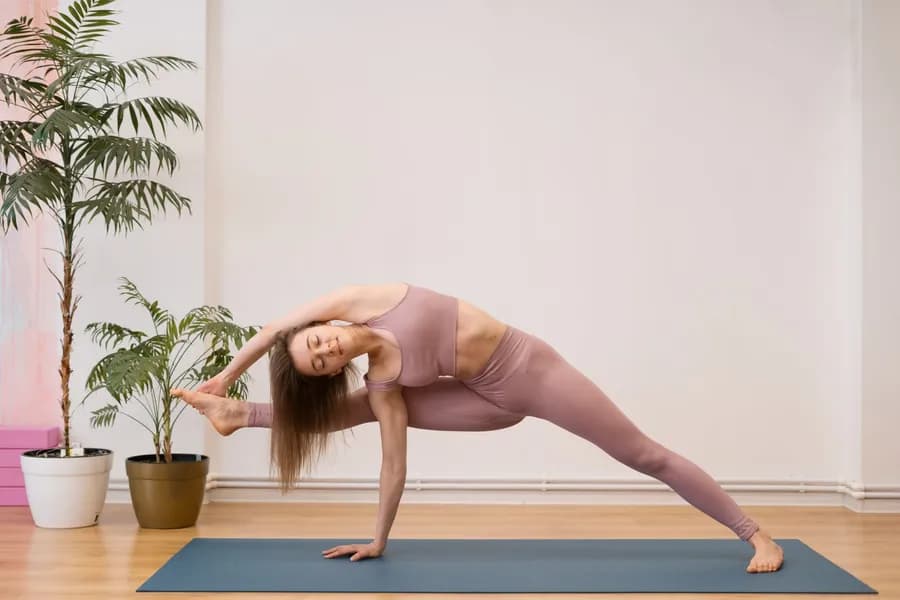
Exercise at Home for Beginners: Your Complete Guide to Getting Started
A simple routine of squats, push-ups, planks, and lunges, done three to four times a week, is enough to produce measurable progress in the first month. See how to get started.

Strength Training Exercises for Women Over 50
Strength training helps maintain muscle mass and protect bone density through midlife and beyond — consistency matters far more than intensity when starting out. See 6 benefits and how to begin.