
Types of Physical Fitness Exercises: Complete Guide
Explore all types of physical fitness exercises — from strength to flexibility. Find the right category for your goals and start your journey today.

Key Takeaways
- The five core types are aerobic, strength, muscular endurance, flexibility, and balance training.
- A well-rounded routine draws from at least three categories, progressing gradually over weeks.
- Particularly valuable for women over 35 and older adults who face higher bone-related risk.
- Aerobic exercise like walking, cycling, and dance strengthens the heart and improves lung capacity.
- A realistic short-term goal is completing 10 consistent sessions before reassessing.
- A clear space of about 6×4 feet is enough to begin bodyweight strength or mobility work.
The five core types of physical fitness exercises are aerobic training, muscular strength training, muscular endurance training, flexibility training, and balance or stability training. A well-rounded routine draws from at least three of these categories and progresses gradually over weeks of consistent practice.
Understanding the different types of physical fitness exercises is the first step toward building a routine that actually works for your body and your goals. Whether you want to build strength, improve stamina, or simply move better every day, there is a category of exercise designed exactly for that. This guide breaks down every major form of physical exercise so you can choose with confidence — and start practicing with purpose.
5 Key Benefits of Physical Fitness Exercises
- Builds Lean Muscle and Functional Strength Resistance-based exercises — bodyweight, dumbbells, or resistance bands — stimulate muscle fibres and help your body develop lean muscle over time. This is especially important as you age, since muscle mass naturally declines without regular training. Understanding what strength training exercises involve is a great starting point if you are new to this category.
- Boosts Metabolic Rate Strength and high-intensity exercises raise your resting metabolic rate, meaning your body continues burning energy long after the session ends. Combined with consistent practice, this supports better weight management over weeks and months.
- Improves Bone Density Weight-bearing exercises place healthy stress on bones, stimulating them to grow denser and stronger. This is particularly valuable for women over 35 and older adults who face a higher risk of bone-related conditions.
- Enhances Cardiovascular Health Aerobic forms of physical exercise — walking, cycling, jogging, or dance — strengthen the heart muscle, improve lung capacity, and support healthy blood pressure levels when practiced regularly.
- Supports Mental Wellbeing Regular physical activity across all categories triggers the release of endorphins and reduces stress hormones. Over time, many people report better sleep, improved focus, and a more stable mood as consistent by-products of daily movement.
How to Get Started with Physical Fitness Exercises
What You Need to Begin
The good news: most categories of physical fitness require very little equipment to start. A yoga mat, comfortable clothing, and a clear space of about 6×4 feet is enough to begin bodyweight strength training, stretching, yoga, or mobility work. You do not need a gym membership on day one. This guide on the best exercises for strength at home offers a practical no-equipment starting point.
Setting Realistic Goals
The biggest mistake beginners make is chasing too much too soon. Start with two to three sessions per week, focus on learning correct form, and build duration gradually. A realistic short-term goal might be completing 10 consistent sessions before reassessing. Progress compounds quietly — but it does compound.
Start with the Basics
For most beginners, a mix of light aerobic activity (brisk walking), fundamental strength movements (squats, push-ups, planks), and gentle flexibility work (yoga or stretching) covers all the major categories of physical fitness. Starting broad and then specialising is far more sustainable than jumping straight into advanced programmes.
Best Exercises Across All Types of Physical Fitness
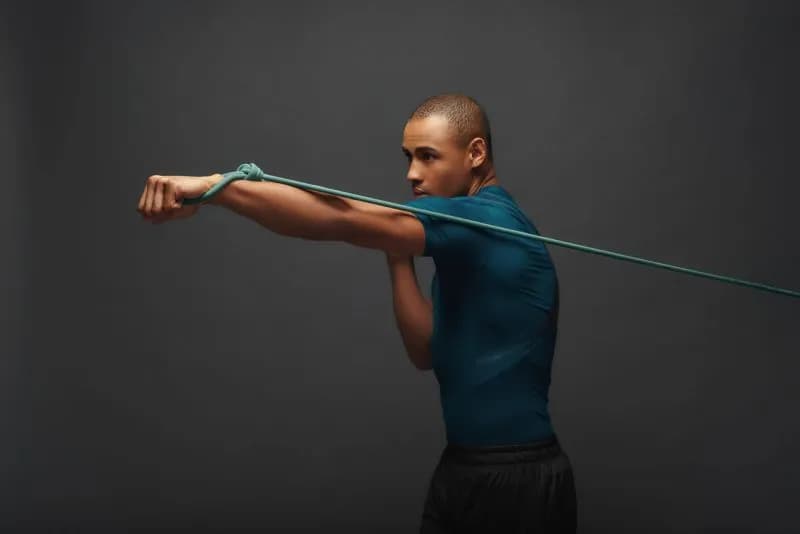
These seven movements appear consistently across every credible fitness programme because they target multiple muscle groups, require minimal equipment, and scale well from beginner to advanced levels.
Squats
The squat is a foundational lower-body movement that trains the quadriceps, hamstrings, glutes, and core simultaneously. Begin with bodyweight squats — feet shoulder-width apart, weight in your heels, chest upright — for 3 sets of 12–15 reps.
Push-Ups
Push-ups build chest, shoulder, and tricep strength while also engaging the core for stabilisation. Beginners can start on their knees and progress to full push-ups. Aim for 3 sets of 8–12 reps, keeping the spine neutral throughout.
Lunges
Lunges develop single-leg strength, balance, and hip mobility — all critical for functional movement in daily life. Perform 3 sets of 10 reps per leg, stepping forward slowly and keeping the front knee tracking over the second toe.
Plank
The plank is one of the most effective core stability exercises across all categories of physical fitness. It trains the deep abdominal muscles, lower back, and shoulder girdle simultaneously. The full range of plank exercise benefits goes well beyond aesthetics — it directly improves posture and supports lower back health. Hold for 20–40 seconds to start, 3 rounds.
Glute Bridge
Lying on your back with knees bent, drive your hips upward by squeezing your glutes. This movement activates the posterior chain — glutes, hamstrings, and lower back — which is often underworked in people who sit for long hours. Perform 3 sets of 15 reps.
Mountain Climbers
Mountain climbers bridge strength and cardio in a single movement, training core stability while elevating the heart rate. Starting in a high plank, alternate driving each knee toward the chest at a controlled pace. Perform 3 sets of 20 reps (10 per side).
Resistance Band Rows
Rows are the horizontal pulling pattern that balances the pushing strength developed by push-ups. Using a resistance band anchored at door height, pull the handles toward your torso while keeping elbows close to your sides. This builds upper back strength and directly supports better posture. Learning what resistance exercises are can help you programme these movements effectively.
Common Mistakes to Avoid
- Poor Form Rushing through movements with incorrect technique is the fastest route to injury and the slowest route to results. Learn the movement pattern first — even at low intensity — before adding load or speed. Video feedback or a live coach accelerates this learning curve significantly.
- Skipping the Warm-Up A 5–8 minute warm-up raises core body temperature, increases joint lubrication, and primes the nervous system for the session ahead. Skipping it consistently leads to tightness, micro-tears, and stalled progress. Dynamic movements like leg swings, arm circles, and light marching are effective and take very little time.
- Overtraining Without Recovery More is not always better. Muscle and fitness adaptations happen during rest, not during the session itself. Training seven days a week without adequate sleep and nutrition often leads to fatigue, declining performance, and loss of motivation. Two rest or active recovery days per week are not laziness — they are part of the programme.
- Inconsistency The most common reason people do not see results from any type of physical fitness exercise is not the wrong programme — it is inconsistency. Sporadic intense sessions deliver far less benefit than moderate regular sessions practiced daily. Habit architecture matters more than workout selection at the early stage.
Who Should Try Physical Fitness Exercises?
- Beginners If you have never followed a structured fitness routine, the barrier to entry is lower than you think. Start with 20–25 minute sessions three times a week. Focus entirely on bodyweight movements and basic aerobic activity. No prior experience is needed — just the willingness to show up consistently.
- Women A common misconception is that strength-based forms of physical exercise will make women look bulky. In practice, women have significantly lower testosterone levels than men, which makes large muscle hypertrophy unlikely without very specific and extreme training. What strength training does offer women is a leaner, more toned appearance, stronger bones, and better hormonal balance. Strength training for overall fitness is a practical next step for women looking to start.
- Older Adults For adults over 50, regular physical activity — particularly resistance training and flexibility work — supports bone density, joint mobility, and balance, all of which decline naturally with age. Low-impact options like yoga, walking, and resistance bands are gentle enough to begin safely. Always consult your physician before starting a new exercise programme if you have existing health conditions.
- Working Professionals Desk-based work creates specific physical imbalances: tight hip flexors, rounded shoulders, and weakened glutes. Many categories of physical fitness — particularly yoga, bodyweight strength, and mobility training — address these patterns directly and can be completed in 30 minutes or less from home, without commuting to a gym.
Build Strength with a Routine That Actually Works
Building physical fitness is not about doing random workouts — it is about consistency, guidance, and following a structured plan designed to progress with you. With the right support, you can train effectively from home and build real, lasting fitness habits over time.
What you get with Habuild's Strong Everyday Programme:
- Daily live guided strength and yoga sessions
- Beginner to advanced progression built into the schedule
- No-equipment and home-friendly workouts across multiple categories of physical fitness
- Expert guidance on correct form so every rep counts
- Community support to keep you consistent on difficult days
Related reads: What Is Physical Fitness? Benefits, Exercises & How to Start · 20 Different Types of Exercises at Home
Covering every category of fitness — strength, flexibility, endurance — sounds great on paper, but the results show up only when those categories are trained in a deliberate rotation, not squeezed in unevenly. Finding that right mix on your own can get overwhelming fast. Habuild's Strong Everyday takes care of that balance, guiding you through a well-rounded routine so no area of your fitness gets left behind.
Frequently Asked Questions
Related Articles

What Is Physical Fitness? Benefits, Exercises & How to Start
What is physical fitness? Discover 10 science-backed benefits of exercise, best moves to try, and how Habuild helps you build lasting fitness habits. Start for 14-day free trial.
What Is Functional Strength Training? Benefits, Exercises & Tips
Discover what is functional strength training, its top benefits, best exercises, and how to get started. Try Habuild's guided program with a 14-day free trial.
Types of Leg Workouts: Build Strength & Stability
Discover the best types of leg workouts to build strength, improve stability, and boost performance. Start your 14-day free trial trial with Habuild today.
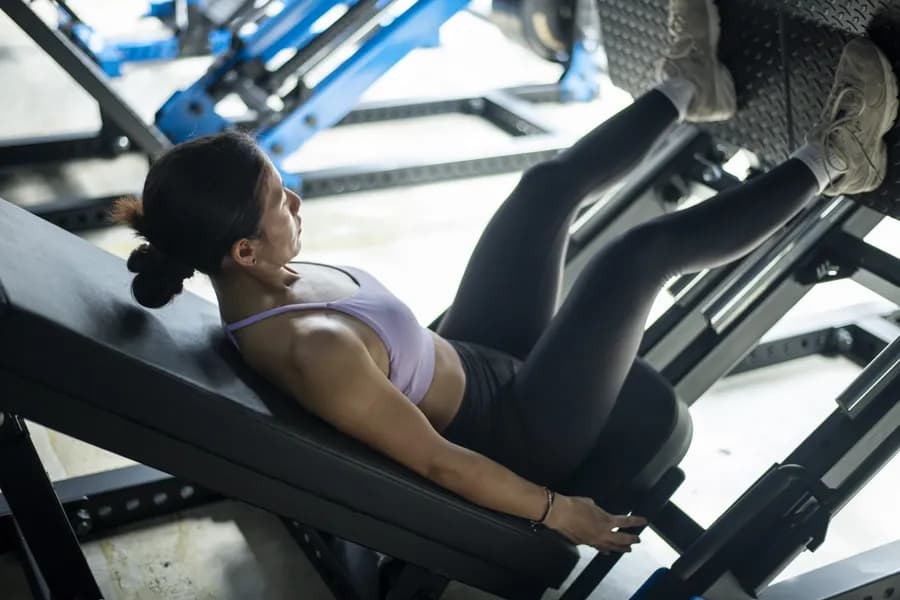
What Is a Leg Press? Benefits, Form & Home Alternatives
Learn what a leg press is, how it works, and the best home alternatives including squats and Bulgarian split squats. Start your 14-day free trial free trial today.
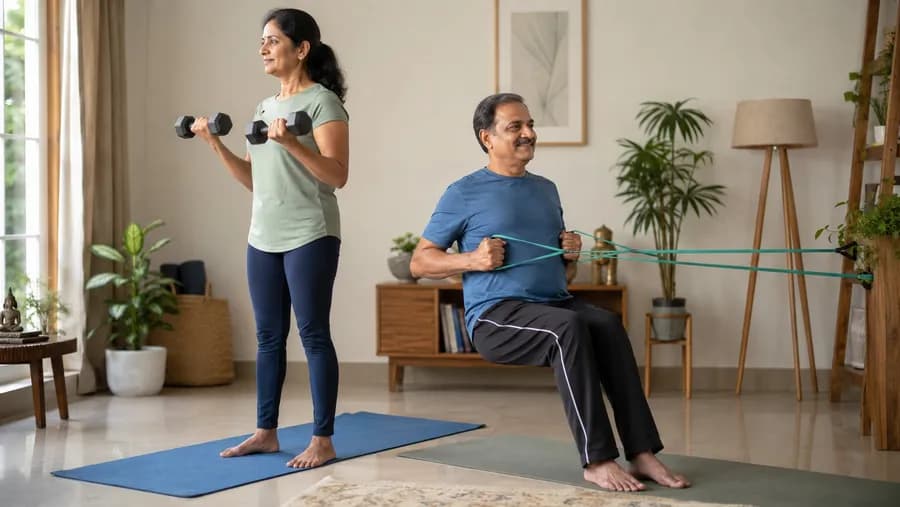
Strength Training vs Resistance Training: Key Differences
Strength training vs resistance training — what's the difference? Explore benefits, exercises, and how to start. Try Habuild for 14-day free trial.