
Strength Training vs Resistance Training: Key Differences
Strength training vs resistance training — what's the difference? Explore benefits, exercises, and how to start. Try Habuild for 14-day free trial.
Key Takeaways
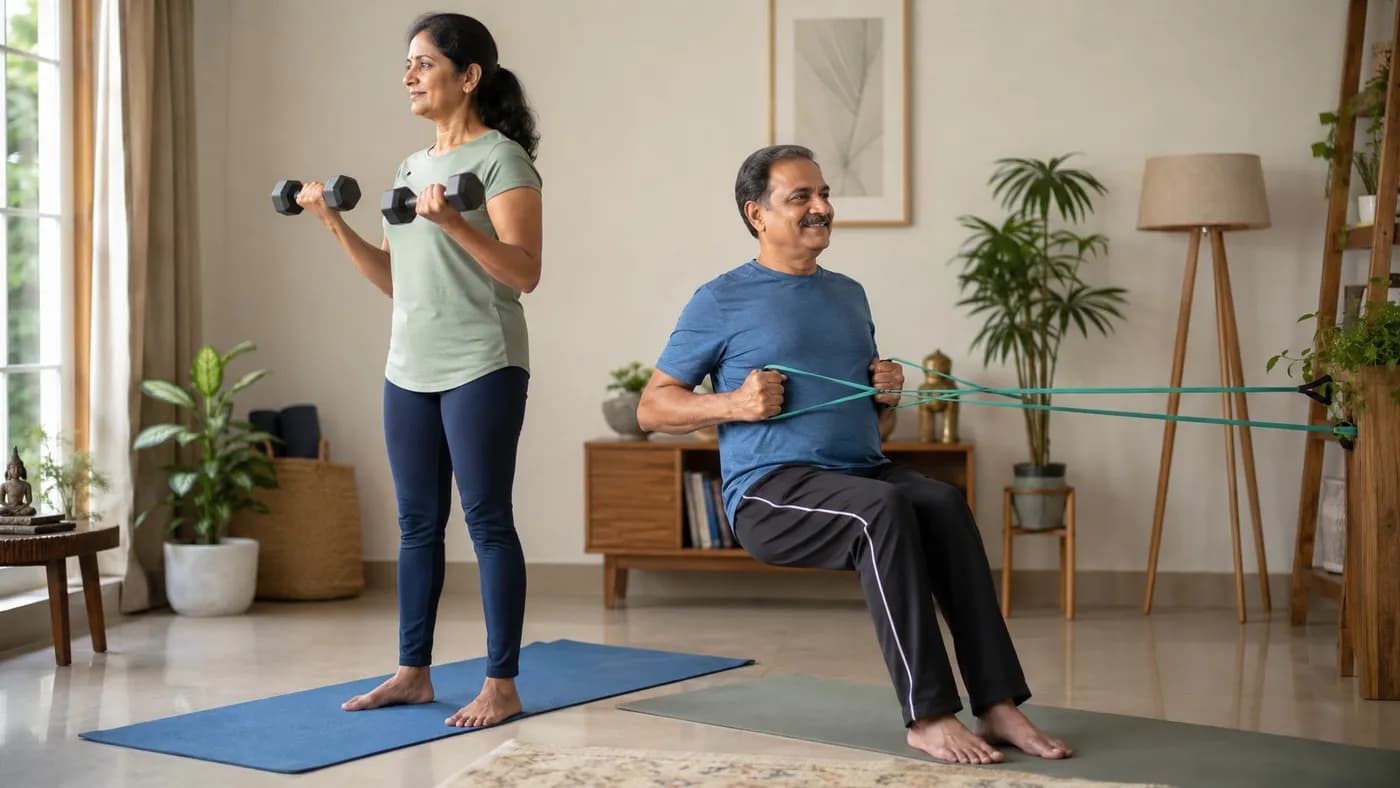
- Resistance training is the broad category – any exercise where muscles work against resistance.
- Strength training is a specific subset focused on maximum force output using heavier loads.
- Power training builds the ability to exert force quickly – power equals strength times speed.
- Strength training typically uses heavier loads for 3-6 reps per set, resistance training 8-20+.
- Weightlifting with barbells and dumbbells is one form of resistance training, not the whole picture.
- Strength training needs longer rest between sets, 2-4 minutes, for full neuromuscular recovery.
Strength training and resistance training are related but distinct. Resistance training is the broad category — any exercise where muscles work against an opposing force. Strength training is a specific subset focused on progressively building maximum force output using heavier loads and lower rep ranges. Understanding the difference helps you train smarter and build a routine that actually delivers results.
If you’ve ever searched for a workout plan and found yourself confused about strength training vs resistance training, you’re not alone. These two terms are often used interchangeably — but they’re not exactly the same thing. This guide breaks down both approaches, compares their benefits, explains who each suits best, and shows you how to get started without any guesswork.
10 Key Differences Between Strength Training and Resistance Training
What Is Resistance Training?
Resistance training is the broader category. Any exercise that makes your muscles work against an opposing force — bands, bodyweight, free weights, machines, even water — qualifies as resistance training. The goal can range from muscle endurance to fat loss to general fitness.
What Is Strength Training?
Strength training is a specific type of resistance training where the primary goal is building maximal force output. The focus is on progressive overload: gradually increasing the challenge so your muscles grow stronger over time. Think heavy compound lifts, structured sets, and deliberate progression.
Is Resistance Training the Same as Weightlifting?
Not quite. Weightlifting (using barbells and dumbbells) is one form of resistance training, but resistance training also includes bodyweight exercises, resistance bands, cable machines, and more. Weightlifting is a subset, not the whole picture.
Difference Between Power and Strength Training
Strength training builds the ability to exert maximum force. Power training builds the ability to exert that force quickly — think explosive jumps, sprints, or medicine ball throws. Power = strength × speed. Most beginners benefit from building a strength base before adding power-focused work.
Goal Orientation
Resistance training can target endurance (higher reps, lower load), hypertrophy (moderate reps and load), or strength (lower reps, heavier load). Strength training specifically targets that last category as its primary outcome.
Load and Rep Range
Strength training typically uses heavier loads for 3–6 reps per set. Resistance training covers a wider rep spectrum — anywhere from 8 to 20+ reps depending on the goal.
Equipment Requirements
Resistance training can be done with zero equipment (bodyweight squats, push-ups, planks). Strength training ideally uses progressive resistance — dumbbells, barbells, or resistance bands that can be increased incrementally.
Rest Periods
Strength training needs longer rest between sets (2–4 minutes) to allow full neuromuscular recovery. Resistance training for endurance or conditioning uses shorter rest (30–90 seconds).
Who Each Approach Suits
Resistance training is accessible to virtually everyone — beginners, seniors, those recovering from injury. Strength training suits those with a basic fitness base who want to systematically increase what their body can handle.
Long-Term Outcomes
Both approaches build muscle, support bone density, and improve metabolism. Strength training tends to produce greater gains in raw force output. Resistance training offers more flexibility to target endurance, fat loss, or functional fitness. For most people, the best programme combines both principles. Understanding how strength training compares to weight training can help you refine your approach further.
How to Get Started with Strength and Resistance Training
What You Need to Begin
You don’t need a gym membership or a rack of dumbbells to start. Bodyweight exercises — push-ups, squats, lunges, and planks — are legitimate resistance training tools. A pair of resistance bands adds variety and progressive challenge without taking up space. The most important thing is showing up consistently.
Setting Realistic Goals
Don’t aim to lift heavy in week one. Focus on movement quality first. Pick two or three sessions per week, give yourself a full day of rest between them, and track your reps over time. Progress will come naturally when the habit is solid. Rushing this phase is the single biggest reason people quit early.
Start with the Basics
For absolute beginners, a simple push-pull-legs structure works well. Push exercises (push-ups, overhead press) train chest and shoulders. Pull exercises (rows, band pull-aparts) train back and biceps. Leg exercises (squats, lunges) cover the lower body. Add a daily core circuit and you have a complete programme.
If you want structured guidance without figuring it out alone, a curated list of the best strength exercises for home practice is a solid starting point.
Best Exercises for Strength and Resistance Training
Squats
The squat trains quadriceps, hamstrings, glutes, and core in a single movement. For beginners, bodyweight squats are enough. Progress to goblet squats or barbell back squats over time. Aim for 3 sets of 8–12 reps to start.
Push-Ups
One of the most effective upper-body resistance exercises, requiring no equipment at all. Push-ups build chest, shoulders, and triceps while demanding core stability. Modify by elevating your hands if full push-ups are too challenging initially. Progress toward archer push-ups or weighted variations as you get stronger.
Dumbbell or Band Rows
Pulling movements are often neglected but critical for balanced posture and back health. A single-arm dumbbell row or a seated resistance band row strengthens the lats, rhomboids, and rear deltoids. 3 sets of 10–12 reps per side is a good baseline.
Lunges
Lunges develop unilateral (single-leg) strength, which carries over to walking, climbing stairs, and sport. Forward lunges, reverse lunges, and walking lunges each challenge the muscles slightly differently. Start with bodyweight and add load when your balance and form are solid.
Plank
The plank is a foundational anti-extension core exercise. Hold for 20–30 seconds initially and build toward 60 seconds over several weeks. Correct form matters more than duration: neutral spine, glutes engaged, shoulders directly over wrists.
Hip Hinge / Deadlift Pattern
Learning to hinge at the hips — not the lower back — is one of the most important movement patterns for long-term health. Romanian deadlifts with light dumbbells or a resistance band teach the pattern safely. 3 sets of 8 reps at a conservative weight is the right starting point.
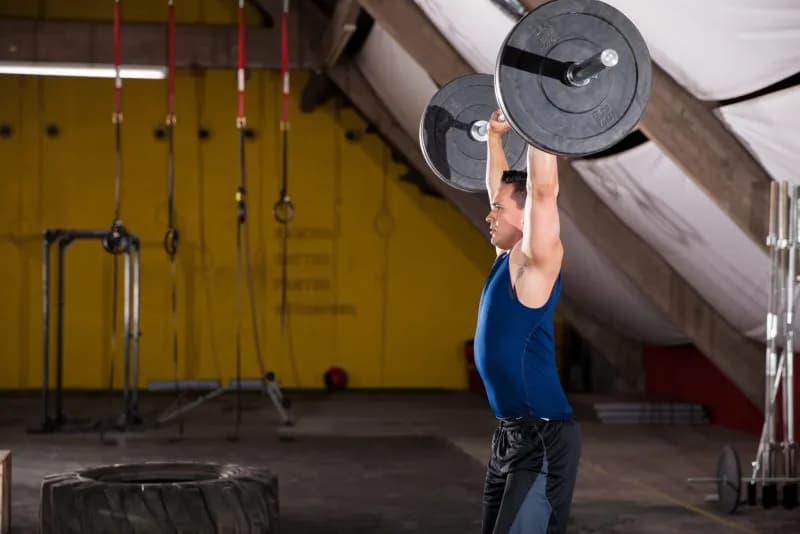
Overhead Press
Pressing a load overhead builds shoulder strength, upper back stability, and core bracing ability simultaneously. Use dumbbells, a barbell, or a resistance band. 3 sets of 10 reps. Keep the core tight and avoid excessive arching through the lower back.
Common Mistakes to Avoid
- Poor Form — Chasing heavier loads before your movement pattern is solid is the fastest route to a setback. Every rep at bad form teaches your body the wrong motor pattern. Slow down, reduce the load, and prioritise quality over quantity — especially in the first four to six weeks.
- Skipping the Warm-Up — Cold muscles are less pliable and less responsive. Five to ten minutes of dynamic movement — leg swings, arm circles, cat-cow, hip circles — prepares your joints and raises core temperature before you load them. Skipping this step is a false economy of time.
- Overtraining — More sessions does not mean faster progress. Muscles adapt during rest, not during the workout itself. Training the same muscle group on back-to-back days without adequate recovery leads to fatigue accumulation, not strength gains. Two to three sessions per week with at least one rest day in between is the right cadence for most beginners.
- Inconsistency — The biggest gap between people who see results and those who don’t isn’t the programme — it’s the habit. A mediocre plan done consistently every week outperforms a perfect plan done sporadically. Building a reliable approach to improving muscle strength is less about intensity and more about showing up regularly.
Who Should Try Strength and Resistance Training?
- Beginners — If you have never trained before, resistance training is one of the most forgiving places to start. Bodyweight movements carry low injury risk, require no equipment, and produce real strength gains in the first few months. The entry barrier is genuinely low — you just need floor space and 30 minutes.
- Women — A persistent myth holds that strength training causes women to become bulky. It doesn’t. Women have significantly lower testosterone levels than men, which means the hormonal environment for large muscle mass simply isn’t there. What strength training does produce is a leaner, more defined physique, improved bone density, and a faster resting metabolism. Strength training designed specifically for women addresses these goals directly.
- Older Adults — Bone density declines naturally with age, and resistance training is one of the most evidence-supported ways to slow that process. It also improves balance and functional mobility, reducing fall risk. If you’re over 50 or managing a joint condition, start with low-load exercises and focus on range of motion before adding resistance. Always work within your comfort range and consult your doctor if you have existing conditions.
- Working Professionals — Most desk workers develop forward head posture, tight hip flexors, and weak posterior chain muscles from hours of sitting. A consistent resistance training routine — even 30 minutes three times a week — actively counteracts these patterns. Shoulder health, posture, and low back comfort all tend to improve noticeably within six to eight weeks of regular practice.
Build Strength with a Routine That Actually Works
Building strength isn’t about doing random workouts — it’s about consistency, guidance, and following a structured plan. With the right support, you can train effectively from home and see real progress over time. Whether you’re focused on resistance training for general fitness or working toward specific strength goals, the foundation is the same: show up, follow a plan, and let the progressive structure do its job.
What you get with Habuild’s Strong Everyday programme:
- Daily live guided strength and yoga sessions
- Beginner to advanced progression built into the schedule
- No-equipment and home-friendly workouts
- Expert guidance to ensure correct form at every stage
- Community support to help you stay consistent week after week
Start Your Strength Training Journey
Explore how beginners can get started with a structured strength programme and take the first step today.
Related reads: Why Strength Training is Important: 8 Reasons it Changes Your Life · 10 Benefits of Strength Training for Women
Whichever approach you pick, the real differentiator in results isn’t the method — it’s whether you can stick with it long enough for your body to adapt. That takes a program that adjusts and progresses with you, not a routine you’re left to design alone. Strong Everyday blends both strength and resistance principles into one guided structure so you don’t have to choose in isolation.
Frequently Asked Questions
Related Articles
Strength Training Without Weights: Build Muscle at Home
Discover effective strength training without weights — exercises, routines, and tips to build muscle at home. Start your 14-day free trial trial with Habuild today.
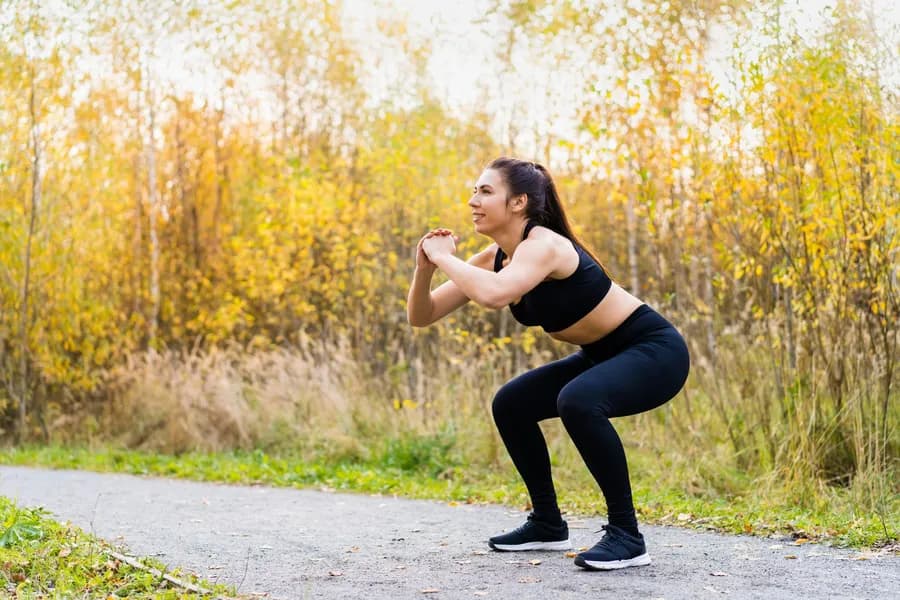
What Is Functional Strength Training? Benefits, Exercises & Tips
Discover what is functional strength training, its top benefits, best exercises, and how to get started. Try Habuild's guided program with a 14-day free trial.

What Is Physical Fitness? Benefits, Exercises & How to Start
What is physical fitness? Discover 10 science-backed benefits of exercise, best moves to try, and how Habuild helps you build lasting fitness habits. Start for 14-day free trial.
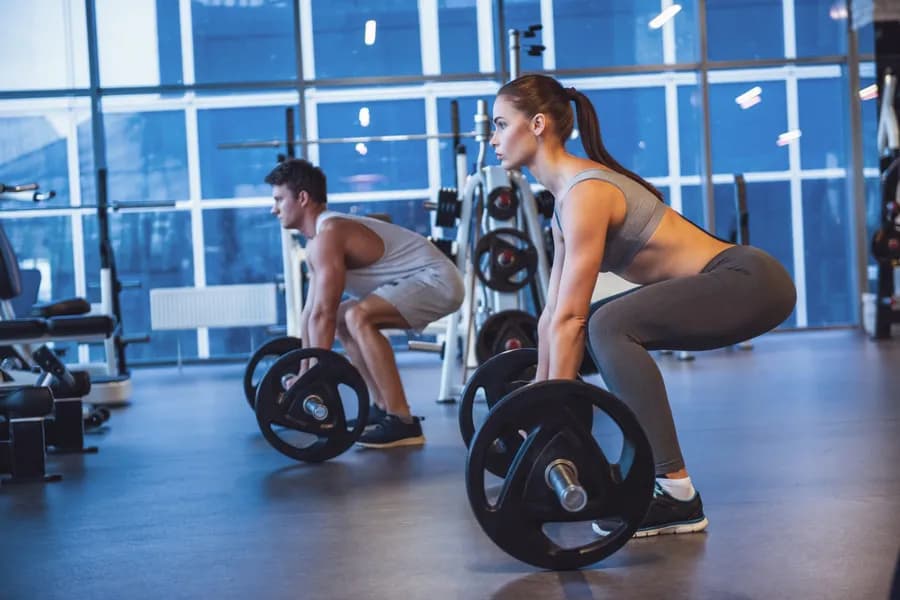
What Are Compound Exercises? Benefits & Best Moves
Squats, push-ups, deadlifts, and rows work two or more muscle groups across multiple joints at once, training your body as a system. See the benefits and best moves.

How to Build Body at Home: the Complete No-Equipment Muscle Building Guide
The best available workout is the one performed daily, not the theoretically best programme that requires a commute and a fee. See the complete no-equipment muscle building guide.