
What Is Physical Fitness? Benefits, Exercises & How to Start
What is physical fitness? Discover 10 science-backed benefits of exercise, best moves to try, and how Habuild helps you build lasting fitness habits. Start for 14-day free trial.

Key Takeaways
- Spans cardiovascular health, muscular strength, flexibility, and body composition.
- Weight-bearing exercise particularly benefits women over 35 who face higher osteoporosis risk.
- Regular aerobic and strength activity lowers resting heart rate and reduces blood pressure.
- Physical activity regulates circadian rhythms and reduces the cortisol spikes that disrupt rest.
- Functional fitness is about being strong where it counts – climbing stairs, lifting groceries.
- Exercise triggers endorphins, dopamine, and serotonin linked to improved mood and less anxiety.
What is physical fitness? Physical fitness is your body's ability to carry out daily tasks with energy, strength, and endurance — without excessive fatigue. It spans cardiovascular health, muscular strength, flexibility, body composition, and mental resilience. Building it consistently is the single most reliable investment you can make in your long-term health.
Whether you're a complete beginner or returning after a long break, understanding what physical fitness really means — and how to build it sustainably — is the first step toward lasting change.
10 Science-Backed Benefits of Exercise and Physical Fitness
The evidence for regular exercise is overwhelming. Here are ten well-documented ways that building physical fitness may gradually improve how you feel, function, and live — when practiced consistently over time.
- Builds Lean Muscle Mass Strength training and resistance-based movement stimulate muscle protein synthesis, helping your body build and preserve lean muscle. This supports better posture, joint protection, and everyday functional movement. Understanding how muscle training works is a useful starting point for anyone new to structured fitness.
- Boosts Metabolic Rate Regular exercise — especially strength-based work — raises your resting metabolic rate over time. Your body burns more calories even at rest, supporting healthier body weight management when paired with consistent training habits.
- Improves Bone Density Weight-bearing exercises create healthy stress on bones, signalling the body to increase bone mineral density. This is particularly important for women over 35 and older adults who face a higher risk of osteoporosis over time.
- Enhances Functional Strength Functional fitness is about being strong where it counts — climbing stairs, lifting groceries, maintaining balance. A structured routine builds real-world capability that keeps you independent and injury-resistant as you age.
- Supports Fat Loss and Healthy Body Composition Exercise, when combined with consistent habits, may gradually ease excess fat accumulation and support a healthier body composition over weeks and months of regular practice.
- Strengthens the Cardiovascular System Regular aerobic and strength activity lowers resting heart rate, reduces blood pressure, and improves circulation. Over time, a fitter cardiovascular system handles physical and mental stress with greater ease.
- Improves Mental Health and Mood Exercise triggers endorphins, dopamine, and serotonin — neurotransmitters linked to improved mood, reduced anxiety, and better stress management. Consistent physical fitness practice builds the daily rhythm that often improves how you feel mentally, not just physically.
- Enhances Sleep Quality People who exercise regularly tend to fall asleep faster and experience deeper, more restorative sleep. Physical activity regulates the body's circadian rhythms and reduces cortisol spikes that often disrupt rest.
- Supports Blood Sugar Regulation Movement helps muscles absorb glucose more efficiently, reducing blood sugar spikes after meals. Regular exercise complements your existing care for managing or preventing type 2 diabetes — it is not a replacement for medical advice.
- Sharpens Cognitive Function Physical fitness supports brain health through improved blood flow, neuroplasticity, and reduced inflammation. Regular training has been linked to better memory, focus, and long-term cognitive resilience.
How to Get Started with Physical Fitness
The biggest challenge most people face isn't knowledge — it's taking the first consistent step. Here's how to remove the barriers and build real fitness habits.
What You Need to Begin
Almost nothing. A yoga mat, comfortable clothing, and enough floor space to lie down is all you need to start a meaningful routine at home. No gym, no expensive equipment. The best exercises for strength at home can help you design an effective no-equipment setup from day one.
Setting Realistic Goals
Avoid chasing dramatic transformations in the first two weeks. Anchor your goal to a behaviour: "I will exercise for 20–30 minutes every morning for 30 days." Consistency compounds. Track how you feel — energy, sleep, stress — as much as how you look.
Start with the Basics
Beginner-friendly movements like bodyweight squats, push-ups, planks, glute bridges, and marching in place build a strong foundation without risking injury. Focus on controlled movement and breathing rather than speed or load. Once you can perform each move with good form for 2–3 sets, you're ready to progress.
Best Exercises for Physical Fitness
These movements deliver broad physical fitness benefits and are effective for all fitness levels. They require no equipment and can be scaled based on your current ability.
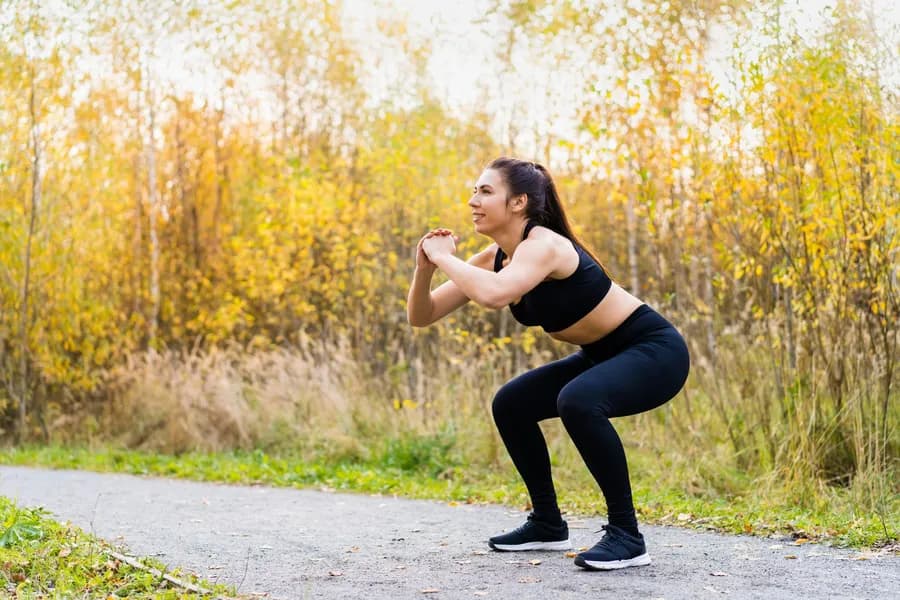
Squats
The squat is a foundational lower-body movement that strengthens the quadriceps, hamstrings, glutes, and core simultaneously. Feet shoulder-width apart, chest tall, hips back and down. Aim for 3 sets of 12–15 reps. Progress to sumo squats or jump squats as strength builds.
Push-Ups
Push-ups train the chest, shoulders, triceps, and core in a single movement. Beginners can start with knee or incline push-ups on a chair. Target 3 sets of 8–15 reps depending on your level.
Lunges
Forward and reverse lunges develop single-leg strength, balance, and hip mobility — all critical components of functional physical fitness. Perform 3 sets of 10 reps per leg, keeping your front knee tracking over your toes.
Plank
The plank is among the most effective core-strengthening exercises you can do without equipment. It engages the abdominals, lower back, glutes, and shoulders simultaneously. The full range of plank exercise benefits makes it worth including in any routine. Hold for 20–60 seconds per set, 3 sets total.
Glute Bridge
Lying on your back with knees bent, drive your hips upward by squeezing your glutes. This strengthens the posterior chain — glutes, hamstrings, and lower back — which is often undertrained and linked to poor posture. Perform 3 sets of 15–20 reps.
Mountain Climbers
Mountain climbers combine cardiovascular conditioning with core strength, making them one of the most efficient exercises for overall physical fitness. From a high plank, alternate driving each knee toward your chest. Aim for 3 sets of 30 seconds.
Dumbbell Rows (or Resistance Band Rows)
Pulling movements are often neglected in home routines. Rows strengthen the upper back, rear shoulders, and biceps — improving posture and counteracting prolonged sitting. Understanding resistance exercises in depth will help you build a more balanced training programme.
Common Mistakes to Avoid When Building Physical Fitness
Most beginners plateau or quit not because they lacked effort, but because of avoidable errors. Here's what to watch for.
- Poor Form Incorrect technique is one of the fastest routes to injury and one of the slowest routes to results. Prioritise learning the correct movement pattern before adding reps, speed, or load. A guided programme makes this significantly easier.
- Skipping the Warm-Up A 5–10 minute warm-up — joint circles, light marching, dynamic stretches — prepares muscles and connective tissue for the session ahead. Skipping it increases injury risk and reduces training quality. It's non-negotiable, especially for beginners.
- Overtraining More is not always better. Training the same muscle groups every day without adequate recovery leads to fatigue, soreness, and diminishing returns. Allow at least 48 hours between intense sessions targeting the same muscles, and treat sleep as part of your recovery plan.
- Inconsistency The single biggest predictor of fitness outcomes is showing up regularly over time. Three workouts this week and none for the next two will not build lasting fitness. Small, consistent daily actions — even 20–25 minutes — compound into significant improvements over months.
Who Should Focus on Physical Fitness?
The honest answer: everyone. But here's how physical fitness applies to different groups specifically.
- Beginners If you've never exercised consistently before, start with bodyweight basics and aim for 3–4 sessions per week. The goal in the first month is to build the habit, not peak performance. The entry point is much simpler than most people assume.
- Women Many women avoid strength training out of concern it will cause a bulky physique. This is a myth. Women have significantly lower testosterone levels than men, which means strength training builds a lean, toned appearance while supporting bone density — a critical health factor across all age groups.
- Older Adults Physical fitness becomes increasingly important with age. Strength and balance training may gradually ease the functional decline associated with ageing, supporting mobility, independence, and quality of life. Consult your doctor before beginning any new exercise programme, especially with existing health conditions.
- Working Professionals If you sit at a desk for 8+ hours a day, targeted physical fitness work is essential for counteracting poor posture, tight hips, and low energy. Even 20–30 minutes in the morning can meaningfully improve how you feel through the workday.
Build Strength with a Routine That Actually Works
Building physical fitness isn't about random workouts — it's about consistency, guidance, and following a structured plan that progresses with you. With the right support, you can train effectively from home and see real improvement over time.
What you get with Habuild's Strength Everyday programme:
- Daily live guided strength and yoga sessions
- Beginner to advanced progression built into the programme
- No-equipment and home-friendly workouts
- Expert guidance to help you build correct form from day one
- A consistent community to keep you accountable
Related reads: Types of Physical Fitness Exercises: Complete Guide · Components of Physical Fitness: What They Are and Why They Matter
Physical fitness isn't a single achievement — it's the sum of routines practiced day after day, from movement to recovery, that slowly reshape how your body performs. Trying to hold all of that together without guidance often means something falls through the cracks. Habuild's Strong Everyday program brings structure to that daily effort, guiding you toward fitness that lasts rather than fitness that fades after a few weeks.
What are all the benefits of exercise, really? The scientific benefits of exercise span far beyond visible fitness — better sleep, mood, metabolic health, and long-term disease risk all improve with consistent movement.
Frequently Asked Questions
Related Articles

Types of Physical Fitness Exercises: Complete Guide
Explore all types of physical fitness exercises — from strength to flexibility. Find the right category for your goals and start your journey today.
What Is Functional Strength Training? Benefits, Exercises & Tips
Discover what is functional strength training, its top benefits, best exercises, and how to get started. Try Habuild's guided program with a 14-day free trial.
What Are the Benefits of Strength Training? 7 Evidence-Based Benefits That Transform Health
Strength training reduces all-cause mortality risk, prevents age-related disability, and builds bone density across every age group and sex within 8-12 weeks. See all 7 evidence-based benefits.
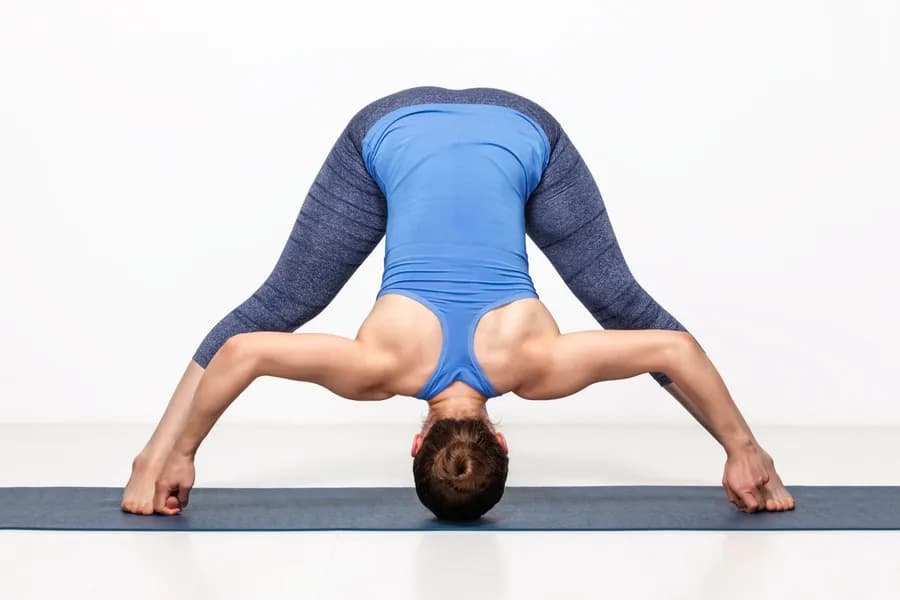
What Is Intense Exercise? Meaning, Examples & Benefits
Sprints, HIIT, heavy lifting, or explosive bodyweight work push your heart rate, breathing, and muscles significantly harder than light movement. See the meaning, examples, and benefits.
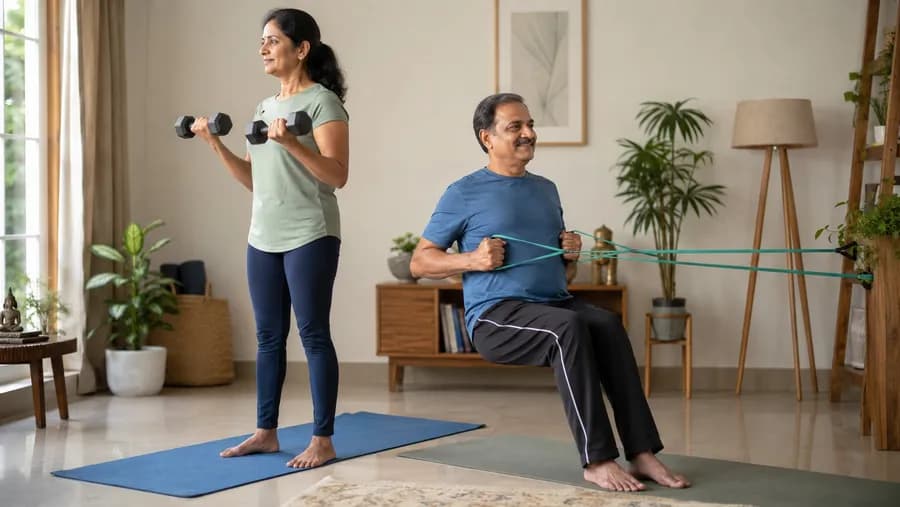
Strength Training vs Resistance Training: Key Differences
Strength training vs resistance training — what's the difference? Explore benefits, exercises, and how to start. Try Habuild for 14-day free trial.