
Walking With Weights: Benefits, Risks and How to Start
Adding weight to your walk can make it harder, but some types of weights are safer than others. Here's what to use, how much to carry and who should avoid it.
Key Takeaways
- Weighted vests and backpacks (rucking) are safer ways to add load than ankle weights.
- Harvard Health advises keeping a weighted vest to no more than 10% of your body weight.
- Ankle and wrist weights can strain your joints while walking, so most people should avoid them.
- Cleveland Clinic suggests starting rucking with about 2 kg and adding about 10% a week.
- Build up slowly; adding too much weight too soon raises the risk of injury.
Why Walk With Weights?
Once a daily walk starts to feel easy, many people look for ways to make it harder without having to run. Adding weight is one option. Carrying extra load makes your muscles and heart work harder at the same walking speed, so a familiar route becomes more of a workout.
But not all walking weights are equal. Where you carry the weight matters a great deal. Some options are fairly safe for most people when used sensibly, while others can change the way you walk and cause more harm than good. Understanding the differences helps you choose wisely.
Types of Walking Weights
Weighted vests
A weighted vest spreads load evenly around your upper body, close to your centre of gravity, so it changes your walking pattern less than weights on your limbs. Harvard Health notes that weighted vests can be helpful for bone health, as long as the vest isn't too heavy.
Backpacks (rucking)
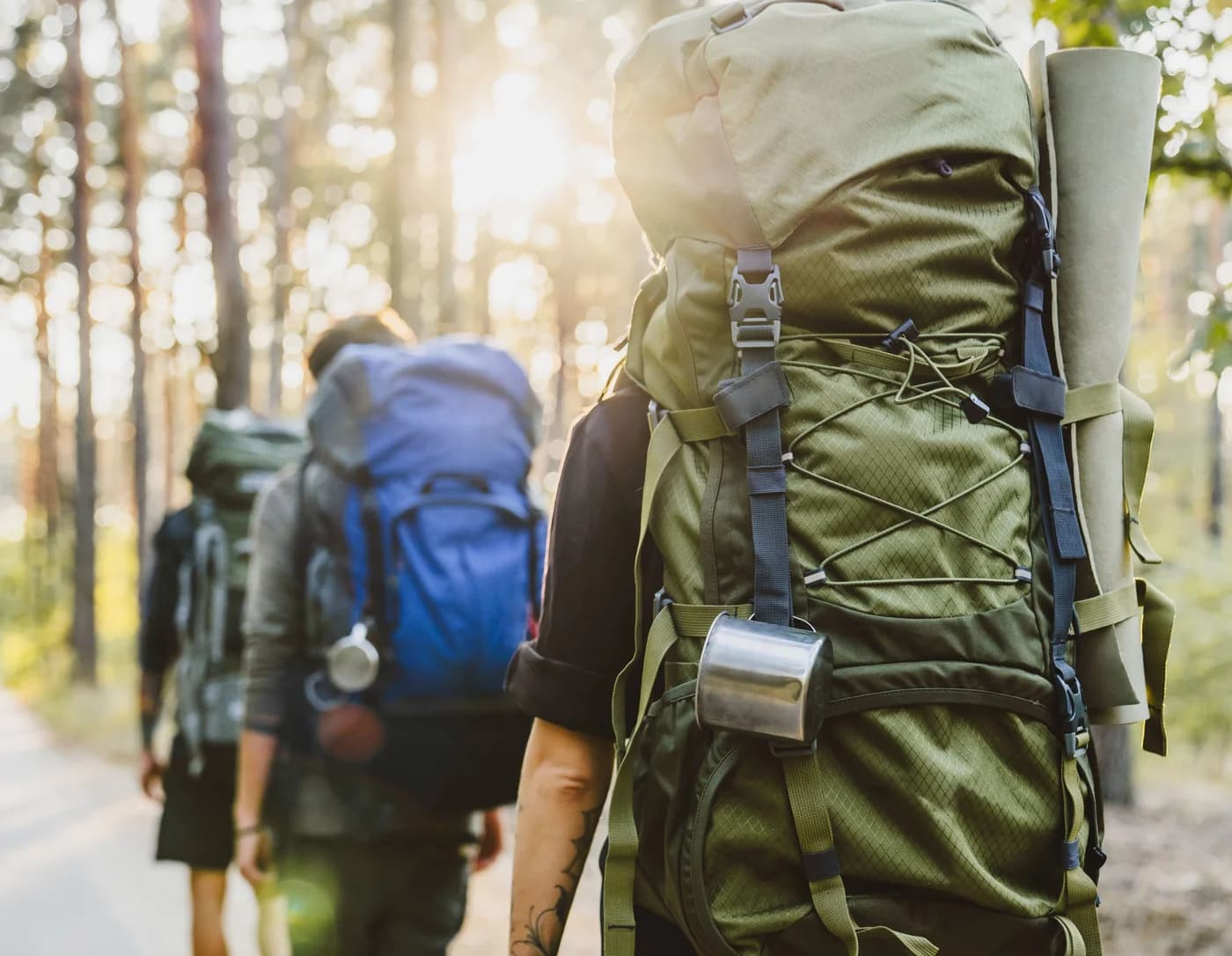
Rucking simply means walking with a weighted backpack. Cleveland Clinic describes it as an easy way to boost a regular walk, and says it can burn up to three times more calories than walking without a pack, depending on the load and your pace. Because most people already own a backpack, it's also one of the cheapest ways to start.
Hand weights
Small dumbbells carried in your hands add a little extra effort to a walk. However, swinging them with every step can strain the wrists, elbows and shoulders, especially over a long walk.
Ankle weights
Ankle weights sit at the very end of your legs and change the way you walk. Harvard Health doesn't recommend them for walking, because they can create a muscle imbalance and increase the risk of injury to the knees, hips and back.
Benefits of Walking With Weights
The main benefit is more effort at the same pace. That's useful if you can't run, don't want to, or simply want to get more out of the time you already spend walking. Extra load raises the energy cost of walking, and because walking is weight-bearing, carrying a little extra can also give your bones a stronger signal to stay strong. Carrying a vest or pack well also requires good posture and a steady trunk, so it works your core muscles too.
Risks to Know About
The biggest risk comes from weights at the ends of your limbs. Ankle and wrist weights in particular can stress the knees, hips, back, wrists, elbows, shoulders and neck, and they can alter your stride in ways that add strain over time.
Heavier loads bring their own problems. Cleveland Clinic warns that carrying heavy loads too early can lead to stress fractures, small cracks in the bones caused by repeated strain. A poorly fitted or overly heavy vest or backpack can also strain your back and neck. The key is to start light and build up slowly.
How Much Weight Should You Use?
According to Harvard Health, a weighted vest should be no more than 10% of your body weight. For a 70 kg person, that's 7 kg at most, and that's a maximum, not a starting point. Most people should begin with about 1 to 2 kg. For rucking, Cleveland Clinic suggests starting with about 2 kg and increasing by about 10% a week.
Listen to your body. If your posture changes, you start to limp or you feel pain, the weight is too heavy and you should reduce it.
How to Start Rucking Safely
If you'd like to try rucking, these steps help you start safely:
- Choose a sturdy backpack with padded, adjustable shoulder straps, ideally with a chest or hip strap.
- Pack the weight high and close to your back, such as books or water bottles wrapped in a towel.
- Start light, with about 2 kg, on a familiar flat route.
- Walk for 20 to 30 minutes at a comfortable pace.
- Increase slowly: add a little weight or a few minutes each week, not both at once.
- Keep good posture: stand tall, avoid leaning forward and keep your core gently engaged.
Who Should Avoid Walking With Weights?
Walking with weights isn't right for everyone. Check with your doctor or physiotherapist first, or skip weights altogether, if you have back or neck problems, since Harvard Health advises that weighted vests aren't suitable for people with these issues. The same caution applies if you have knee, hip or ankle pain or arthritis, osteoporosis or a past fracture, heart disease or high blood pressure, or if you are pregnant. If you're new to exercise, build a regular walking habit first and think about adding weight later.
A Safer Alternative: Strength Training Separately
If your main goal is to build strength, a separate strength session is often safer and more effective than carrying weights on your walk. Bodyweight squats, lunges, push-ups and glute bridges strengthen the same muscles without changing your walking pattern.
Habuild's Strong Everyday live sessions are 45-minute bodyweight strength classes you can do at home. Habuild's yoga sessions also include walking, and the Habuild app's Walk Daily habit helps you track your walks.
Editorial Sources
- Harvard Health – Wearable weights: How they can help or hurt
- Cleveland Clinic – What is rucking?
- NIH NIAMS – Exercise for your bone health
Health Disclaimer
This article is for general information only and is not medical advice. Please consult a doctor or physiotherapist before walking with weights, especially if you have joint, back or heart problems, or are pregnant.
Frequently Asked Questions
Related Articles
Strength Training for Older Adults: Benefits, Exercises & How to Start
Resistance exercise two to three times a week helps preserve muscle mass, support bone density, and maintain the functional strength needed for everyday independence, at any age from 50 onwards. See the key benefits and best exercises.
Strength Training at Home: Benefits, Exercises & How to Get Started
Using just your bodyweight and consistent practice, you can build lean muscle and improve body composition entirely from your living room. See the benefits, exercises, and how to start.

10 Benefits of Walking 30 Minutes a Day for Health, Fitness, and Weight Loss
The trick isn't to walk longer, it's to walk daily, at the right pace, with consistency over months. See all 10 benefits for health, fitness, and weight loss.

Walking Exercise: a Complete Guide to Walking Programs, Treadmill Plans, and Daily Workouts
The difference between a casual stroll and a transformative walking routine isn't speed or distance — it's intentional pacing, consistent volume, and progression. See the complete guide to programs and plans.