
What Is Mind Muscle Connection? How It Works and Why It Matters
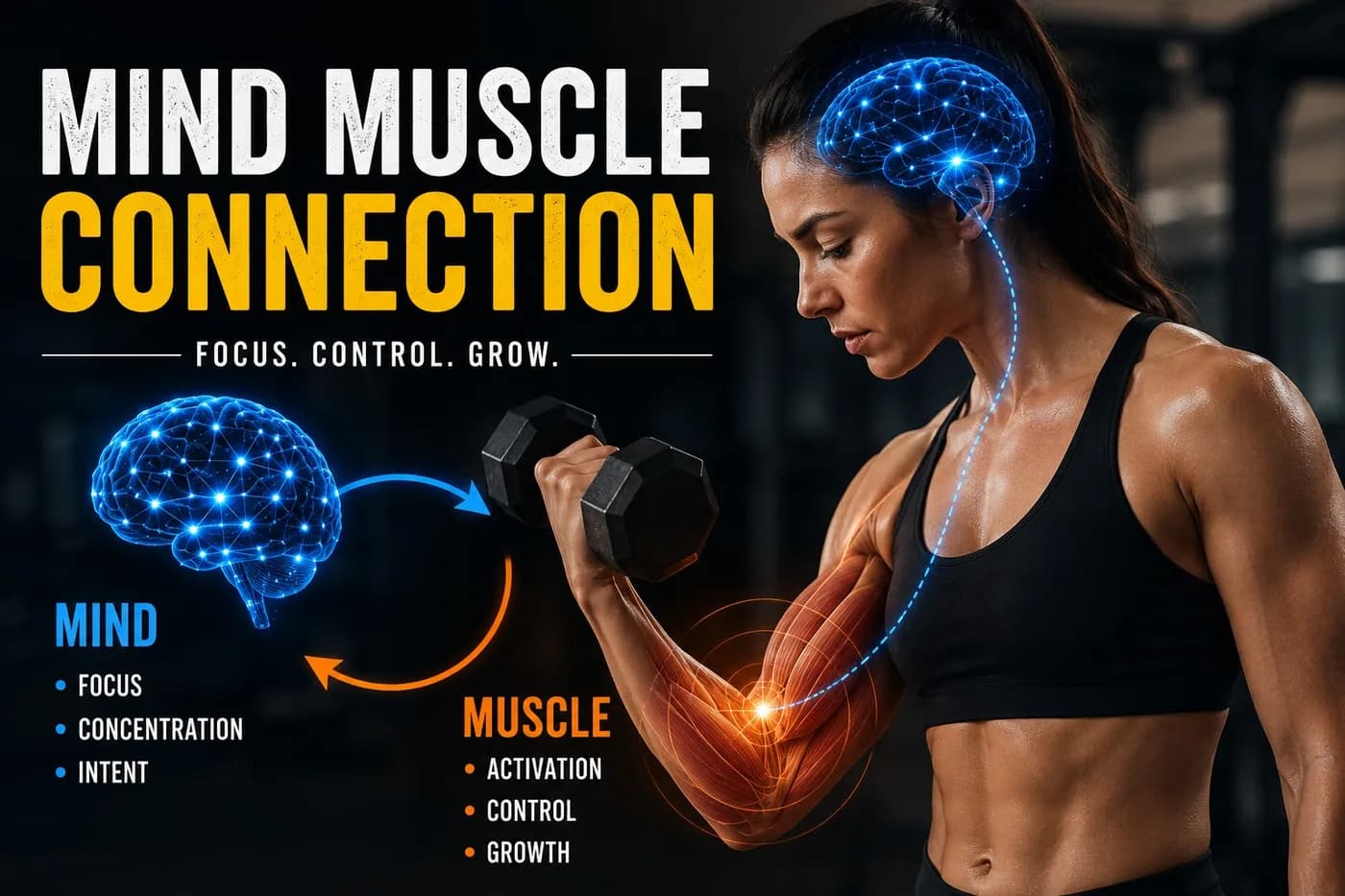
The mind muscle connection is the deliberate focus you place on a muscle during an exercise — EMG research shows it produces measurably greater activation. See how and why it works.
Key Takeaways
- EMG studies confirm that consciously focusing on a muscle produces measurably higher activation.
- Helps correct imbalances by intentionally activating a weaker side during compound moves.
- A focused 20-minute session can outperform a distracted 45-minute one.
- Builds proprioception, the sense of where your body is in space, beyond the gym.
- Thinking about squeezing a muscle at the peak of a rep leads to a fuller contraction.
What is mind muscle connection ; It is the deliberate, conscious focus you place on a specific muscle while performing an exercise — directing your nervous system to activate the right fibers at the right time. Research using electromyography (EMG) confirms that athletes who intentionally think about the muscle being trained produce measurably greater activation than those who simply go through the motions.
Whether you are doing a bicep curl, a squat, or a push-up, the quality of your mental engagement shapes the quality of your results. This guide explains exactly how the mind-muscle connection works, why it matters for your training, and how to develop it step by step.
10 Benefits of Mind Muscle Connection
- Increased Muscle Activation When you consciously focus on a target muscle, your brain sends stronger neural signals to that area. EMG studies confirm that focused attention during lifting produces measurably higher muscle fiber recruitment compared to distracted training.
- Better Muscle Symmetry Most people have a dominant side that tends to take over during compound movements. By intentionally activating the weaker side, the mind-muscle connection helps correct muscular imbalances and build a more balanced physique over time.
- Reduced Risk of Injury When your mind is tuned in, you are far less likely to use compensatory movements or poor form. You notice when your lower back rounds or your knees cave inward — and you correct it in the moment, protecting joints and connective tissue.
- More Efficient Workouts You do not need heavier weights or longer sessions to see progress. A 20-minute focused training block using deliberate muscle engagement can be more productive than a distracted 45-minute session. Training effectively at home becomes far more accessible once you master this skill.
- Improved Strength Gains Over Time Greater neural drive means greater force output. As you develop the habit of mentally engaging your muscles, your strength progression accelerates — not just because of muscle growth, but because you learn to use what you already have more effectively.
- Heightened Body Awareness Focused training builds proprioception — your sense of where your body is in space. This carries over into everyday movement, improving posture, coordination, and agility well beyond the gym.
- Deeper Muscle Contractions Thinking about squeezing a muscle at the peak of a movement — rather than just moving a load from A to B — leads to a more complete contraction. This is particularly useful for isolating smaller stabilizer muscles that are often undertrained.
- Greater Motivation and Engagement Training with intention simply feels more purposeful. When you feel the muscle working, each repetition becomes meaningful rather than mechanical, which sustains motivation across a longer period of consistent practice.
- Faster Recovery of Weak Areas Whether recovering from a mild strain or reactivating an underused muscle group, the mind muscle connection supports the rehabilitation process by reestablishing the neural pathways needed for proper function.
- Enhanced Mind-Body Well-Being The focused presence required for mind-muscle training overlaps significantly with mindfulness practice. Many practitioners report lower stress and a clearer head after sessions that demand genuine mental engagement.
How to Get Started with Mind Muscle Connection
What You Need to Begin
No special equipment is required. You need only a quiet environment, a bodyweight exercise or light weight, and the willingness to slow down and pay attention. Beginners often find it helpful to start with isolation movements — like a glute bridge or a bicep curl — before applying the technique to complex compound lifts.
Removing distractions is equally important. Put the phone away and give your full attention to the session. Even 15–20 focused minutes delivers more benefit than an hour of distracted training.
Setting Realistic Goals
The mind muscle connection is a skill that develops over weeks, not days. In the beginning, you might struggle to feel a specific muscle at all — this is completely normal. Set a process goal: aim to genuinely feel the target muscle contract on at least half your repetitions per session.
Avoid chasing heavy loads while still learning. Reducing weight by 20–30% often dramatically improves your ability to feel the muscle working, which pays dividends once you progress back to heavier training.
Start with the Basics
Begin with single-joint movements where there is only one muscle to focus on. A simple glute bridge asks you to squeeze only your glutes. A standing calf raise focuses attention on one area. Once you can reliably feel these muscles contracting, extend the same awareness to multi-joint lifts like squats, rows, and push variations. Understanding fundamental strength training exercises gives you the movement vocabulary needed to apply this concept effectively.
Best Techniques for Developing Mind Muscle Connection
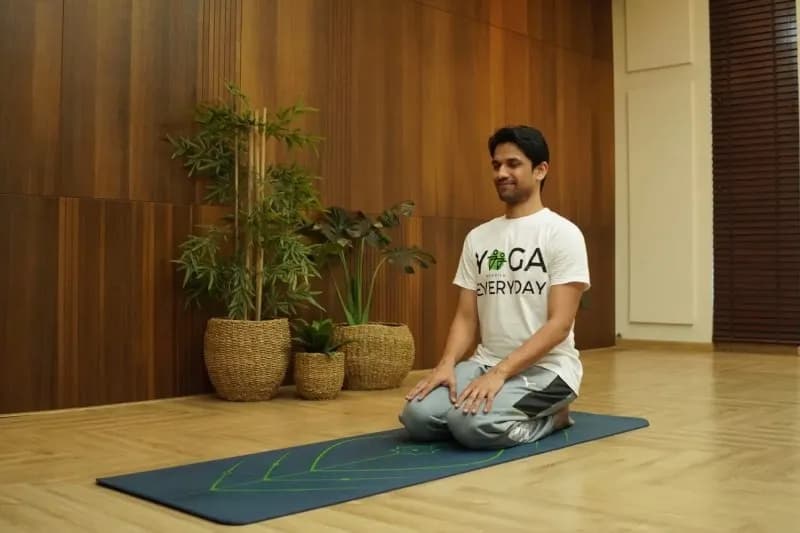
Touch Activation
Place your hand lightly on the muscle you intend to work before and during the exercise. This tactile cue dramatically increases neural awareness of that area. Touch the side of your quad before a squat, or rest fingertips on your chest during a push-up. Your nervous system responds to this input immediately.
Sets/Reps: Apply for 2–3 warm-up sets before your main working sets.
Slow Eccentrics
Lowering the weight slowly — taking 3 to 5 seconds on the way down — forces you to maintain muscular tension rather than using gravity. The eccentric phase is when you are most likely to feel the muscle deeply if your focus is sharp.
Protocol: 3 sets of 8 reps with a 4-second lowering phase. Keep weight moderate — this is harder than it sounds.
Isometric Pauses at Peak Contraction
At the top of any movement — the peak of a curl, the lockout of a row, the top of a glute bridge — pause for 1–2 full seconds and squeeze the muscle as hard as you can. This teaches your brain to hold the neural signal rather than release it prematurely.
Protocol: 3 sets of 10 reps with a 2-second squeeze at the peak.
Visualisation Before Each Set
Spend 10 seconds before each set mentally picturing the exact muscle contracting. It is not mystical — it creates a priming effect in the motor cortex that makes actual activation easier and stronger when you begin the set.
Breath Synchronisation
Exhale on the concentric phase and inhale on the eccentric phase. Deliberately linking your breath to your movement keeps you present and reduces the likelihood of rushing through repetitions.
Cue: Exhale through pursed lips during the push or pull. Feel the target muscle activate as you breathe out.
Unilateral Training
Single-arm and single-leg exercises force a direct channel of focus — there is simply less to think about. A single-leg deadlift or a one-arm dumbbell row narrows attention naturally, making it easier to develop deliberate muscle engagement before applying it bilaterally.
Light Load, High Intention Sets
Once per week, perform a full-body circuit using 30–40% of your usual load with complete focus on muscle feel. Think of it as a neural calibration session. For a structured approach to integrating this, explore how to structure home-based strength training effectively.
Common Mistakes to Avoid
- Poor Form Heavy loads shift your focus to moving the weight rather than feeling the muscle. When you are learning to build the mind-muscle connection, load is secondary. Choose a weight that lets you maintain clean form and genuine muscular awareness throughout every repetition.
- Skipping Warm-up Cold muscles and a distracted mind are a poor combination. A 5–8 minute warm-up — including light activation work for the muscles you will train — primes both the tissue and the nervous system. Skipping it means the first several sets of your workout are wasted in terms of quality neural engagement.
- Overtraining Scrolling between sets, watching videos during your workout, or holding a conversation while lifting all fragment the attention needed for genuine mind-muscle training. Reserve active mental engagement for the time you are actually moving. Working sets demand your full presence — rest periods can be relaxed.
- Inconsistency The neural pathways that support strong mind-muscle connection are built through repetition over time. Missing sessions, or occasionally applying the technique while reverting to mindless training the rest of the time, slows development significantly. A daily or near-daily consistent practice — even short sessions — outperforms sporadic intense effort.
Who Should Try Mind Muscle Connection?
- Beginners For anyone starting out, learning the mind-muscle connection early is far more valuable than jumping straight to heavy programming. Beginners who develop this skill from day one tend to progress faster, experience fewer injuries, and build a much stronger foundation. All you need is attention and a willingness to start light.
- Women Women often benefit significantly from this approach because focused muscle engagement supports sculpting and toning without relying on heavy external load. Intentional activation builds lean, functional strength and supports effective strength training outcomes for women at every level.
- Older Adults With age, the neural connection between brain and muscle can weaken. Practicing deliberate activation helps counteract this, supporting muscle retention, balance, and bone density. If you have existing health concerns, consult your doctor before beginning any new exercise regimen.
- Working Professionals If your time is limited, the mind-muscle connection is your best productivity tool. A focused 20-minute session with deliberate engagement delivers more physiological benefit than a rushed, distracted 45-minute block. The posture muscles — core, glutes, upper back — are often the most undertrained, and targeted awareness helps reactivate them after long hours at a desk.
Build Strength with a Routine That Actually Works
Building real strength is not about grinding through random workouts — it is about consistent, guided practice where every session counts. The mind muscle connection is a skill, and like any skill, it develops fastest within a structured program that reinforces it daily.
What You Get with Habuild’s Strong Everyday Program:
- Daily live guided strength sessions that emphasise quality movement over ego lifting
- Beginner to advanced progression, so you are always challenged at the right level
- No-equipment and home-friendly workouts — no gym membership required
- Expert guidance on form, activation cues, and breathing technique
- A supportive community that keeps you accountable every single day
Start Your Strength Training Journey
Related reads: How Long Does It Take to Build Muscle? · Best Diet Plan for Muscle Building
Mastering the mind-muscle connection takes repeated, deliberate practice — it’s a skill that sharpens the more consistently you train, not something a single session can teach you. A program that guides your form and cueing can help that focus become second nature rather than something you have to relearn each workout. Habuild’s Strong Everyday program offers guided strength training designed to build that kind of intentional, consistent practice into every session.
Frequently Asked Questions
Related Articles
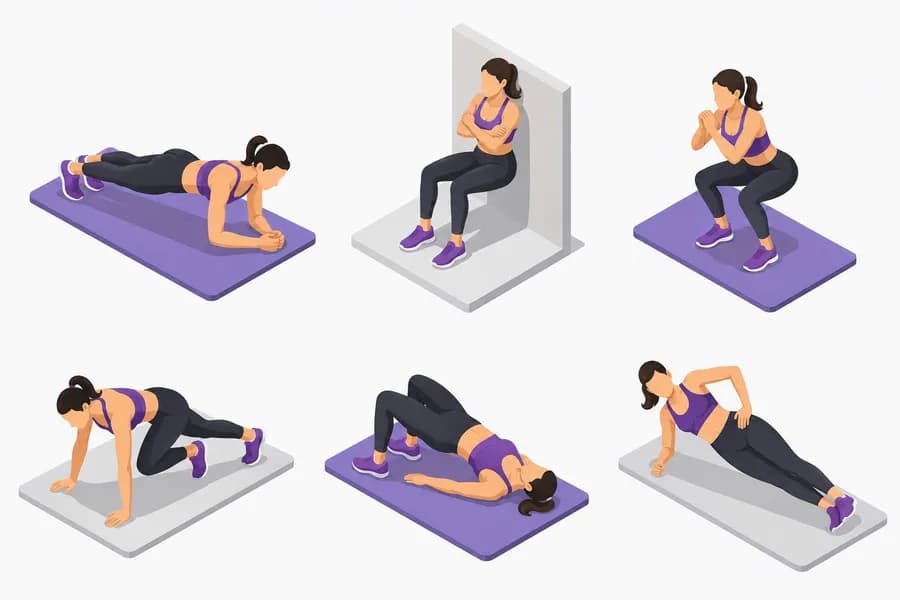
10 Benefits of Isometric Exercises for Strength and Daily Fitness
Isometric exercises hold a muscle contraction at a fixed angle, with no joint movement and no equipment, in sessions under 15 minutes. See all 10 benefits.

Strength Training for Beginners at Home: The Complete Guide
Bodyweight or light resistance exercises, done consistently at home, progressively build muscle and improve posture — no gym membership or prior experience required. See the complete guide.

Strength Training for Beginners Women: Your Complete Guide
Building lean muscle and boosting metabolism doesn’t require a gym membership or expensive equipment — just a clear starting point. See the real benefits and how to build a consistent habit.

How Many Sets Per Muscle Group Per Week? A Complete Volume Guide
Most people need 10-20 working sets per muscle group per week to build muscle consistently, hitting each group at least twice. See the volume guide by experience level.

Best Exercises for Core Strength
The plank, dead bug, hollow body hold, glute bridge, bird dog, mountain climbers, and side plank train the deep stabilisers and posterior chain — no equipment needed. See the full list.