
What Are the Benefits of Strength Training? 7 Evidence-Based Benefits That Transform Health
Strength training reduces all-cause mortality risk, prevents age-related disability, and builds bone density across every age group and sex within 8-12 weeks. See all 7 evidence-based benefits.

Key Takeaways
- A 2022 review of 1.5 million people found 30-60 weekly minutes of training cut mortality 10-20%.
- That mortality benefit was found to be independent of any cardiovascular exercise done separately.
- The LIFTMOR trial found high-intensity resistance training improved spine and hip bone density.
- A 2017 review found combined resistance and aerobic training cuts type 2 diabetes risk by 30-40%.
- Adding 1kg of lean muscle raises resting metabolic rate by roughly 10-15 calories daily, per ACSM.
- Framed as one of the most rigorously validated health interventions across every age group.

Most people searching what are the benefits of strength training want clear evidence-based answers about whether resistance training is worth their time — and the honest answer is that strength training is one of the most validated health interventions in modern medicine, producing measurable benefits across every major organ system, every age group, and every sex within 8–12 weeks of consistent practice. Beyond the visible muscle and strength changes, strength training reduces all-cause mortality risk, prevents age-related disability, supports metabolic health, builds bone density, and improves mental health — outcomes pharmaceutical interventions often cannot match. This guide covers the seven most important evidence-based benefits, what the research actually shows, and the daily routine that produces lasting results. The same habit-building structure that powers our daily online yoga classes makes consistent practice possible.
7 Evidence-Based Benefits of Daily Strength Training
Daily strength training produces measurable benefits across every major health domain. Below are the seven most important benefits.
- Reduced All-Cause Mortality and Healthier Ageing The most rigorously documented benefit. Stat: A 2022 systematic review in the British Journal of Sports Medicine by Momma et al., analysing 16 studies across 1.5 million participants, confirmed that just 30–60 minutes of weekly resistance training reduced all-cause mortality risk by 10–20% — outcomes independent of cardiovascular exercise. Members building broader strength capacity often pair their work with our full body strength training programme.
- Higher Resting Metabolism and Better Body Composition The metabolic benefit. Stat: The American College of Sports Medicine confirms that adding 1 kg of lean muscle through resistance training raises resting metabolic rate by approximately 10–15 calories per day, compounding into meaningful long-term metabolic adaptation. Combined with caloric deficit, strength training drives fat loss while preserving the muscle that pure dieting strips away. Members focused on systemic fat loss often pair their work with our strength training for fat loss programme.
- Improved Bone Density and Reduced Osteoporosis Risk The skeletal benefit — particularly important for women and older adults. Stat: The LIFTMOR clinical trial (Watson et al. 2018) demonstrated that high-intensity resistance and impact training produced measurable bone mineral density improvements at the spine and hip in postmenopausal women — outcomes pharmaceutical osteoporosis treatments often cannot match.
- Better Insulin Sensitivity and Reduced Diabetes Risk The metabolic disease benefit. Strength training measurably improves insulin sensitivity within 1–2 weeks of consistent practice and reduces type 2 diabetes risk significantly across populations. Stat: A 2017 review in Diabetologia confirmed that combined resistance and aerobic training reduces type 2 diabetes risk by 30–40% across years of consistent practice.
- Improved Mental Health and Reduced Depression Symptoms The psychological benefit. Stat: A 2018 meta-analysis in JAMA Psychiatry by Gordon et al., analysing 33 randomised trials, confirmed that resistance training significantly reduces depressive symptoms across populations — with effects comparable to many pharmaceutical antidepressants. Daily practice produces measurable mood benefits within 4–8 weeks.
- Better Joint Health and Reduced Pain The musculoskeletal benefit. Strong muscles around joints reduce the wear, tear, and pain that adults accumulate from poor movement patterns. Daily strength training is one of the most validated interventions for chronic lower back pain, knee pain, and shoulder dysfunction. Members building broader muscle capacity often pair their work with our strength training for muscle mass programme.
- Functional Independence and Reduced Disability Risk The cumulative benefit. Daily strength training prevents the muscle loss (sarcopenia) that drives disability after age 60 — protecting functional independence, fall prevention, and quality of life into older age. Members building broader metabolic capacity often pair their work with our strength training for metabolism programme.
How to Get Started with Strength Training
Getting started requires no equipment, no gym, and no specialised knowledge — just clear understanding of progression principles and a small daily commitment.
What You Need to Begin
A flat clear floor space (yoga mat optional but helpful), comfortable clothing, and 30–45 minutes daily. Optional additions: resistance bands, dumbbells, or weighted backpack enhance progression but are not required initially.
Setting Realistic Goals
Be honest about timelines. Visible strength and muscle changes take 8–12 weeks of consistent practice. Aim for measurable progressions (more reps, harder variations, longer holds) rather than chasing dramatic transformations within weeks.
Start with the Basics
Begin with three foundational movement patterns: bodyweight squats (lower body), push-ups or knee push-ups (upper body push), and bent-over rows with water bottles or dumbbells (upper body pull). These three patterns target every major muscle group and form a complete beginner strength routine.
Best Beginner Strength Training Exercises
Bodyweight Squats — Glutes, Quadriceps, Hamstrings, Core — 3 Sets × 12–15 Reps
The foundational lower-body strength exercise. Sets and reps: 3 sets of 12–15 reps with 60 seconds rest, performed 3 times per week. Modification: chair-assisted squats for absolute beginners.
Push-Ups (Standard or Knee-Modified) — Chest, Shoulders, Triceps, Core — 3 Sets × 8–12 Reps
The foundational upper-body push exercise. Sets and reps: 3 sets of 8–12 reps with 60 seconds rest, performed 2–3 times per week. Modification: knee or wall push-ups for absolute beginners.
Bent-Over Rows — Upper Back, Rear Delts, Posture Muscles — 3 Sets × 12 Reps
The most important pulling exercise. Sets and reps: 3 sets of 12 reps with moderate dumbbells or water bottles, 60 seconds rest, 2–3 times per week.
Glute Bridges — Glutes, Hamstrings, Lower Back — 3 Sets × 15 Reps
The most effective bodyweight exercise for the glutes. Sets and reps: 3 sets of 15 reps with 60 seconds rest, performed 3 times per week.
Plank — Deep Core, Shoulders — Hold 30–60 Seconds × 3 Rounds
The foundational core exercise. Hold: 30–60 seconds for 3 rounds with 60 seconds rest, performed daily.
Lunges — Glutes, Quadriceps, Hamstrings, Core — 3 Sets × 12 Reps per Leg
The foundational single-leg strength exercise. Sets and reps: 3 sets of 12 reps per leg with 60 seconds rest, performed 2–3 times per week.
Burpees — Full Body Compound + Cardio — 3 Sets × 8–12 Reps
The full-body compound exercise. Combines push-up, squat, and jump patterns. Modification: step-back burpees for beginners.
Common Mistakes to Avoid
- Lifting with Momentum Instead of Muscle The most damaging mistake. Rushing through reps with momentum produces minimal muscle stimulus and increases injury risk. Move slowly through every rep — 2 seconds down, 1 second up — and feel the muscle working.
- Skipping Warm-Up Before Strength Sessions Cold tissue lacks elasticity and skipping warm-up dramatically increases injury risk. Always warm up for 5–10 minutes before any strength session.
- Doing the Same Routine Indefinitely Without Progressive Overload Performing the same workout for months produces no continued strength adaptation. Apply progressive overload: more reps, slower tempo, harder variations, longer holds, or added resistance.
- Inconsistency Training intensely 2 weeks then skipping a month produces no lasting strength adaptation. Daily moderate practice outperforms intense intermittent sessions.
Who Should Try Daily Strength Training?
- Beginners Wanting Sustainable Long-Term Health The audience that benefits most. Strength training is one of the most validated health interventions for adults of all ages. Beginners benefit from starting with bodyweight basics and building consistency.
- Women Wanting Toned Body Without Bulk Women lack the hormonal profile to gain large muscle mass quickly — so resistance training produces the firmer, more defined body rather than excessive bulk. Daily home practice builds genuine functional strength.
- Older Adults Maintaining Strength and Independence Strength decline (sarcopenia) accelerates after 50 — and consistent strength training is one of the most validated interventions for maintaining functional independence into older age. (Disclaimer: those with chronic conditions should consult a doctor before beginning any new exercise programme.)
- Working Professionals Needing Time-Efficient Health Investment Strength training is the most time-efficient form of exercise for health benefit — 30–45 minutes 3 times per week produces dramatic outcomes. The home-friendly format eliminates commute and scheduling barriers.
Build Real Strength with a Routine That Actually Works
Getting the benefits of strength training isn't about expensive gyms or complicated programmes — it's about consistency, progressive overload, and following a structured plan that builds genuine strength using bodyweight and minimal additions. With the right support, you can practise effectively from home and see measurable health improvements within 8–12 weeks.
What You Get with Habuild's Strong Everyday Programme:
- Daily live guided strength and yoga sessions
- Beginner to advanced progression
- No-equipment and home-friendly workouts
- Expert guidance to ensure correct form
- Community support to stay consistent
Related reads: Why Is Strength Training Important for Your Health and Life · Strength Training vs Resistance Training: Key Differences
Every benefit this guide lists, across organ systems, age groups and life stages, depends on strength training actually happening on a regular basis, not just being understood in theory. The evidence base assumes consistency, and that's exactly what a structured programme is built to deliver. Habuild's Strong Everyday program turns the case for strength training into an actual guided routine you can follow.
Frequently Asked Questions
Related Articles

How to Increase Muscle Mass: a Practical Home Training Guide
Progressive overload, adequate protein, and proper recovery working together are what actually build muscle, whether training with bodyweight or dumbbells. See the practical home training guide.
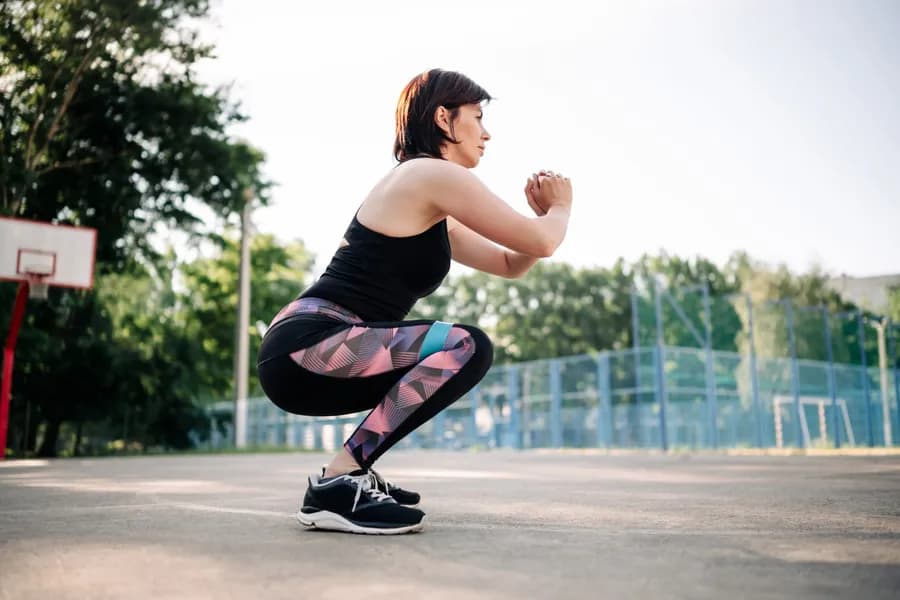
How to Do a Squat: Proper Form, Variations, and a Daily Squat Workout That Works
Done right, the squat builds quad, glute, hamstring, and core strength in one movement — done wrong, it produces knee pain and back pain. See the proper form, variations, and daily workout.

Types of Lunges Exercise — 7 Variations to Build Stronger Legs, Glutes, and Single-Leg Strength
Lunges build the unilateral strength that bilateral squats hide, and the right variations target different muscle emphasis, balance demands, and movement patterns. See all 7 variations.
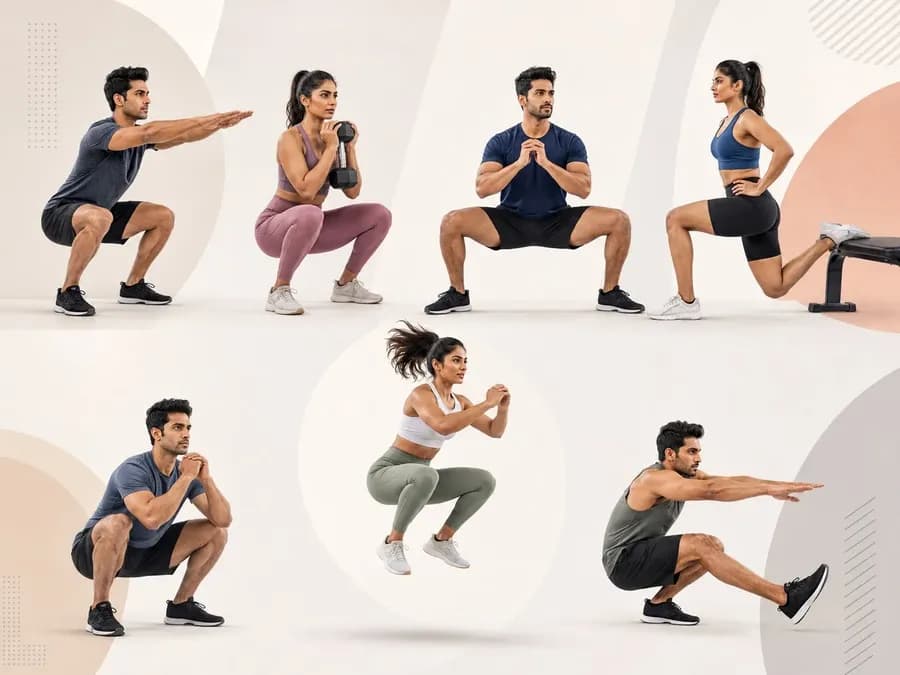
Different Types of Squats — 7 Variations to Build Stronger Legs, Glutes, and Functional Strength
The right squat variations target different muscles, mechanical positions, and movement patterns, building complete lower-body strength rather than partial development. See all 7 most effective variations.