
Health Benefits of Yoga
Unlike single-modality exercise — running for cardio, weights for muscle, stretching for flexibility — yoga delivers measurable improvements across all these domains at once. See the full range of benefits.

Key Takeaways
- States yoga is unique in improving cardiovascular, hormonal, and metabolic systems at once.
- Research cited shows yoga cuts cardiovascular disease risk by up to 35% in practitioners.
- Yoga’s anxiety and depression reduction is compared to pharmaceutical-level effectiveness.
- Daily yoga is shown to reduce HbA1c by 0.5-1.0% in people with type 2 diabetes.
- Cited research links yoga practice to a 50% reduction in fall risk via better balance.
- Explains benefits as arising from combined action on muscles, nerves, and hormones.
The health benefits of yoga are among the most extensively researched in complementary medicine — covering cardiovascular health, hormonal regulation, mental health, musculoskeletal function, metabolic health, immune function, and neurological wellbeing. Unlike single-modality exercise (running improves cardiovascular fitness; weight training builds muscle; stretching improves flexibility), yoga delivers measurable improvements across all these domains simultaneously. No other practice delivers this combination.
What Are the Health Benefits of Yoga?
The health benefits of yoga arise from its simultaneous action on three interconnected systems: the musculoskeletal system through asana, the autonomic nervous system through pranayama and meditation, and the endocrine system through consistent parasympathetic activation. When the nervous system shifts from sympathetic to parasympathetic dominance, cortisol falls, digestion improves, sleep rises, and immunity strengthens — all at once. This explains why practitioners who begin yoga for one condition consistently report improvements in areas they never targeted.
Key Health Benefits of Yoga
- Cardiovascular Health — Reduces Heart Disease Risk Regular yoga reduces blood pressure, improves heart rate variability, lowers resting heart rate, and reduces the inflammatory markers driving cardiovascular disease. Research shows yoga reduces cardiovascular disease risk by up to 35% in consistent practitioners.
- Mental Health — Reduces Anxiety and Depression Clinically Yoga’s parasympathetic activation, cortisol regulation, and GABA stimulation produce clinically significant reductions in anxiety and depression — comparable to pharmaceutical intervention without side effects. The mental health benefits emerge from both physical activity AND the deliberate training of attention, breath regulation, and self-awareness that yoga uniquely cultivates.
- Metabolic Health — Improves Insulin Sensitivity and Weight Daily yoga improves insulin sensitivity, reduces visceral fat, and supports healthy weight management. Research shows yoga reduces HbA1c by 0.5–1.0% in type 2 diabetics. Yoga for weight loss leverages the metabolic benefits most effectively alongside cardiovascular and hormonal improvement.
- Musculoskeletal Health — Builds Strength and Flexibility Together Yoga builds functional strength through bodyweight loading while simultaneously improving joint range — an advantage no gym exercise achieves as comprehensively. Research shows yoga improves balance, reduces fall risk by 50%, and reduces musculoskeletal pain across all joint regions.
Research shows yoga reduces cardiovascular disease risk by up to 35% in consistent practitioners — through blood pressure reduction (5–10 mmHg), improved heart rate variability, and reduction in inflammatory markers including CRP and IL-6.
Meta-analysis of 25 trials shows yoga reduces perceived stress by 40% within 8 weeks. GABA — the primary inhibitory neurotransmitter depleted in anxiety — increases measurably after yoga practice, producing mood improvements comparable to pharmaceutical intervention.
Health Benefits of Yoga in Depth
- Reduces Chronic Stress — the Root of Most Modern Disease Chronic stress drives 70–90% of doctor visits through its effects on the immune, cardiovascular, digestive, and hormonal systems. Yoga’s consistent HPA axis regulation reduces morning cortisol, improves heart rate variability, and builds the stress resilience that protects health comprehensively. Yoga for stress management is Habuild’s most practised programme for this reason.
- Improves Sleep Quality — the Foundation of All Recovery Yoga’s parasympathetic activation, cortisol reduction, and the specific bedtime practices (Yoga Nidra, Viparita Karani, Anulom Vilom) directly improve sleep onset, duration, and architecture. Research shows yoga reduces insomnia severity by 50% within 6 weeks.
- Boosts Immunity — through Multiple Mechanisms Yoga improves immune function through stress reduction (cortisol suppresses immunity), improved blood circulation (better immune cell distribution), lymphatic stimulation, and the anti-inflammatory effects of consistent parasympathetic activation. Research shows yoga practitioners have 40% lower inflammatory cytokine levels.
- Improves Brain Health and Cognitive Function Yoga increases grey matter density in the prefrontal cortex and hippocampus, improves working memory, reduces cognitive decline, and produces the BDNF (brain-derived neurotrophic factor) release associated with neuroplasticity. Regular yoga practitioners show measurably better focus, memory, and decision-making.
- Supports Hormonal Balance — Thyroid, Adrenals, and Reproductive Health Yoga’s endocrine effects span the complete hormonal system: inversions stimulate the thyroid and pituitary; core activation supports adrenal health; hip and pelvic yoga supports reproductive hormonal balance. Yoga for hormonal balance addresses this systematically.
Common Mistakes That Limit Yoga’s Health Benefits
- Practising Yoga Without Breathwork Yoga without pranayama is exercise without its most powerful therapeutic mechanism. The health benefits of yoga — particularly for stress, heart health, and immunity — are primarily mediated through the breath. Every session should include 5–10 minutes of guided pranayama.
- Inconsistent Practice The health benefits of yoga accumulate with daily consistent practice. Sporadic yoga produces some acute benefits but none of the structural adaptations (lower resting blood pressure, improved heart rate variability, increased grey matter) that require weeks of consistent input.
- Only Doing Gentle Yoga Without Progressive Challenge Restorative yoga is valuable but needs to be balanced with dynamic, progressive practice. For cardiovascular, strength, and metabolic health benefits, sessions must include Surya Namaskar, standing poses, and adequate aerobic activation.
650,000+ people building better habits every morning every morning. Live daily sessions. Expert instructor. Cancel anytime.
Build Your Yoga Health Practice with Habuild
The comprehensive health benefits of yoga emerge from consistent daily practice with expert guidance that ensures every element — asana, pranayama, and relaxation — is performed correctly. Habuild’s daily live sessions provide this comprehensively.
- Daily live guided yoga sessions — 45 minutes combining asana, pranayama and meditation
- Progression from beginner to advanced built in week by week
- No equipment required — practise from home
- Expert live corrections for alignment, breath and form every session
- Community of 1.5 Crore+ members for daily accountability
Related Articles
- Yoga For Heart Health — cardiovascular benefits programme
- Yoga For Stress Management — the most researched yoga benefit
- Yoga For Insomnia — sleep and parasympathetic health
- Yoga For Weight Loss — metabolic health through yoga
- Yoga For Brain Health — cognitive and neurological benefits
Related reads: Benefits of Yoga for Mental Health · 20 Benefits of Yoga
Yoga’s reach across cardiovascular, hormonal, and mental health isn’t something a single class delivers — these systemic effects build cumulatively, session after session, over months of practice. That’s what separates yoga’s evidence-backed benefits from a quick mood boost. Habuild’s Yoga Everyday program is structured for that kind of cumulative, daily practice, with guided sessions designed to keep the benefits compounding.
Frequently Asked Questions
Related Articles
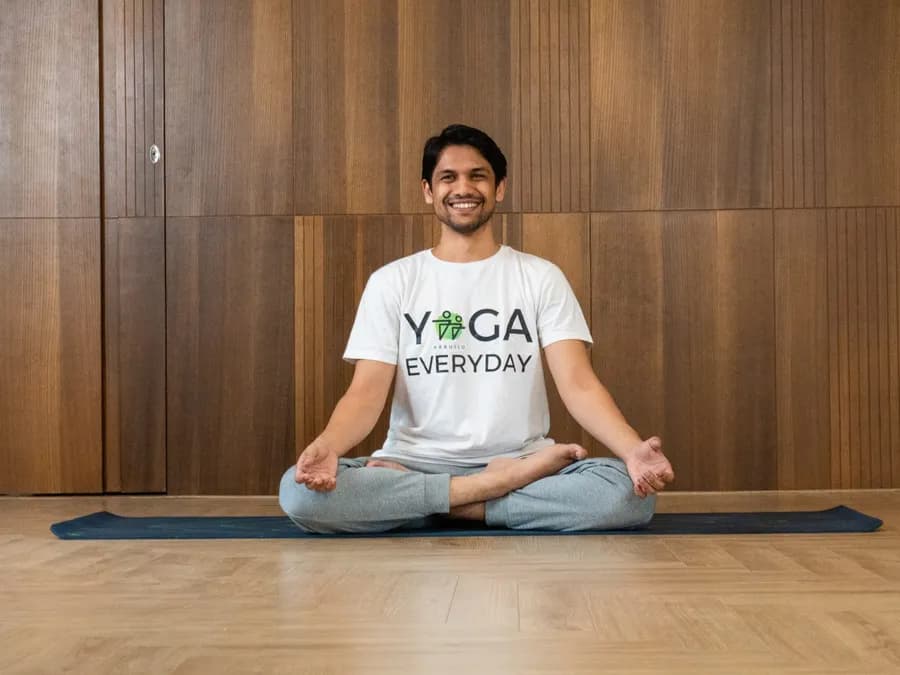
Sukhasana (Easy Pose): Steps Benefits and Meditation Foundation
Try sukhasana with Habuild. Discover the sukhasana pose to improve posture, reduce stress, and cultivate a calm and focused mind. Start your session today!

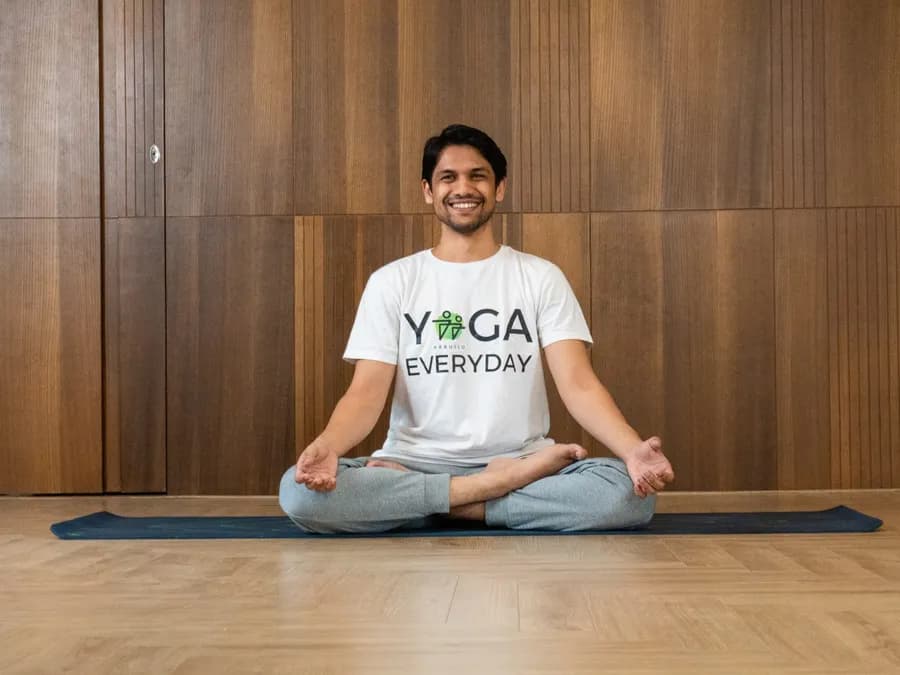
Pranayama Asana: A Guide to Breathing Poses Benefits and Practice
Practice Pranayama Asana with Habuild. Learn pranayama breathing types, steps, and benefits for lung health, stress relief, and daily vitality. Start today!

Benefits of Meditation: A Simple, Honest Guide
What meditation can really do for your mind and body — and what it can't. Start noticing the shifts for yourself with Habuild's daily guided meditation practice.