
How to Make Your Nervous System Strong: 10 Science-Backed Ways
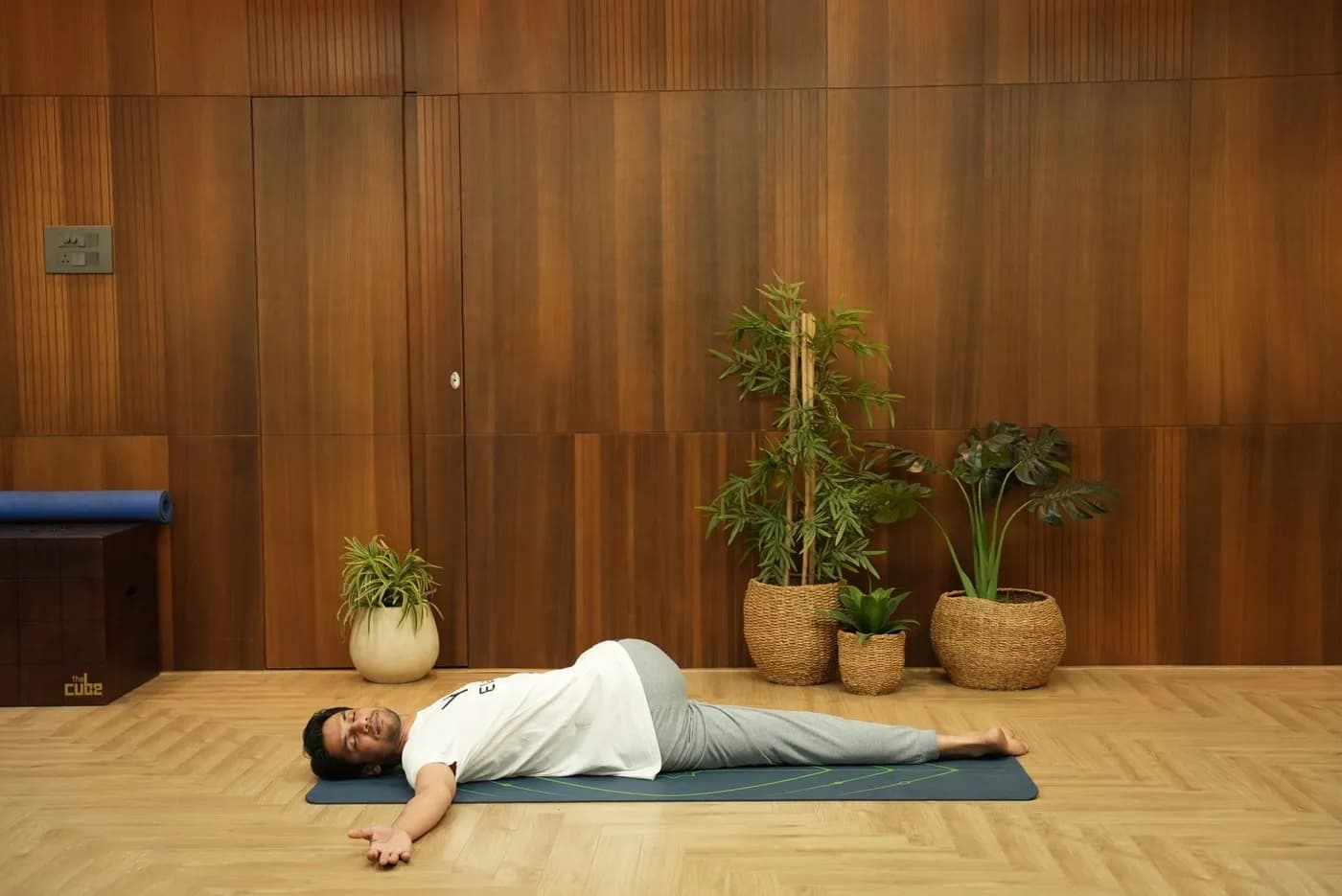
Consistent bodyweight training, yoga, and breathwork can gradually support a more resilient nervous system, with no equipment required. See 10.
Key Takeaways
- Helps the body shift more smoothly between stress response and rest-and-recovery states.
- Strength training and yoga both improve neuromuscular coordination and muscle response.
- Proprioception, knowing where your body is in space, is itself a nervous system function.
- Chronic muscle tightness is often a sign of an overstimulated nervous system.
- The nervous and immune systems communicate closely, so one affects the other.
A strong nervous system helps your body manage stress, coordinate movement, regulate sleep, and recover from daily exertion. Consistent physical practice — including bodyweight strength training, yoga, and breathwork — can gradually support a more resilient nervous system at home, with no equipment required.
If you’ve been wondering how to make nervous system strong, you’re not alone. Millions of people deal with stress, fatigue, poor sleep, and brain fog — all of which are closely linked to nervous system health. The good news is that consistent movement, structured training, and smart daily habits can build meaningful resilience over time. This guide gives you a practical, actionable roadmap to get started.
10 Benefits of a Strong Nervous System
- Better Stress Response A well-conditioned nervous system helps your body shift more smoothly between the stress response and the rest-and-recovery state. Regular exercise and breathwork gradually improve how your body handles daily pressure without staying in a prolonged state of tension.
- Improved Sleep Quality When your nervous system is under chronic strain, sleep suffers. Strengthening it through consistent movement and relaxation practices can help you fall asleep faster and wake feeling more restored.
- Sharper Mental Focus A healthy nervous system supports clearer thinking, better memory, and faster reaction times. Structured physical training contributes to improved cognitive sharpness in daily life over time.
- Enhanced Muscle Control and Coordination Your nervous system governs every movement you make. Strength training and yoga both improve neuromuscular coordination — meaning your muscles respond more efficiently to signals from the brain.
- Greater Emotional Resilience The connection between the nervous system and emotional regulation is well established. Building physical consistency through exercise supports a more balanced mood and a greater sense of overall well-being.
- Reduced Physical Tension Chronic muscle tightness is often a sign of an overstimulated nervous system. Practices like yoga and deep breathing help the body gradually release stored tension through regular practice.
- Stronger Immune Function The nervous and immune systems communicate closely. Supporting one through healthy lifestyle habits can have a positive ripple effect on the other, helping you feel more robust through seasonal changes and daily stressors.
- Better Posture and Proprioception Knowing where your body is in space — proprioception — is a nervous system function. Exercises that challenge balance and stability train this sense, which also helps prevent injury over time.
- Reduced Anxiety and Nervous Tension Both strength training and yoga support the management of everyday anxiety. They help shift the nervous system away from hyperarousal and toward a calmer baseline through consistent practice.
- Faster Recovery Between Workouts A well-regulated nervous system recovers more efficiently — less soreness, better adaptation to training loads, and a more sustainable fitness routine over the long term.
How to Get Started with Building a Strong Nervous System
What You Need to Begin
You don’t need a gym membership or expensive equipment. The foundation of nervous system conditioning is consistency — a yoga mat, comfortable clothing, and 20–30 minutes a day are genuinely enough to begin. Breathing exercises, bodyweight strength work, and structured yoga sessions are all highly effective and require zero equipment.
If you want additional challenge over time, light resistance bands or dumbbells can be added gradually. You can explore structured strength training programs that layer progressive resistance without overwhelming your recovery capacity.
Setting Realistic Goals
Building a strong nervous system is a gradual process — not a 7-day fix. Set your initial target at simply showing up consistently for the first four weeks. Avoid overloading your schedule with intense sessions back-to-back; the nervous system needs adequate recovery to adapt. Focus on progress that feels sustainable, not impressive.
Start with the Basics
Begin with gentle movement: diaphragmatic breathing, cat-cow stretches, and basic bodyweight exercises like wall squats and modified push-ups. These activate the parasympathetic nervous system — the “rest and digest” branch — while also building foundational strength. Aim for three to four sessions per week and gradually increase intensity as your body adjusts.
Best Exercises to Help Build a Strong Nervous System
These seven exercises are particularly effective for how to build a strong nervous system because they challenge neuromuscular coordination, breath control, and structural stability simultaneously.
Diaphragmatic Breathing
This is the most direct way to regulate your nervous system. Slow, deep belly breathing activates the vagus nerve and shifts the body into a parasympathetic state. Practice 5–10 minutes daily: inhale for 4 counts, hold for 4, exhale for 6–8 counts.
Plank Hold
The plank builds deep core stability while demanding focused neuromuscular control. Hold for 20–30 seconds initially, progressing to 60 seconds across 3 sets. The isometric demand trains the nervous system to maintain tension under sustained load without fatigue spikes.
Bodyweight Squats
Squats engage the largest muscle groups in the body and require coordinated nervous system input throughout the movement. Perform 3 sets of 10–15 reps with a slow, controlled descent to build both strength and neuromuscular efficiency.
Yoga — Cat-Cow Flow
This spinal mobilization done in sync with the breath directly stimulates the vagus nerve and supports spinal nerve health. Flow through 10–15 slow cycles each morning. It is one of the most underrated tools for nerve recovery and daily stress management. For a broader practice, yoga for nervous system health offers targeted routines that build on this foundation.
Warrior I (Virabhadrasana I)
This standing pose challenges balance, hip stability, and upper body alignment simultaneously. It builds proprioceptive awareness while stretching the hip flexors and activating the glutes. Hold for 30–45 seconds per side across 3 rounds.
Push-Ups
Push-ups train the chest, shoulders, triceps, and core through a single coordinated movement — requiring the nervous system to fire multiple muscle groups in sequence. Begin with incline or knee push-ups if needed. Perform 3 sets of 8–12 reps with controlled tempo.
Alternate Nostril Breathing (Nadi Shodhana)
This pranayama technique helps balance the nervous system and is particularly effective for calming an overactive stress response. Practice for 5 minutes before sleep or after a challenging workout. It complements physical training by addressing the nervous system directly through breath regulation.
Common Mistakes to Avoid When Strengthening Your Nerves
- Poor Form Incorrect movement patterns send faulty signals through the nervous system and increase injury risk. Always prioritize form over load or speed. Working with a guided program ensures correct alignment from the start.
- Skipping Warm-Up The nervous system needs a gradual ramp-up before intense effort. Skipping warm-up means your neuromuscular system is operating cold — reaction time is slower, coordination is off, and injury risk climbs. Spend at least 5–7 minutes on gentle mobility and breath activation before any session.
- Overtraining Without Recovery Training too frequently without sufficient rest is one of the most common reasons people feel chronically fatigued. The central nervous system needs rest days to consolidate adaptations. Signs of overtraining include poor sleep, irritability, and persistent muscle heaviness.
- Inconsistency The nervous system adapts slowly and responds to repeated, consistent stimulus. Sporadic effort prevents meaningful adaptation. Showing up regularly at moderate intensity consistently outperforms occasional high-effort bursts over any meaningful time horizon.
Who Should Try Building a Stronger Nervous System?
- Beginners If you’ve never trained consistently, your nervous system has the most room to adapt. Even simple daily movement — a 20-minute yoga session or a short walk followed by basic bodyweight exercises — can produce noticeable improvements in energy, focus, and stress tolerance within a few weeks.
- Women Women often experience hormonal fluctuations that directly affect nervous system regulation. Strength training and yoga can support a more stable baseline across the monthly cycle. Consistent practice supports the body’s natural ability to regulate itself over time — without any risk of unwanted bulk.
- Older Adults Age-related decline in neuromuscular function is well documented, but it is not inevitable. Regular strength and balance training can meaningfully support how nerves and muscles coordinate as you age, helping maintain independence and reducing fall risk. Please consult your doctor before beginning a new exercise program if you have any existing health conditions.
- Working Professionals Desk work, long screen hours, and chronic low-grade stress are all nervous system stressors. Short, consistent training sessions — even 25 minutes of yoga or bodyweight strength work — can serve as an effective daily reset. For professionals juggling demanding schedules, live guided online sessions make consistency far easier to maintain.
Build Strength with a Routine That Actually Works
Building a strong nervous system isn’t about doing random workouts — it’s about consistency, guidance, and following a structured plan. With the right support, you can train effectively from home and experience gradual, meaningful progress over time.
What You Get with Habuild’s Strong Everyday Program:
- Daily live guided strength and yoga sessions
- Beginner-to-advanced progression designed for sustainable adaptation
- No-equipment and home-friendly workouts
- Expert guidance to ensure correct form and safe practice
- Community support to keep you consistent day after day
If you’re serious about learning how to make nerves strong and want a structured program that combines strength training with nervous system-friendly movement, Habuild’s daily sessions are built exactly for that. Explore strength training for core stability as a strong entry point into the program.
Start Your Nervous System Strengthening Journey
Frequently Asked Questions
Related Articles
How to Strengthen Nervous System Naturally
Your nervous system controls every movement, reflex, and recovery response in your body — targeted exercise and consistent habits can build real.


How to Make Digestive System Strong: A Practical Daily Guide
Consistent meal timings, thorough chewing, daily movement, fibre-rich whole foods, and core-strengthening exercises build a resilient gut over 8-12 weeks. See the practical daily guide.


How to Make Bones Strong: Exercises, Habits, and a Plan That Works
Bones are living tissue that respond to movement and load — weight-bearing exercises, resistance training, and adequate calcium and vitamin D all support.