
How to Overcome Anxiety: Yoga, Breathwork and Natural Daily Practice
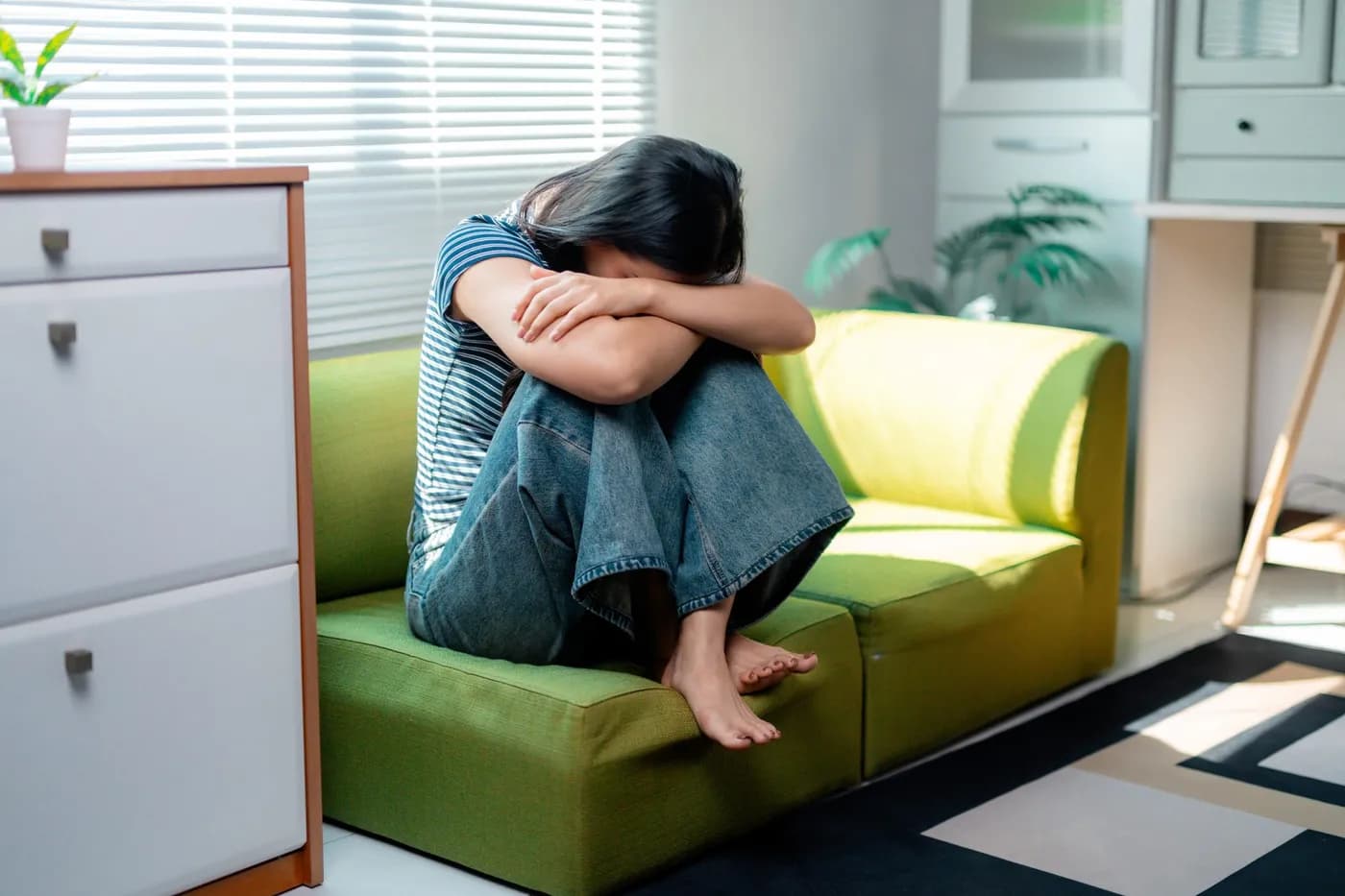
Anxiety is a physiological state driven by sympathetic overactivation, cortisol elevation, and GABA deficiency — not primarily a psychological problem.

Key Takeaways
- Anxiety affects roughly 40% of adults at some point, driven by physiology, not just psychology.
- A 2018 meta-analysis of 17 trials found yoga beat exercise-only and relaxation-only controls.
- The 4-7-8 breath pattern activates the vagus nerve within just 2-3 breathing cycles.
- Bhramari, humming bee breath, activates the vagus nerve even faster through its resonant hum.
- Default mode network hyperactivity is the specific mechanism behind rumination and catastrophising.
- Anxiety affecting daily functioning should involve a healthcare professional, not self-practice.
Anxiety — the persistent state of apprehension, physiological arousal and cognitive worry that affects 40% of adults at some point — is not primarily a psychological problem requiring psychological solutions. It is a physiological state driven by sympathetic nervous system overactivation, cortisol elevation, GABA deficiency and the default mode network hyperactivity that produces the rumination and catastrophising that anxiety feels like. The most reliable and evidence-supported natural methods for overcoming anxiety address these neurobiological drivers directly: pranayama that elevates GABA, yoga that reduces cortisol and the focused movement practice that suppresses the default mode network. This guide covers exactly what works and why.
How to overcome anxiety requires directly addressing the neurobiological mechanisms that maintain the anxious state — the HPA axis hyperactivity that sustains cortisol elevation, the sympathetic nervous system dominance that keeps the body in a state of threat readiness, and the default mode network overactivity that produces the rumination and worry that characterise anxiety. The best way to overcome anxiety through natural practice combines pranayama breathwork (for immediate physiological calming), regular yoga (for structural HPA axis and cortisol normalisation) and the lifestyle disciplines that reduce the accumulated physiological burden that makes anxiety progressively more severe over time.
Note: If you are experiencing significant anxiety that affects daily functioning, please consult a healthcare professional. The practices in this guide are evidence-supported complementary approaches and are not a replacement for professional mental health support where it is needed.
Yes — multiple meta-analyses document that yoga and pranayama practice produce significant reductions in anxiety scores comparable to first-line pharmacological treatments for generalised anxiety disorder in mild-to-moderate presentations. A 2018 meta-analysis of 17 randomised trials found that yoga produced significantly greater anxiety reductions than active control conditions including exercise-only and relaxation training. The mechanisms are well-characterised: vagal activation, cortisol normalisation, GABA upregulation from yoga practice and the neural retraining of the fear circuits that consistent mindful movement produces.
Benefits of Yoga for How to Overcome Anxiety
- Immediate Sympathetic Deactivation — How to Overcome Fear and Anxiety in 30 Seconds How to overcome fear and anxiety in 30 seconds through breathwork: the 4-7-8 breath (inhale 4 seconds, hold 7, exhale 8) activates the vagus nerve within 2-3 cycles, immediately reducing heart rate and cortisol through the baroreflex and respiratory vagal pathways. Bhramari pranayama (humming bee breath) activates the vagus nerve even faster through its resonant humming mechanism. These techniques for how to overcome anxiety immediately work through measurable physiological mechanisms, not placebo.
- Structural HPA Axis Normalisation through Daily Yoga The best way to overcome anxiety long-term requires the structural HPA axis changes that reduce the cortisol baseline — the hormonal driver that maintains the physiological state of anxiety between triggering events. Research documents measurable HPA axis normalisation at 8-12 weeks of consistent yoga practice: lower basal cortisol, faster cortisol recovery after stress and improved HRV (the autonomic nervous system balance that reflects anxiety recovery capacity). This structural change is what makes yoga one of the most effective natural ways to overcome anxiety long-term.
- GABA Upregulation — How Yoga Reduces Anxiety Neurochemically GABA is the primary inhibitory neurotransmitter that reduces neural excitability and anxiety — and many pharmacological anxiety treatments work by enhancing GABA activity. Research documents that yoga practice significantly increases brain GABA levels compared to equivalent walking exercise — through the specific combination of posture, breathing and meditation that yoga involves. This neurochemical mechanism for how to overcome anxiety through yoga operates independently of cognitive or behavioural changes.
- Improved Sleep Quality That Reduces Next-Day Anxiety Sleep deprivation is among the most reliable experimental methods for producing anxiety — and improving sleep quality through evening yoga practice is among the most reliable natural ways to overcome anxiety by removing the sleep-anxiety amplification cycle. How to overcome anxiety sustainably requires the sleep quality that overnight HPA axis restoration provides. Regular aerobic activity reduces cardiovascular disease risk by up to 35% and improves the sleep quality that anxiety management requires.
Vagal activation through pranayama produces measurable heart rate and cortisol reductions within 2-3 breathing cycles — providing the physiological basis for how to overcome fear and anxiety in 30 seconds through targeted breathwork.
Regular aerobic activity reduces cardiovascular disease risk by up to 35% — and the improved sleep quality and cortisol baseline from consistent yoga practice address the most important modifiable drivers of anxiety.
How to Get Started Overcoming Anxiety through Yoga
What You Need to Begin
Only a quiet space, a yoga mat and daily commitment. The most powerful tools for how to overcome anxiety are breath and body practice — requiring no medication, no supplements and no specialist equipment to begin producing meaningful anxiety reduction.
Setting Realistic Goals for Anxiety Reduction through Yoga
Ways to overcome anxiety realistic timeline: immediate acute anxiety reduction from the first Bhramari or 4-7-8 breathwork session. Daily anxiety level reduction at 2-4 weeks of consistent practice. Structural HPA axis and GABA changes at 8-12 weeks. How to overcome anxiety as a persistent state change at 3-4 months of consistent daily yoga and pranayama.
Start with These Basics for How to Overcome Anxiety
Begin: 10 rounds of Bhramari pranayama (immediate vagal calming), 10 minutes of Nadi Shodhana (sustained DMN deactivation), Child’s Pose 5 minutes (frontal vagal activation), 15 rounds of Surya Namaskar (BDNF and cortisol normalisation), Viparita Karani 10 minutes before sleep (overnight cortisol reset). This daily sequence is the most comprehensive starting protocol for how to overcome anxiety through natural yoga practice.
Best Yoga and Breathwork Practices for How to Overcome Anxiety
Bhramari Pranayama — Fastest Way to Overcome Fear and Anxiety in 30 Seconds
Humming bee breath activates the vagus nerve through resonant vibration within seconds — the fastest available natural way to reduce acute anxiety. Eyes closed, ears covered, humming on a long exhale. Ten rounds produce measurable heart rate and cortisol reduction. The best answer to how to overcome fear and anxiety in 30 seconds through physiological mechanism. Difficulty: Beginner. See also: pranayama-benefits
Nadi Shodhana — Best Way to Overcome Anxiety Sustained DMN Deactivation
Alternate nostril breathing deactivates the default mode network (the brain’s rumination system), balances hemispheric activity and produces the sustained alpha wave brain state that is neurologically incompatible with anxiety. 15 minutes of Nadi Shodhana is the best way to overcome anxiety through sustained neural state change. Daily before the most demanding period of the day. Difficulty: Beginner. See also: how-to-calm-your-mind
Child’s Pose (Balasana) — How to Overcome Anxiety through Frontal Vagal Activation
Forehead-to-floor pressure activates the frontal bone’s vagal pressure receptors, producing the immediate parasympathetic shift that reduces acute anxiety within the first minute of the pose. Five to ten minutes of Child’s Pose is among the most accessible and immediate ways to overcome anxiety through a physical posture. Difficulty: Beginner. See also: yoga-for-relaxation
Surya Namaskar — Structural Anxiety Reduction through BDNF and Cortisol
Daily aerobic yoga through Surya Namaskar produces the BDNF elevation and cortisol normalisation that are the structural mechanisms for how to overcome anxiety long-term — the same neurochemical changes that antidepressant medication produces through pharmacological mechanisms. 15-20 daily rounds produce the most comprehensive available natural anxiety reduction through the aerobic and yoga-combined mechanism. See also: surya-namaskara
Yoga Nidra — How to Overcome Anxiety through Deep Nervous System Reset
Guided yogic sleep produces the delta wave brain state of deep sleep in a conscious position — the deepest available nervous system reset for chronic anxiety that has accumulated over weeks or months of sustained stress. 20-30 minutes of daily Yoga Nidra produces the HPA axis recovery that overnight sleep provides, making it invaluable for managing the anxiety of sleep-disrupted individuals. Difficulty: Beginner. See also: yoga-for-tension-relief
Common Mistakes When Trying to Overcome Anxiety
- Mistake 1: Avoiding the Physical Sensations of Anxiety Instead of Facing Them through Breath Avoidance of anxiety-provoking situations and sensations maintains anxiety by preventing the habituation and cortisol normalisation that exposure produces. The best way to overcome anxiety through yoga is learning to stay present with the physical sensations of anxiety while breathing through them — the physical courage of pranayama practice during anxiety is itself the therapeutic mechanism.
- Mistake 2: Only Practising When Anxious Instead of Daily Preventive Practice Reactive pranayama during acute anxiety episodes provides acute relief without the structural HPA axis change that prevents anxiety from recurring. How to overcome anxiety sustainably requires daily preventive practice during calm periods — building the cortisol baseline and vagal tone that make anxiety progressively less intense over time.
- Mistake 3: Caffeine and Screen Use That Maintain Physiological Anxiety Caffeine maintains sympathetic activation and blocks the adenosine-driven physiological calming that accumulates through the day. Evening screen use elevates cortisol and delays sleep. Ways to overcome anxiety through lifestyle must include reducing these physiological anxiety maintainers alongside adding the yoga and pranayama practices.
- Mistake 4: Expecting Results Without Daily Consistency The structural HPA axis and GABA changes that produce lasting anxiety reduction require 8-12 weeks of consistent daily practice. Tips to overcome anxiety through yoga require the same consistency discipline as any structural neurological change — the benefit is not available on demand without the daily practice foundation.
Who Should Try These Anxiety-Overcoming Practices?
- Beginners with Mild to Moderate Anxiety Bhramari, Child’s Pose and Nadi Shodhana are completely beginner-accessible from day one. How to overcome anxiety begins with these three daily practices at any current anxiety level or yoga experience.
- Working Professionals with Performance Anxiety The immediate vagal activation of Bhramari before demanding professional situations — presentations, negotiations, important meetings — provides the physiological calming that transforms performance anxiety into manageable alertness within minutes.
- People Who Have Tried Other Anxiety Methods Without Success If CBT, medication and other approaches have provided partial anxiety relief without full resolution, yoga’s GABA upregulation, HPA axis normalisation and vagal tone development address neurobiological dimensions of anxiety that cognitive approaches cannot fully reach.
- Anyone Seeking Sustainable Long-Term Anxiety Management Daily yoga for how to overcome anxiety builds the nervous system resilience that makes anxiety progressively less frequent and less intense — the long-term practitioner describes their anxiety baseline as genuinely lower rather than better managed.
Build a Healthier Life with a Routine That Actually Works
Improving anxiety relief and nervous system health is not about occasional effort — it is about daily consistent practice with expert guidance. With the right support, you can make meaningful progress from home and sustain it.
- Daily live guided yoga and movement sessions — 45 minutes, 6 days a week
- Beginner to advanced progression built in
- No equipment required
- Expert guidance for correct technique every session
- Community of 1.5 Crore+ members for daily accountability
Because anxiety is largely a physiological state — sympathetic overactivation, low GABA, an overactive default mode network — calming it durably takes repeated nervous-system regulation, not a single breathing exercise reached for mid-panic. Daily practice trains the nervous system the way daily repetition trains any other system in the body. Habuild’s Yoga Everyday program offers guided daily sessions built around exactly this kind of regulation, as a complement to any therapy or treatment you’re already pursuing.
Frequently Asked Questions
Related Articles
How to Reduce Anxiety Immediately: 7 Techniques That Calm You Down Fast
Acute anxiety episodes respond to techniques that address the body-mind connection through breath, movement, and grounding, working within minutes. See
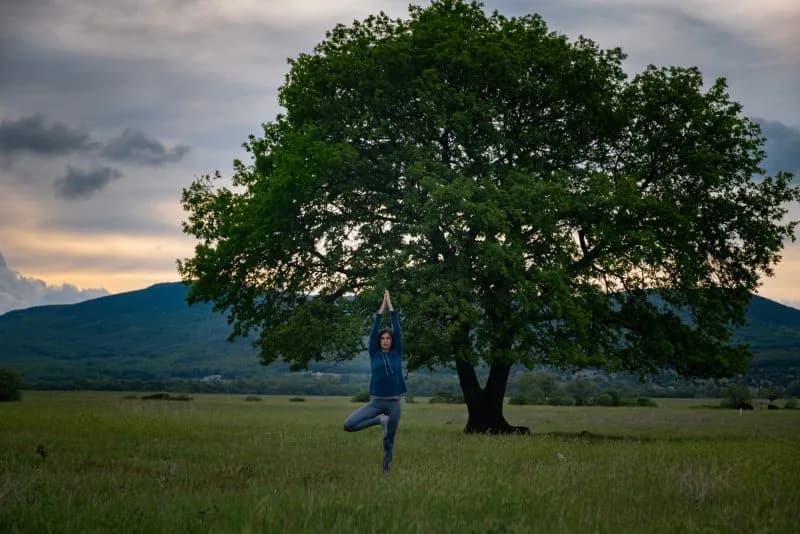
How to Master Yoga Balance Poses
Systematic progression, daily practice, and the right technical cues are what separate a confident practitioner from a beginner in balance work. See the

How to Practice Kriya Yoga at Home: Types and Step-by-Step Guide
The yoga of purification action includes the nauli abdominal massage, neti nasal cleansing, and tratak visual concentration developed to maintain the