
How to Master Yoga Balance Poses
Systematic progression, daily practice, and the right technical cues are what separate a confident practitioner from a beginner in balance work. See the
Key Takeaways
- Balance improves through neurological adaptation, a slower process than muscular strength gain.
- Research confirms balance pose training cuts fall risk by 23-35% in adults over 50.
- A drishti, fixed gaze point, anchors attention while the body manages continuous feedback.
- Expect 4-6 weeks before confident, unsupported balance in poses like Vrikshasana.
- Advanced poses like Sirsasana or Eka Pada Koundinyasana need 6-12 months of preparation.
- Requires almost no equipment – a mat, bare feet, and a wall or chair for support.
Why Yoga Balance Poses Are Worth Mastering
Builds Whole-Body Proprioception and Neural Coordination
Balance yoga poses specifically train the vestibular system, visual balance system, and the proprioceptive network in the ankles, knees, and hips simultaneously. This neural coordination training transfers to every physical activity — from walking on uneven ground to athletic performance.
Develops Functional Strength That Other Exercises Miss
Holding balance yoga poses requires the stabilising muscles of the ankle, hip, and core to fire continuously at low intensity — developing the endurance-strength of the stabiliser muscles that conventional exercise rarely challenges. This is the strength that prevents falls and injuries in everyday life.
Trains Mental Focus and Present-Moment Awareness
Every second in a balance yoga pose is a concentration training repetition. The mind must anchor to a drishti (gaze point) and the body feedback simultaneously — developing the focused attention that yoga and meditation traditions have always valued as the primary benefit of balance practice.
Improves Posture and Spinal Alignment
Advanced yoga balance poses — and even balance yoga poses for beginners — require the practitioner to find their neutral spinal alignment as a foundation for stability. Regular practice progressively improves habitual standing and sitting posture through the same neuromuscular pathway.
Reduces Fall Risk — Especially for Older Adults
Research consistently confirms that balance yoga poses training reduces fall risk by 23–35% in adults over 50. The ankle proprioception and hip strategy development from regular balance yoga practice produces the most practically valuable functional outcome of any yoga practice type.
How to Get Started with Yoga Balance Poses
What You Need to Begin
Learning how to master yoga balance poses requires almost nothing: a yoga mat is important), bare feet for maximum proprioceptive feedback, and a wall or chair within reach for balance yoga poses for beginners. No special equipment — the complexity comes entirely from your own body and nervous system.
Setting Realistic Goals
Balance yoga poses improve through neurological adaptation, which is slower than muscular strength gain. Set a timeline of 4–6 weeks before expecting confident, unsupported balance in beginner poses like Vrikshasana. Advanced yoga balance poses like Sirsasana or Eka Pada Koundinyasana require 6–12 months of systematic preparation. Start with 5–10 minutes of dedicated balance work daily — short and frequent produces faster neural adaptation than occasional long sessions.
Start with the Basics — the Four Foundations
Before attempting any balance yoga pose, establish four fundamentals. First: drishti — fix your gaze on a single still point at eye level; this visual anchor is the single most powerful balance stabiliser available. Second: root the standing foot — spread the toes, press through the four corners of the foot. Third: engage the core — a mild abdominal engagement (not gripping) provides the stable trunk from which balanced limb movement is possible. Fourth: breathe — held breath produces muscular tension that destroys balance; continuous nasal breathing is the technical key to balance yoga poses.
Best Yoga Balance Poses — from Beginner to Advanced
Tadasana — Mountain Pose (Foundation of All Balance Yoga Poses) Beginner
Sanskrit: Tadasana | English: Mountain Pose The most important of all balance yoga poses for beginners — not because it appears easy, but because perfect Tadasana establishes the alignment and rooting that every other balance pose depends on. Stand with feet hip-width, four corners of the feet pressing equally, thighs engaged, spine lengthened, crown lifting. Breathing: Slow nasal breath, belly expanding. Hold 10 deep breaths. Balance cue: Find the precise midpoint between forward and backward sway — this is your balance centre.
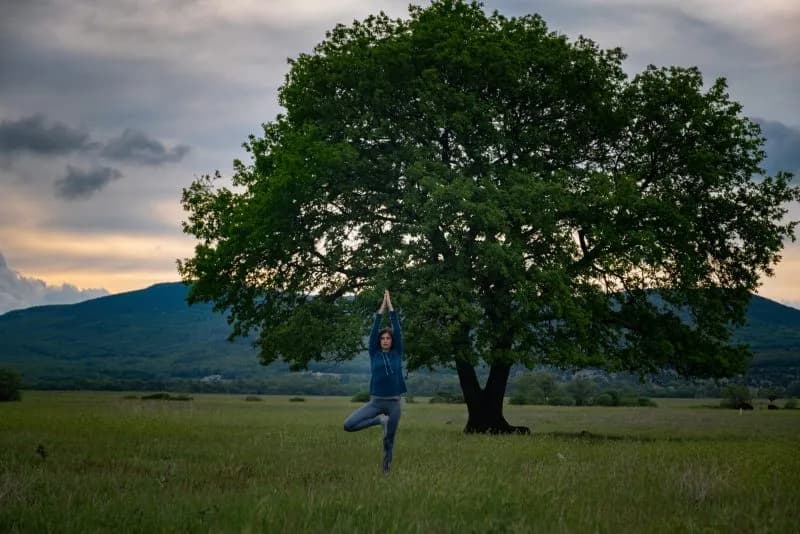
Vrikshasana — Tree Pose Beginner–Intermediate
Sanskrit: Vrikshasana | English: Tree Pose The most widely recognised of all balance yoga poses — and the gateway to understanding drishti, foot rooting, and hip stability simultaneously. From Tadasana, place one foot at the ankle (beginner), inner calf (intermediate), or inner thigh (full expression). Hands to heart or overhead. Breathing: Ujjayi breath throughout. The key instruction: The standing hip must not collapse outward — the hip must be actively held directly above the standing ankle. Progression: Eyes open → eyes closed → hands overhead → on foam surface.
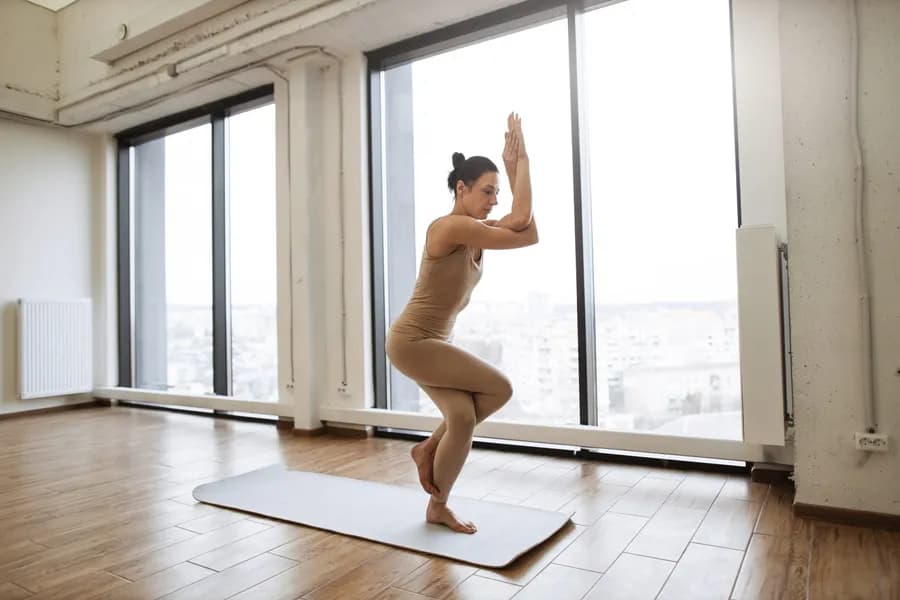
Garudasana — Eagle Pose Intermediate
Sanskrit: Garudasana | English: Eagle Pose One of the most demanding intermediate balance yoga poses — it combines a single-leg squat (requiring hip, quad, and core strength) with cross-body limb binding (challenging proprioception and shoulder mobility). The wrapped arms create a counter-weight that paradoxically helps stabilise the pose. Breathing: Slow exhalation deepens the squat; inhalation lifts. Balance cue: Focus drishti on a point between the crossed forearms. Beginner modification: Cross the legs but only curl the toes behind the calf rather than full wrap.
Virabhadrasana III — Warrior III Intermediate–Advanced
Sanskrit: Virabhadrasana III | English: Warrior III
The most functionally powerful of all balance yoga poses — creating a single-leg standing position with the entire torso and lifted leg parallel to the ground. This pose develops the hip stability, core engagement, and neural coordination of advanced yoga balance poses while remaining achievable with progression. Breathing: Continuous nasal breath; exhalation deepens the forward fold. Balance cue: Actively push through the heel of the lifted leg while pressing the standing foot through the floor — these opposing forces create stability. Beginner modification: Hands to wall, or use a chair as support.
Ardha Chandrasana — Half Moon Pose Intermediate–Advanced
Sanskrit: Ardha Chandrasana | English: Half Moon Pose Half Moon combines lateral body opening with single-leg balance — developing the hip abductor and lateral core strength that balance yoga poses for beginners cannot reach. The extended top arm and the lifted leg create the characteristic half-moon shape. Breathing: Inhale to lift; exhale to extend. Balance cue: Stack the hips vertically and actively rotate the top hip open toward the ceiling. Beginner modification: Bottom hand on a block to bring the floor closer.
Natarajasana — Lord of the Dance Pose Advanced
Sanskrit: Natarajasana | English: Lord of the Dance / Dancer Pose Among the most expressive advanced yoga balance poses — combining single-leg balance, hip flexor stretching, shoulder opening, and backbend simultaneously. The standing leg’s hip must be stable while the lifted leg presses back and up into the grip. Breathing: Ujjayi breath prevents the breath-holding that collapses this pose. Balance cue: The pose is driven by the press of the back foot into the hand — this extension is what opens the chest and creates the arc. Preparation: 3–6 months of Vrikshasana and Warrior III daily before attempting.
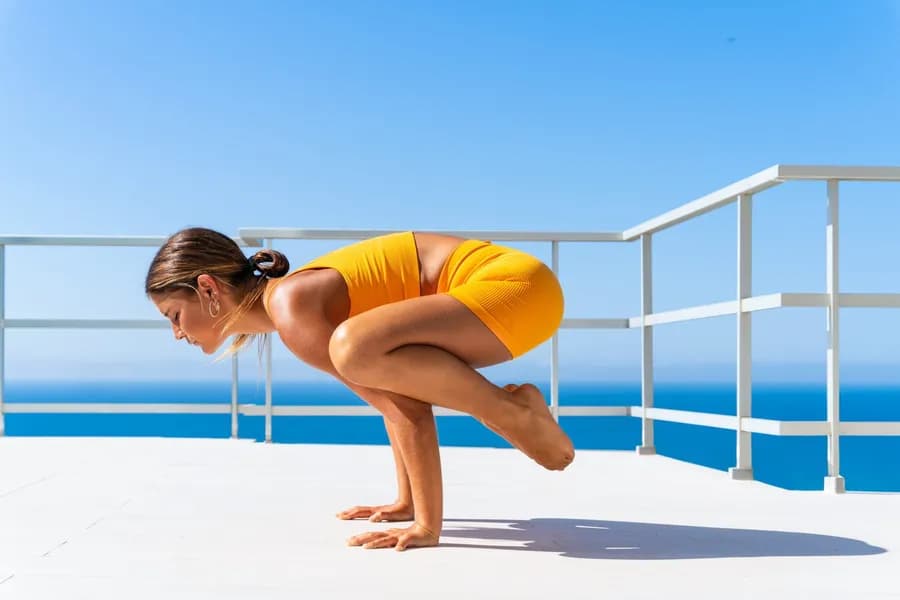
Bakasana — Crow Pose Advanced
Sanskrit: Bakasana | English: Crow Pose The entry-level arm balance — the first of the true advanced yoga balance poses where the body’s weight transfers entirely to the hands. Knees rest on the backs of the upper arms; core engagement lifts the feet off the floor. Breathing: Inhale before lifting; hold briefly during the hover. Balance cue: The secret of Crow Pose is not upper body strength — it is core engagement and forward lean. Lean forward until the balance point is found above the wrists. Preparation: 30-second dead hang grip strength, sustained Plank, and daily core work for 2–3 months before attempting.
Common Mistakes to Avoid in Yoga Balance Poses
- Looking Down Instead of Using Drishti The most universal balance yoga poses error — looking at the floor removes the visual horizon reference that the balance system depends on, making every pose immediately harder and failing to train the visual-vestibular integration that produces real-world balance improvement.
- Holding the Breath Holding the breath during balance yoga poses creates the systemic muscular tension that prevents the relaxed, adaptive micro-corrections that balance requires. Advanced yoga balance poses collapse immediately under the rigidity of held breath.
- Forcing Advanced Poses Before Building the Foundation Attempting advanced yoga balance poses like Natarajasana or Bakasana without the prerequisite ankle strength, hip stability, and neural coordination from simpler balance yoga poses produces repeated falling, discouragement, and potential wrist or ankle injury.
- Inconsistent Practice — Only Practising Balance Occasionally Balance is a neurological skill that requires frequent stimulus — practising balance yoga poses twice a week produces far less adaptation than 10 minutes daily. Balance improvement stalls without the daily repetition that drives neural pathway consolidation.
Fix: Before entering any balance yoga pose, set a drishti — a single unmoving point at eye level on the wall or floor ahead. Never shift this gaze during the hold. This single technical correction produces more immediate balance improvement than any other adjustment.
Fix: Continuous, slow nasal breathing — specifically a slow exhalation — is the single most important technical skill in balance yoga poses. Every balance improvement comes from learning to breathe steadily through the instability rather than tensing against it.
Fix: Master each level before progressing. Confident 60-second unsupported Vrikshasana → then Warrior III → then Ardha Chandrasana → then Natarajasana. The neural adaptation from each level is the foundation the next level requires.
Fix: 5–10 minutes of balance yoga poses daily — even just Tadasana and Vrikshasana — produces more consistent progression than weekly hour-long sessions. Habuild’s daily live format provides the daily practice stimulus that balance mastery requires.
Who Should Practise Yoga Balance Poses?
- Complete Beginners Balance yoga poses for beginners — Tadasana, wall-supported Vrikshasana, and seated balance work — are safe and accessible from the very first session. No flexibility or fitness background required. Beginning with wall support removes the discouragement of falling while still producing the proprioceptive training.
- Women of All Ages Balance yoga poses develop the hip stability, ankle strength, and proprioceptive network that specifically reduce the fall risk that increases after menopause due to the vestibular and musculoskeletal changes of hormonal transition. Habuild’s sessions include balance yoga poses appropriate for all stages.
- Older Adults Balance yoga poses training is the most evidence-supported intervention for fall prevention in older adults — reducing fall risk by 23–35% with consistent practice. Chair-supported balance yoga poses for beginners at any age make this benefit accessible to all. (Please consult your doctor before beginning any new exercise programme.)
- Working Professionals The focused mental state required for balance yoga poses — the drishti, the breath, the concentrated stillness — is the most direct yoga antidote to the scattered, screen-fragmented attention of desk work. Even 10 minutes of daily balance practice measurably improves sustained attention and reduces mental fatigue.
Build Balance with a Yoga Routine That Actually Works
Mastering yoga balance poses is not about raw athletic talent — it is about systematic daily practice with the right technical guidance. The drishti, the breath, the progressive foundation-building — all of these skills develop through consistent, guided repetition that Habuild’s live daily sessions are specifically designed to provide.
What You Get with Habuild’s Yoga Everyday Programme:
- Daily live guided sessions including balance yoga poses at every level
- Balance yoga poses for beginners through advanced yoga balance poses — systematic progression
- Real-time drishti, breath, and alignment corrections that make each pose productive
- No equipment — home-friendly balance practice from day one
- Community of 50,000+ members practising alongside you every morning
Start Your Yoga Balance Journey
Start Mastering Yoga Balance Poses Today
Frequently Asked Questions
Related Articles
Bakasana (Crow Pose): Steps Strength Tips and How to Master It
Practice Bakasana with Habuild. Follow the crow pose steps to build core strength, improve wrist stability, and master your first arm balance. Start today!
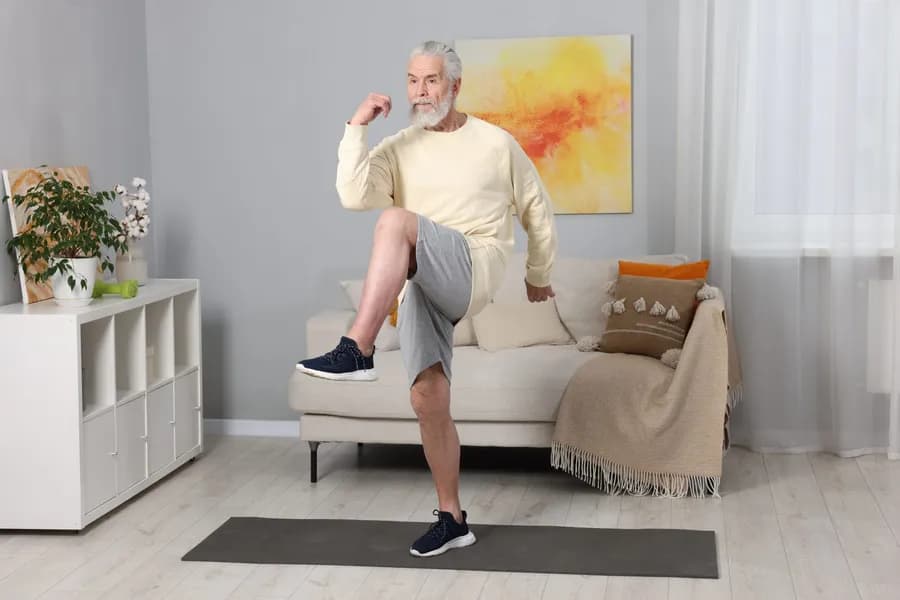
Balance Exercises for Seniors: 10 Best Moves to Improve Stability
Single-leg stands, heel-to-toe walks, and weight shifts strengthen the stabilising muscles that keep older adults steady and less prone to falls. See 10 best moves to build into a routine.
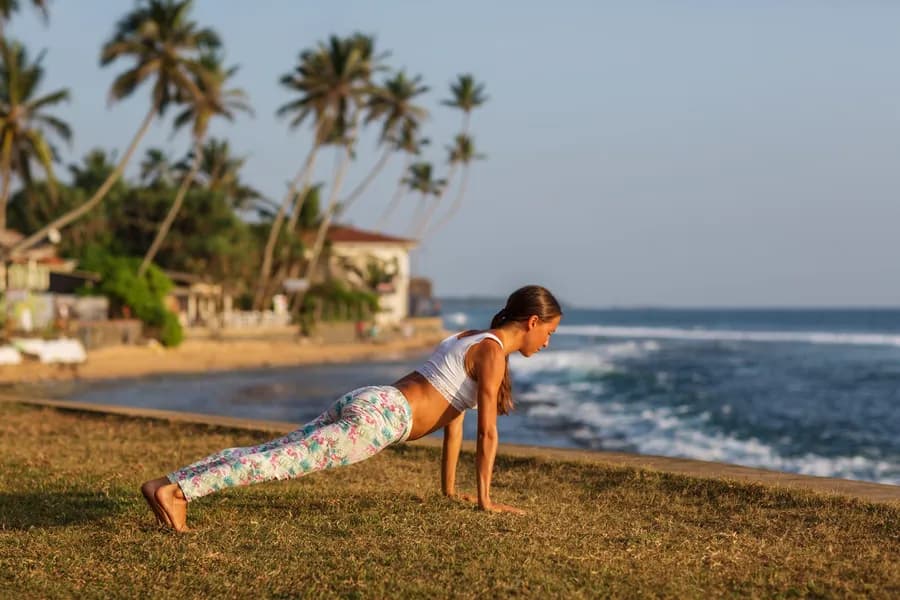
Arm Balance Yoga Poses: Steps, Benefits and Progressive Guide
The body balances entirely on the arms, typically with the legs lifted and the torso horizontal — a more horizontal orientation than the vertical