
Supine Yoga Asanas: Best Floor Poses, Steps & Relaxation Benefits
Lying face-up provides a gravity-supported, low-effort base from which deep stretching and spinal decompression become accessible without strength.
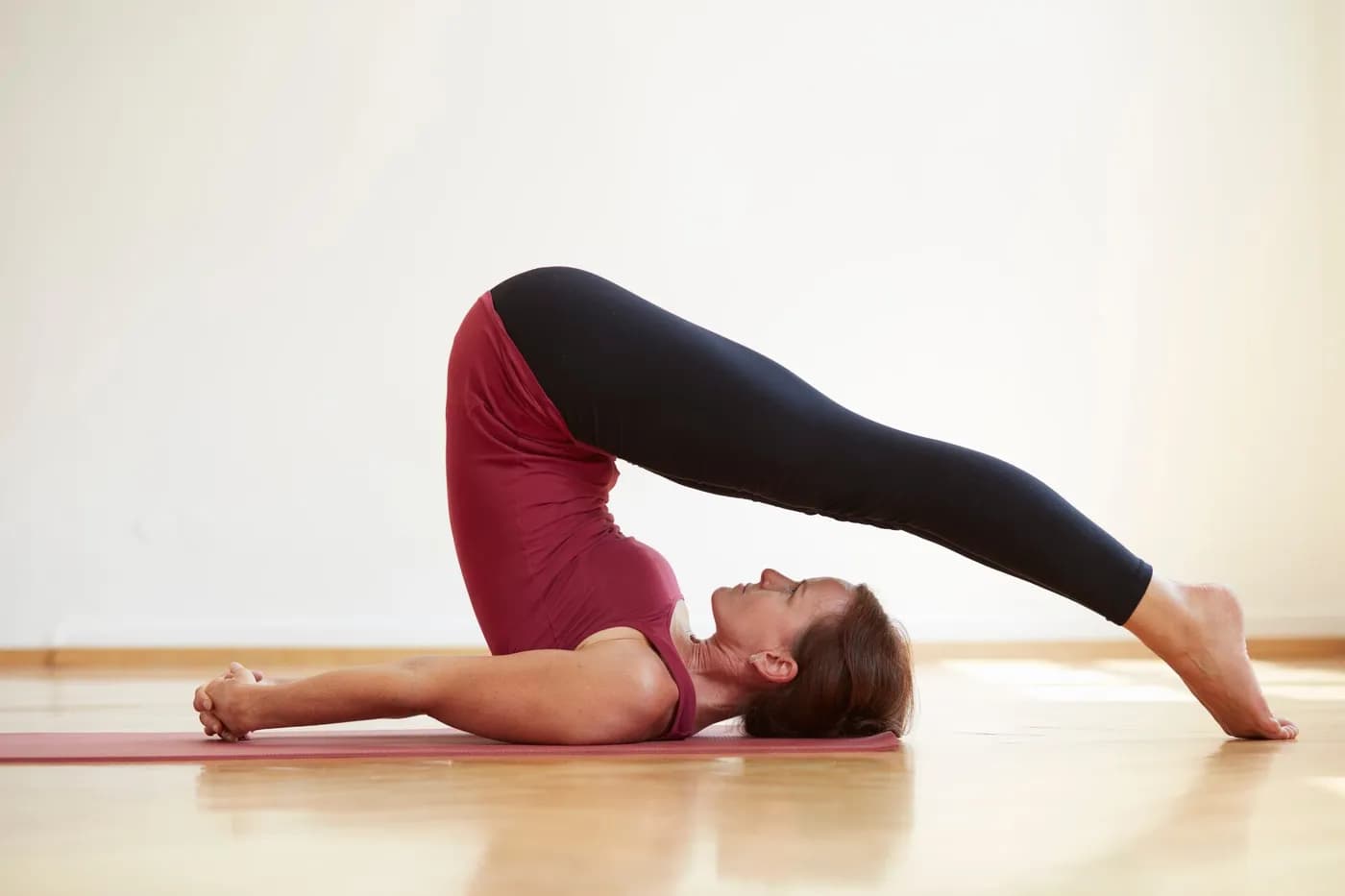
Key Takeaways
- Removing spinal gravity load in supine poses lets intervertebral discs rehydrate and expand.
- Savasana, held 10-20 minutes, is called both the simplest and most important supine pose.
- Supta Padangusthasana uses a strap to prevent lumbar rounding during hamstring stretching.
- The supine position provides a gravity-supported base needing no standing-pose strength.
- Reclined Baddha Konasana, held 5-10 minutes, is named therapeutic for menstrual health.
- Supine poses form the restorative cool-down layer that closes every yoga session.
Supine asanas — yoga poses performed lying face-up on the back — provide the most accessible and restorative dimension of yoga practice, delivering deep stretching, nervous system calming, and therapeutic benefits accessible to all practitioners.
What are Supine Yoga Asanas?
Supine yoga asanas are postures performed lying on the back (supine position) — from the Latin ‘supinus’, meaning face upward. In yoga, the supine position provides a gravity-supported, low-effort base from which deep stretches, spinal decompression, and restorative practices become accessible without the strength demands of standing or seated poses.
Supine yoga poses form the restorative and cool-down layer of every yoga session — the Supta (lying down) asanas of the classical tradition that release accumulated tension, integrate the session’s physical work, and transition the nervous system toward rest. They are also among the most therapeutically important poses for chronic pain, pelvic health, and recovery from injury or illness.
At Habuild, supine yoga asanas feature in every daily session — as warm-up hip openers, mid-session restorative holds, and the Savasana closing that is the most important yoga for health practice of any session.
Benefits of Supine Asanas in Yoga
Physical Benefits
Deep Stretch with Minimal Effort
The gravity support of the supine position allows the body to release into deep stretches without muscular effort — producing the parasympathetic relaxation that allows connective tissue to lengthen naturally. Supine hamstring stretches, hip openers, and spinal twists achieve greater tissue release than their standing equivalents.
Spinal Decompression
Removing gravitational spinal loading in the supine position allows the intervertebral discs to rehydrate and expand — making supine poses the primary spinal decompression therapy in yoga.
Best Supine Asanas
Savasana — The Most Important Supine Pose
Savasana — complete supine stillness for 10–20 minutes — is both the simplest and most important supine yoga asana. The gravity-supported complete relaxation allows the nervous system to shift fully into parasympathetic rest and the body to integrate the session’s physical work. Never skip Savasana.
Supta Baddha Konasana — Reclined Butterfly
Baddha Konasana in the supine position — soles together, knees falling open — provides complete pelvic floor release and deep inner thigh opening. Hold 5–10 minutes. One of the most therapeutic supine yoga poses for menstrual health, pelvic tension, and digestive calming.
Supta Padangusthasana — Supine Hamstring Stretch
Lying on the back with one leg raised (held by a strap) — the most controlled and gravity-supported hamstring stretch. Hold 2 minutes each side. The supine position prevents lumbar rounding that reduces standing hamstring stretch effectiveness.
Supta Matsyendrasana — Supine Spinal Twist
The supine spinal twist — lying on the back, one knee drawn across the body — provides the spinal mobility and abdominal massage benefits of twisting without any spinal compression. One of the most accessible supine yoga poses for back health.
Apanasana — Wind-Relieving Supine Pose
Pawanmuktasana — knees drawn to chest in supine position — is the supine pose asana most directly targeting digestive health and lower back relief. 5 slow repetitions release lumbar tension and trapped intestinal gas.
Common Mistakes to Avoid
Skipping supine poses as ‘too easy’ — Supine yoga asanas are not easier yoga — they are different yoga. The restorative depth available in long-held supine poses exceeds what vigorous dynamic practice delivers.
Rushing through Savasana — 5-minute Savasana delivers a fraction of 15-minute Savasana’s benefit. Hold the supine stillness through any restlessness.
Using too-thin a mat — Supine poses on hard floors without adequate mat cushioning reduce the comfort and therefore the depth of relaxation available. Use a quality mat or add padding.
Not using props in supine poses — Bolsters under the knees in Savasana, blankets under the head, and straps in Supta Padangusthasana significantly deepen the benefit of supine yoga asanas.
Senior Citizens (50+)
Supine yoga asanas are the most accessible and safest category of yoga for seniors — all poses have minimal physical demands while delivering significant flexibility, relaxation, and therapeutic benefits. Consult your doctor before beginning any new practice.
Start your 14 day free yoga journey with Habuild, today!
Frequently Asked Questions
Related Articles
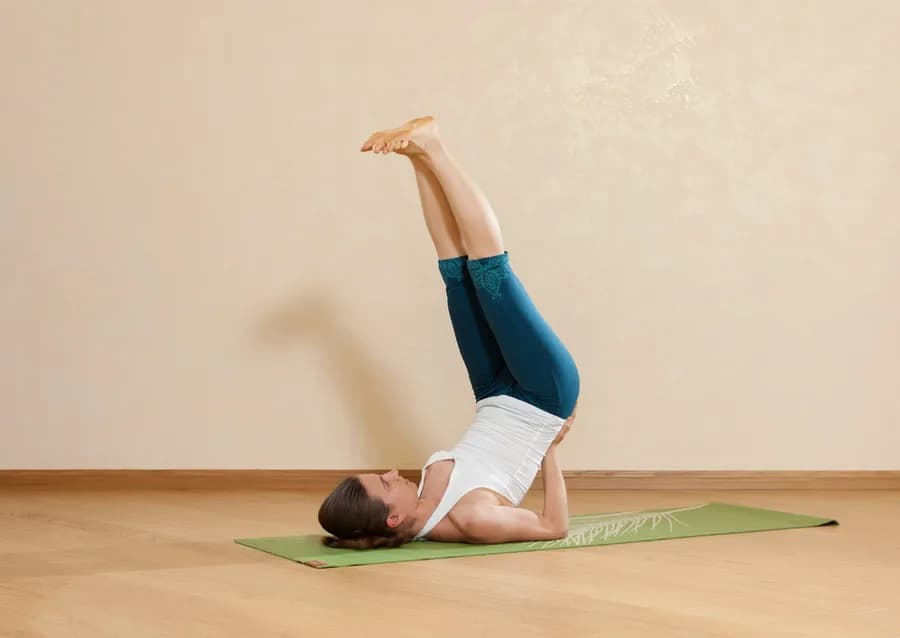
Yoga Asanas for Irregular Periods: Best Poses, Steps & Hormonal Benefits
Hormonal imbalances, thyroid dysfunction, chronic stress, and pelvic circulation issues are the most common causes behind cycles that are too short, too long, or missing. See the best poses and hormonal benefits.


Forward Bending Yoga Asanas: Best Poses, Steps & Flexibility Benefits
Folding the torso toward the legs stretches the entire posterior chain while activating the parasympathetic relaxation response at the same time. See the best poses, steps, and flexibility benefits.

10 Yoga Asanas: the Best Beginner Poses to Start Your Practice Today
These foundational poses appear in virtually every yoga tradition and together cover strength, flexibility, balance, spinal health, and relaxation in 30-45 minutes. See the best beginner poses to start today.