Forward Bending Yoga Asanas: Best Poses, Steps & Flexibility Benefits
Folding the torso toward the legs stretches the entire posterior chain while activating the parasympathetic relaxation response at the same time. See the best poses, steps, and flexibility benefits.

Key Takeaways
- Forward folds are named one of yoga’s four fundamental categories, with backbends and twists.
- Names the surrender posture of folding forward as activating parasympathetic calm most strongly.
- Abdominal compression in forward folds is said to directly stimulate liver and kidney function.
- Paschimottanasana held 3-5 minutes with a strap stretches the entire posterior chain at once.
- Wide-leg forward fold specifically addresses inner-thigh tightness limiting fold depth.
- Standing forward fold is named the most accessible entry into the category, held 2 minutes.
Forward bending yoga asanas are the primary flexibility-building and nervous-system-calming category in yoga — folding the body forward to stretch the entire posterior chain while simultaneously activating the parasympathetic relaxation response.
What are Forward Bending Yoga Asanas?
Forward bending yoga asanas (Paschima = west/back; Uttana = intense stretch) fold the spine and torso toward the legs — creating the anterior compression and posterior elongation that stretch the hamstrings, calves, erector spinae, and the entire back body from heel to occiput. Front bending asanas are one of the four fundamental yoga asana categories alongside backbends, twists, and inversions.
Forward bend pose yoga produces a distinctive physiological effect: the compression of the abdominal organs (liver, digestive tract, kidneys) stimulates digestive function and detoxification, while the surrender posture of forward folding activates the parasympathetic nervous system more strongly than any other asana category — explaining why forward folds produce calm, inner-turning mental states.
At Habuild, forward bending yoga asanas are integral to every session — providing the posterior chain flexibility, digestive stimulation, and nervous system calming that are central to our yoga for health curriculum.
Benefits of Forward Bending Asanas
Physical Benefits
Stretches the Full Posterior Chain
Forward bending yoga asanas produce the most comprehensive posterior chain stretch available — hamstrings, calves, lumbar erectors, thoracic extensors, and cervical extensors all lengthen simultaneously in deep forward folds. This posterior chain flexibility directly reduces lower back pain, improves posture, and enhances athletic performance.
Stimulates Abdominal Organs
The abdominal compression of forward bend poses directly massages the digestive organs, stimulates liver and kidney function, and improves digestive peristalsis — making forward bending yoga asanas among the most important practices for digestive health.
Best Forward Bending Yoga Asanas
Paschimottanasana — The Primary Forward Fold
Paschimottanasana — seated forward fold, both legs extended — is the most comprehensive single forward bending yoga asana. It stretches the entire posterior chain while compressing and stimulating the digestive organs. Hold 3–5 minutes with a strap.
Uttanasana — Standing Forward Fold
Standing forward fold — feet hip-width, folding from the hips with soft or straight knees — provides the most accessible front bending asana. Hold 2 minutes to release hamstrings and lower back. Excellent as a standing decompression between other poses.
Prasarita Padottanasana — Wide-Leg Forward Fold
Wide-legged standing forward fold stretches the adductors alongside the hamstrings — addressing the inner thigh tightness that limits full forward fold depth. Place crown of head on a block for full cervical release. Hold 2 minutes.
Janu Sirsasana — Single-Leg Forward Fold
Seated with one leg extended and one folded — fold over the extended leg. The rotation allows deeper posterior chain lengthening of the straight leg side. Hold 2 minutes each side. Essential forward bend pose for tight hamstrings.
Balasana — Restorative Forward Fold
Balasana is the most restorative forward bending yoga asana — the child’s pose providing lumbar decompression, anterior hip compression, and the deepest available forward fold rest. Hold 5–10 minutes for maximum restorative benefit.
Common Mistakes to Avoid
Rounding the lumbar spine aggressively — Forward fold depth should come from hip flexion — not from rounding the lower back. A rounded lumbar in deep forward folds increases disc pressure.
Forcing depth over breath — Forward bending yoga asanas release through breath and time — never through force. Let each exhalation deepen the fold naturally.
Locking the knees — Hyperextending the knees in forward folds risks ligament strain. Keep a micro-bend in the knees whenever the hamstrings are tight.
Skipping standing forward folds — Uttanasana and other standing front bending asanas are among the most efficient daily practices for total posterior chain health — never skip them in favour of only seated variants.
Senior Citizens (50+)
Forward bending yoga asanas are among the most accessible and beneficial practices for seniors — improving hamstring flexibility, reducing lower back stiffness, and providing the deep parasympathetic calming that supports sleep and stress management. Use a strap and blocks freely. Consult your doctor before beginning.
Start your 14 day free yoga journey with Habuild, today!
Forward folds work by degrees — the hamstrings and lower back release a little more each time you fold, and the calming, inward quality of these poses tends to deepen the more regularly they show up in your week. A single session rarely leaves the nervous system in that relaxed state for long, but a consistent rhythm of practice does. That’s the logic behind including a forward-bending sequence in Habuild’s Yoga Everyday program, timed daily so the calming effect has a chance to build.
Frequently Asked Questions
Related Articles
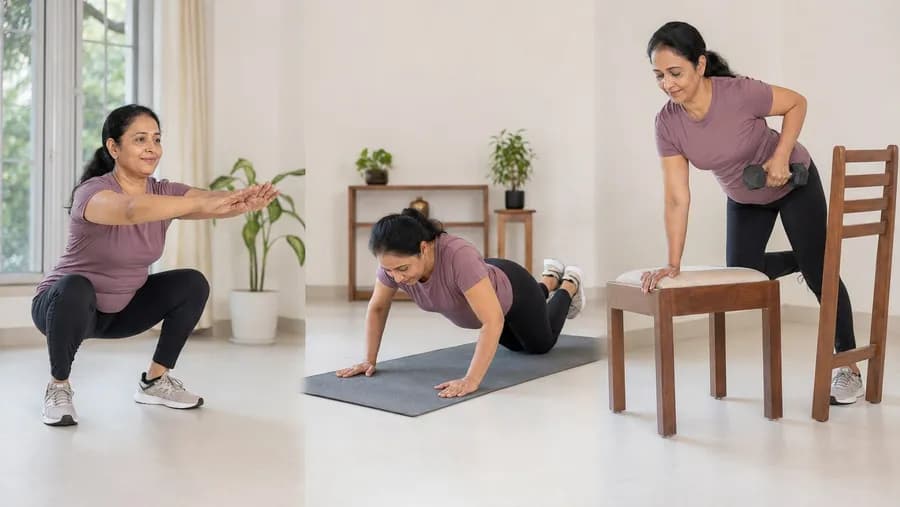
Different Yoga Poses (Yoga Asanas): Steps, Benefits & Precautions
From grounded standing shapes to deep backbends and restorative resting poses, all types of yoga asanas build strength, flexibility, and mental clarity together. See the names, steps, and who benefits most.
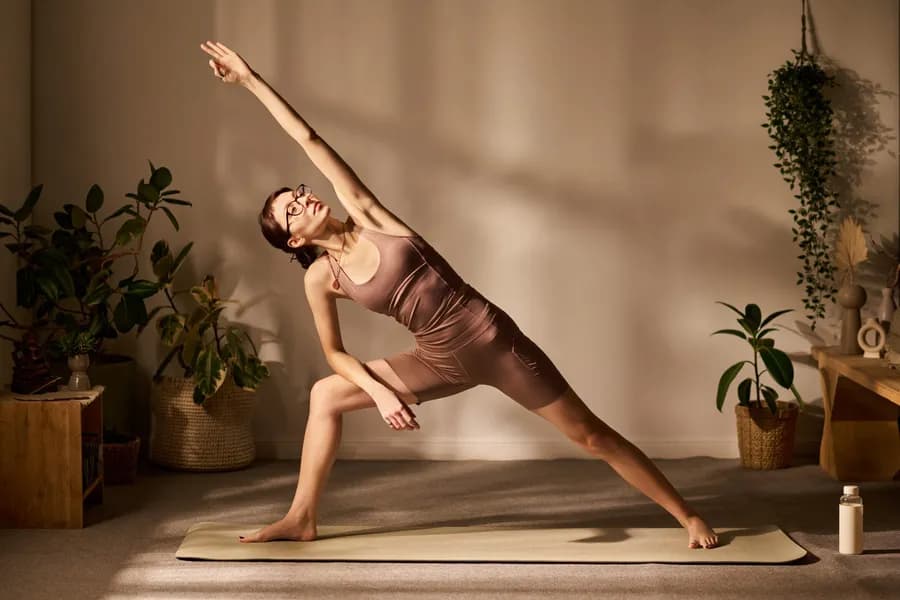
Daily Yoga Poses (Everyday Asanas): Steps, Benefits & Precautions
A curated set of asanas performed consistently every single day builds a body that is both strong and supple, breath and movement working together. See.
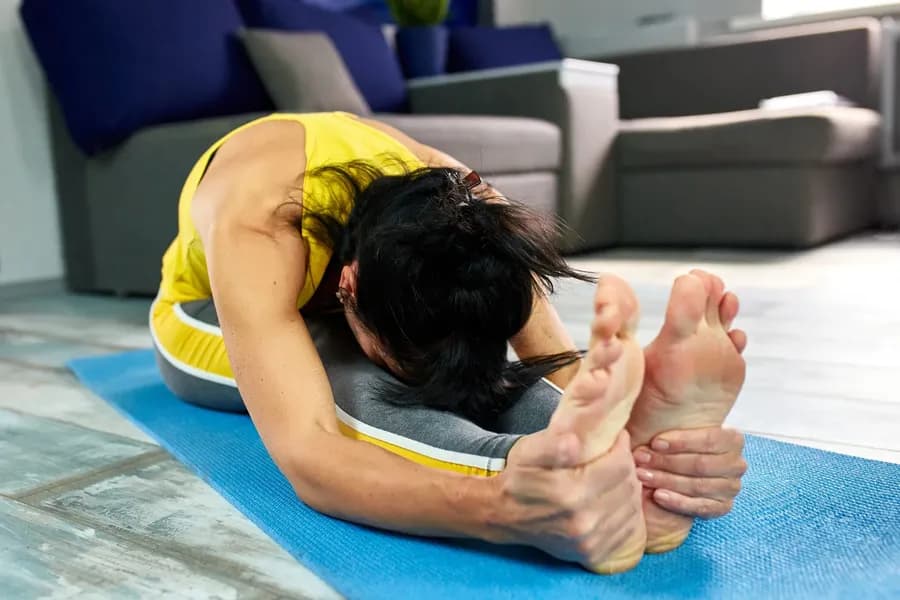
Paschimottanasana: Yoga Steps, Benefits & Tips
Paschimottanasana, the Seated Forward Fold, deeply stretches the entire posterior chain, stimulates the abdominal organs, calms the nervous system, and builds hamstring and spinal flexibility.