
Types of Kriyas in Yoga: Benefits & How to Practice
Explore the main types of kriyas in yoga, their benefits, and how to get started. Build a consistent cleansing practice with expert guidance.
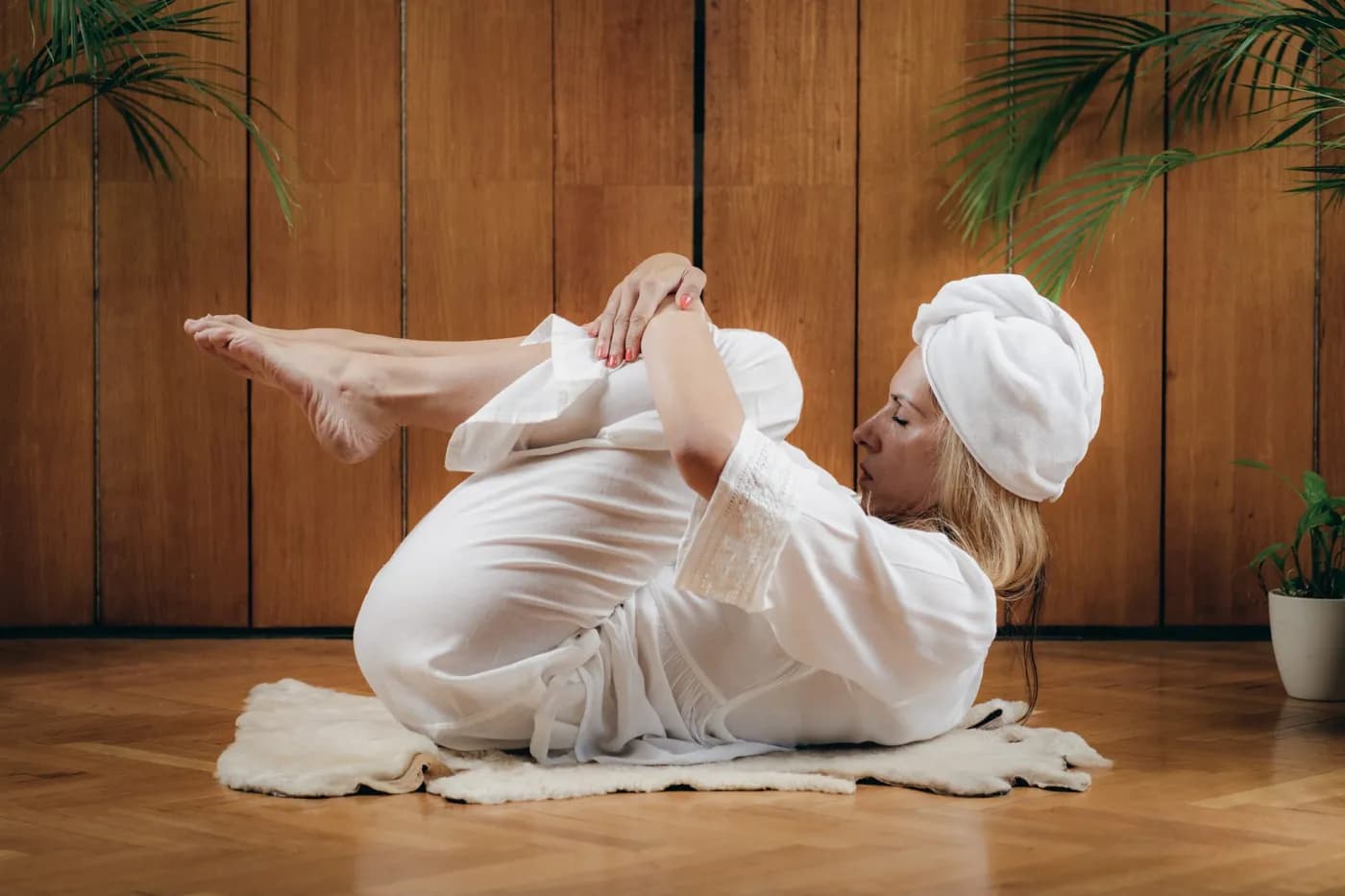
Key Takeaways
- The Shatkarmas purify internal systems from nasal passages and lungs to the digestive tract.
- Kriyas involving the nasal passages and lungs are specifically designed to open the airways.
- Certain kriyas directly stimulate the digestive tract, reducing bloating and sluggishness.
- Trains tuning into subtle internal sensations before they become a bigger issue.
- Prepares the body for asanas and pranayama by removing internal obstructions first.
- Jala Neti, a water-based kriya, requires a neti pot and clean saline water specifically.
Kriyas are yogic cleansing techniques — the Shatkarmas — that purify the body’s internal systems, from nasal passages and lungs to the digestive tract and nervous system. Practiced consistently, different kriyas in yoga remove physical blockages, sharpen breath capacity, and create the internal clarity that makes every other aspect of your practice more effective.
If you’ve ever wondered what separates a deep, transformative yoga practice from a surface-level stretch routine, types of kriyas are a significant part of the answer. Whether you’re new to yoga or looking to deepen your understanding, this guide walks you through what kriyas are, how they work, and which ones are worth exploring.
Key Benefits of Practicing Kriyas
- Supports Respiratory Health Several kriyas — especially those involving the nasal passages and lungs — are designed to open up the airways. Regular practice may gradually ease breathing discomfort and help you feel more clear-headed and energised over time.
- Aids Digestive Function Certain kriyas directly stimulate the digestive tract, encouraging smoother gut motility and reducing common issues like bloating and sluggishness. Consistent practice supports better absorption and overall gut comfort. If digestive health is your focus, pairing kriyas with yoga for digestion can offer well-rounded support.
- Clears the Mind and Reduces Stress Kriyas have a powerful effect on the nervous system. By creating physical space and clearing stagnation in the body, they help quiet mental noise and build a sense of calm that carries into daily life.
- Builds Internal Awareness Practising kriyas trains you to tune into subtle sensations inside the body. Over time, this sharpens your ability to recognise when something is off — physically or mentally — before it becomes a bigger issue.
- Enhances the Overall Yoga Practice Kriyas prepare the body for asanas and pranayama by removing internal obstructions. Many practitioners report that their breath work and postures feel noticeably more effective after incorporating cleansing kriyas into their routine.
How to Get Started with Kriyas
What You Need to Begin
Most kriyas require very little equipment. A clean, quiet space and a yoga mat are sufficient for the majority of practices. For water-based kriyas like Jala Neti, you’ll need a neti pot and clean saline water. Comfortable, breathable clothing helps you move freely without restriction.
Setting Realistic Goals
Start with one kriya at a time rather than attempting multiple cleansing techniques in a single session. Give yourself 10 to 15 minutes of focused practice daily, and prioritise consistency over intensity. Small, regular efforts compound into meaningful change far faster than occasional intense sessions.
Start with the Basics
Beginners are best served by starting with gentler kriyas — Kapalbhati and Jala Neti are widely recommended entry points. Focus on breath awareness throughout, and never force any technique. If you’re new to structured yoga practice altogether, exploring yoga for beginners alongside kriyas can ease your transition beautifully.
Best Kriyas for a Consistent Practice
Kapalbhati (Skull-Shining Breath)
Kapalbhati involves rapid, rhythmic exhalations through the nose with passive inhalations. It generates internal heat, activates the abdominal muscles, and is widely used to support respiratory clarity. Inhale naturally, then exhale sharply from the lower belly — repeat at a pace that feels controlled but dynamic. Learn the full technique in this Kapalbhati guide.
Jala Neti (Nasal Cleansing with Water)
Jala Neti uses a neti pot to flow saline water through one nostril and out the other. It gently clears the nasal passages of dust, allergens, and mucus. Practice in the morning before pranayama for best results. Breathe through your mouth throughout the process and tilt your head at a comfortable angle.
Nauli Kriya (Abdominal Rolling)
Nauli involves isolating and rotating the abdominal muscles in a churning motion. It massages the internal organs, supports digestion, and builds core strength. This is an intermediate-to-advanced technique — approach it gradually and ideally under the guidance of an experienced instructor.
Agnisar Kriya (Fire Wash)
Agnisar focuses on rapid contractions and expansions of the abdomen while holding the breath out. It stimulates the digestive fire, tones the abdominal wall, and energises the entire system. Begin with slow, deliberate movements before increasing the pace.
Trataka (Steady Gazing)
Trataka is a visual cleansing kriya that involves fixed, unblinking gaze at a candle flame or a point on the wall. It strengthens the eyes, sharpens concentration, and calms the mind. Practise for 5 to 10 minutes in dim lighting, then close your eyes and observe the afterimage.
Dhauti Kriya (Internal Cleansing)
Dhauti refers to a range of cleansing practices targeting the digestive tract. The most accessible version involves drinking warm saline water and then using controlled abdominal contractions to expel it. This is an advanced practice and should only be attempted with proper instruction.
Basti Kriya (Yogic Enema)
Traditionally, Basti involves drawing water upward through the colon using abdominal and rectal muscles. It is one of the Shatkarmas and is considered an advanced cleansing technique. Modern adaptations exist but require careful, supervised learning.
Common Mistakes to Avoid
- Skipping Warm-Up Jumping straight into kriyas without preparing the body and breath can reduce their effectiveness and increase discomfort. Even five minutes of gentle breathing or light movement beforehand makes a meaningful difference to how your body responds.
- Holding Breath During Poses Many students unconsciously hold their breath during kriyas, especially the more physically demanding ones like Nauli. Breath is the mechanism through which kriyas work — if the breath is restricted, the technique loses most of its benefit. Stay conscious of your breathing pattern throughout.
- Forcing into Advanced Kriyas Too Soon Nauli, Basti, and Dhauti are powerful techniques that require a progressive build-up. Attempting them before your body is ready can cause discomfort or strain. Master the simpler kriyas — Kapalbhati, Trataka, Jala Neti — before advancing.
- Inconsistent Practice Kriyas are not a one-time cleanse. Their benefits accumulate with consistent, repeated practice. Sporadic sessions offer minimal return. Building a daily routine — even a short one — is the single most important factor in seeing real, sustained results.
Who Should Try Different Kriyas in Yoga?
- Beginners Kriyas like Kapalbhati and Trataka are accessible from day one. They have a low barrier to entry and provide immediate, tangible effects — beginners often notice improved mental clarity and breath capacity within the first few sessions.
- Women Many women find kriyas particularly supportive for hormonal balance and stress management. Practices like Kapalbhati and Trataka can complement broader wellbeing routines. Note that certain kriyas — particularly vigorous abdominal ones — are best avoided during menstruation. Always listen to your body and consult a qualified teacher.
- Older Adults Gentler kriyas such as Jala Neti and Trataka are well-suited to older practitioners. They place minimal strain on the joints while offering meaningful benefits for the respiratory system and mental clarity. As with any new practice, check with a healthcare provider before beginning if you have existing health conditions.
- Working Professionals For those dealing with prolonged screen time, desk posture, and chronic stress, kriyas offer a structured way to decompress. A 10-minute morning Kapalbhati session combined with Trataka can meaningfully shift your baseline energy and focus throughout the workday.
Build Flexibility with a Routine That Actually Works
Understanding the different kriyas in yoga is one thing — building the daily consistency to practice them is another. That gap between knowing and doing is exactly what a structured program bridges. With the right guidance, kriyas stop being intimidating and become a natural, energising part of your morning.
What You Get with Habuild’s Yoga Everyday Program:
- Daily live guided yoga sessions that include breathwork and kriyas
- Beginner to advanced progression — no experience needed to start
- No-equipment, home-friendly practice
- Expert guidance to ensure correct form and safe technique
- Community support to keep you consistent day after day
If you’ve been looking for a structured, supportive way to explore kriyas and yoga practice from home, Habuild’s best-rated online yoga classes are a great place to begin.
Frequently Asked Questions
Related Articles
How Many Types of Yoga Are There? Complete Guide to All Major Yoga Styles
The classical tradition recognises four primary paths, while modern physical yoga has developed at least 11 major styles practised globally today. See the.

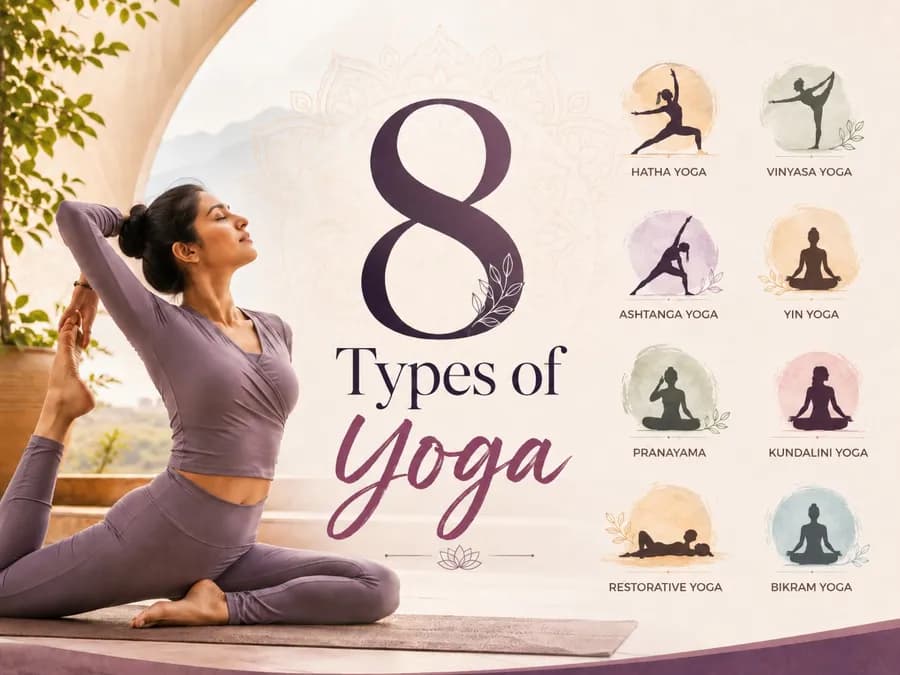
8 Types of Yoga: Which Style is Right for You?
Each of the 8 major types emphasises a different combination of posture, breath control, meditation, and philosophical study. See which style is right for you.

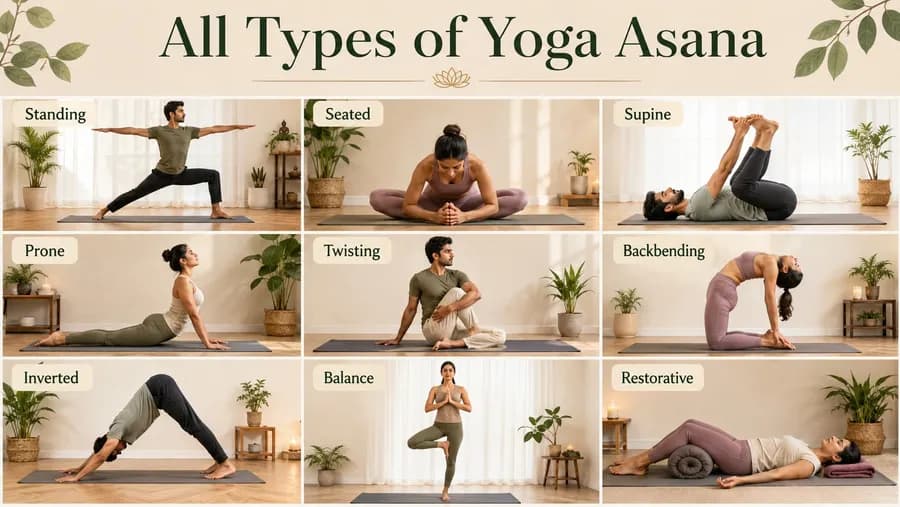
Types of Asana: Complete Guide to Yoga Pose Categories & Benefits
Classical texts describe asanas as stable, comfortable positions for extended mental practice, categorised today by body position — standing, seated, supine, prone, inverted. See the complete guide to pose categories.