
What Is Tantra Yoga? A Complete Beginner’s Guide
Tantra yoga is a structured path that works with breath, body, energy, and awareness — far from the misconceptions that surround it. See the key benefits.
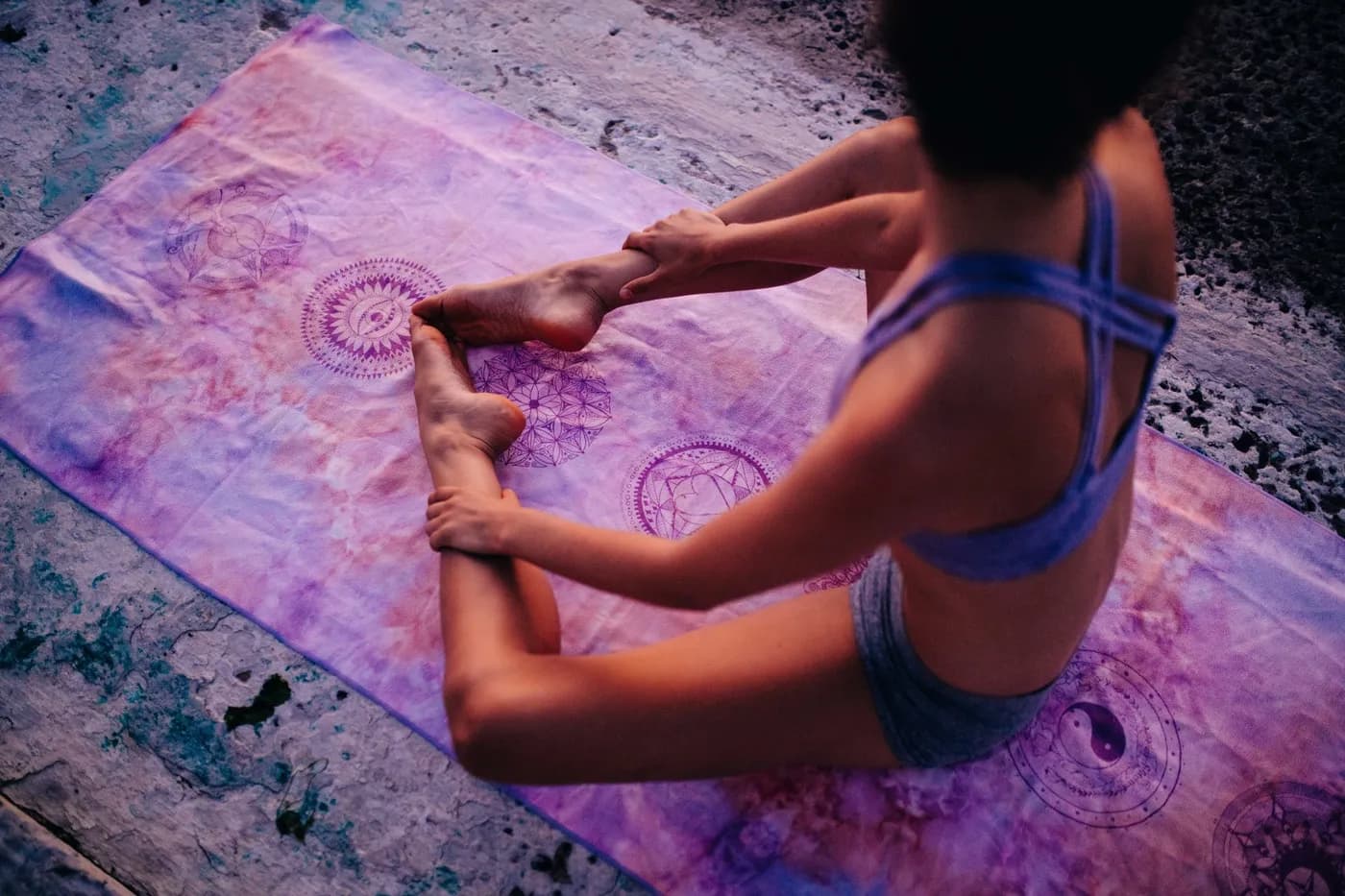
Key Takeaways
- Works with breath, body, energy, and awareness as a structured, non-esoteric practice.
- Encourages tuning into physical sensations rather than pushing through them.
- Works with breath and nadis (energy channels) to build a steadier relationship with emotion.
- Uses bandhas, or energy locks, alongside specific sequences to clear energetic blockages.
- Combines pranayama, meditative postures, and mantra chanting to ease chronic nervous activation.
- Needs only a non-slip mat and quiet corner – no studio or special equipment required.
If you’ve ever wondered what is tantra yoga beyond the misconceptions that surround it, you’re not alone. Tantra yoga is one of the oldest and most misunderstood branches of the yogic tradition — a holistic path that works with breath, body, energy, and awareness to help practitioners experience life more fully. Far from being esoteric, it’s a deeply structured practice that can support mental clarity, emotional steadiness, and physical vitality when followed consistently.
7 Key Benefits of Tantra Yoga Practice
- Deepens Body Awareness Tantra yoga encourages you to tune into physical sensations rather than push through them. Over time, this attentiveness may gradually ease habitual tension and help you understand how stress manifests in the body.
- Supports Emotional Regulation By working with breath and energy channels (nadis), tantra yoga practice may help you develop a steadier relationship with difficult emotions — not suppressing them, but moving through them with greater ease.
- Builds Focused Concentration Many tantra practices involve sustained attention on a single point — a mantra, a visualisation, or a breath pattern. This naturally trains the mind to stay present, which practitioners often notice spills into daily life over weeks of consistent effort.
- May Gradually Ease Stress Symptoms The combination of breath regulation (pranayama), meditative postures, and mantra chanting can support the nervous system in shifting away from a state of chronic activation. This is one reason tantra yoga is recommended as a complement to stress management — not a replacement for professional care.
- Enhances Energy and Vitality Tantra views the body as a vessel of energy (prana). Practices designed to clear energetic blockages — such as bandhas (energy locks) and specific asana sequences — may gradually improve how energised and present you feel through regular practice.
- Supports Better Sleep Quality The calming pranayama and restorative postures used in tantra yoga are well suited to winding down an overactive mind. Many practitioners report improvements in sleep patterns after several weeks of nightly practice. For a dedicated look at restful practices, yoga for sleep covers specific poses worth adding to your evening routine.
- Cultivates a Sense of Inner Stillness Perhaps the most distinctive benefit: tantra yoga doesn’t aim to escape the world but to engage with it consciously. Long-term practitioners often describe a quiet steadiness that helps them navigate both mundane and challenging situations with more ease.
How to Get Started with Tantra Yoga
What You Need to Begin
One of the most accessible aspects of tantra yoga is how little equipment it requires. A non-slip yoga mat and comfortable, breathable clothing are the only essentials. Many practices can be done in a quiet corner of your bedroom or living room — no studio needed.
Setting Realistic Goals
The biggest mistake beginners make is expecting dramatic results in the first few sessions. Tantra yoga works gradually, layering depth over time. Starting with 15–20 minutes daily is far more valuable than an occasional long session. Focus on showing up consistently rather than perfecting every technique from day one.
Start with the Basics
Before exploring advanced tantra techniques, ground yourself in foundational breath awareness (pranayama), a few key seated postures, and simple mantra repetition. If you’re new to yoga altogether, exploring structured guidance for beginners will give you the physical vocabulary that makes tantra practice far more accessible.
Best Poses for Tantra Yoga Practice
Tantra yoga draws from a broad repertoire of asanas, but certain poses are particularly foundational because they open energy channels, encourage internal awareness, and support meditative stillness.
Sukhasana (Easy Seated Pose)
The primary seat for most tantra meditation and pranayama work. Sit cross-legged with the spine tall, hands resting on the knees. Inhale slowly for four counts, exhale for six. This asymmetry activates the parasympathetic nervous system, supporting calm alertness — the ideal state for tantra practice.
Padmasana (Lotus Pose)
The classic meditation seat of the tantric tradition. Place each foot on the opposite thigh, spine erect, hands in Gyan mudra. If full lotus isn’t accessible yet, half-lotus is perfectly effective. The key is spinal alignment — not the leg position. Learn more about the foundation this pose builds at Padmasana.
Bhujangasana (Cobra Pose)
Lie face down, palms flat beneath the shoulders, and lift the chest on an inhale while keeping the pelvis grounded. Hold for 4–6 breaths. In tantra, Cobra is associated with awakening the spinal energy channels and increasing prana flow upward through the body.
Balasana (Child’s Pose)
Kneel and fold forward, arms extended or alongside the body, forehead resting on the mat. This deeply inward posture signals the nervous system to rest and is used in tantra sequences to consolidate energy after more activating practices. Breathe slowly and allow the body to soften completely.
Virabhadrasana I (Warrior I Pose)
Step one foot forward into a lunge, back foot angled outward, arms raised overhead. In tantra yoga, Warrior I is practised with deliberate breath control — inhaling as you rise, exhaling as you hold. It builds the physical grounding and inner courage that tantra philosophy views as prerequisites for deeper energetic work.
Adho Mukha Svanasana (Downward-Facing Dog)
From hands and knees, press the hips upward and back into an inverted V. Hold for 5 breaths, focusing attention on the base of the spine. In tantra, this pose is understood to encourage an even distribution of prana throughout the body’s energy channels.
Setu Bandhasana (Bridge Pose)
Lie on your back, knees bent, feet flat on the floor. On an inhale, press the hips toward the ceiling, engaging the inner thighs and drawing the chin gently toward the chest — forming the “energy lock” (jalandhara bandha) central to tantra practice. Explore the fuller picture of this pose’s benefits at Benefits of Setu Bandhasana.
Common Mistakes to Avoid in Tantra Yoga
- Skipping Warm-Up Tantra yoga often involves seated postures held for extended periods and energetic practices like pranayama. Starting cold — especially in the morning — increases the risk of discomfort in the hips, knees, and lower back. Spend at least five minutes in gentle movement before settling into stillness.
- Holding Your Breath During Poses In tantra, breath is not a side note — it is the practice. Unconsciously holding the breath during postures cuts off the very energy flow the practice is designed to encourage. If you notice your breath becoming shallow or stopped, treat that as a signal to ease back, not push further.
- Forcing Into Advanced Techniques Too Soon Practices like kumbhaka (breath retention), mula bandha (root lock), and advanced visualisations are genuinely powerful — and genuinely unsuitable for beginners without proper foundation. Rushing toward them out of curiosity often creates more confusion than clarity. Build your base first.
- Inconsistent Practice More than most yoga styles, tantra yoga rewards regularity. Its benefits accumulate gradually through sustained, daily attention — not through occasional intense sessions. A steady 20-minute daily practice will create far more noticeable shifts over three months than sporadic longer sessions.
Who Should Try Tantra Yoga?
- Beginners Tantra yoga is actually well-suited to beginners because it emphasises inner awareness over physical complexity. You don’t need flexibility or prior yoga experience — you need curiosity and a willingness to pay attention. The entry barrier is genuinely low.
- Women The tantra tradition has always recognised the cyclical nature of energy and life — making it particularly resonant for women navigating hormonal fluctuations, stress, or life transitions. Practices can be adapted to support hormonal balance and emotional regulation across different phases of the month.
- Older Adults Many tantra yoga practices are seated or restorative, making them accessible for older practitioners dealing with mobility concerns. The breath-centred approach means progress isn’t limited by physical range of motion. As always, consult your doctor before starting if you have specific health conditions.
- Working Professionals If you carry work stress in your shoulders, jaw, or gut — and find it difficult to genuinely switch off — tantra yoga’s emphasis on conscious relaxation and breath regulation offers a structured way to decompress. Even 15 minutes before bed can gradually shift how you manage daily pressure.
Build a Tantra Yoga Routine That Actually Works
Understanding what tantra yoga is and actually experiencing its benefits are two different things — and the gap between them is consistency. A daily, guided practice removes the guesswork: you show up, your teacher leads, and the benefits accumulate over time without you having to plan every session from scratch.
What You Get with Habuild’s Yoga Everyday Program:
- Daily live guided yoga sessions — including breath-centred and meditative styles
- Beginner to advanced progression at your own pace
- No-equipment, home-friendly practice
- Expert guidance to ensure correct form and safe technique
- A supportive community that helps you stay consistent
If you’re curious about exploring online yoga classes that include structured guidance in breath, energy, and movement, Habuild’s program gives you a structured entry point without requiring prior experience.
Start Your Yoga Journey
Frequently Asked Questions
Related Articles
Ashtanga Yoga Kya Hai | Habuild पर जानें पूरी जानकारी
Ashtanga yoga kya hai? जानें इसके फायदे, आसन, शुरुआत कैसे करें और रोज़ अभ्यास से जीवन कैसे बदलता है। Habuild के साथ शुरू करें।


Matsyasana (Fish Pose): Steps, Benefits & Precautions
Fish Pose opens the chest, deepens breathing, and stimulates circulation through the thoracic region, counteracting the postural collapse from prolonged.

Yoga Exercise for Brain (Brain Gym Yoga): Steps, Benefits & Precautions
Inversions, forward folds, and balancing poses improve cerebral blood flow and activate the parasympathetic nervous system, building sustained mental.