
Padmasana Lotus Pose: Steps, Benefits & Guide
Padmasana, the Lotus Pose, is the foundational seat of meditation, pranayama, and classical yoga practice, creating a stable, grounded, symmetrically aligned seated base.

Key Takeaways
- The lotus symbolises consciousness rising from mud into pure bloom in Indian and Buddhist tradition.
- Creates a triangular base of two knees and sitting bones, among the most stable seated positions.
- The foundational seat specifically for meditation, pranayama, and classical yoga practice.
- Requires significant hip external rotation that most other seated postures never develop.
- Dedicated hip-opening sequences help reach full Lotus far sooner than expected.
- Frees the spine to rise without muscular effort, preventing the fatigue of ordinary seated posture.
Padmasana — the Lotus Pose — is the most universally recognised yoga pose in the world and the foundational seat of meditation, pranayama, and classical yoga practice. Named after the sacred lotus flower that rises from murky water into pure bloom, Padmasana creates the stable, grounded, and symmetrically aligned seated base from which the deepest states of meditation, breath control, and energy cultivation are accessed. It is both a physical pose and a doorway into the inner dimensions of yoga practice that no other seated posture fully replicates.
What is Padmasana?
Padmasana — pronounced pod-MAH-sana — translates as Lotus Pose (Padma = lotus, Asana = pose). The lotus is one of the most sacred symbols in Indian and Buddhist traditions — rooted in mud yet flowering in purity above the water, representing the capacity of consciousness to transcend its conditions and bloom into enlightenment. The pose embodies this symbolism: the firm, earthward-grounded base of crossed legs supporting the upward-reaching spine and the openness of the mind in meditation.
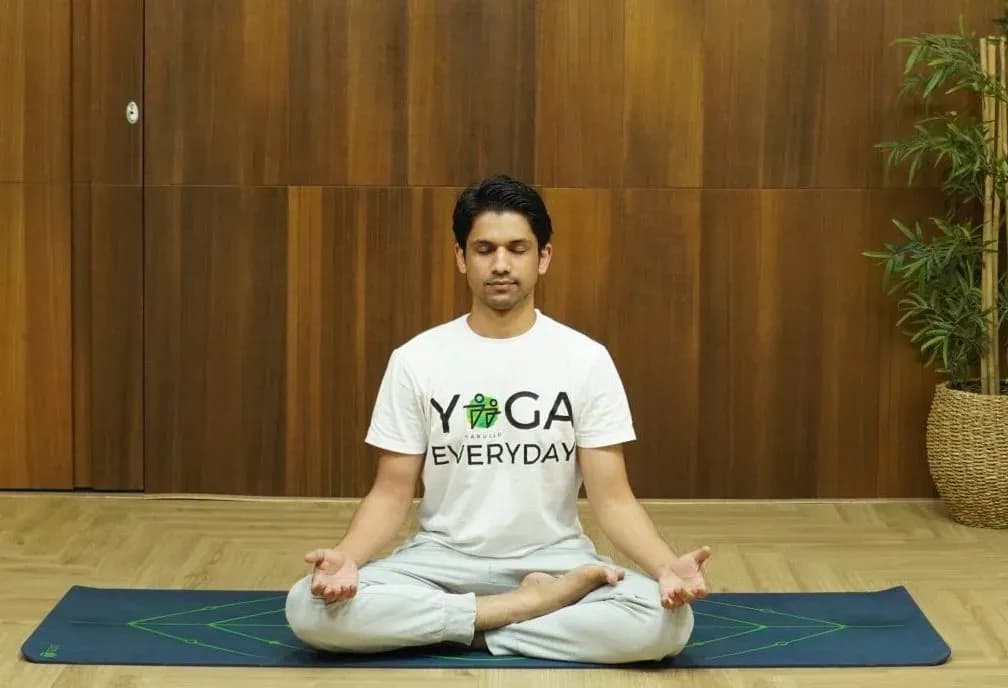
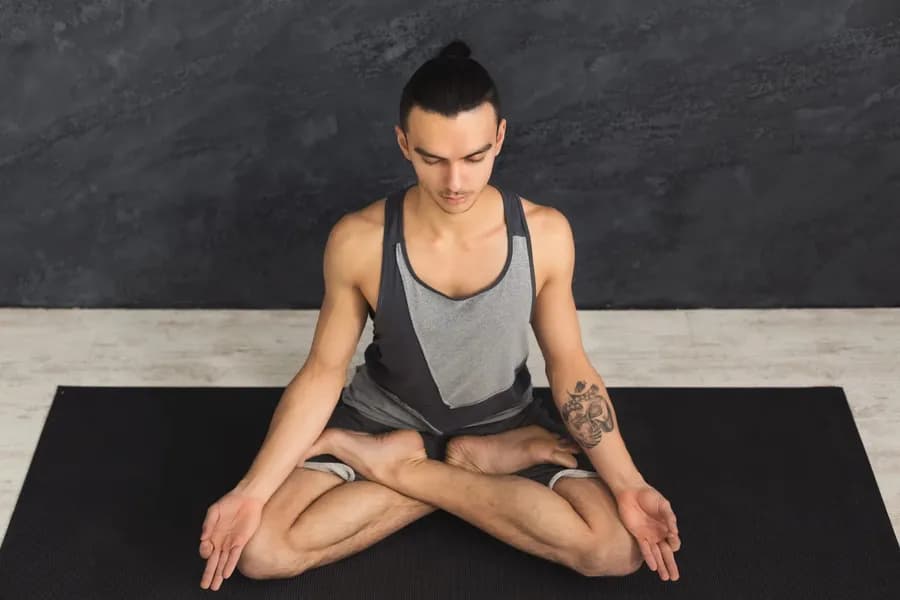
In Padmasana, both feet are placed on the opposite thighs with the soles facing upward — the right foot on the left thigh, the left foot on the right thigh, or vice versa. The knees descend toward the floor, the spine rises tall from the grounded sitting bones, and the hands rest in a mudra on the knees. The posture creates a triangular base of sitting bones and two knees — one of the most geometrically stable seated positions available to the human body.
At Habuild, Padmasana is taught as the foundational meditation and pranayama seat within our daily practice curriculum. Members building toward the pose from simpler seated positions consistently find that the hip-opening work they develop in daily sessions makes the lotus pose accessible far sooner than they expect.
Padmasana Benefits
Physical Benefits
- Creates the Optimal Posture for Meditation and Pranayama — The primary padmasana benefit is the stable, symmetrical, and self-supporting seated posture it creates for extended meditation and pranayama practice. The triangular base of sitting bones and two knees distributes the body's weight evenly and frees the spine to rise without muscular effort.
- Deeply Opens the Hips and Improves Hip External Rotation — Padmasana requires — and progressively develops — significant external rotation of both hip joints. This is simultaneously the pose's greatest demand and its most lasting physical gift: the hip opening supports every other seated, standing, and twisting pose in the yoga repertoire.
- Strengthens the Spine and Improves Posture — The erect spinal posture that Padmasana demands strengthens the deep postural muscles that support the spine — the erector spinae, multifidus, and thoracic extensors that chronic sitting progressively weakens.
- Stimulates the Pelvis, Abdomen, and Bladder — The specific position of the legs applies a sustained, gentle pressure to the femoral vessels and pelvic floor — improving circulation to the pelvic organs, stimulating abdominal function, and activating the pelvic floor musculature.
Mental and Emotional Benefits
- Calms the Mind and Supports Deep Meditation — The grounded, symmetrical, and physically still quality of Padmasana creates the neurological and energetic conditions that deep meditation requires. The physical stability removes the postural adjustments and discomforts that interrupt meditation.
- Reduces Anxiety and Cultivates Inner Stillness — Sitting in Padmasana for even 5–10 minutes produces measurable reductions in anxiety and mental agitation through the combined effect of stillness, upright spinal posture, and grounded physical stability.
How to Do Padmasana — Step-by-Step Instructions
Key Principles
Padmasana must never be forced. The hip external rotation required for the full lotus seat must be developed progressively over weeks and months. The knees should never be pushed down aggressively — the knees descend as the hips open, not the other way around. Knee pain during the pose is always a signal to stop and work with preparatory poses first.
Step 1: Starting Position — Sit in Dandasana — both legs extended, spine tall, sitting bones grounded. If the lower back rounds, sit on a folded blanket or block to tilt the pelvis forward. Establish steady breathing.
Step 2: Bring the Right Foot to the Left Thigh — Bend the right knee and hold the right foot gently with both hands. Rotate the right hip externally and lift the right foot to rest on the left thigh — the sole of the right foot facing upward, the heel drawing toward the lower abdomen. The right knee moves toward the floor.
Step 3: Bring the Left Foot to the Right Thigh — Hold the left foot gently and rotate the left hip externally — lifting the left foot to rest on the right thigh, sole facing upward, heel drawing toward the lower abdomen. Do not force the knee down. If this is not accessible, remain in Ardha Padmasana (half lotus) and continue preparatory work.
Step 4: Lengthen the Spine and Ground the Sitting Bones — Press the sitting bones firmly into the floor. Inhale and lengthen the spine tall — the crown of the head rising toward the ceiling. Both knees descend toward the floor as far as their natural range allows, without forcing.
Step 5: Place the Hands in Mudra — Rest the hands on the knees in Chin Mudra (index finger and thumb touching, other fingers extended) or Jnana Mudra (index finger curled beneath the thumb). Alternatively, rest the hands palms-up on the knees with fingers open. Relax the face, jaw, and shoulders completely.
Step 6: Hold, Then Release — Hold for the duration of your meditation or pranayama session — beginning with 5 minutes and building gradually to longer holds. To release, use the hands to gently lift each foot off the thigh in the reverse order of entry. Always switch the crossing of the legs — if the right foot came first today, begin with the left foot tomorrow.
Breathing in Padmasana
In Padmasana, the breath should be natural, unrestricted, and fully diaphragmatic. Inhale slowly and feel the belly expand slightly, the lower ribcage widen, and the chest lift gently. Exhale completely before the next inhalation. The erect spine allows the diaphragm to move freely — producing the fullest natural breath available in any seated posture.
Preparatory Poses Before Padmasana
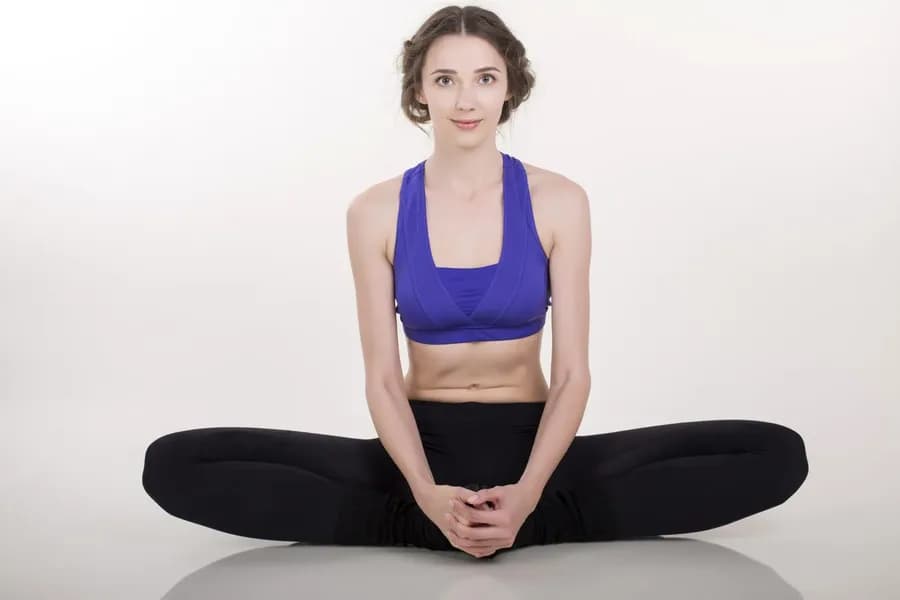
- Baddha Konasana (Bound Angle Pose, 3–5 minutes) — Opens the inner thigh and begins the external hip rotation that Padmasana requires.
- Ardha Padmasana (Half Lotus, 2 minutes each side) — The direct preparation — one foot on the thigh — builds the single-sided hip external rotation before both hips are asked to perform it simultaneously.
- Gomukhasana (Cow Face Pose, 2 minutes each side) — Deep external hip rotation that directly develops the hip mobility required for the full lotus seat.
- Supta Kapotasana (Reclined Pigeon Pose, 2 minutes each side) — Opens the piriformis and deep external hip rotators that are the primary restricting structures for Padmasana.
Types of Padmasana
- Variation 1: Ardha Padmasana (Half Lotus) — Beginner — Only one foot rests on the opposite thigh while the other foot rests on the floor beneath the opposite knee. This is the correct entry point for beginners — it provides all the grounding and spinal benefits of the full pose with a single hip's external rotation demand.
- Variation 2: Padmasana with Supportive Props — Accessible — Sitting on a folded blanket or meditation cushion (zafu) tilts the pelvis forward — making the knee descent and hip rotation significantly more accessible for practitioners with tight hips or lower back stiffness.
- Variation 3: Baddha Padmasana (Bound Lotus) — Advanced — From the full Padmasana, both arms wrap behind the back — each hand reaching around to grasp the foot on its own side. The bound lotus adds a deep shoulder opening and thoracic rotation to the hip work of the base pose.
Common Mistakes to Avoid in Padmasana
- Forcing the knees down — The knees descend as a natural consequence of open hips — they must never be pushed toward the floor. Forcing the knees is the primary cause of knee ligament injury in Padmasana.
- Placing the foot on the calf instead of the thigh — The foot must rest on the thigh — not on the calf or the knee joint. Foot placement on the knee creates direct lateral compression of the joint and risks medial ligament injury.
- Rounding the lower back — The lower back must maintain its natural curve in Padmasana. Rounding indicates that the hips are not yet open enough for the full pose — sit on a blanket or remain in half lotus until the hip mobility develops.
- Unequal time on each side — Always practise Padmasana equally on both sides — if the right foot comes first in one session, the left foot comes first in the next. Asymmetric practice creates and reinforces hip imbalances.
- Attempting the full pose before the hips are ready — Beginners should always start with Ardha Padmasana and preparatory hip openers. Attempting the full lotus before the external rotation is available is the fastest route to knee injury.
Who Should Practise Padmasana?
- Meditators and Pranayama Practitioners — Padmasana is the foundational meditation seat — the stable, self-supporting posture from which extended periods of stillness are most naturally sustained.
- Those Building Hip Mobility and Spinal Strength — The systematic hip opening that the progression toward Padmasana requires produces lasting and comprehensive hip external rotation mobility — directly benefiting every other hip-demanding yoga pose, sporting activity, and daily movement.
- Is Padmasana Good for Beginners? — The full Padmasana is an intermediate pose — it requires significant hip external rotation that most beginners have not yet developed. Starting with Ardha Padmasana and building hip openness progressively through preparatory poses is the correct path.
Make Padmasana a Part of Your Practice
Padmasana is the most complete seated yoga pose — simultaneously grounding, centering, and aligning the body into the stable and upright posture that meditation, pranayama, and inner practice demand.
Whether you are beginning with Ardha Padmasana and preparatory hip openers, building the hip external rotation through consistent daily practice, or deepening an established lotus seat into Baddha Padmasana, the journey toward and within Padmasana is one of the most rewarding in the entire yoga tradition.
The safest and most effective way to progress toward Padmasana — understanding which preparatory poses to practise, how to protect the knees throughout, and how to deepen the pose once the full lotus is accessible — is under live guidance with real-time corrections.
Start your 14 day free yoga journey with Habuild, today!
Related reads: Padmasana Benefits: Steps, Precautions & Daily Practice Guide · Supta Padmasana
Lotus Pose asks a lot of the hips and knees, and Padmasana's benefits for posture and focus tend to arrive gradually, as the joints slowly open enough to sit comfortably for longer. Forcing it early does more harm than good; patience through regular practice is what actually gets you there. Habuild's Yoga Everyday program includes seated and hip-opening work in its daily sessions to build toward poses like this safely.
Frequently Asked Questions
Related Articles

Tadasana — The Mountain Pose
Tadasana, or Mountain Pose, is the quiet foundation every standing yoga pose is built on — simple to look at, precise to get right.
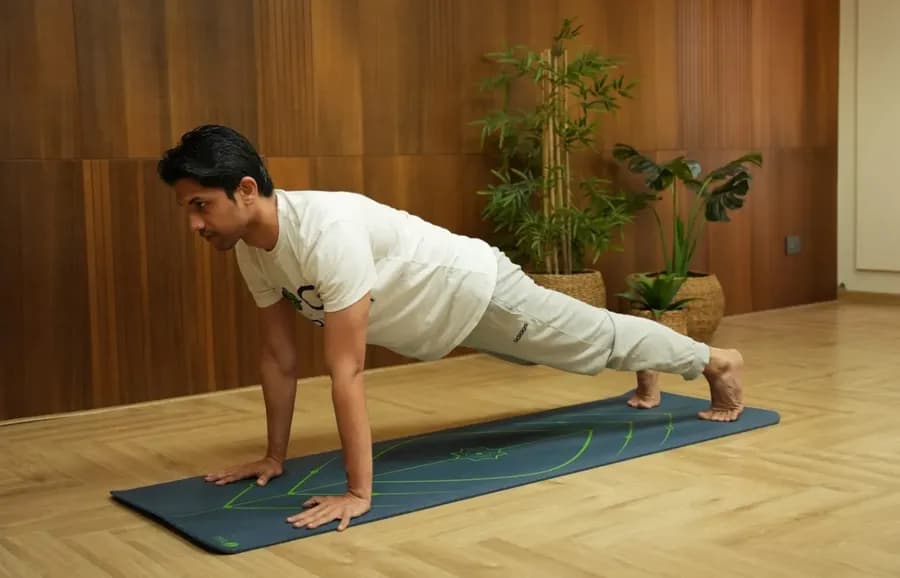
Adho Mukha Svanasana — The Downward-Facing Dog Pose
Adho Mukha Svanasana, universally known as Downward-Facing Dog, is one of yoga's most iconic and versatile postures.
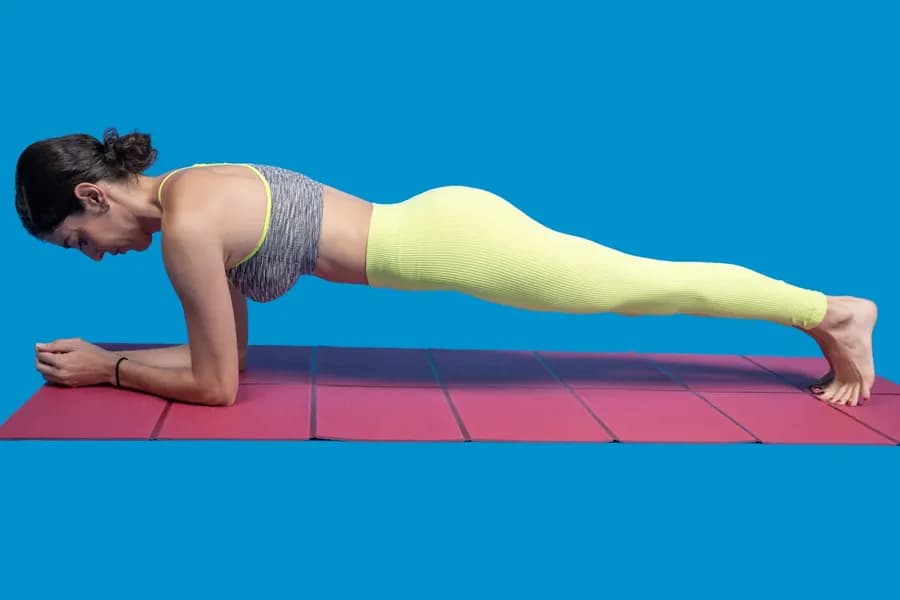
Marjaryasana–Bitilasana — The Cat–Cow Pose
Marjaryasana–Bitilasana, commonly known as Cat–Cow Pose, is a gentle, dynamic flow between two postures that warms up the body and brings flexibility to the entire spine.
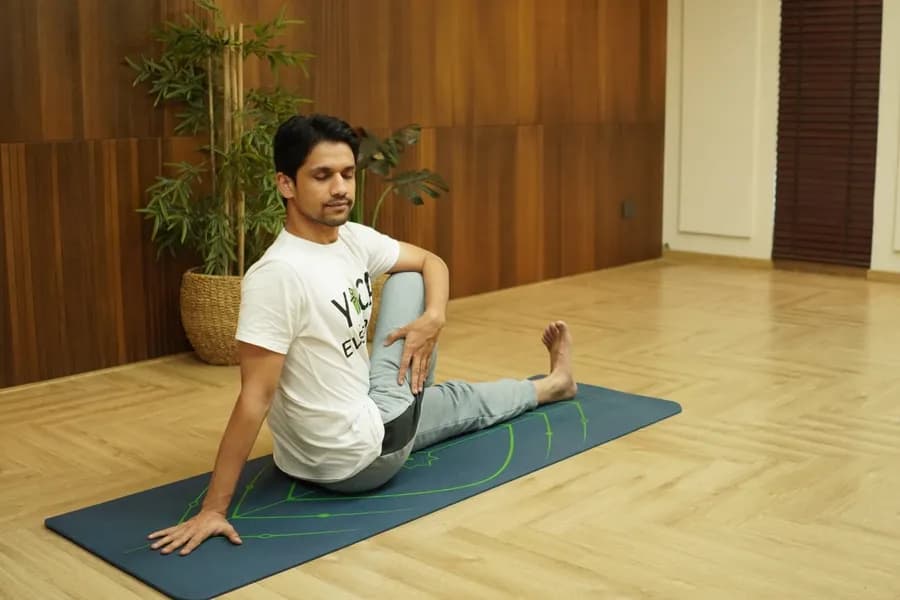
Vakrasana: Twisted Pose, Steps & Yoga Benefits
Vakrasana, or Twisted Pose, is a seated spinal rotation that improves spinal flexibility, stimulates digestive organs, and strengthens the core.
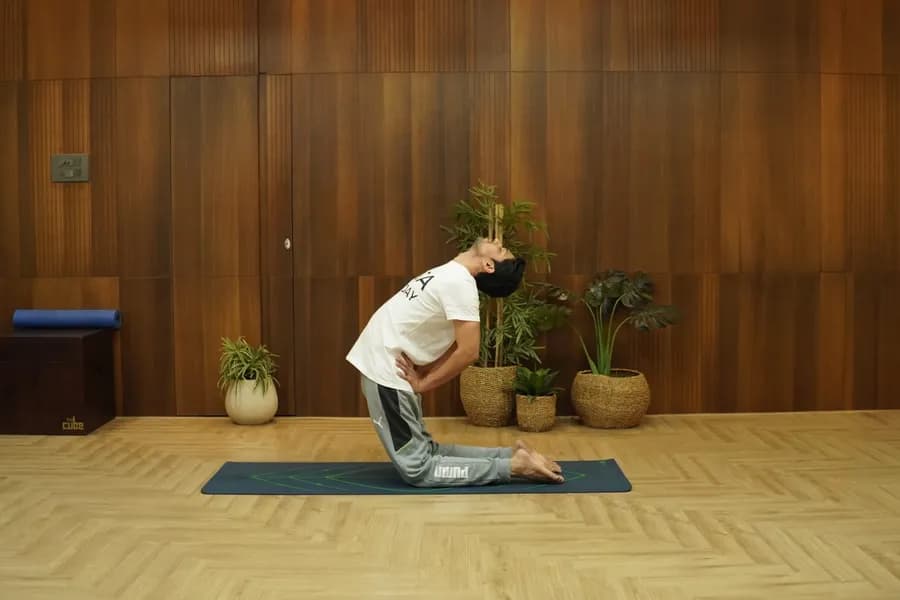
Ustrasana: Camel Yoga Pose, Steps & Yoga Benefits
Ustrasana, or Camel Pose, is a kneeling backbend that deeply stretches the hip flexors, chest, and entire anterior spine while strengthening the back.