
Yoga for Belly Fat Reduction: Poses, Tips & Routine
Explore the best yoga for belly fat reduction — poses, routines & beginner tips. Start your consistent practice today with Habuild’s guided sessions.

Key Takeaways
- Twisting, holding, and balancing poses recruit the deep transverse abdominis specifically.
- Compression and release movements in twists and folds gently massage digestive organs.
- Breath-focused sessions help make cortisol spikes, which drive abdominal fat, less frequent.
- Navasana and Plank require sustained muscular trunk effort for real functional strength.
- A calmer nervous system after practice often reduces the impulse toward emotional eating.
- Needs only a 6×4 foot space and a mat, or even a folded blanket to begin.
Yoga for belly fat reduction combines core-activating poses, digestive support, and stress regulation into one consistent daily practice. With the right routine, yoga engages the deep abdominal muscles, helps manage cortisol, and supports gradual reduction in abdominal fat — without any equipment or gym membership.
If you’ve been looking for a sustainable way to work on your midsection, yoga for belly fat reduction offers a structured, low-impact path that goes beyond quick fixes. Regular yoga practice engages the core, supports digestion, and — over time — helps your body manage the stress hormones that often contribute to abdominal fat. This guide covers the poses, routines, and habits that make a genuine difference when practiced consistently.
7 Benefits of Yoga for Belly Fat and Core Health
- Activates Deep Core Muscles Most abdominal exercises only target surface muscles. Yoga poses that involve twisting, holding, and balancing recruit the deep transverse abdominis — the muscle layer that literally wraps around your midsection and keeps it toned.
- Supports Healthy Digestion Compression and release movements in yoga — think twists and forward folds — gently massage the digestive organs. This may gradually ease bloating and improve gut motility, both of which affect how the belly looks and feels. You can explore more about this connection through yoga for digestion practices.
- Lowers Cortisol Levels Chronic stress raises cortisol, which drives fat storage around the abdomen. Consistent yoga practice — especially breath-focused sessions — helps regulate stress responses over time, making cortisol spikes less frequent.
- Builds Functional Strength Poses like Navasana (Boat Pose) and Plank require sustained muscular effort in the trunk. Done regularly, they build real, functional core strength rather than just surface-level definition.
- Improves Body Awareness Yoga makes you more conscious of posture, breathing, and movement patterns — all of which influence how you carry your body and how efficiently your metabolism operates throughout the day.
- Reduces Stress-Eating Triggers A calmer nervous system after a yoga session often reduces the impulse toward emotional eating — one of the subtler contributors to belly fat accumulation that most fitness plans ignore.
- Encourages a Daily Movement Habit The most important factor in any belly fat reduction plan is consistency. Yoga’s accessibility — no equipment, any room, any schedule — removes the friction that kills most gym routines. That daily repetition is what compounds into visible progress.
How to Get Started with Yoga for Tummy Reduction
What You Need to Begin
You genuinely need very little: a yoga mat, comfortable clothing that allows free movement, and a clear space of roughly six feet by four feet. No gym membership, no weights, no special equipment. If you don’t have a mat yet, a folded blanket works fine to start.
Setting Realistic Goals
Start with 15–20 minutes per day and build from there. Belly fat reduction through yoga is a gradual process — expect to notice improved posture and reduced bloating within the first few weeks, with more significant changes in body composition appearing after six to eight weeks of consistent daily practice. Focus on showing up every day rather than pushing harder in each session.
Start with the Basics
Beginners should prioritize breath awareness before worrying about getting poses perfect. In every pose, the exhale is when your core engages most naturally — use that moment intentionally. A simple starting sequence: Cat-Cow to warm the spine, a brief Plank hold, Cobra, Boat Pose, and a supine twist to close. For a broader foundation, basic yoga poses for beginners is a helpful reference point.
Best Belly Reduction Yoga Poses
Navasana (Boat Pose)
Sit with knees bent, lean back slightly until you feel your core engage, then lift your feet so your shins are parallel to the floor. Extend your arms forward. This pose directly challenges the entire abdominal wall. Hold for five breaths, rest, and repeat. Inhale to lengthen the spine; exhale to draw the navel in.
Adho Mukha Svanasana (Downward-Facing Dog)
From all fours, press your hips upward and back into an inverted V-shape. Maintaining it requires sustained core and shoulder engagement. Draw the belly toward the spine on every exhale. Hold for five to eight breaths. This pose also decompresses the lower back, which often tightens when the belly muscles are weak.
Phalakasana (Plank Pose)
A straight-arm plank is one of the most efficient core conditioning tools in yoga. From Downward Dog, shift forward so your shoulders stack over wrists and your body forms a straight line. Press the floor away, keep the hips level — neither sagging nor raised — and breathe steadily. Begin with 20-second holds and progress from there.
Paripurna Navasana into Ardha Navasana (Full to Half Boat)
Transition slowly from Full Boat (legs extended, body in a V) to Half Boat (legs lower, back hovering off the floor). This controlled lowering recruits the lower abdominals intensely. Exhale as you lower, inhale at the top. Three to five slow repetitions create more core work than dozens of crunches.
Ardha Matsyendrasana (Seated Spinal Twist)
Sit with legs extended, bend the right knee and cross it over the left leg, planting the foot on the floor. Twist to the right, using your left elbow against the right knee as a lever. This twist compresses the abdominal organs and stimulates digestive function — an often-overlooked element of belly management. Hold five breaths each side. Learn more at the dedicated Ardha Matsyendrasana guide.
Bhujangasana (Cobra Pose)
Lie face-down, place palms under shoulders, and lift the chest while keeping the elbows slightly bent. Cobra stretches the abdominal muscles on the inhale and strengthens the spinal extensors — important counterbalancers to core work. On the exhale, engage the belly slightly without forcing. Hold for four to six breaths.
Pawanmuktasana (Wind-Relieving Pose)
Lie on your back, draw both knees toward your chest, and wrap your arms around your shins. This pose compresses the colon, supports gas release, and helps ease bloating — making the abdomen feel flatter and more comfortable after just a few sessions. Hold for eight to ten slow breaths.
Common Mistakes to Avoid
- Skipping the Warm-Up Jumping straight into Boat Pose or Plank on a cold spine risks strain and reduces the quality of the poses. Spend at least five minutes in Cat-Cow, gentle twists, and Child’s Pose before any core-intensive work. Your muscles contract more efficiently when warm.
- Holding Your Breath During Poses Breath-holding is the most common beginner error in core yoga. When you hold your breath, intra-abdominal pressure spikes and the deep core muscles actually disengage. Breathe continuously — even if it means reducing the intensity of the pose to keep breathing steady.
- Forcing into Advanced Poses Too Soon Moving to extended Boat Pose or Forearm Plank before the baseline postures feel stable creates compensation patterns — the hip flexors and neck muscles start doing work the core should be handling. Progress from bent-knee modifications before straightening the legs.
- Inconsistent Practice Three intense sessions a week will produce far less change than 15 minutes done daily. The physiological adaptations that support belly fat reduction — improved cortisol regulation, stronger deep core muscles, better gut motility — are cumulative. They require daily repetition over weeks, not occasional effort.
Who Should Try Yoga for Belly Fat Reduction?
- Beginners Yoga is one of the most beginner-friendly approaches to core conditioning available. Modified versions of every pose exist — bent knees in Boat, knees-down Plank — that make the practice accessible from day one without risking injury or discouragement.
- Women Hormonal shifts — particularly around cortisol and estrogen — strongly influence where fat is stored in women. Yoga’s stress-regulating effect, combined with poses that support hormonal balance, makes it particularly well-suited for women managing abdominal fat through different life stages.
- Older Adults Low-impact core work is especially valuable as joint cartilage thins with age. Yoga builds abdominal strength without the spinal compression of sit-ups or the joint loading of weighted exercises. Note: if you have a diagnosed spinal condition, consult your doctor before attempting deep twists or Boat Pose.
- Working Professionals Desk work shortens the hip flexors, weakens the glutes, and rounds the posture — all of which contribute to a protruding belly profile even without excess fat. A daily 15-minute yoga routine targets exactly these imbalances while simultaneously managing the stress that drives cortisol-related fat storage.
Build a Flatter Belly with a Routine That Actually Works
Building a leaner, stronger core isn’t about doing hundreds of crunches — it’s about consistent, structured practice with proper guidance. The poses above are effective, but they work best within a daily routine where progression is tracked and form is corrected in real time.
What You Get with Habuild’s Yoga Everyday Program:
- Daily live guided yoga sessions — morning and evening slots available
- Beginner to advanced progression built into the curriculum
- No-equipment, home-friendly practice
- Expert teachers who correct form live and answer questions
- A consistent community that keeps you accountable
Ready to begin? Join Habuild’s best online yoga classes and start your consistent practice today.
Frequently Asked Questions
Related Articles

Best Yoga Poses for Belly Fat (Abdominal Toning Asanas): Steps, Benefits & Precautions
Navasana, Paschimottanasana, Dhanurasana, and Ardha Matsyendrasana strengthen the deep abdominal muscles and stimulate digestive organs, practised as a.

How to Reduce Upper Belly Fat: Exercise, Diet and Yoga Methods
Fat above the navel responds to total body fat reduction, targeted upper abdominal development, and the cortisol management that addresses stress-driven.

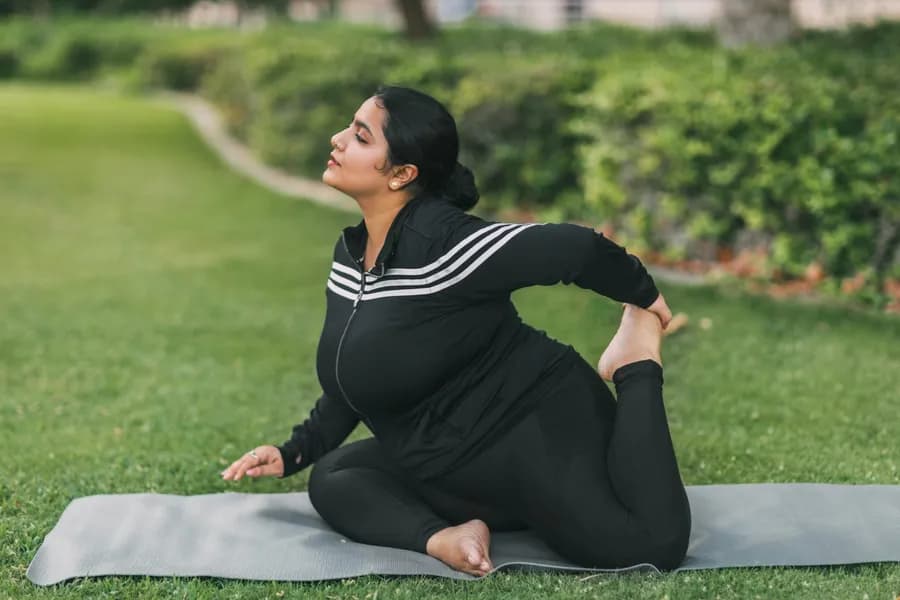
Does Yoga Help in Weight Loss? the Honest Answer and What Works
Yoga alone rarely produces the dramatic weight loss running or strength training does, but combined with mindful eating it does support sustainable body.