
Astavakrasana (Eight-Angle Pose): Steps, Benefits & Precautions
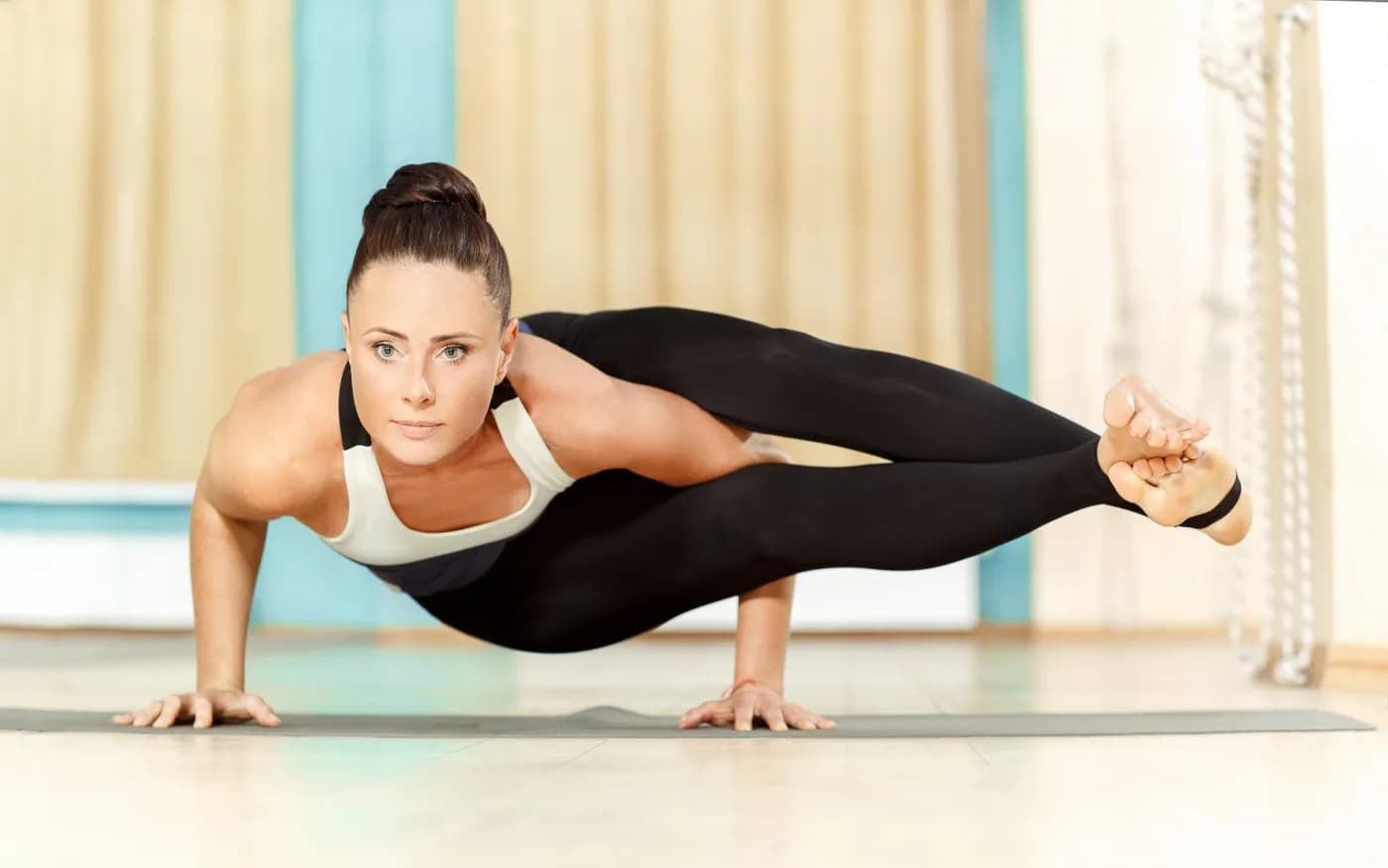
Astavakrasana — the Eight-Angle Pose — is an advanced arm balance that requires simultaneous arm strength, core stability, and hip flexibility to hold the body
Key Takeaways
- Named after sage Astavakra, born with eight bends in his body yet a profound Vedic teacher.
- Both legs extend horizontally to one side, unlike Bakasana’s compact forward-leaning shape.
- One leg hooks above the elbow while the other crosses over it during the entry.
- Chaturanga’s tricep and shoulder strength directly complements this pose’s lateral suspension.
- Develops lateral core stability through the obliques, complementing Navasana’s frontal core work.
- The leg-threading entry requires meaningful hip flexor and external rotator flexibility.
Astavakrasana — the Eight-Angle Pose — is an advanced arm balance that requires simultaneous arm strength, core stability, and hip flexibility to hold the body suspended with both legs extended horizontally to one side. Named after the sage Astavakra — whose body was bent at eight points — the pose embodies the transformation of apparent limitation into graceful, balanced expression. It is accessible through patient, systematic preparation and is one of the most rewarding arm balances in the Hatha yoga system.
What is Astavakrasana?
Astavakrasana — pronounced ash-tah-vak-RAHS-ana — translates as Eight-Angle Pose (Ashta = eight, Vakra = bent or curved, Asana = posture). The name honours the sage Astavakra, who was born with eight bends in his body — a physical condition that did not prevent him from becoming one of the most profound philosophical teachers in the Vedic tradition. The pose is a metaphor: the body arranged at multiple angles, all held in balance through inner strength and focused awareness.
In the astavakrasana yoga pose, the practitioner plants both hands shoulder-width apart, hooks one leg above the corresponding elbow, crosses the other leg over, and extends both legs horizontally to one side — the arms bearing the complete body weight while the core maintains the horizontal suspension. It belongs to the same arm balance family as Bakasana (Crow Pose) — though Astavakrasana’s lateral leg extension creates a distinctly different balance challenge. At Habuild, Astavakrasana is taught as part of the advanced arm balance and core strength curriculum, with the step-by-step preparation that makes the pose genuinely achievable.
Astavakrasana Benefits
Physical Benefits
- Builds Exceptional Arm and Wrist Strength Astavakrasana demands sustained pressing strength through the wrists, forearms, and upper arms — the complete body weight supported through the arms in a held isometric contraction. This arm strengthening is directly complemented by the foundational pressing practice of
- Chaturanga Dandasana, which builds the tricep and shoulder girdle strength that Astavakrasana’s lateral suspension requires. Regular practice progressively builds the upper body strength that this and all subsequent arm balances depend on. Develops Deep Core Strength and Lateral Stability
- Holding the body extended horizontally requires sustained deep core engagement — particularly the obliques and transverse abdominis that govern lateral spinal stability. This core development is an excellent complement to the frontal core work of Navasana (Boat Pose), creating a complete core conditioning programme that addresses frontal, lateral, and rotational strength simultaneously.
- Improves Hip Flexibility and Leg-Threading Mobility The leg threading entry of Astavakrasana — hooking one leg above the elbow and crossing the ankles — requires and develops meaningful hip flexor and external rotator flexibility. This progressive hip opening is part of the broader
- yoga for flexibility benefits that consistent arm balance practice produces across the complete hip and hamstring complex. Strengthens the Serratus Anterior and Shoulder Girdle
- The protracted, depressed scapular position that sustains Astavakrasana activates the serratus anterior — building the shoulder girdle stability that prevents scapular winging and protects the shoulder joint in all arm-supported postures. Supports Spinal Awareness and Postural Health
- Astavakrasana’s demand for precise spinal alignment in the arm balance develops the postural body awareness that translates into improved everyday posture. This spinal awareness is a meaningful complement to yoga for back pain practice — the strengthened posterior chain and improved body awareness supporting the spinal health that back pain management requires.
Mental and Emotional Benefits
- Builds Fearless Confidence and Courage Committing body weight to the arms in Astavakrasana requires a specific quality of fearless trust — the willingness to lift completely off the floor with no other support. This courage, consistently developed through progressive arm balance practice, builds the confident, self-trusting quality that practitioners consistently report in daily life alongside their physical development.
- Develops Intense Single-Pointed Concentration Astavakrasana’s multiple simultaneous demands — arm strength, core engagement, balance, and breathing — create a practice that requires complete, undivided concentration. The mind cannot wander in Astavakrasana; the totality of the body’s engagement demands total mental presence.
- Cultivates Equanimity Through Physical Challenge Named after a sage who transcended physical limitation through philosophical mastery, Astavakrasana invites the practitioner to find ease within challenge — the calm, equanimous presence within the physical demand that advanced yoga practice uniquely develops.
How to Do Astavakrasana — Step-by-Step Instructions
Key Principles
Astavakrasana must be entered through the correct leg-threading sequence — never by jumping or swinging into position. The weight is borne through the full palm, not the wrist alone: spread the fingers and distribute the load. The gaze stays forward throughout — looking down collapses the chest and disrupts balance. Exit is always controlled and deliberate.
Step 1: Establish the Starting Position Sit on the floor with both legs extended forward. Bend the right knee and lift the right leg — drawing the right thigh as high toward the right armpit as flexibility allows.
Step 2: Thread the Right Arm and Hook the Leg Thread the right arm between the right thigh and calf. Hook the right leg as high above the right elbow as possible — ideally at the shoulder level. Plant the right palm firmly on the floor.
Step 3: Cross the Ankles and Plant Both Hands Cross the left ankle over the right ankle — the left foot locking the right leg in position. Plant the left palm firmly on the floor shoulder-width from the right. Spread all ten fingers and press evenly through the full palm.
Step 4: Lean Forward and Lift the Hips Lean the body weight forward over the hands. Bend both elbows — the upper arms creating a shelf for the thighs. On an exhale, engage the core strongly and lift the hips off the floor. The feet will follow as the weight transfers to the arms.
Step 5: Extend Both Legs and Hold Straighten both arms as much as possible. Extend both legs to the right — squeezing the thighs toward each other to maintain the hook above the elbow. The body is now suspended horizontally on the arms. Hold for 3–5 breath cycles, gaze steady forward.
Step 6: Return with Control Bend the elbows slightly to lower the hips back to the floor with control. Release the ankle crossing. Unthread the right arm. Repeat on the left side for balanced practice — left leg hooked above the left elbow, legs extending to the left.
Breathing in Astavakrasana
The lift into Astavakrasana is initiated on a strong exhale — the core engagement that empties the lungs providing the abdominal activation that raises the hips. Once suspended, breathe steadily and evenly through the nose. The breath will be somewhat compressed by the body’s position — breathe into the sides of the ribcage. Never hold the breath in the held position; the steady breath maintains the parasympathetic composure that Astavakrasana demands.
Preparatory Poses Before Astavakrasana
Chaturanga Dandasana — 3 rounds — arm and shoulder strength foundation Astavakrasana is one of yoga’s most satisfying arm balance milestones — combining arm strength, core stability, hip flexibility, and mental composure in a single pose that rewards the patient, systematic practitioner. Its lateral body suspension is unlike any other arm balance, and its progression from Crow Pose to the full Eight-Angle expression is a clear and achievable path for dedicated practitioners.
Practised as part of the complete arm balance curriculum — building from Chaturanga Dandasana through Bakasana to Astavakrasana — it delivers one of yoga’s most comprehensive upper body and core conditioning sequences. Habuild’s daily sessions include this arm balance progression with live guidance and the step-by-step preparation that makes Astavakrasana genuinely accessible. Your first 7 days start at just 14-day free trial.
Start your 14 day free yoga journey with Habuild, today!
Astavakrasana is an advanced arm balance, and the strength, core stability, and hip flexibility it demands are built through months of consistent groundwork, not by attempting the full pose cold. Rather than forcing your way into it, it’s worth building the supporting strength through a structured, progressive practice. Habuild’s Yoga Everyday program can guide that steady progression so you arrive at poses like this one prepared rather than straining.
Frequently Asked Questions
Related Articles
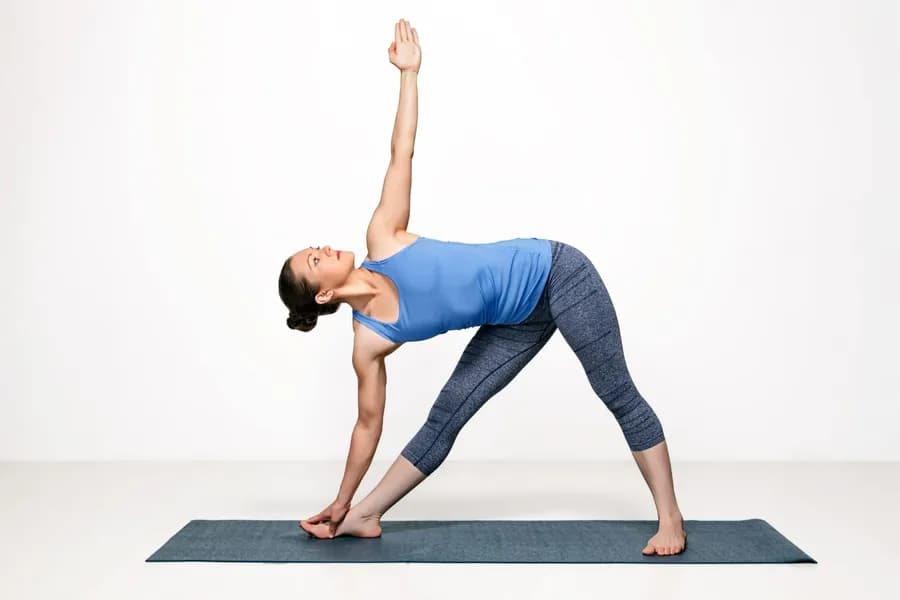
Konasana (Angle Pose): Steps, Benefits & Precautions
This standing lateral bend stretches the entire side body from ankle to fingertips while both feet stay flat on the floor, making it accessible for.

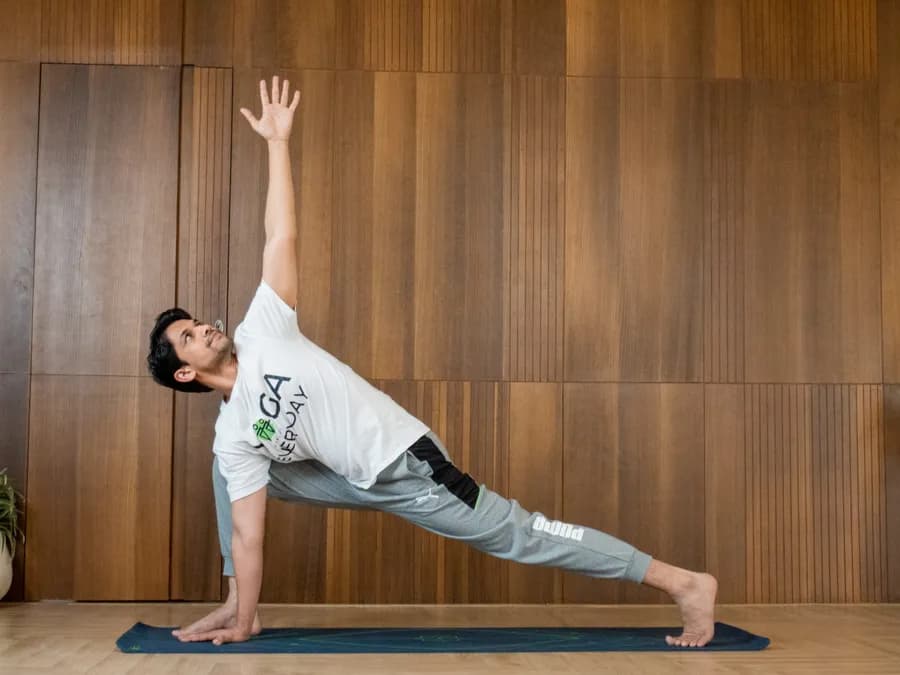
Parsvakonasana (Extended Side Angle Pose): Steps, Benefits & Precautions
This standing posture builds leg strength, opens the full length of the side body, and trains grounded mental focus through one long diagonal line from.
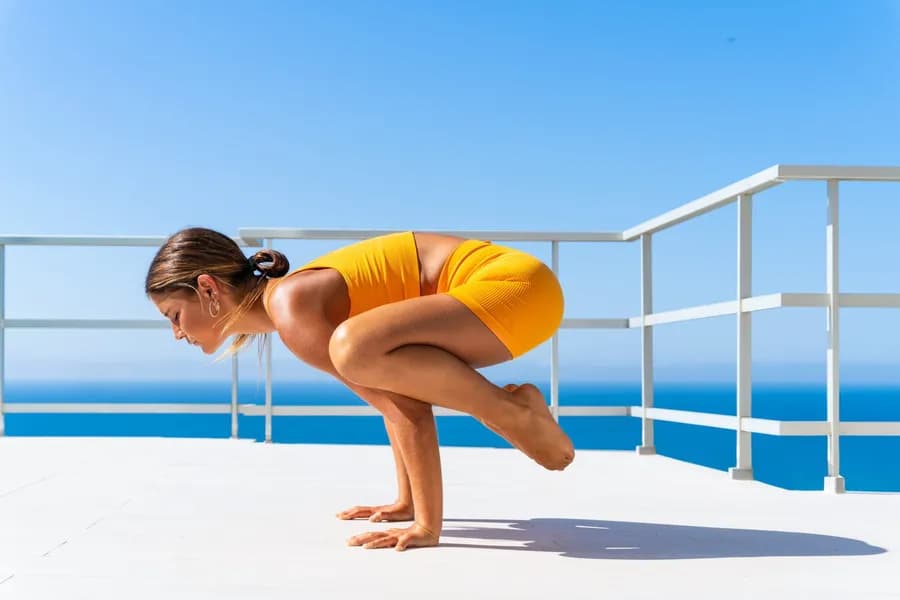
Bakasana (Crow Pose): Steps Strength Tips and How to Master It
Practice Bakasana with Habuild. Follow the crow pose steps to build core strength, improve wrist stability, and master your first arm balance. Start today!