
Balasana Benefits: 10 Reasons to Practise Child’s Pose Every Day
Child's Pose gently decompresses the spine, opens the hips, and activates the parasympathetic nervous system — zero equipment, no flexibility prerequisite. See all 10 reasons to practise it daily.
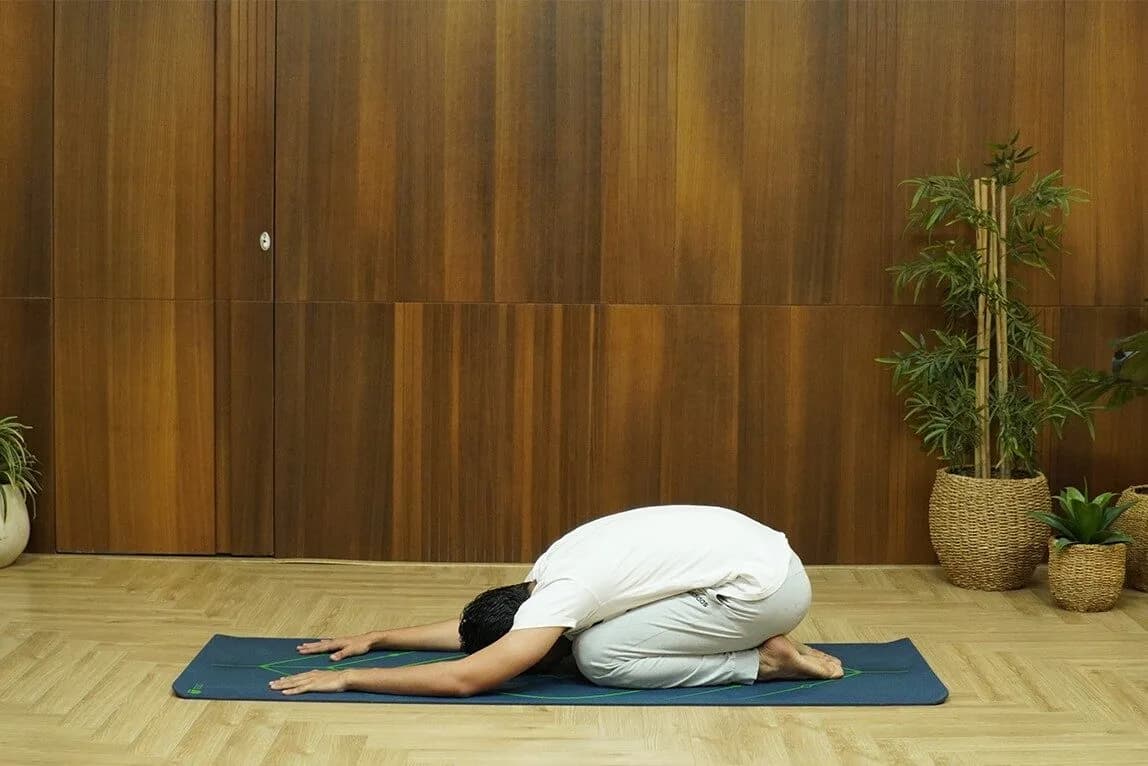
Key Takeaways
- Gently decompresses the lumbar spine through a safe, supported forward fold.
- The forward-bending shape activates the parasympathetic nervous system, slowing heart rate.
- The wide-knee variation opens the hip joints and inner thighs over consistent practice.
- Extending the arms forward lengthens the entire spine, releasing shoulder and neck tension.
- A two-minute hold mid-afternoon can ease mental fatigue through gentle blood flow upward.
- Light abdominal compression against the thighs may gradually support digestive ease.
Balasana, or Child’s Pose, is a restorative yoga posture that gently decompresses the spine, opens the hips, and activates the parasympathetic nervous system. Its benefits range from easing lower back tension to building the daily consistency that makes yoga a lasting habit — all with zero equipment and no flexibility prerequisite.
Whether you are a complete beginner or an experienced practitioner, the balasana benefits extend well beyond simple relaxation. This guide covers what Child’s Pose does for your body, how to start, which poses complement it best, and the mistakes that quietly undermine your results.
10 Benefits of Balasana (Child’s Pose)
- Releases Lower Back Tension Balasana gently decompresses the lumbar spine by elongating it in a safe, supported forward fold. Regular practice may gradually ease the chronic tightness that builds from long hours of sitting or standing. It complements your existing care routine and is not a replacement for medical advice.
- Calms the Nervous System The forward-bending position naturally activates the parasympathetic nervous system. This helps slow the heart rate and quiet racing thoughts, making Child’s Pose a reliable tool for managing everyday stress. Exploring yoga for stress management can deepen this benefit further.
- Improves Hip Flexibility The wide-knee variation of balasana opens the hip joints and inner thighs over time. Consistent practice supports greater range of motion, which benefits walking, squatting, and other daily movements. Ananda balasana benefits follow a similar principle — the Happy Baby variation adds external hip rotation to the mix.
- Gently Stretches the Spine, Shoulders, and Neck As you extend your arms forward and allow the torso to melt toward the floor, the entire spine lengthens. The shoulders and neck receive a passive stretch that many people find deeply relieving after screen-heavy workdays.
- Supports Better Breathing Awareness Child’s Pose naturally directs the breath into the back body. Feeling the ribcage expand sideways with each inhale builds the breath awareness that underpins every other yoga posture. This is one of the most underappreciated balasana pose benefits for beginners.
- Encourages Mindful Rest One practical benefit of balasana is that it teaches you to rest intentionally — without guilt. In a structured yoga programme, Child’s Pose is used as a reset between challenging sequences, reinforcing the habit of listening to your body.
- Eases Mild Fatigue and Drowsiness When energy levels dip mid-afternoon, a two-minute hold in Child’s Pose can reduce feelings of mental fatigue. The slight inversion of the head relative to the hips encourages gentle blood flow toward the upper body.
- Supports Digestive Comfort The light compression of the abdomen against the thighs in balasana may gradually support digestive ease when practised regularly. For a more targeted approach, pairing it with poses covered in yoga for digestion can be helpful.
- Builds Consistency in Practice Because balasana requires no equipment, no warm-up, and almost no physical threshold to entry, it is often the pose that keeps people practising on days when motivation is low. The habit of returning to Child’s Pose builds the daily consistency that often improves how you feel overall.
- Prepares the Mind for Deeper Postures Practising balasana at the start of a session primes the nervous system for focus. It signals to the body that practice has begun — a simple but powerful ritual that separates the hustle of the day from intentional movement.
How to Get Started with Balasana
What You Need to Begin
All you need is a yoga mat or a folded blanket. Comfortable, non-restrictive clothing works best. If your knees feel uncomfortable, place a rolled blanket behind the knees for support. There is no equipment required — balasana is genuinely home-friendly.
Setting Realistic Goals
Start by holding Child’s Pose for 30–60 seconds, once or twice per session. Over two to four weeks, aim to extend this to two to three minutes. The goal is not depth or flexibility — it is consistent return to the posture. Small, regular sessions accumulate into real progress over time.
Start with the Basics
Begin on all fours with your knees hip-width apart (or wider for the ananda balasana variation). Exhale as you sit back toward your heels and lower your forehead to the mat. Arms can extend forward or rest alongside the body. Breathe slowly and let gravity do the work — do not force the torso down.
Best Poses to Complement Balasana
Tadasana (Mountain Pose)
Tadasana establishes upright posture and grounding awareness. Practising it before or after balasana creates a useful contrast between active engagement and restful release. Learn more about the mountain pose benefits to understand why this pairing works so well.
Bhujangasana (Cobra Pose)
Where balasana rounds the spine forward, Bhujangasana gently extends it backward. The two poses balance each other perfectly, supporting spinal mobility from both directions. Inhale as you rise into Cobra and exhale as you return to Child’s Pose for a flowing transition.
Adho Mukha Svanasana (Downward-Facing Dog)
Downward Dog is a natural successor to Child’s Pose. From balasana, tuck the toes and press the hips upward into an inverted V shape. This pose builds on the hip opening and spinal elongation that Child’s Pose initiates. Explore a full guide to Adho Mukha Svanasana to refine your technique.
Ananda Balasana (Happy Baby Pose)
Ananda balasana benefits are closely related to those of classic Child’s Pose, with the added dimension of active hip opening. Lying on your back, you draw the knees toward the armpits and hold the outer feet, creating a gentle traction in the sacrum and hip joints. It is a wonderful supine counterpart to balasana.
Paschimottanasana (Seated Forward Fold)
This seated fold deepens the hamstring and lower back stretch that balasana begins. With regular practice, the combination of these two postures supports a noticeable improvement in posterior chain flexibility. The progression from Child’s Pose to Paschimottanasana is a natural one in most beginner sequences.
Setu Bandhasana (Bridge Pose)
Bridge Pose activates the glutes and opens the chest — a functional counterpose to the passive hip flexion in balasana. Pairing these two builds balance between the front and back body. Discover the full range of benefits of Setu Bandhasana to see how it fits into a rounded routine.
Balasana with Side Stretch Variation
Walk both hands to the right side of the mat and hold for five breaths, then repeat on the left. This lateral variation stretches the intercostal muscles and the side waist — areas that the classic forward variation does not reach.
Common Mistakes to Avoid in Balasana
- Skipping the Warm-Up Although balasana is gentle, jumping straight into a deep hold without any preparatory movement can create discomfort in the ankles and knees. Two minutes of gentle cat-cow or ankle rolls beforehand makes the posture far more accessible.
- Holding the Breath Many beginners unconsciously tighten and hold the breath as they settle into Child’s Pose. This defeats the primary purpose of the posture. Consciously soften the belly on the exhale and let the breath lengthen with each cycle.
- Forcing the Hips Toward the Heels If the hips do not easily reach the heels, do not push them down. Instead, place a folded blanket between the thighs and calves. Forcing this contact compresses the knee joint and creates strain rather than release.
- Inconsistent Practice Balasana’s benefits accumulate through repetition, not intensity. A once-a-month deep stretch produces far less benefit than a brief two-minute hold practised five days a week. Consistency is the single most important variable.
Who Should Try Balasana?
- Beginners Child’s Pose is the perfect entry point into yoga. There is no balance challenge, no strength requirement, and no flexibility prerequisite. If you are exploring yoga for beginners, balasana is likely the first posture your instructor will teach you.
- Women Balasana is particularly valued by women for its capacity to support pelvic floor relaxation, ease lower abdominal discomfort during the menstrual cycle, and provide a grounding counterpose during more demanding sequences. It pairs well with restorative practices for hormonal balance.
- Older Adults For older adults, balasana offers a low-impact way to maintain hip and spinal mobility. The supported variation with props reduces joint load significantly. Always consult a healthcare professional before starting any new physical practice if you have knee, hip, or spinal conditions.
- Working Professionals Long hours at a desk create a predictable pattern of hip flexor tightness, rounded shoulders, and lower back discomfort. A five-minute balasana practice mid-day or after work may gradually ease these patterns and support better posture over weeks of regular practice.
Build Flexibility with a Routine That Actually Works
Building flexibility and genuine stress resilience is not about doing one perfect posture — it is about showing up consistently with the right guidance. Balasana is a powerful start, but a structured daily programme is what turns sporadic stretching into lasting change.
What You Get with Habuild’s Yoga Everyday Programme:
- Daily live guided yoga sessions — including restorative postures like balasana
- Beginner to progressive levels, so you never feel stuck or overwhelmed
- No equipment and fully home-friendly practice
- Expert guidance to ensure correct alignment and avoid strain
- A consistent community that keeps you accountable
Start Your Yoga Journey
Join Habuild Yoga Classes and start today →
Child’s Pose earns its reputation not from any single long hold but from being returned to constantly — at the start of a sequence, between more demanding poses, at the end of a long day — so the nervous system learns what settling down actually feels like. That familiarity is what eventually makes it easier to unwind off the mat too. If you’re looking to build that kind of steady, restorative rhythm, Habuild’s Yoga Everyday program weaves poses like Balasana into daily guided practice.
Frequently Asked Questions
Related Articles
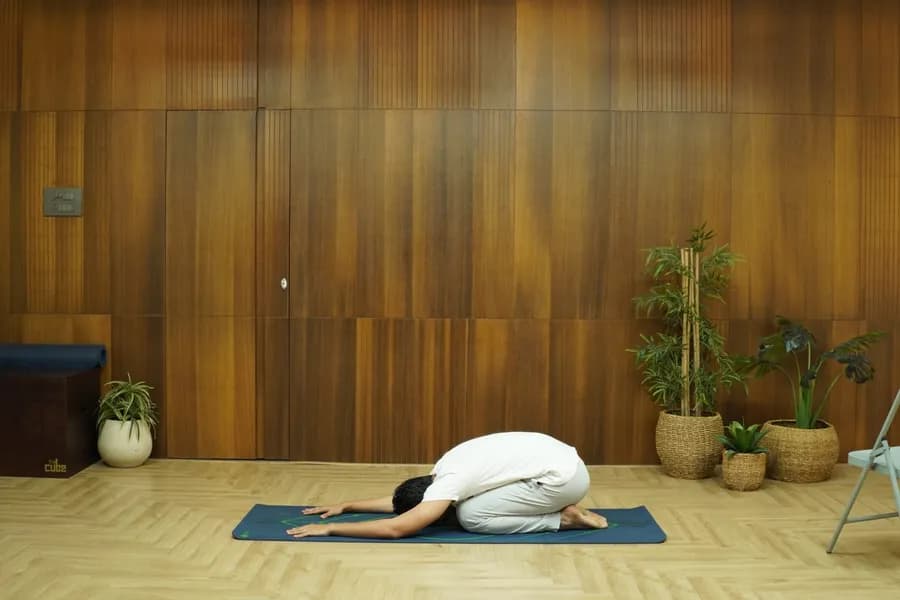
Balasana (Child’s Pose): Steps and Benefits for Mind and Body
Try balasana with Habuild. Practice the balasana pose to relieve stress, ease back tension, and deeply relax your body and mind. Start your yoga session now!
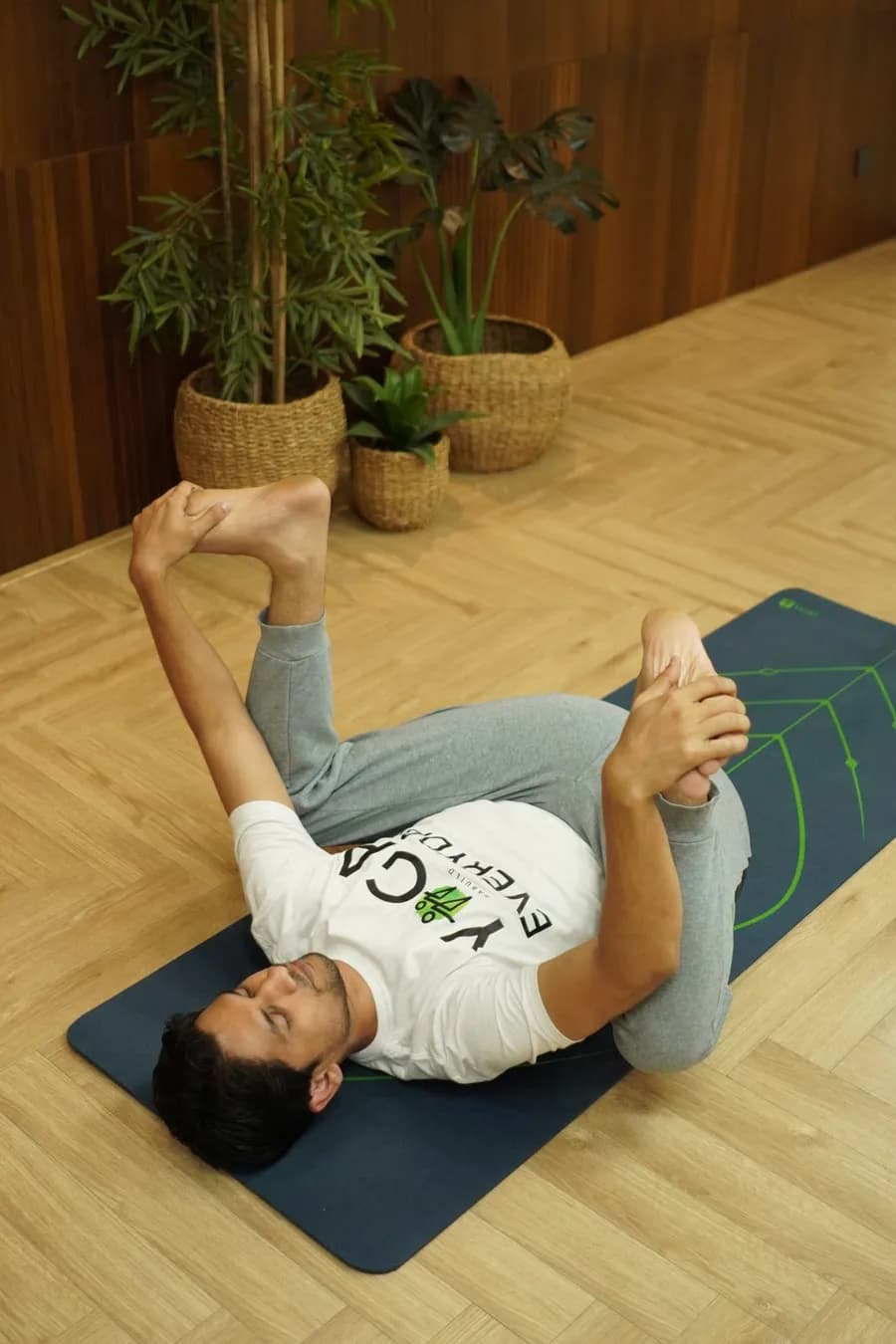
Ananda Balasana (Happy Baby Pose): Steps, Benefits & Precautions
Happy Baby Pose gently decompresses the spine, opens the hips and inner groins, and calms the nervous system — nothing more than a mat and a few slow.
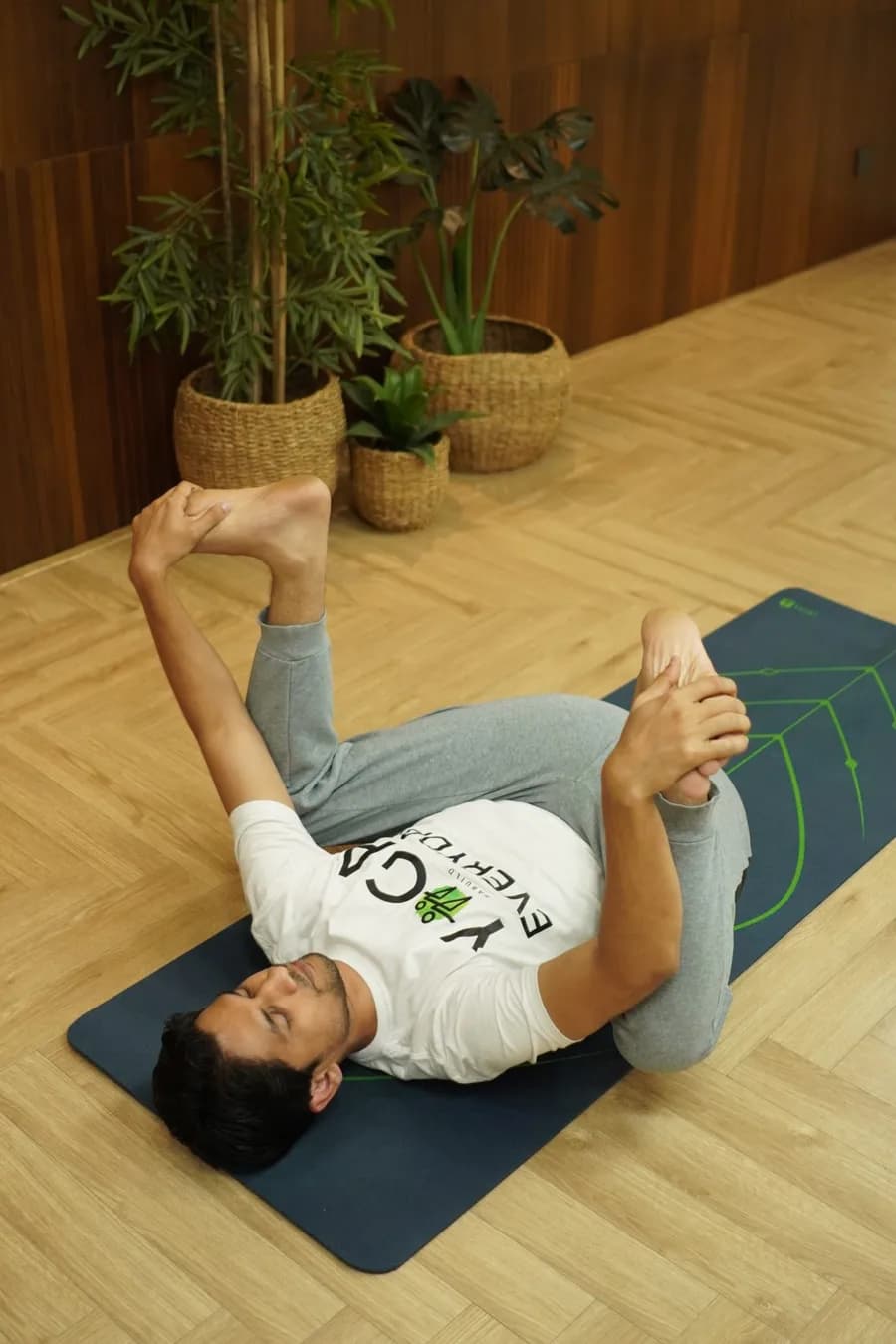
Ananda Balasana (Happy Baby Pose): Steps and Restorative Benefits
Practice Ananda Balasana with Habuild. Follow the happy baby pose steps to relieve lower back pain, open your hips, and calm your nervous system. Start today!