
Ananda Balasana (Happy Baby Pose): Steps and Restorative Benefits
Practice Ananda Balasana with Habuild. Follow the happy baby pose steps to relieve lower back pain, open your hips, and calm your nervous system. Start today!
Key Takeaways
- Requires no standing balance, spinal flexion, or muscular endurance – just lying back.
- Most practitioners feel lower-back and sacroiliac relief within the very first minute.
- A gentle rocking variation additionally massages the ascending and descending colon.
- Named after the natural, blissful position of an infant exploring its own feet.
- Passive gravity-assisted opening reaches deeper into hip rotators than resisted stretching.
- The vulnerable-yet-safe supine position is named one of yoga’s most effective pre-sleep poses.
Ananda Balasana, or Happy Baby Pose, decompresses the lumbar spine, stretches the inner thighs and groin, stimulates digestion, and activates the parasympathetic nervous system from a fully passive supine position. It relieves lower back pain and supports sleep quality. One of yoga’s most universally accessible and beneficial postures — suitable for all levels.
What is Ananda Balasana?
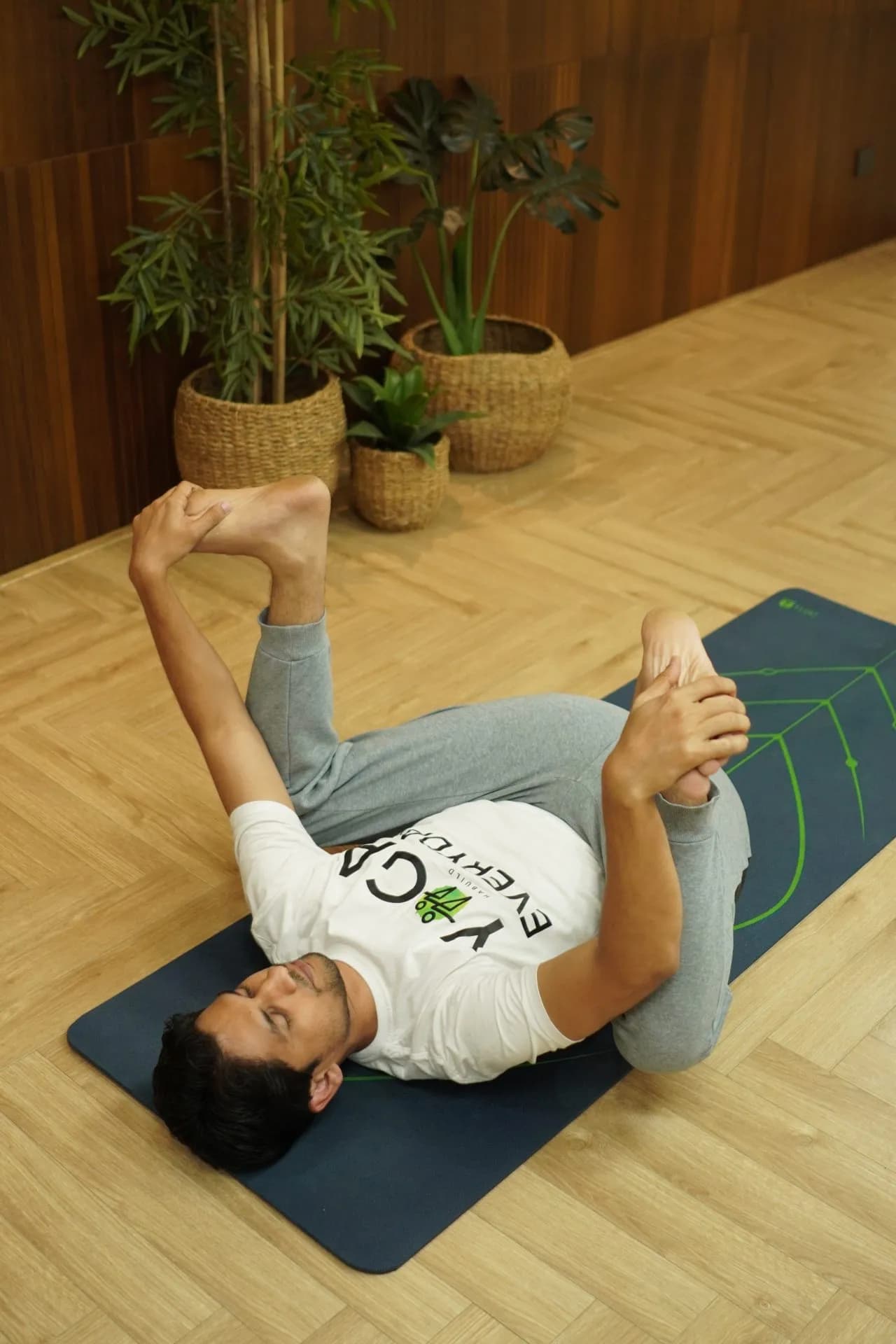
Ananda Balasana — known in English as Happy Baby Pose — derives from Sanskrit: Ananda (bliss or happiness), Bala (child or baby), and Asana (posture). The practitioner lies on the back, knees drawn to the chest and then opened wide, hands clasping the outer feet — exactly replicating the natural, blissful position of a happy infant exploring its own feet with complete ease.
Ananda Balasana is a supine restorative posture that provides a gentle but effective combination of inner thigh and groin stretching, hip external rotation, lower back decompression, and sacroiliac joint release — all from a completely passive, gravity-assisted position. It requires no standing balance, no spinal flexion or extension, and no muscular endurance — just the willingness to lie back and allow gravity to do the work.
At Habuild, Ananda Balasana is taught as part of the supine floor sequence and as a standard cool-down posture — guiding members through the precise foot position, knee alignment, and spinal awareness that make the pose fully therapeutic.
Ananda Balasana Benefits
Physical Benefits
- Decompresses the Lower Back and Sacroiliac Joints The combination of hip flexion and gentle traction creates a natural decompression of the lumbar spine and sacroiliac joints — relieving the compression and stiffness that accumulate through sitting, standing, and movement throughout the day. Most practitioners feel relief within the first minute.
- Stretches the Inner Thighs, Groin, and Hip Flexors The wide-kneed position stretches the adductors, groin, and inner thighs in a completely passive, gravity-assisted way — ideal for practitioners who find active groin stretches too intense. The traction on the hip flexors provides a gentle psoas release without the active engagement required in standing lunges.
- Opens the Hip External Rotators Passively The bilateral hip external rotation progressively opens the piriformis, obturator externus, and gemelli — the supine position allowing complete muscular relaxation that enables deeper hip opening than resisted active stretching.
- Stimulates Digestion and Relieves Constipation The hip flexion and gentle abdominal compression stimulate the digestive organs and activate peristalsis. The gentle rocking variation additionally massages the ascending and descending colon.
Mental Benefits
- Activates the Parasympathetic Nervous System The supine, vulnerable-yet-safe position — back on the floor, hips open, movements gentle — activates the parasympathetic nervous system rapidly and profoundly, making it one of yoga’s most effective pre-sleep postures for insomnia management.
- Reconnects with Childlike Ease and Playfulness Spending time in the Happy Baby position deliberately cultivates the lightness, non-seriousness, and embodied ease that adult bodies and minds frequently lose to stress and habitual tension.
How to Do Ananda Balasana — Step-by-Step Instructions
Key Principles
Key Principles Two principles: spine on the floor — the entire spine including the lower back should approach or contact the mat; and knees wider than the torso — the knees must frame the torso, not just be pulled to the chest. These two together produce the genuine hip external rotation and lumbar decompression.
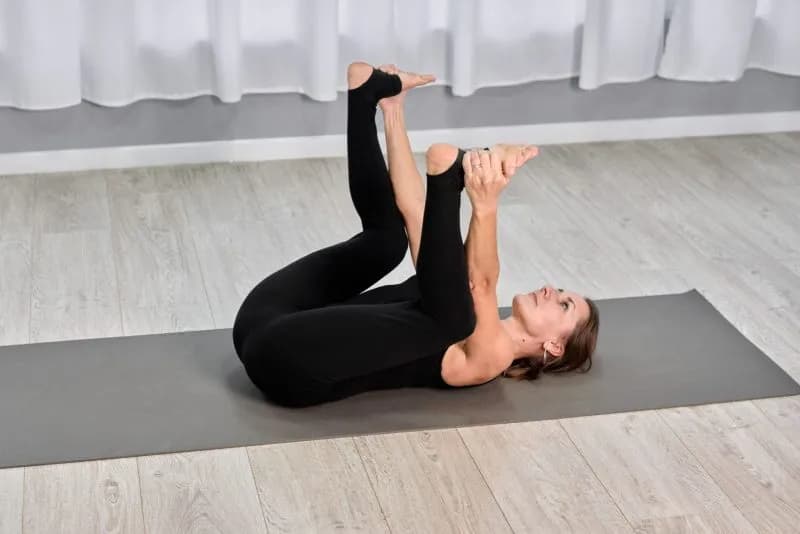
Ananda Balasana — Step by Step Step 1: Supine Starting Position Lie on the back with knees bent, feet flat on the floor. Take two full breath cycles to allow the spine to settle into the mat.
Step 2: Draw Both Knees to the Chest Draw both knees toward the chest on an exhale — hugging them briefly before opening them wide.
Step 3: Open the Knees Wide Open both knees wide — wider than the torso — bringing them toward the armpits. Flex both feet so toes point toward the ceiling.
Step 4: Clasp the Outer Feet Reach the hands up to clasp the outer edges of both feet — index and middle fingers hooking around the little toe side of each foot. If the hands do not reach: loop a strap around each foot, or hold the ankles.
Step 5: Gently Draw Knees Toward the Floor and Hold Gently draw the knees toward the floor beside the torso using arm tension — not muscular force. Press the lower back gently toward the floor. Hold for five to fifteen breath cycles.
Step 6: Optional Rocking, Then Release Gently rock side to side for thirty to sixty seconds — like a happy baby — to massage the sacrum. To release: draw the knees to the chest, extend the legs to Savasana.
Breathing
Breathe slowly and deeply into the belly — belly rising toward the thighs on the inhale. Deep belly breathing provides internal abdominal massage and progressively decompresses the lumbar spine. Each exhale allows the inner thighs and groin to release further without any muscular effort.
Preparatory Poses
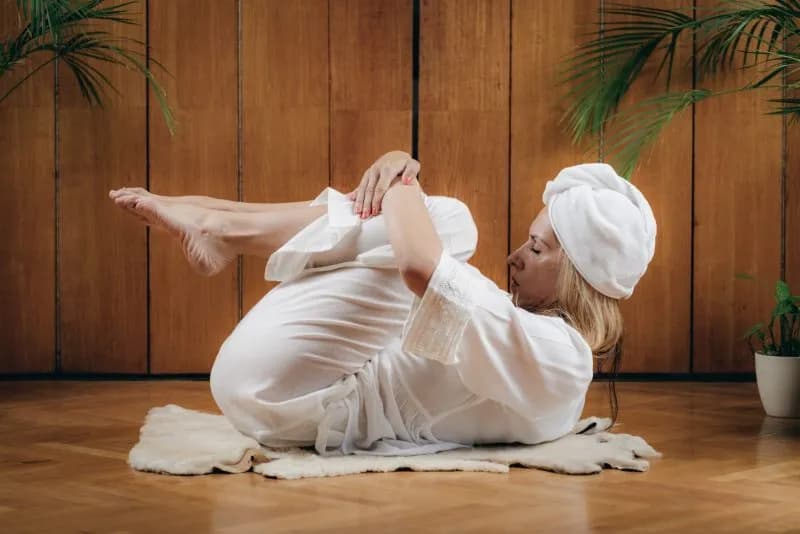
- Apanasana (knees-to-chest, 30 seconds) — The direct warm-up for Ananda Balasana — the same starting movement before opening the knees wide.
- Supta Baddha Konasana (2 minutes) — Warms the inner thighs and groin before the deeper Happy Baby opening.
Variations
- Variation 1: Eka Pada Ananda Balasana — Single Leg One leg extends toward the floor or ceiling while the other draws into the Happy Baby position — a gentler approach for practitioners who find the bilateral version too intense for tight hips.
- Variation 2: Ananda Balasana with Rocking Gently rock side to side in the full Happy Baby position — massaging the sacrum and lumbar vertebrae against the mat. Particularly effective for acute lower back discomfort.
- Variation 3: Ananda Balasana with Strap Yoga straps looped around each foot replace the need for hand-to-foot contact — making the full shape accessible to practitioners with limited hip flexibility.
Common Mistakes to Avoid
- Pulling the Knees Toward the Chest Rather Than Opening Wide The therapeutic benefit of Ananda Balasana depends on the knees opening wide to frame the torso — not being pulled toward the chest. The wide knee position is the element that creates both the lumbar decompression and the hip external rotation.
- Allowing the Lower Back to Arch Off the Floor The lumbar spine must remain in gentle contact with the floor throughout — a lower back arching away from the mat means the knees are not open wide enough or the hold is too shallow to produce the intended decompression.
- Holding for Too Short a Duration The full lumbar decompression requires at least five breath cycles — most practitioners do not hold long enough to access the deepest benefit. Building to ten to fifteen breath cycles produces qualitatively different levels of release.
Who Should Practise?
- Everyone — A Universal Restorative Posture Ananda Balasana is one of the few yoga postures genuinely recommended to every practitioner regardless of age, experience, or condition. Its accessibility, safety, and comprehensive benefit profile make it indispensable.
- Those with Lower Back Pain and Hip Tightness The immediate lumbar decompression and progressive inner thigh opening make it one of the most relieving and accessible postures for the combination of lower back pain and hip tightness that affects the majority of adults.
- Is Ananda Balasana Good for Beginners? Yes — it is specifically designed as one of yoga’s most accessible postures. No prior yoga experience, flexibility, or strength is required. The strap modification removes the only potential barrier for very tight hips.
Make Ananda Balasana a Part of Your Daily Practice
Ananda Balasana is yoga’s happiest and most immediately accessible posture — its blissful supine opening delivering lumbar decompression, hip relief, digestive stimulation, and parasympathetic calm from the most effortless position in the entire yoga canon.
The most effective way to learn Ananda Balasana correctly — with knee width guidance, spinal contact instruction, and rocking technique — is under live expert instruction with Habuild.
Start your 14 day free yoga journey with Habuild, today!
Related reads: Balasana (Child’s Pose): Steps and Benefits for Mind and Body · Natarajasana (Dancer Pose): Steps and Balance Benefits
Happy Baby Pose releases the lower back and hips gradually, rocking gently session after session until tightness that’s built up over years of sitting starts to genuinely loosen. Held for a few unhurried breaths each day, it also does a reliable job of calming the nervous system before bed. Habuild’s Yoga Everyday program uses restorative poses like this to end a daily practice on a calm note.
Frequently Asked Questions
Related Articles
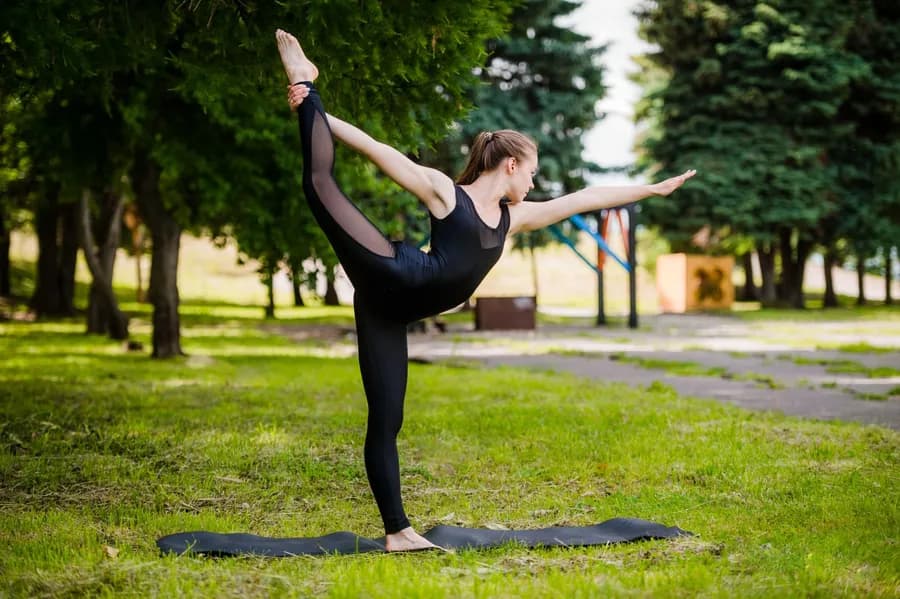
Natarajasana (Dancer Pose): Steps and Balance Benefits
Practice Natraj Asana with Habuild. Follow Lord of the Dance pose steps to improve balance, boost flexibility, and strengthen your spine daily. Start today!
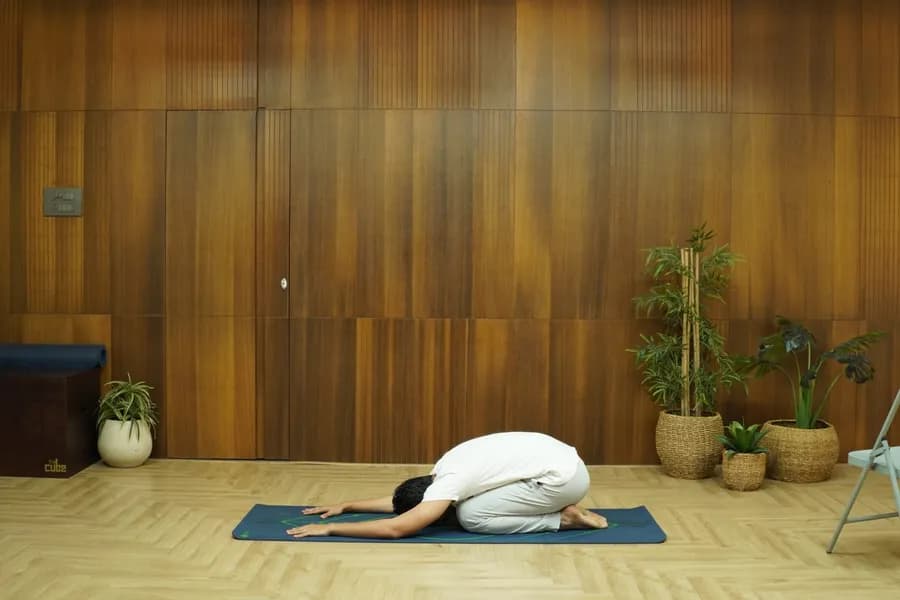
Balasana (Child’s Pose): Steps and Benefits for Mind and Body
Try balasana with Habuild. Practice the balasana pose to relieve stress, ease back tension, and deeply relax your body and mind. Start your yoga session now!
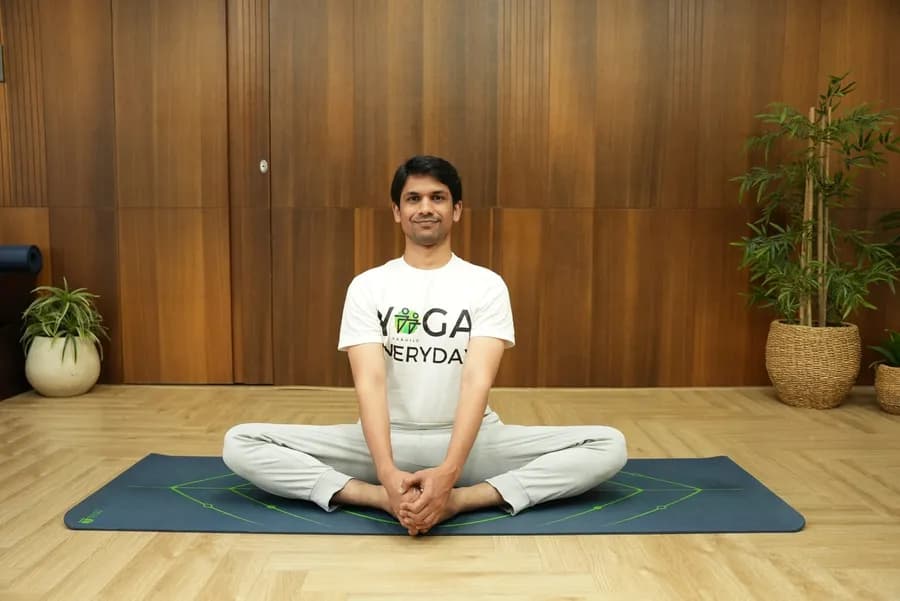
Baddha Konasana (Butterfly Pose): Steps and Hip Flexibility Benefits
Practice baddha konasana with Habuild. Try the baddha konasana pose to open your hips, improve flexibility, and calm your busy mind. Start your session today!
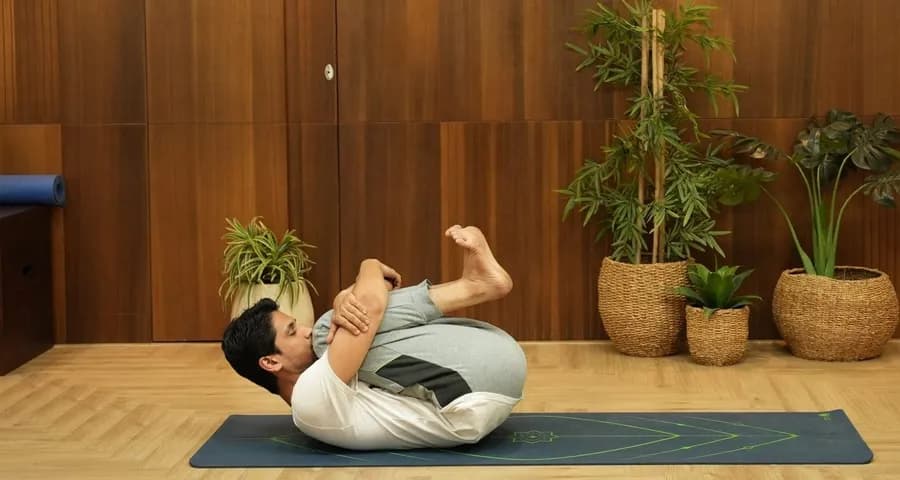
Pawanmuktasana (Wind Relieving Pose): Steps and Digestive Benefits
Try pawanmuktasana with Habuild. Discover pawanmuktasana benefits including gas relief, improved digestion, and reduced back tension. Start your session today!