
Basic Yoga Poses (Foundational Asanas): Steps, Benefits & Precautions
Foundational asanas teach your body the fundamental principles of alignment, breath awareness, and mindful movement — they are yoga itself, distilled to its essential form. See the poses, benefits, and precautions.
Key Takeaways
- Foundational poses aren’t simplified yoga – they are yoga distilled to its essential form.
- Classical texts define asana as sthira sukham – steady to hold, comfortable to breathe through.
- You build Tadasana before Bakasana, Downward Dog before a handstand – foundations come first.
- Uttanasana and Balasana gradually lengthen tight hamstrings and the entire posterior chain.
- Twisting poses and forward folds create a massaging effect that supports gut motility.
- Breath-linked movement in basic poses activates the parasympathetic nervous system early on.
What are Basic Yoga Poses?
Basic yoga poses — known as foundational asanas in Sanskrit — are the entry-level postures that form the bedrock of every yoga tradition. Whether you are stepping onto the mat for the very first time or returning after a long break, these poses teach your body the fundamental principles of alignment, breath awareness, and mindful movement. They are not simplified versions of “real” yoga — they are yoga itself, distilled to its most essential form.
The word asana comes from the Sanskrit root ās, meaning “to sit” or “to be present.” Classical texts like the Hatha Yoga Pradipika describe asanas as postures that create steadiness and ease in the body — sthira sukham asanam. Foundational poses embody exactly this: they are steady enough to hold with control and comfortable enough to breathe through without strain.
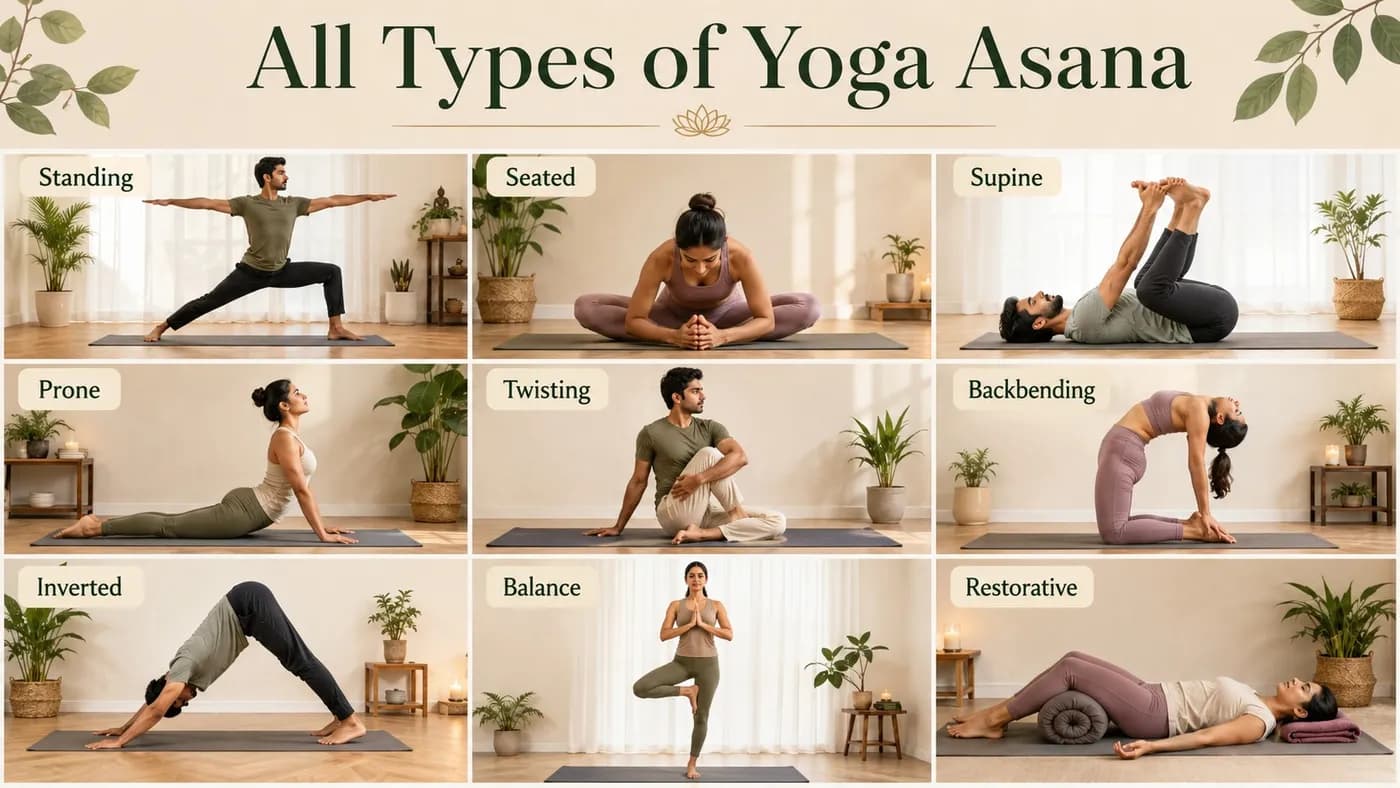
Visually, basic yoga poses range from standing postures that build strength and balance, to seated forward folds that lengthen the back body, to gentle supine stretches that decompress the spine. Together they create a complete, whole-body routine suitable for all ages and fitness levels. Within the broader yoga system, these postures serve as prerequisites for more advanced work — you build Tadasana before Bakasana, and Downward Dog before a handstand. Getting these foundations right changes everything that comes after.
Basic Yoga Poses Benefits
- Physical Benefit 1: Builds Full-Body Strength and Postural Awareness Foundational standing poses such as Tadasana and Virabhadrasana engage the legs, core, and back simultaneously. Over consistent practice, this builds functional strength that supports everyday movement — sitting at a desk, carrying groceries, or climbing stairs. A basic yoga stretch routine practiced daily begins to correct postural imbalances that accumulate from sedentary habits.
- Physical Benefit 2: Improves Flexibility in the Hamstrings, Hips, and Spine Poses like Uttanasana (Standing Forward Fold) and Balasana (Child’s Pose) gradually lengthen tight hamstrings, hip flexors, and the entire posterior chain. Unlike static gym stretches, yoga moves the body through dynamic and sustained holds, improving both active and passive range of motion. Yoga for flexibility is one of the most commonly cited reasons people begin a practice — and basic poses deliver it reliably.
- Physical Benefit 3: Supports Healthy Digestion and Circulation Twisting poses and gentle forward folds create a massaging effect on the abdominal organs, supporting peristalsis and gut motility. Improved circulation through the torso may gradually ease feelings of bloating or sluggishness when practiced regularly. These postures complement — but do not replace — medical care for digestive conditions.
- Mental and Emotional Benefit 4: Calms the Nervous System and Eases Everyday Stress The deliberate, breath-linked movement in a basic yoga stretch routine activates the parasympathetic nervous system — shifting the body away from fight-or-flight reactivity toward rest and recovery. Many practitioners report a noticeable reduction in tension after just a single session. With consistent practice, yoga for stress management becomes one of the most accessible tools in daily life.
- Mental and Emotional Benefit 5: Improves Focus, Mood, and Mental Clarity Holding a pose requires focused attention on breath, alignment, and sensation — effectively training single-pointed concentration. This meditative quality transfers into sharper focus during work and decision-making. Many beginners are surprised to find that a short morning practice lifts their mood more reliably than scrolling or caffeine.
How to Do Basic Yoga Poses — Step-by-Step Instructions
This section walks you through Tadasana (Mountain Pose) — the single most important foundational asana. Every standing pose in yoga begins and ends here. Master this, and every other basic yoga pose becomes more accessible.
Key Principles
Before you begin, understand three non-negotiables: breath leads movement (never hold your breath), alignment over depth (go only as far as your body allows without strain), and consistency over intensity (a 20-minute daily practice beats a 90-minute weekly session every time).
Step 1: Starting Position
Stand at the top of your mat with your feet together or hip-width apart if you feel unsteady. Let your arms hang naturally by your sides, palms facing forward. Close your eyes for a moment and feel all four corners of each foot pressing evenly into the mat. This is where grounding begins.
Step 2: Engage the Legs
Gently lift your kneecaps by engaging your quadriceps — avoid locking the knees back. Feel the inner thighs drawing slightly toward each other. This active engagement in the legs creates a stable base that travels all the way up the spine.
Step 3: Lengthen the Spine
Tuck the tailbone very slightly — not a posterior tuck, just a gentle neutralising of an exaggerated lower-back curve. Feel the spine grow tall from the base. Imagine a thread pulling the crown of your head toward the ceiling. Your natural spinal curves remain intact; you are simply finding their neutral position.
Step 4: Set the Shoulders and Arms
Roll your shoulders up toward your ears on an inhale, then back and down on an exhale. This opens the chest and releases habitual upper-body tension. Let your arms rest alongside the torso, fingers gently spread, with a feeling of length running from your shoulder blades down through your fingertips.
Step 5: Final Position and Hold
With legs engaged, spine long, chest open, and gaze soft and level, hold the pose for 5–10 breath cycles. Notice any tendency to shift your weight forward onto the toes or back onto the heels — aim for even distribution. Feel the body working quietly but powerfully in stillness.
Step 6: How to Come Out of Tadasana
On an exhale, soften the engagement gradually — release the kneecaps, let the arms relax fully, and take a natural breath. Stand quietly for a moment before moving into the next posture. Notice the contrast between before and after: a subtle sense of length and calm that the pose leaves behind.
Breathing in Tadasana
Breathe slowly and evenly through the nose throughout. On each inhale, feel the spine lengthen and the chest widen. On each exhale, feel the shoulders soften and the feet ground more firmly. The breath is not decorative — it is what transforms a static stance into an active yoga pose.
Preparatory Poses Before Basic Yoga Poses
If you are brand new to yoga or returning after a break, spending a few minutes on these preparatory movements will make your foundational asana practice significantly safer and more effective.
- Neck Rolls (Seated): Slowly circle the head to release cervical tension before any standing work — particularly helpful for those who sit at desks all day.
- Cat-Cow (Marjaryasana-Bitilasana): Moving the spine through flexion and extension on all fours warms up the vertebrae and brings awareness to spinal alignment before standing poses.
- Supine Knees-to-Chest (Apanasana): Lying on your back and hugging the knees gently decompresses the lumbar spine and relaxes the hip flexors — ideal before forward folds and standing balance poses.
- Ankle Circles and Wrist Rolls: These micro-mobilisation movements warm up the smaller joints that bear load in foundational asanas, reducing the risk of strain for complete beginners.
For a broader warm-up sequence, explore these easy yoga poses that pair well with a beginner morning routine.
Variations of Basic Yoga Poses
Variation 1: Ardha Uttanasana — Half Forward Fold (Beginner-Friendly)
Difficulty: Beginner. Instead of folding fully toward the floor in Uttanasana, place your hands on your shins or a block and keep the spine long and parallel to the floor. This variation targets the hamstrings and lower back without rounding the spine, making it ideal for anyone with tight hamstrings or lower back sensitivity. It is a staple in yoga moves for beginners sequences.
Variation 2: Virabhadrasana I Modification — Low Lunge (Anjaneyasana)
Difficulty: Beginner-Intermediate. Instead of the full Warrior I with the back heel grounded, lower the back knee to the mat. This dramatically reduces the demand on the hip flexors and ankle while still building quad strength and hip extension. It is an excellent stepping stone toward the full standing warrior postures.
Variation 3: Ardha Chandrasana — Half Moon Pose (Intermediate)
Difficulty: Intermediate. Building from Trikonasana (Triangle Pose), the front hand lifts to the hip or a block while the back leg rises parallel to the floor. This variation develops single-leg balance, hip stability, and lateral body lengthening — a natural progression for practitioners who have consolidated the foundational standing poses and want to explore more challenging postures.
Common Mistakes to Avoid in Basic Yoga Poses
- Holding the Breath Mistake: Gripping and freezing the breath when a pose feels unfamiliar or effortful. Correction: Consciously return to slow nasal breathing as soon as you notice the breath has stopped. If you cannot breathe, back off the depth of the pose until you can.
- Forcing Depth Over Alignment Mistake: Pushing deeper into a fold or stretch to touch the floor, even if the spine rounds dramatically or the joints strain. Correction: Use a block, a folded blanket, or simply bend the knees. Depth is earned over months of consistent practice — not forced in a single session.
- Collapsing the Knees Inward in Standing Poses Mistake: In poses like Utkatasana (Chair Pose), the knees fall inward — a sign of weak glutes and hip external rotators. Correction: Actively press the knees out over the second toe. Engaging the outer glutes and inner thighs simultaneously keeps the knees tracking correctly.
- Neck Tension in Prone and Supine Poses Mistake: Straining the neck to lift the head in poses like Shalabhasana (Locust) or Setu Bandhasana (Bridge). Correction: Keep the neck long and in line with the spine. The gaze should be downward in prone poses, not craned forward.
- Skipping Savasana Mistake: Rolling up the mat the moment the active portion ends. Correction: Savasana (Corpse Pose) is not optional rest — it is the period during which the nervous system integrates the work done. Even 3–5 minutes in stillness meaningfully completes the practice.
- Inconsistent Practice Spacing Mistake: Doing an intense 90-minute session once a week and expecting results. Correction: A 20–30 minute daily practice builds the neuromuscular patterns that create lasting change. Frequency, not duration, is the real driver of progress in yoga.
Who Should Practise Basic Yoga Poses?
- Those with Back Pain, Stiffness, or Poor Posture Foundational asanas place particular emphasis on spinal alignment and core engagement — two factors that directly support a healthier back. Poses like Cat-Cow, Child’s Pose, and Tadasana may gradually ease the discomfort associated with sitting-related stiffness when practiced regularly. They complement medical care and should not replace advice from your doctor or physiotherapist. If you are dealing with specific spinal concerns, the yoga for back pain guide offers targeted guidance.
- Is Basic Yoga Good for Beginners? Absolutely — these poses exist precisely for the beginner. The foundational asanas require no prior athletic ability, no equipment beyond a mat, and no flexibility to begin. They meet the body where it is and build capacity gradually. Yoga moves for beginners sequences are specifically sequenced so that each pose prepares the body for the next, making the practice inherently progressive and safe. Explore a curated 12 basic yoga poses for beginners sequence to get started with a clear roadmap.
- Working Professionals and Those with Sedentary Lifestyles If your day involves long hours at a desk, a short basic yoga stretch routine in the morning counteracts the postural patterns that accumulate from sustained sitting — forward head posture, tight hip flexors, weak glutes, and a compressed lumbar spine. Even 20 minutes before work sets a different tone for the day: calmer, more focused, less reactive.
- Intermediate Practitioners Returning After a Break Returning after an injury, illness, or simply a long gap is best done through foundational poses rather than jumping straight back to advanced sequences. This rebuilds proprioceptive awareness, reconnects the breath with movement, and allows the tissues to regain capacity safely — reducing the likelihood of re-injury.
Make Basic Yoga Poses a Part of Your Life
Basic yoga poses are the foundation of a lifelong practice. They build strength, improve flexibility, support digestion, calm the nervous system, and sharpen focus — all without requiring any prior fitness or flexibility. Whether you are 22 or 62, a complete beginner or someone returning after years away, these postures are designed to meet you exactly where you are.
The most common hesitation is “I’m not flexible enough” — and it is also the most unnecessary one. Flexibility is a result of yoga, not a prerequisite for it. With the right modifications and consistent guidance, every foundational pose becomes accessible regardless of where you start. The adjustments are built in; the live instruction is there to keep you safe and progressing.
The best next step is simple: join a live session where a certified instructor can see your alignment, offer real-time corrections, and help you build the daily habit that actually sticks. Habuild’s morning sessions are built exactly for this — short, live, consistent, and genuinely welcoming for beginners.
Frequently Asked Questions
Related Articles

Tadasana — The Mountain Pose
Tadasana, or Mountain Pose, is the quiet foundation every standing yoga pose is built on — simple to look at, precise to get right.

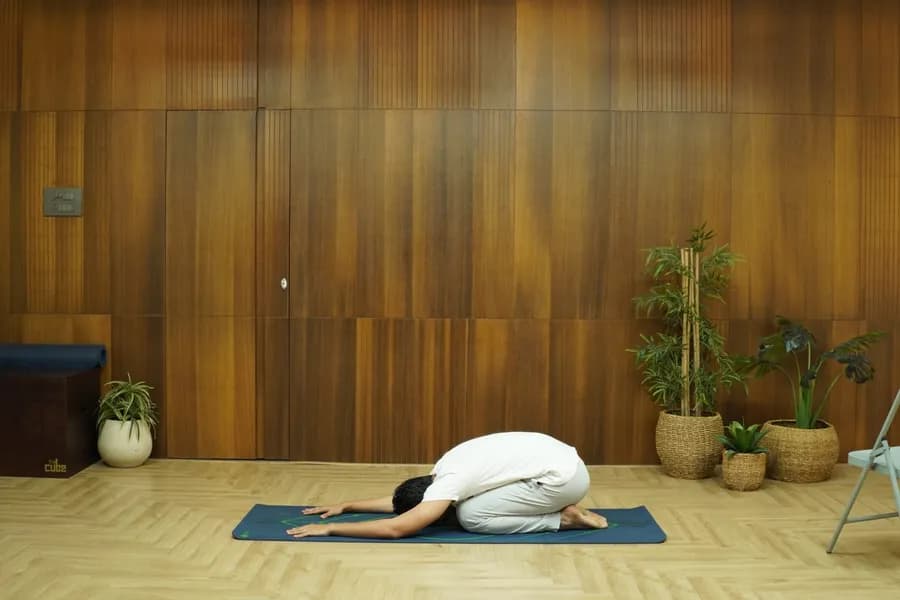
Balasana (Child’s Pose): Steps and Benefits for Mind and Body
Try balasana with Habuild. Practice the balasana pose to relieve stress, ease back tension, and deeply relax your body and mind. Start your yoga session now!
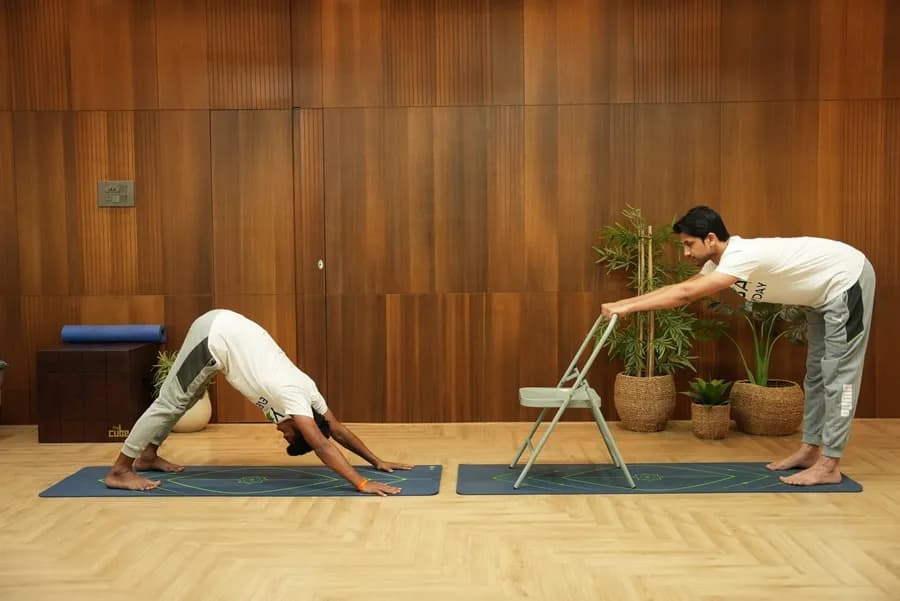
Adho Mukha Svanasana (Downward Dog): Steps Benefits and Alignment
Practice Adho Mukha Svanasana with Habuild. Follow downward facing dog steps to strengthen your arms, stretch your spine, and improve flexibility. Start today!