
Chandrakala Mudra (Lunar Phase Gesture): Steps, Benefits & Precautions
Chandrakala Mudra — the Lunar Phase or Crescent Moon Gesture — is a yogic hand gesture that invokes the cooling, receptive, feminine energy of the moon (Chandra
Key Takeaways
- Chandrakala refers to the sixteenth digit of the moon, its most refined crescent phase.
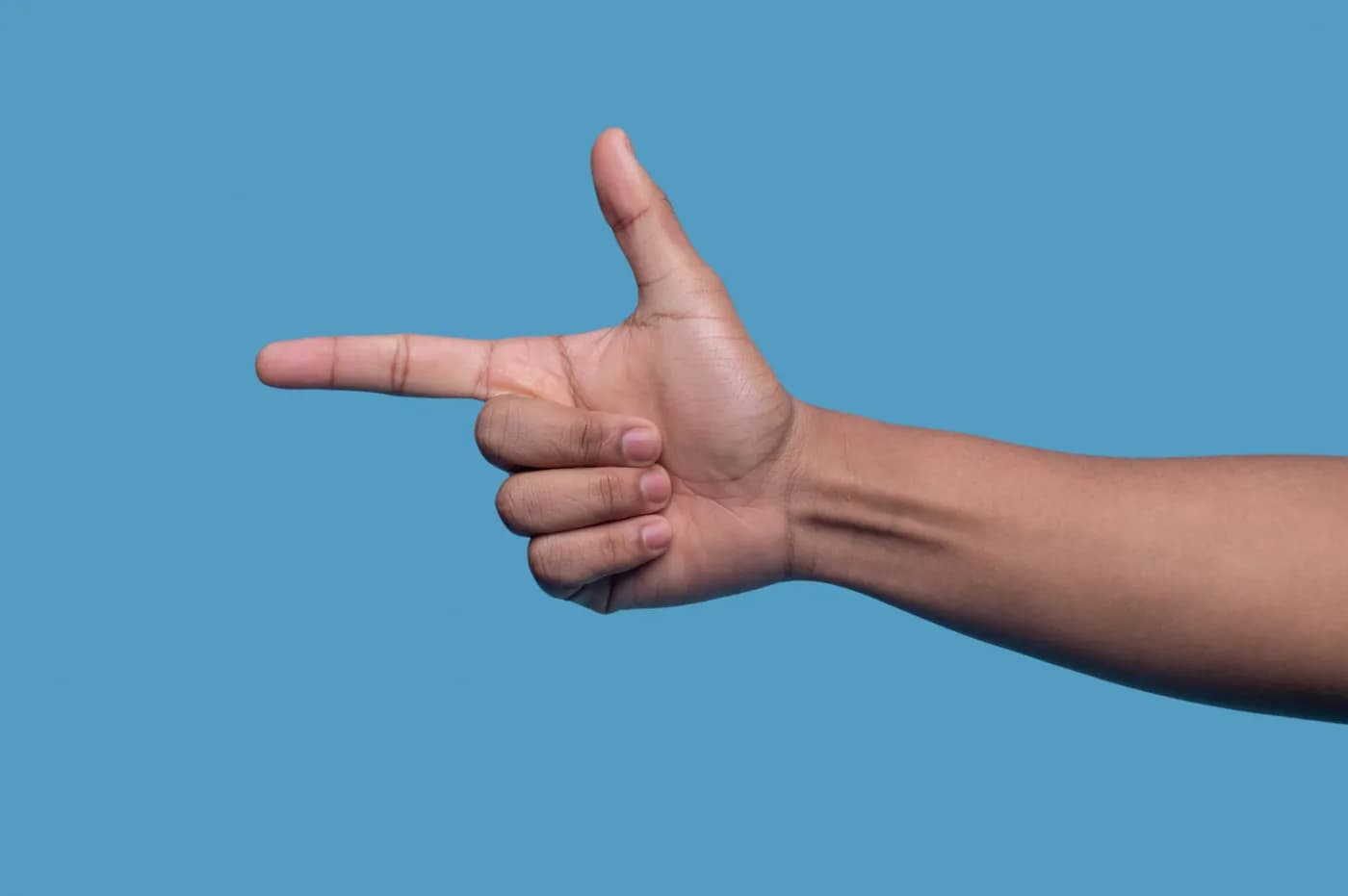
- Index and middle fingers extend to form the crescent shape while the other two curl in.
- Specifically indicated for Pitta excess – inflammation, excess heat, and irritability.
- Paired with Chandrabhedana pranayama for the most comprehensive cooling combination.
- Recommended for eye strain since yogic physiology traditionally links the moon to the eyes.
- Some traditions combine one lunar hand with one solar hand instead of matching both.
Chandrakala Mudra — the Lunar Phase or Crescent Moon Gesture — is a yogic hand gesture that invokes the cooling, receptive, feminine energy of the moon (Chandra) and specifically the quality of the lunar crescent (Kala) — the thin, delicate sliver of the new or crescent moon that represents the refined, subtle aspect of lunar energy. It is one of the cooling and calming mudras specifically indicated for Pitta (fire element) excess, emotional overheating, and the calming of the agitated mind.
What is Chandrakala Mudra?
Chandrakala Mudra — pronounced chahn-druh-KAH-lah moo-DRAH — translates as Lunar Phase or Crescent Moon Gesture (Chandra = moon, Kala = phase, digit, or art form — specifically the sixteenth digit of the moon; Mudra = gesture or seal). In classical Indian thought, the moon is divided into sixteen phases (Kalas) — Chandrakala refers to the refined, subtle quality of the crescent moon phase, associated with nectar (Amrita), the refined essence of consciousness, and the cooling, meditative, inward quality of lunar energy at its most refined expression.
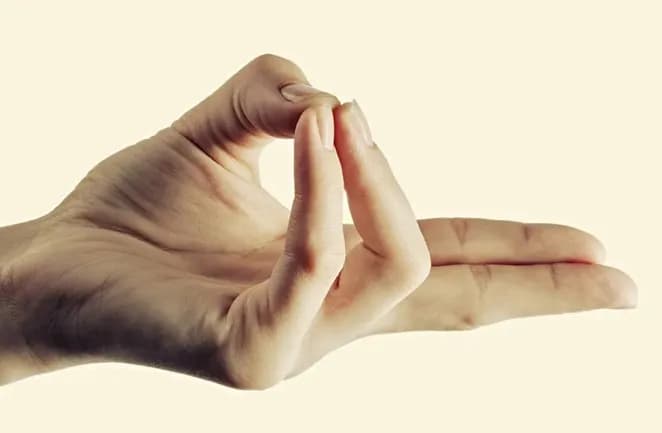
The formation varies between traditions. The most common: the index and middle fingers extend while the ring and little fingers curl to the thumb base (or vice versa) — the extended fingers forming the crescent moon shape. Some traditions form both hands in the same position; others combine one lunar hand with one solar hand for balance. At Habuild, Chandrakala Mudra is taught within the cooling and balancing mudra curriculum, complementing Chandrabhedana pranayama for comprehensive lunar and cooling energy activation.
Chandrakala Mudra Benefits
Physical Benefits
- Cools the Body and Reduces Pitta Excess Chandrakala Mudra is specifically indicated for cooling the excess fire element (Pitta) that produces inflammation, excess heat, skin conditions, and the hot, irritable quality of Pitta aggravation. The lunar, cooling quality of the gesture directly reduces the fire element’s excess through the water-earth elemental activation of the curled finger combination. Pair with
- Chandrabhedana pranayama for the most comprehensive cooling practice. Supports Eye Health and Reduces Eye Strain
- The moon’s traditional association with the eyes in yogic physiology makes Chandrakala Mudra specifically supportive for eye health — the cooling, lunar quality reducing the Pitta-driven eye strain, redness, and light sensitivity that screen use and excess heat produce. Pair with yoga for brain health for the complete eye-brain health programme.
- Promotes Deep Sleep and Evening Calming The cooling and deeply calming quality of Chandrakala Mudra makes it an ideal evening and pre-sleep practice — the lunar energy activation creating the physiological and psychological conditions for the transition into deep, restorative sleep. See also
- yoga for sleep for the complete evening calming programme that Chandrakala Mudra complements.
Mental and Emotional Benefits
- Calms the Overactive Mind and Reduces Emotional Heat The cooling, receptive quality of lunar energy — the opposite of the solar, active, projecting quality — specifically calms the overactive, overstimulated mind that excess Pitta and chronic mental busyness produce. Chandrakala Mudra provides the cooling counterbalance to the activating practices like
- Kapalbhati and Surya Bheda pranayama. See also yoga for anxiety for comprehensive anxious-mind management.
- Activates the Feminine, Receptive, Intuitive Quality of Consciousness The crescent moon’s association with the feminine principle — receptivity, intuition, emotional depth, and the inward, absorbing quality of awareness — makes Chandrakala Mudra a specific practice for cultivating these qualities. Consistent practice progressively develops the receptive, intuitive, emotionally intelligent quality of consciousness that complements the solar, active, analytical mode. Pair with
- yoga for hormonal balance for comprehensive feminine energy support. Supports the Menstrual Cycle and Hormonal Balance
- The moon’s traditional governance of the menstrual cycle — both sharing the 28-day rhythm — makes Chandrakala Mudra specifically supportive for women’s hormonal and menstrual health. The cooling, lunar activation supports the hormonal balance that the menstrual cycle requires. See also yoga for hormonal balance for the comprehensive women’s endocrine health programme.
How to Do Chandrakala Mudra — Step-by-Step
Key Principles
Chandrakala Mudra is a cooling and calming gesture — practise in the evening or at any time when cooling, calming, and inward awareness is the desired quality. Never practise in the early morning when solar activation is more beneficial. The breath is slow, cooling, and extended on the exhale throughout the hold.
Step 1: Establish the Seated Position Sit in Sukhasana or Padmasana — spine gently erect, body relaxed, shoulders soft. The posture should have a receptive, unhurried quality — unlike the erect, alert posture of activating practices.
Step 2: Form the Crescent Moon Hand Position For each hand: extend the index and middle fingers outward (the two middle fingers forming the tips of the crescent). Curl the ring and little fingers gently to the thumb base — the thumb pressing lightly on the ring and little finger nails. The extended index and middle fingers form the crescent moon shape.
Step 3: Rest the Hands at Forehead or Heart Level The hands may rest in the lap or be held at the forehead level (pointing inward toward the third eye) or heart level. Forehead placement amplifies the Ajna chakra and cooling mental effect; heart placement activates the Anahata alongside the lunar cooling.
Step 4: Hold with Lunar Intention Close the eyes. Breathe slowly and coolly. Cultivate the lunar intention: the cool, silver, receptive quality of moonlight pervading the body and mind. Each inhale draws the cooling lunar energy in; each exhale releases heat, agitation, and mental busyness.
Step 5: Hold for 15–30 Minutes Maintain Chandrakala Mudra for 15–30 minutes — the cooling and calming benefits deepening with duration. Evening practice of 20–30 minutes produces the most direct sleep quality improvement.
Breathing in Chandrakala Mudra
Chandrabhedana pranayama — left nostril (lunar, cooling) breathing — is the ideal accompaniment for Chandrakala Mudra. The extended exhale ratio (inhale 4, exhale 8) amplifies the cooling, parasympathetic quality. Never combine Chandrakala Mudra with Suryabhedan pranayama (solar, warming) — the elemental opposition reduces both practices’ effectiveness.
Preparatory Practices
Chandrabhedana pranayama — the primary complementary practice for cooling Chandrakala Mudra is the most directly cooling and lunar-activating mudra in the classical system — its crescent moon formation and evening timing specifically designed to bring the quality of the moon’s cooling, receptive, feminine energy into the body and mind. As part of the evening yoga for sleep and Chandrabhedana pranayama sequence, it delivers one of yoga’s most complete cooling and sleep-preparation practices. Habuild’s daily sessions include the complete mudra and pranayama curriculum. Your first 7 days start at just 14-day free trial.
Start your 14 day free yoga journey with Habuild, today!
Chandrakala Mudra’s cooling, receptive quality is subtle, and subtle practices tend to reveal themselves only with repetition — the kind that comes from a daily sit, not an occasional one. Habuild’s Yoga Everyday program can help you build that consistency into your meditation routine.
Frequently Asked Questions
Related Articles
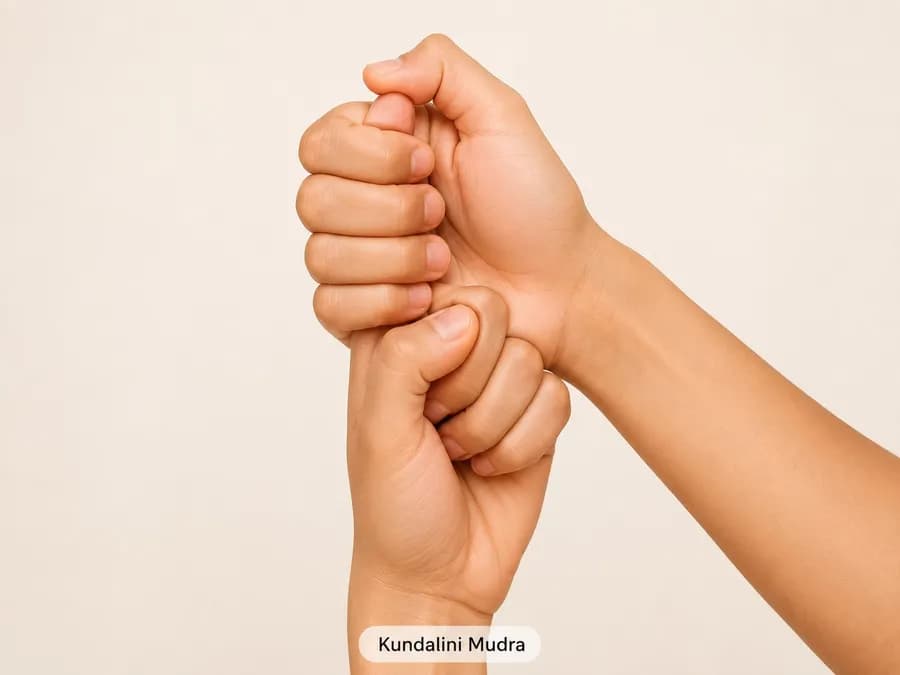
Kundalini Mudra (Awakening Gesture): Steps, Benefits & Precautions
Enclosing the extended left index finger within the right fist directs prana upward through the body’s central channel. See the steps, benefits, and.
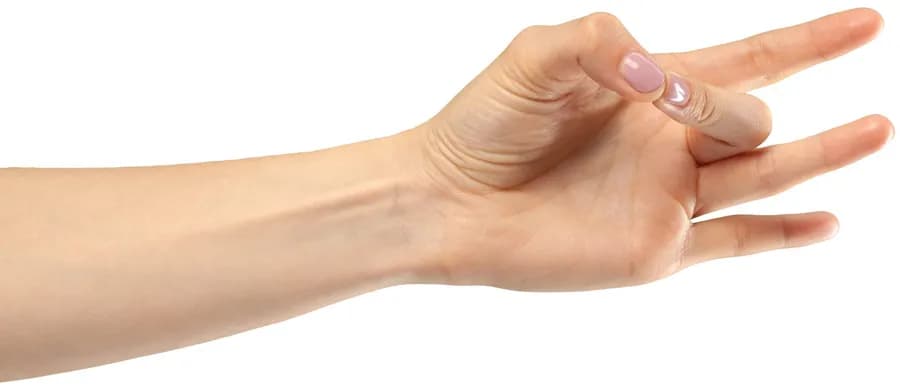
Shunya Mudra: How to Practice and Its Benefits for Ear and Bone Health
Practice Shunya Mudra with Habuild. Follow the space element gesture steps to relieve dizziness, improve hearing, and reduce ear-related issues. Start today!
Prana Mudra: How to Practice and Its Life Energy Benefits
Practice Prana Mudra with Habuild. Follow the life force hand gesture steps to boost energy, strengthen immunity, and improve your eye health. Start today!