
Shunya Mudra: How to Practice and Its Benefits for Ear and Bone Health
Practice Shunya Mudra with Habuild. Follow the space element gesture steps to relieve dizziness, improve hearing, and reduce ear-related issues. Start today!
Key Takeaways
- Folds the middle finger, ether element, to the thumb base to reduce excess space in the body.
- Targeted specifically at vertigo, tinnitus, ear fullness, and motion sickness symptoms.
- Held only until symptoms improve, then released, unlike sustained daily mudra practice.
- Many practitioners feel dizziness relief within just ten to fifteen minutes of practice.
- Functions as the direct opposite of Akasha Mudra within the five-element system.
- Complements medical vestibular treatment rather than replacing it entirely.
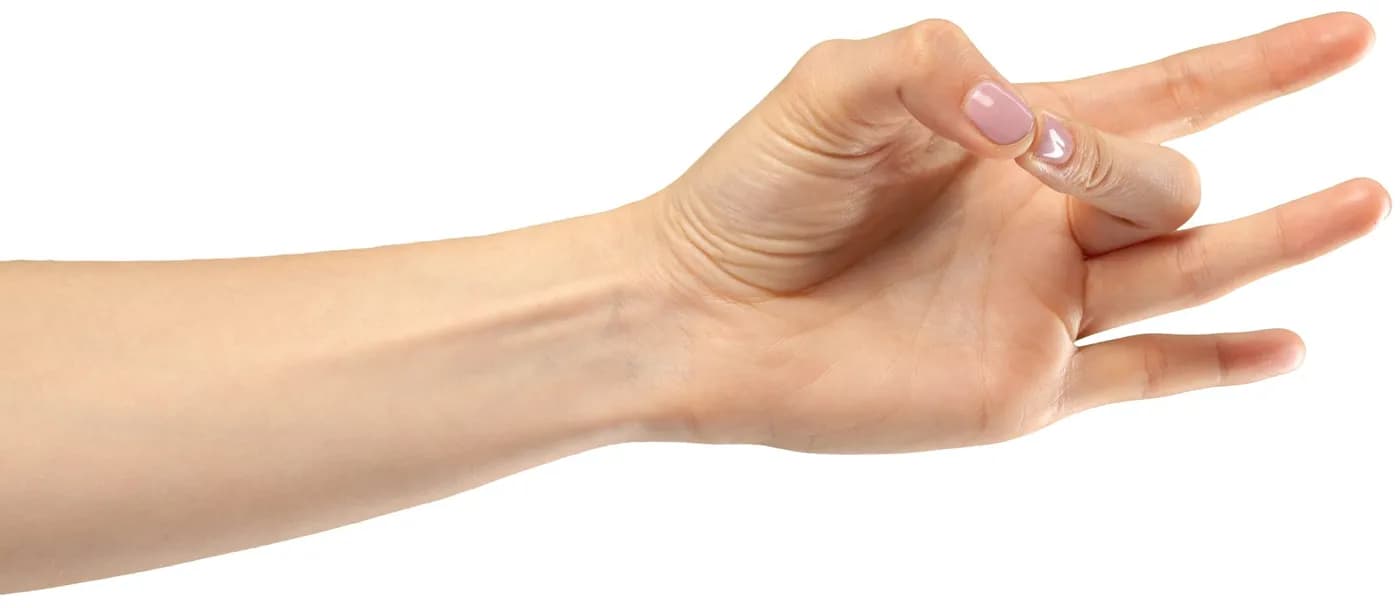
Shunya Mudra is a yogic hand gesture that reduces the ether (space) element by folding the middle finger to the thumb base with the thumb pressing gently on the folded finger. Practised specifically to relieve dizziness, vertigo, tinnitus, ear fullness, and motion sickness — conditions of excess ether in the vestibular and auditory system.
What is Shunya Mudra?
Shunya Mudra — the Space or Void Gesture — folds the middle finger (ether/Akasha element) to the base of the thumb (fire element), with the thumb pressing gently on the folded middle finger to reduce the ether element throughout the body. Shunya means void or zero in Sanskrit — the reduction of the space element that governs the ear canals, hollow organs, and the perception of sound.
Excess ether in the body manifests most conspicuously in the auditory and vestibular system: dizziness, vertigo, tinnitus (ringing in the ears), ear fullness, and motion sickness — the surplus space creating the disorientation and false sound perception of ether-excess conditions. Shunya Mudra’s space-reduction directly addresses these presentations by using the fire element of the thumb to reduce the excess middle-finger space element.
At Habuild, Shunya Mudra is taught within the five-element mudra system — with particular attention to the condition-specific timing (held until symptoms improve, then released), the precise distinction from its opposite Akasha Mudra, and the safety context that prevents excessive ether reduction.
Shunya Mudra Benefits
Physical Benefits
- Relieves Dizziness and Vertigo Shunya Mudra’s ether element reduction grounds the excess space that vestibular dysfunction produces — providing meaningful dizziness and vertigo relief within ten to fifteen minutes of sustained practice for most practitioners. It complements medical management for vestibular conditions rather than replacing it, and provides an accessible immediate intervention during episodes of dizziness.
- Reduces Tinnitus and Improves Ear Health The ether element governs the ear canals and the perception of sound — its excess manifesting as the ringing, buzzing, or fullness of tinnitus. Shunya Mudra’s space-reduction moderates the excess vibration in the ear channels, reducing tinnitus intensity for many practitioners with consistent daily practice.
- Relieves Motion Sickness and Earache Shunya Mudra’s vestibular grounding provides a natural, accessible intervention for motion sickness during travel — reducing the sensory conflict of excess ether in the vestibular channels. It is also consistently recommended for earache and the ear fullness associated with pressure changes during flight.
Mental Benefits
- Grounds the Spacey, Ungrounded Quality of Excess Ether Excess ether in the psychological dimension produces the spacey, disconnected, ungrounded feeling of too much expansion — the vague, unfocused mental quality that ether excess creates. Shunya Mudra’s reduction produces settled, present-moment focus and the grounded quality of consciousness that the excess-space conditions lack.
How to Do Shunya Mudra — Step-by-Step Instructions
Key Principles
Key Principles The most important principle of Shunya Mudra is condition-specific release — the mudra is held until symptoms improve and then released. Unlike daily maintenance mudras that are held for a prescribed thirty minutes, Shunya Mudra is a therapeutic intervention released when its purpose is achieved. Prolonged ether reduction beyond the therapeutic need can create deficiency symptoms.
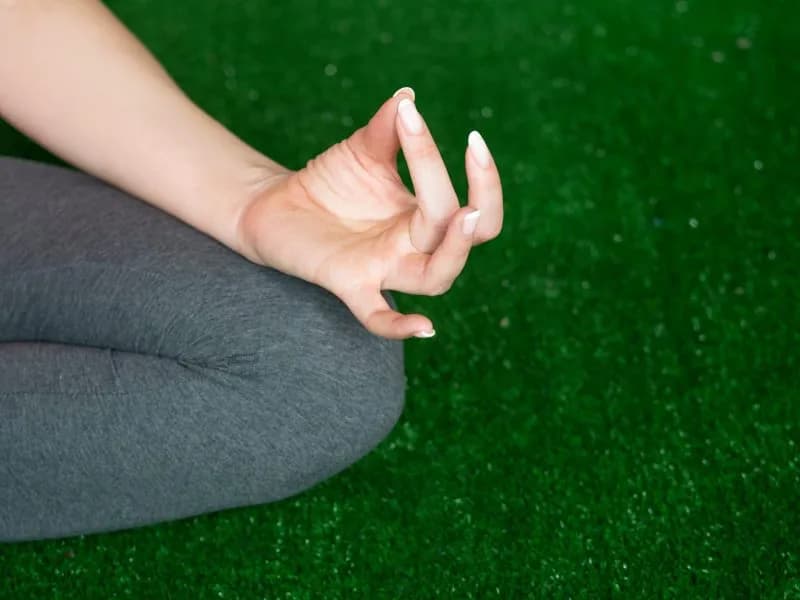
Shunya Mudra — Step by Step Step 1: Seated or Lying Starting Position Sit in Sukhasana or Vajrasana — spine erect. For acute dizziness or vertigo episodes, Shunya Mudra may also be practised lying down with the hands resting in the formation on the thighs.
Step 2: Fold the Middle Finger to the Thumb Base Fold the middle finger of each hand downward — touching the pad of the middle finger to the base of the thumb. The middle finger is the ether element finger; its folding begins the space reduction.
Step 3: Thumb Presses Gently on the Folded Middle Finger Place the thumb gently over the folded middle finger — applying light pressure on the middle finger’s second phalange. The thumb (fire element) pressing on the folded ether finger is the fire-reducing-space elemental mechanism.
Step 4: Remaining Fingers Extend Allow the remaining fingers — index, ring, and little — to extend gently and naturally. The formation should feel comfortable and relaxed.
Step 5: Hold Until Symptoms Improve Hold in both hands simultaneously. Breathe naturally with grounding abdominal awareness. For dizziness and vertigo: hold until symptoms resolve. For ear health maintenance: hold for fifteen to twenty minutes daily.
Step 6: Release When Symptoms Improve Release the formation once symptoms improve — allowing the middle finger to extend naturally and the thumb to release. Do not continue holding indefinitely after relief has been achieved.
Breathing in Shunya Mudra
Grounding abdominal breathing accompanies Shunya Mudra — each breath directed toward the lower abdomen, creating the downward, grounding energy that complements the ether reduction of the gesture. The breath quality is steady and settling — not forceful or activating.
Preparatory Practices Before Shunya Mudra
For ear health and vestibular conditions, these practices complement Shunya Mudra’s ether reduction.
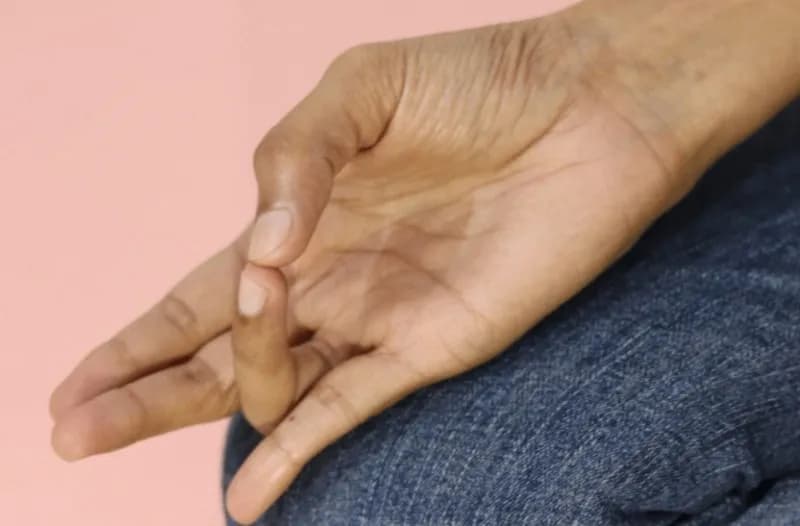
- Prithvi Mudra (15 minutes) — Earth element activation as a grounding complement before ether-specific reduction.
- Brahma Mudra (5-10 rounds) — Neck mobilisation and vestibular system warming before sustained Shunya Mudra.
- Bhramari Pranayama (5 rounds) — Ear canal vibration and inner ear calming before Shunya Mudra practice for tinnitus.
Variations of Shunya Mudra
- Variation 1: Acute Dizziness Response — Until Symptoms Resolve Shunya Mudra held immediately upon onset of dizziness or vertigo — both hands simultaneously, with grounding abdominal breathing, until the vestibular symptoms resolve. This is the most clinically direct application of the mudra.
- Variation 2: Daily Ear Health Maintenance — 15-20 Minutes Daily fifteen-to-twenty-minute Shunya Mudra as a preventive practice for practitioners with chronic tinnitus, recurrent ear fullness, or ongoing vestibular sensitivity — maintaining therapeutic ether reduction without entering deficiency.
- Variation 3: Shunya Mudra Combined with Prithvi — Grounding Sequence Prithvi Mudra (ring to thumb tip) held for ten minutes followed by Shunya Mudra for fifteen minutes — the earth-activation preceding the ether-reduction creates a comprehensive grounding sequence for practitioners with chronic Vata-Akasha excess conditions.
Common Mistakes to Avoid in Shunya Mudra
- Confusing with Akasha Mudra — Its Exact Opposite The most common confusion — Akasha Mudra (middle finger tip to thumb tip) activates and increases ether. Shunya Mudra (middle finger folded to thumb base, thumb pressing down) reduces ether. They are precise elemental opposites used for opposite conditions: Akasha for opening and expanding awareness, Shunya for dizziness and tinnitus. Applying one when the other is needed produces no benefit and may worsen symptoms.
- Holding Beyond Symptom Relief Shunya Mudra is a therapeutic intervention, not a maintenance practice to be held indefinitely. Releasing when symptoms improve is the correct protocol — excessive ether reduction creates deficiency symptoms including cognitive dullness, contracted perception, and the difficulty hearing and communicating clearly that ether deficiency produces.
- Using as the Only Treatment for Significant Vestibular Conditions Shunya Mudra is a complementary practice that supports medical management for vestibular disorders — not a standalone treatment for significant conditions. Always consult an ENT specialist or physiotherapist for assessment and treatment of persistent dizziness, vertigo, or hearing changes.
Who Should Practise Shunya Mudra?
- Those with Dizziness, Vertigo, and Tinnitus Shunya Mudra is the most directly targeted yogic practice for the ether-excess conditions of the vestibular and auditory system. Practitioners with Meniere’s disease, benign paroxysmal positional vertigo, or chronic tinnitus benefit specifically from the ether-reduction mechanism as a complementary daily practice.
- Travellers Prone to Motion Sickness The immediate dizziness and motion sickness relief that Shunya Mudra provides during episodes makes it an accessible, medication-free travel companion for practitioners with vestibular sensitivity.
- Is Shunya Mudra Good for Beginners? Yes — the physical formation is simple and immediately accessible. The key learning for beginners is the condition-specific release protocol — holding until symptoms improve and then releasing, rather than maintaining for a fixed duration regardless of response.
Make Shunya Mudra a Part of Your Therapeutic Practice
Shunya Mudra is the yoga tradition’s most targeted vestibular and auditory health practice — its ether-reduction mechanism addressing the excess-space conditions of dizziness, tinnitus, and ear fullness with elemental precision that no other mudra replicates. Its condition-specific release protocol makes it a responsive, intelligent therapeutic tool rather than a fixed daily practice.
Whether you are using Shunya Mudra for acute dizziness relief during episodes, daily tinnitus maintenance, or the grounding of the excess ether that spacey, ungrounded mental states produce, the mudra delivers targeted ether-reduction with consistent and progressive benefit.
The most effective way to learn Shunya Mudra correctly — with the elemental framework, condition-specific protocol, and clear distinction from its opposite Akasha Mudra — is under live expert guidance with Habuild.
Start your 14 day free yoga journey with Habuild, today!
Related reads: Shankh Mudra: How to Practice and Its Benefits for Throat Health · Vajroli Mudra: How to Practice and Its Reproductive Health Benefits
Shunya Mudra is traditionally practiced to support ear and balance-related discomfort, and like most subtle energy work, its effects tend to surface gradually with steady practice rather than after a single sitting. If dizziness or hearing concerns persist, pair this with professional care rather than relying on the mudra alone. For the consistency this kind of practice needs, Habuild’s Yoga Everyday program offers a daily structure to return to.
Frequently Asked Questions
Related Articles
Vajra Mudra: How to Practice and Its Benefits for Nerve Strength
Learn Vajra Mudra with Habuild. Discover vajra mudra benefits and how to do vajra mudra to strengthen focus, energy, and inner resilience.

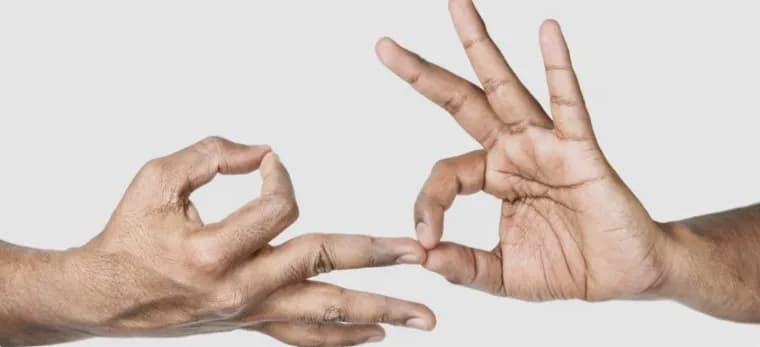
Dharma Chakra Mudra: Meaning How to Practice and Its Significance
Learn Dharma Chakra Mudra with Habuild. Discover dharmachakra mudra meaning and benefits to balance energy, focus, and mindfulness daily.

Khechari Mudra: What It Is How to Practice and Its Longevity Benefits
Practice Khechari Mudra with Habuild. Follow the tongue lock steps to stimulate energy flow, reduce hunger, and deepen your meditation practice. Start today!
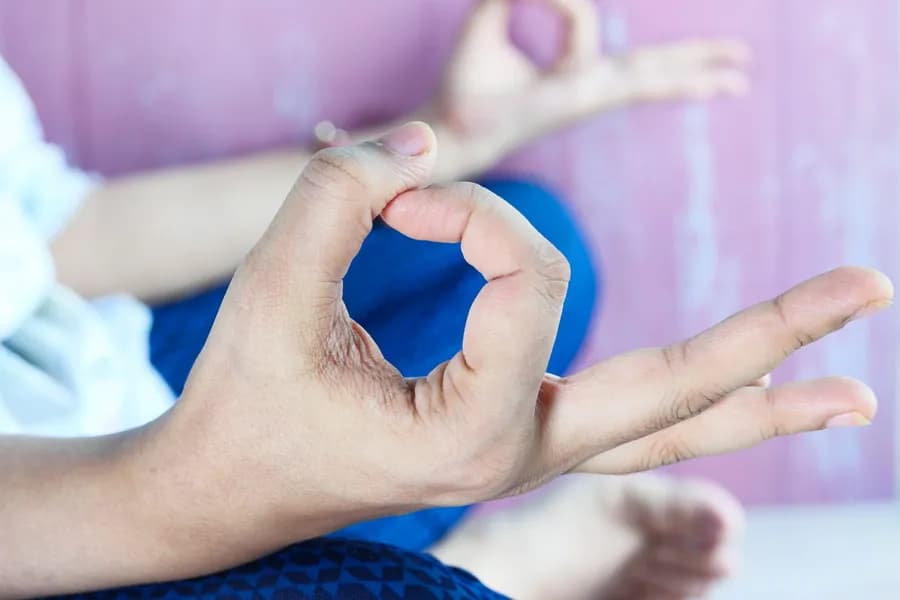
Gyan Mudra: How to Do It and Its Benefits for Focus and Memory
Practice Gyan Mudra with Habuild. Follow the wisdom hand gesture steps to improve focus, reduce anxiety, and enhance your meditation practice. Start today!

Chin Mudra: How to Practice and Its Benefits for Calm and Clarity
Practice Chin Mudra with Habuild. Follow the consciousness hand gesture steps to calm the mind, improve focus, and deepen your pranayama practice. Start today!