
Jalandhar Bandha (Chin Lock): How to Practice and Its Thyroid Benefits
Try Jalandhar Bandha with Habuild. Learn jalandhara bandha benefits and jalandhara bandha steps to improve posture, throat health, and energy flow.
Key Takeaways
- The third and highest of the three classical Hatha bandhas, after Mula and Uddiyana.
- Seals the throat, compresses carotid sinuses, and presses the thyroid – three functions at once.
- Carotid sinus compression regulates blood pressure through the baroreceptor vagal reflex directly.
- Its mastery is the specific prerequisite for the full Tri Bandha triple-lock sequence.
- Prevents prana from dissipating upward specifically during Antara Kumbhaka, internal retention.
- Distinguished from energetic approaches as the most mechanically direct thyroid intervention.
Jalandhar Bandha is a yogic throat lock in which the chin is drawn forward and downward to rest on the sternum or jugular notch, compressing the throat region during breath retention. The third and highest of the three classical Hatha yoga bandhas, it regulates prana flow during Kumbhaka, directly stimulates the thyroid and parathyroid glands, activates the Vishuddha chakra, and deepens pranayama and meditation practice.
What is Jalandhar Bandha?
Jalandhar Bandha — the Chin Lock or Throat Lock — is the third and highest of the three classical bandhas (energy locks) in the Hatha yoga tradition. Derived from Sanskrit: Jala (net or web), Dhara (support or holding), and Bandha (lock or seal). The name refers to the complex net of energy channels in the throat region that this lock contracts and seals — preventing the upward dissipation of prana during Kumbhaka (breath retention) and directing the concentrated energy inward through the central channel (Sushumna Nadi).
In Hatha yoga physiology, Jalandhar Bandha performs three simultaneous functions that distinguish it from both Mula Bandha (root) and Uddiyana Bandha (abdominal) as uniquely comprehensive in its systemic effects: it seals the throat to prevent prana from escaping upward during retention; it compresses the carotid sinuses in the neck to regulate blood pressure and heart rate through the baroreceptor vagal reflex; and it stimulates the thyroid and parathyroid glands through the direct physical pressure of the chin on the throat’s anterior surface.
Together with Mula Bandha (root lock, applied during both inhale and exhale retention) and Uddiyana Bandha (abdominal lock, applied during exhale retention), Jalandhar Bandha forms the complete Tri Bandha sequence — the triple lock applied simultaneously during the most advanced Kumbhaka practice. The individual mastery of Jalandhar Bandha is the prerequisite for this most comprehensive energy management practice in classical Hatha yoga.
Jalandhar Bandha Benefits
Physical Benefits
- Regulates Prana Flow and Seals Energy During Kumbhaka Jalandhar Bandha’s primary purpose in pranayama practice is the regulation of prana during Antara Kumbhaka (internal breath retention) — sealing the throat to prevent the upward dissipation of the accumulated prana that breath retention concentrates. This prana containment directs the energy through the internal channels for progressive purification and awakening, making the bandha inseparable from effective advanced pranayama practice.
- Directly Stimulates the Thyroid and Parathyroid Glands The physical pressure of the chin on the thyroid region during Jalandhar Bandha is the most mechanically direct yogic intervention for thyroid stimulation available — directly improving circulation to the thyroid and parathyroid glands and providing meaningful complementary support for thyroid health alongside appropriate medical management. This distinguishes Jalandhar Bandha from energetic or breath-based approaches to thyroid support.
- Reduces Heart Rate and Blood Pressure Through Vagal Stimulation The compression of the carotid sinuses during Jalandhar Bandha activates the baroreceptor reflex — producing a measurable and reliable reduction in heart rate and blood pressure through vagal nerve stimulation. This physiological response has significant implications for cardiovascular health management and makes the bandha therapeutically relevant beyond its pranayama application.
Mental and Emotional Benefits
- Activates the Vishuddha Chakra and Supports Authentic Expression The throat region is the seat of the Vishuddha (throat) chakra — governing authentic self-expression, communication, and creative voice. Jalandhar Bandha’s compression and subsequent release of this region activates and balances the Vishuddha energy, complementing the throat chakra mudra practices with the physical bandha dimension of throat centre work. Pair with Kapalbhati Pranayam for comprehensive energy clearing before bandha practice.
- Prevents Dizziness and Discomfort During Extended Breath Retention One of the most practically important benefits of Jalandhar Bandha is the prevention of the dizziness, pressure, and discomfort that can occur during extended breath retention without the throat lock. The carotid compression and internal pressure regulation of the bandha makes sustained Kumbhaka safe and comfortable — enabling the progressively longer retentions that advanced pranayama requires. Pair with Suryabhedan Pranayam as the most classically paired pranayama for Jalandhar Bandha practice.
How to Do Jalandhar Bandha — Step-by-Step Instructions
Key Principles
Key Principles Two non-negotiable principles govern Jalandhar Bandha practice: always release the chin lock (lift the head) before exhaling — exhaling with the bandha engaged creates significant internal pressure; and Jalandhar Bandha is applied during Kumbhaka only — between inhalation and exhalation during breath retention, never during active breathing phases.
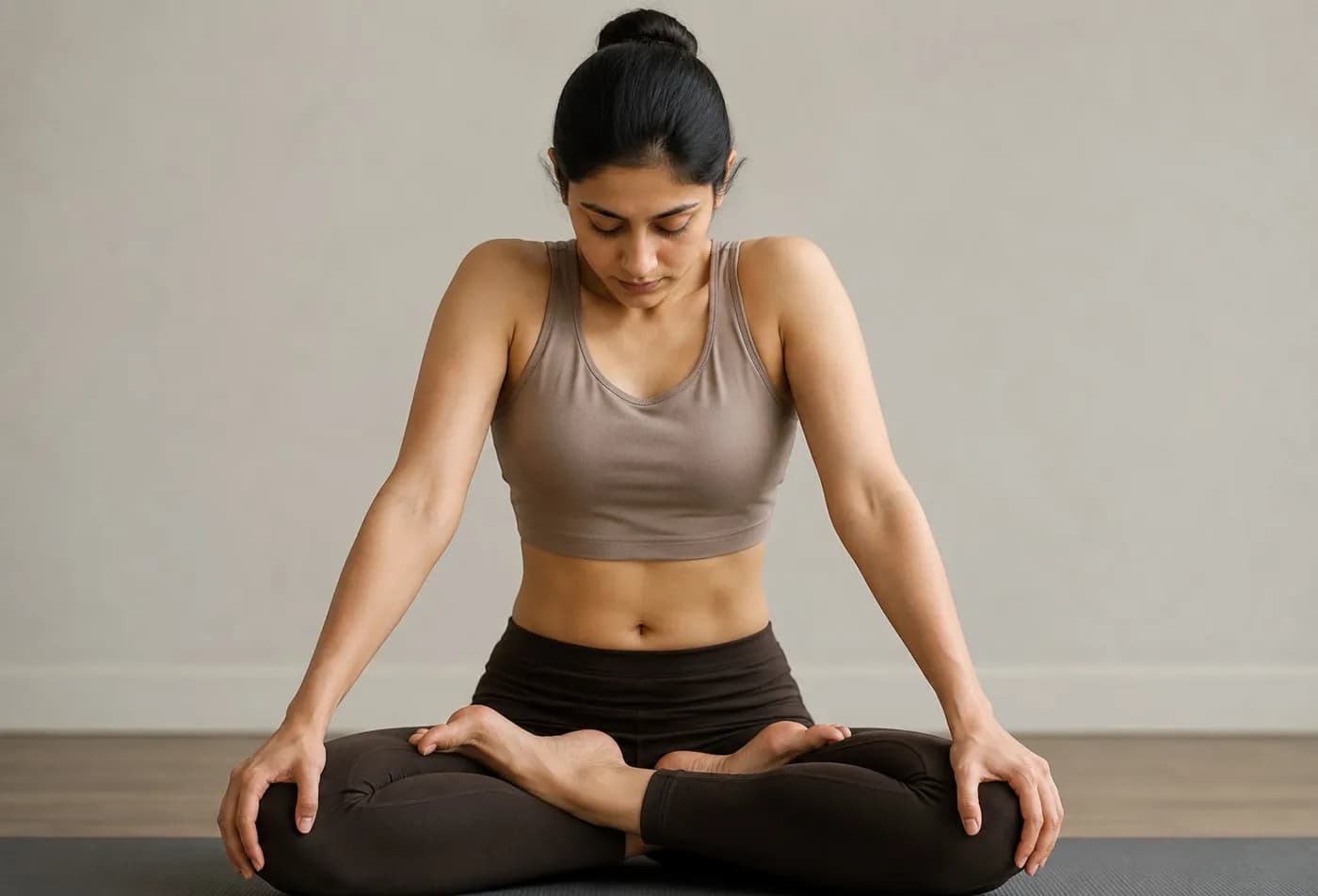
Jalandhar Bandha — Step by Step Step 1: Starting Position Sit in Siddhasana, Padmasana, or Sukhasana — the spine must be perfectly erect. Relax the jaw and shoulders. Establish two to three normal breaths before beginning the bandha cycle.
Step 2: Inhale Fully and Completely Take a slow, deep, complete inhalation — filling the lungs from the bottom upward, the abdomen expanding, then the lower ribs, then the upper chest. Hold the breath at the top of the inhalation — this is Antara Kumbhaka (internal retention).
Step 3: Apply the Chin Lock While holding the breath: draw the chin forward and downward — pressing it firmly into the jugular notch (the hollow at the base of the throat) or resting it against the upper chest. The chin movement is forward before it descends — not simply dropping straight down.
Step 4: Engage the Arm Lock Simultaneously with the chin lock: straighten both arms and press the palms firmly onto the knees. This arm-pressing creates the counter-support that enhances the depth and stability of the chin lock throughout the retention.
Step 5: Hold During Retention Hold Jalandhar Bandha throughout the complete duration of the breath retention. Maintain the chin lock and arm pressure steadily and without strain. The duration of the retention with bandha applied grows gradually over weeks of consistent practice.
Step 6: Release Before Exhaling To release: gently lift the chin back to the neutral upright position — THEN exhale slowly and completely. Never exhale while the chin lock is still engaged. This sequencing is the central safety rule of Jalandhar Bandha practice.
Breathing in Jalandhar Bandha
Jalandhar Bandha is applied during Kumbhaka (retention), not during active breathing. Surya Bhedi Pranayam (right nostril breathing with retention) and Chandrabhedan Pranayam (left nostril breathing) are the pranayama practices most classically paired with Jalandhar Bandha as the practitioner builds confidence with Kumbhaka and bandha integration over weeks of consistent practice.
Preparatory Practices Before Jalandhar Bandha
These practices warm the respiratory system and establish comfortable Kumbhaka before the bandha is introduced.
- Nadi Shodhana Pranayam (5-10 rounds) — Establishes balanced, smooth breathing and introduces comfortable brief retentions before the chin lock is applied.
- Neck stretches and gentle cervical mobility — Relaxes the neck and throat muscles before the chin-forward compression.
- Ujjayi Pranayam — Warms and activates the throat region before Jalandhar Bandha’s physical throat compression.
- Mula Bandha practice (established) — Mula Bandha is typically established before Jalandhar Bandha in the classical progression toward Tri Bandha.
Variations of Jalandhar Bandha
- Variation 1: Jalandhar Bandha Without Kumbhaka — Beginner Preparation Beginners first practise the mechanical chin lock and release with normal breathing — simply developing the physical chin-forward-and-down movement and the release-before-exhale sequencing without breath retention. This preparation phase develops the mechanical familiarity that makes the Kumbhaka integration smooth and safe.
- Variation 2: Jalandhar Bandha with Antara Kumbhaka — Intermediate The classical application: chin lock applied during internal breath retention after a complete inhalation. Duration of retention builds from three to five seconds initially to progressively longer holds as comfort and proficiency develop over weeks and months.
- Variation 3: Tri Bandha (Maha Bandha) — Advanced The simultaneous engagement of Mula Bandha (root), Uddiyana Bandha (abdominal), and Jalandhar Bandha (throat) during breath retention — the most comprehensive and advanced energy management practice in classical Hatha yoga. Requires established individual mastery of all three bandhas before their simultaneous application is attempted.
Common Mistakes to Avoid in Jalandhar Bandha
- Exhaling While the Chin Lock is Still Engaged The most consequential and most dangerous error in Jalandhar Bandha practice. Exhaling with the throat compressed by the chin lock creates sudden internal pressure changes that can produce dizziness, discomfort, and potential cardiovascular stress. The release sequence is always: lift chin first, then exhale. Practise this sequence consciously every single repetition until it becomes completely automatic.
- Dropping the Chin Straight Down Instead of Forward-Then-Down The chin moves forward before it descends — pressing the jugular notch rather than simply collapsing the neck into a downward curve. A purely downward chin drop compresses the cervical spine rather than the jugular notch and reduces both the thyroid stimulation and the energetic sealing effect of the correct forward-and-down movement.
- Attempting Extended Retention Before the Mechanics Are Established The chin lock, arm lock, and retention should all be comfortable and stable at a short duration before the retention is lengthened. Practitioners who attempt long retentions before the bandha mechanics are fully established experience the discomfort that comes from insufficient chin-lock depth or the incorrect release sequence under pressure.
- Practising with Insufficient Neck Flexibility If the chin cannot comfortably reach the jugular notch or upper chest without strain, do not force the lock. Practise gentle cervical flexibility exercises and the shallow bandha (chin angled forward and down as far as is comfortable) until sufficient neck flexibility develops for the complete chin-to-chest position.
Who Should Practise Jalandhar Bandha?
- Pranayama Practitioners Developing Kumbhaka Jalandhar Bandha is the essential companion to all Kumbhaka practice — specifically beneficial for pranayama practitioners who are developing extended breath retention and need the prana regulation, dizziness prevention, and internal pressure management that the chin lock provides. Suryabhedan Pranayam is the classical pranayama most commonly paired with Jalandhar Bandha.
- Those Seeking Thyroid and Endocrine Support Jalandhar Bandha is the most mechanically direct yogic intervention for thyroid stimulation — making it specifically appropriate for practitioners working to support thyroid health through yoga practice alongside appropriate medical management. The physical compression-and-release of the thyroid region directly stimulates glandular circulation.
- Advanced Practitioners Working Toward Tri Bandha Jalandhar Bandha is the third component of Tri Bandha — the complete triple lock that represents the pinnacle of classical Hatha yoga energy management. For practitioners committed to the complete yogic energy system, mastering Jalandhar Bandha is the necessary and culminating step in the Tri Bandha progression.
- Is Jalandhar Bandha Good for Beginners? Jalandhar Bandha is accessible to motivated beginners who approach it progressively — starting with the mechanical practice without retention, establishing the release sequencing thoroughly, and only adding Kumbhaka once the physical bandha is completely comfortable. The safety rules must be learned before practice begins, not discovered through trial and error.
Make Jalandhar Bandha a Part of Your Pranayama Practice
Jalandhar Bandha is one of the classical Hatha yoga tradition’s most physiologically significant practices — its simultaneous prana regulation, thyroid stimulation, vagal activation, and Vishuddha chakra balancing producing effects that no other single bandha or mudra achieves. As the third component of Tri Bandha and the essential companion to Kumbhaka, its mastery opens the deepest levels of pranayama practice to the committed practitioner.
Whether you are learning the chin lock mechanics for the first time, developing comfortable five-second retentions, or progressing toward the complete Tri Bandha practice, the progressive approach ensures that every stage of Jalandhar Bandha development is safe, meaningful, and genuinely deepening. The release-before-exhale safety rule, learned and automatised early, is the foundation of every subsequent development.
The most effective way to learn Jalandhar Bandha correctly — with precise chin lock instruction, Kumbhaka integration guidance, and the Tri Bandha context that makes this practice genuinely transformative — is under live expert instruction with Habuild’s daily sessions.
Jalandhara Bandha’s effects on posture and throat energy tend to surface gradually, through repeated, mindful practice rather than an occasional attempt during pranayama. Since it works the throat and neck directly, pairing it with a steady, well-guided routine matters more than pushing for a dramatic release. Habuild’s Yoga Everyday program can help you practice bandhas like this safely as part of a well-rounded daily sequence.
Frequently Asked Questions
Related Articles
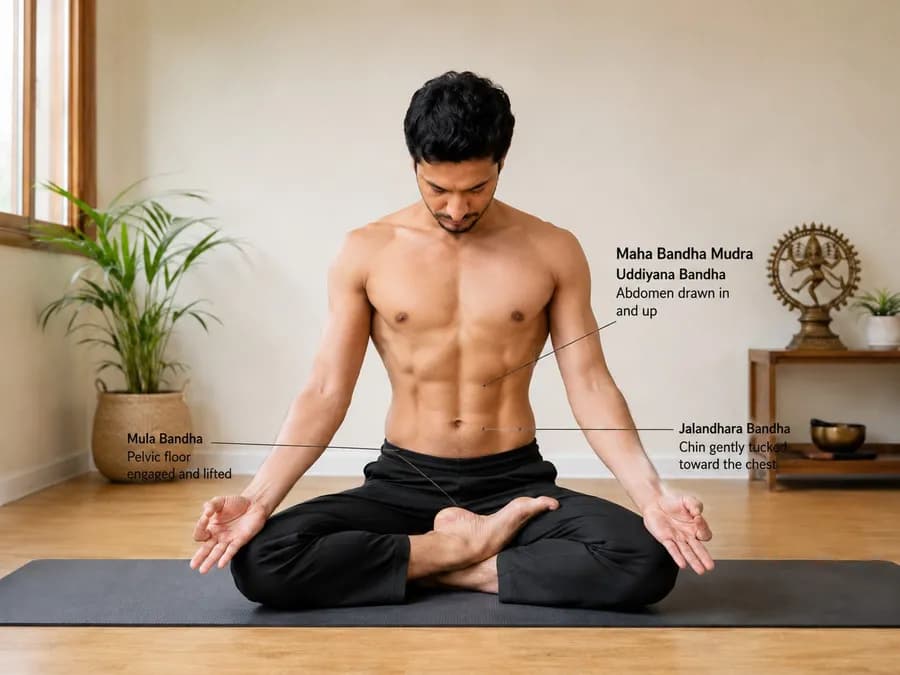
Maha Bandha (The Great Lock): Steps, Benefits and Precautions
Combining the root, abdominal, and throat locks simultaneously, this triple lock is said to direct prana upward through the central channel and stimulate the endocrine glands. See the steps, benefits, and precautions.
Moola Bandha (Root Lock): How to Practice and Its Energy Benefits
Practice Moola Bandha with Habuild. Learn the root lock steps to strengthen your pelvic floor, improve digestion, and support hormonal balance. Start today!
Setu Bandha Sarvangasana: Steps Benefits and Modifications
Practice Setu Bandha Sarvangasana with Habuild. Follow the bridge pose steps to strengthen your back, support thyroid health, and improve sleep. Start today!