
Moola Bandha (Root Lock): How to Practice and Its Energy Benefits
Practice Moola Bandha with Habuild. Learn the root lock steps to strengthen your pelvic floor, improve digestion, and support hormonal balance. Start today!
Key Takeaways
- Moola Bandha contracts and lifts the perineum, sealing the base of the sushumna nadi.
- Called more precise and consciously targeted at the pelvic floor than general Kegel exercises.
- Particularly valuable for postpartum women and those with pelvic floor weakness.
- Stimulates the sacral plexus, supporting ovarian, uterine, and prostate function.
- Pelvic floor activation here is said to precede and support deep core engagement.
- Used to direct prana upward through the body’s central channel in yogic physiology.
Moola Bandha, or Root Lock, is a subtle internal yogic practice contracting and lifting the perineal muscles to strengthen the pelvic floor, stimulate digestion, support hormonal health, and direct prana upward through the body’s central channel. It stabilises the nervous system and activates the foundational energy of Hatha yoga practice. Suitable for all levels with progressive development.
What is Moola Bandha?
Moola Bandha — translated from Sanskrit as Root Lock — is one of the three primary Bandhas (energetic locks) in Hatha yoga. Moola means root or source, and Bandha means lock, bond, or seal. Anatomically, Moola Bandha involves the contraction and lifting of the perineum — the muscular floor of the pelvic cavity — creating a seal at the base of the body’s central energy channel (sushumna nadi).
Unlike physical asanas, Moola Bandha is a subtle internal practice — invisible from outside but profoundly transformative from within. It is the foundational energetic practice of Hatha yoga, used to direct prana upward through the central channel, stimulate the parasympathetic nervous system, and awaken the dormant energy at the base of the spine.
At Habuild, Moola Bandha is taught as an integrated element of pranayama, advanced asana practice, and dedicated Bandha sessions — progressively introducing this subtle but powerful practice with the precision and patience it requires.
Moola Bandha Benefits
Physical Benefits
- Strengthens the Pelvic Floor with Precision Moola Bandha is the most targeted pelvic floor strengthening practice in yoga — more precise and more deeply conscious than general Kegel exercises. Regular practice builds the pelvic floor strength that supports bladder control, pelvic organ position, and core stability from below. Particularly valuable for postpartum women and anyone with pelvic floor weakness.
- Stimulates Digestion and Relieves Constipation The sustained contraction and release of the pelvic floor muscles stimulates the descending colon, rectum, and associated nerve plexuses — activating peristalsis and improving gut motility. One of the most direct yoga practices for chronic constipation and sluggish digestion.
- Supports Hormonal and Reproductive Health Moola Bandha stimulates the sacral plexus and the pelvic organs — ovaries, uterus, prostate, and associated endocrine structures — through the direct nervous system activation of the pelvic floor contraction. A valuable complementary practice for hormonal balance, menstrual health, and reproductive wellbeing.
- Improves Core Stability and Postural Foundation The pelvic floor is the foundation of the deep core — its activation precedes and supports the engagement of the transverse abdominis and multifidus. Regular Moola Bandha creates a more responsive, stable core foundation that improves posture and reduces spinal load in every activity.
Mental and Energetic Benefits
- Directs Prana Upward and Increases Vitality In yogic physiology, the downward-flowing apana vayu is redirected upward by Moola Bandha — producing the distinctive clarity, elevation, and sustained energy that experienced practitioners report from consistent Bandha practice.
- Reduces Anxiety and Stabilises the Nervous System The anatomical connection between the pelvic floor and the parasympathetic nervous system means that sustained Moola Bandha practice produces measurable anxiety reduction and nervous system stabilisation — a grounded, stable quality of awareness that persists throughout the day.
How to Practise Moola Bandha — Step-by-Step Instructions
Key Principles
Key Principles Three principles govern correct Moola Bandha: isolation — the contraction is of the perineum specifically, not the buttocks, anus (Ashwini Mudra), or abdomen; subtlety — practise at twenty to thirty percent of maximum effort, not at full contraction; and integration — Moola Bandha is most powerful when maintained through breath cycles rather than as isolated squeeze-and-release repetitions.

Moola Bandha — Step by Step Step 1: Comfortable Seated Starting Position Sit in Sukhasana, Vajrasana, or Siddhasana — spine tall, eyes closed. Siddhasana with the heel positioned at the perineum provides proprioceptive support for locating the Moola Bandha contraction.
Step 2: Bring Awareness to the Perineum Bring awareness to the perineum — the space between the genitals and the anus. The focus is specific: not the anal region (Ashwini Mudra), not the general pelvic floor, but the perineal centre point.
Step 3: Gentle Contraction on the Exhale On an exhale, gently contract and lift the perineal muscles upward and inward — as if drawing a lift upward from the base of the pelvis. The contraction is at twenty to thirty percent of maximum effort.
Step 4: Hold Through the Breath Hold the contraction at the gentle sustained level. Breathe normally — in introductory practice, the contraction is held through the inhale and released fully between repetitions.
Step 5: Full Release Between Repetitions Consciously relax the perineum fully between contractions — developing the awareness of the difference between contraction and full release. The release is as important as the contraction.
Step 6: Build Progressive Duration Begin with ten to fifteen contractions of five to ten seconds each. Gradually build over weeks toward sustained Moola Bandha held continuously throughout pranayama or meditation practice.
Breathing in Moola Bandha
In introductory practice: contract on the exhale, hold through the inhale, release fully between repetitions. In advanced practice: Moola Bandha is held continuously through both inhale and exhale at a subtle, sustained level — integrated with Kumbhaka (breath retention) in classical pranayama practice.
Preparatory Practices Before Moola Bandha
These practices develop pelvic floor awareness progressively before Moola Bandha specificity.
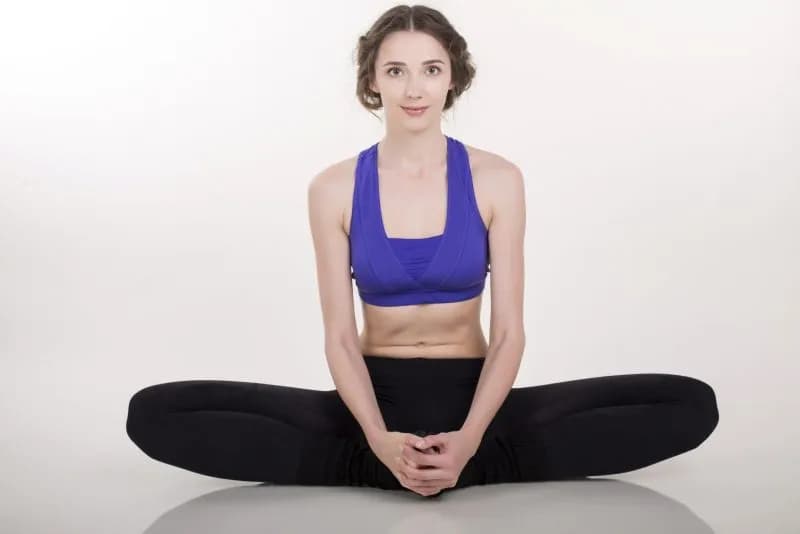
- Ashwini Mudra (rhythmic anal contractions, 10-15 rounds) — The general pelvic floor warm-up that develops initial awareness before the more refined Moola Bandha isolation.
- Bhadrasana (5 minutes) — The perineum-pressure seated posture that increases proprioceptive awareness of the Moola Bandha region.
- Kapalbhati (5 minutes) — Clears the energy channels before the sustained prana-directing practice of Moola Bandha.
Variations of Moola Bandha
- Variation 1: Repetitive Contractions — Introductory Phase Ten to fifteen separate contractions of five to ten seconds each with full release between — the starting practice for all beginners developing initial perineal awareness and building pelvic floor strength.
- Variation 2: Moola Bandha with Kumbhaka — Advanced Moola Bandha held during internal breath retention (Antara Kumbhaka) after the inhale. The classical Hatha yoga form of Bandha practice producing the most pronounced energetic effects — introduced only after the isolated Bandha is thoroughly established.
- Variation 3: Maha Bandha — Three-Lock Practice The simultaneous engagement of all three Bandhas — Moola Bandha (root lock), Uddiyana Bandha (abdominal lock), and Jalandhara Bandha (throat lock) — during external breath retention. The advanced classical practice introduced only after each individual Bandha is independently established.
Common Mistakes to Avoid in Moola Bandha
- Contracting the Buttocks or Anus Instead of the Perineum The most common location error — contracting the gluteal muscles (resulting in sitting bones lifting) or the anal sphincter (Ashwini Mudra) rather than the specific perineal centre. Developing genuine perineal isolation takes weeks of patient practice with detailed verbal guidance.
- Over-Contracting at Full Effort Practising at one hundred percent contraction effort is less effective and less sustainable than a consistent twenty to thirty percent engagement. The subtle, sustained quality is the mechanism of Moola Bandha’s therapeutic effect — not the intensity of the squeeze.
- Expecting Immediate Dramatic Effects Moola Bandha awareness builds gradually over weeks of consistent practice. The physical pelvic floor benefits become noticeable within two to four weeks; the energetic and nervous system qualities develop over months. Consistent, patient, daily practice is the only pathway.
Who Should Practise Moola Bandha?
- Women Seeking Pelvic Floor and Reproductive Health Moola Bandha is among the most important yoga practices for women’s pelvic health — supporting postpartum pelvic floor recovery, menstrual health, fertility support, and hormonal balance simultaneously.
- Those with Digestive and Elimination Concerns The direct nerve plexus activation and peristalsis stimulation make Moola Bandha a practical, accessible tool for managing chronic constipation, sluggish digestion, and pelvic congestion as a daily therapeutic practice.
- Is Moola Bandha Good for Beginners? Ashwini Mudra (anal contractions) is appropriate for all beginners as the preparatory practice. Genuine Moola Bandha with accurate perineal isolation typically requires two to four weeks of consistent Ashwini Mudra practice before the more refined contraction becomes accessible. Expert verbal guidance accelerates this progression significantly.
Make Moola Bandha a Part of Your Daily Practice
Moola Bandha is the foundational energetic practice of Hatha yoga — the root lock that seals vital energy at the base of the body and directs it upward through the central channel. Its physical benefits (pelvic floor strength, digestive health, core stability) are accessible and meaningful regardless of the practitioner’s engagement with its energetic dimensions.
Whether you are beginning with isolated repetitions to develop perineal awareness, building toward sustained integration with pranayama practice, or working toward the three-lock Maha Bandha, every consistent daily practice of Moola Bandha builds the foundational physical and energetic stability that classical Hatha yoga identifies as the root of all transformative practice.
The most effective way to learn Moola Bandha correctly — with the perineal isolation guidance, progressive development structure, and breath integration — is under live expert guidance with Habuild.
Start your 14 day free yoga journey with Habuild, today!
Related reads: Maha Bandha (The Great Lock): Steps, Benefits and Precautions · Jalandhar Bandha (Chin Lock): How to Practice and Its Thyroid Benefits
Moola Bandha is a subtle lock, and subtle work like this rewards repetition far more than intensity — the pelvic floor awareness it builds sharpens gradually as you return to it, session after session. Treated as an occasional curiosity, it stays a curiosity; folded into a daily seated or breathing practice, it starts to support digestion and core stability the way the tradition intends. It’s one of the foundational techniques taught progressively within Habuild’s Yoga Everyday program.
Frequently Asked Questions
Related Articles
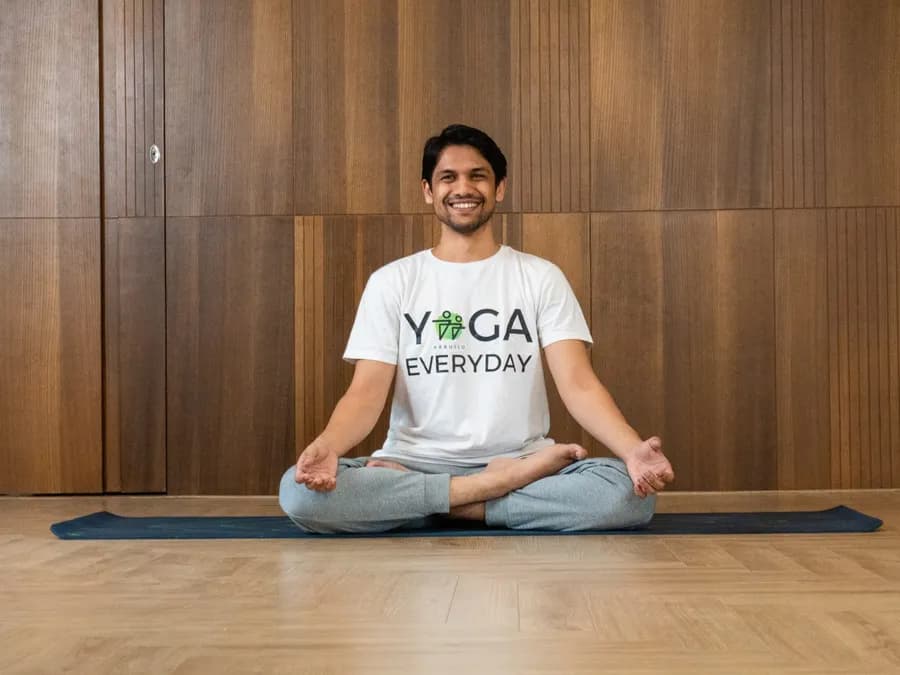
Sukhasana (Easy Pose): Steps Benefits and Meditation Foundation
Try sukhasana with Habuild. Discover the sukhasana pose to improve posture, reduce stress, and cultivate a calm and focused mind. Start your session today!
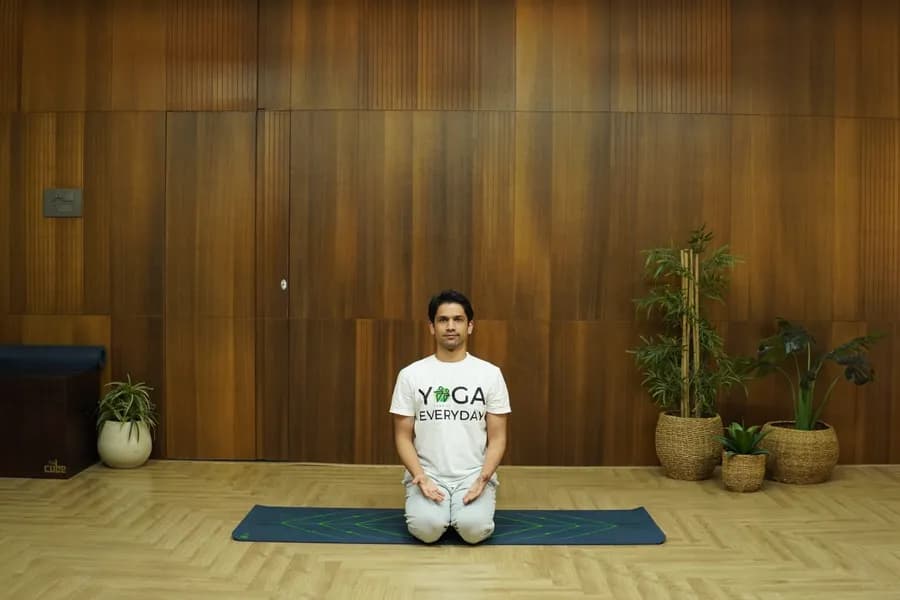
Vajrasana: How to Do It Benefits and Precautions
Practice vajrasana pose with Habuild. Try vajrasana to ease digestion, reduce back pain, and calm your mind. Ideal for all levels. Start your session today!
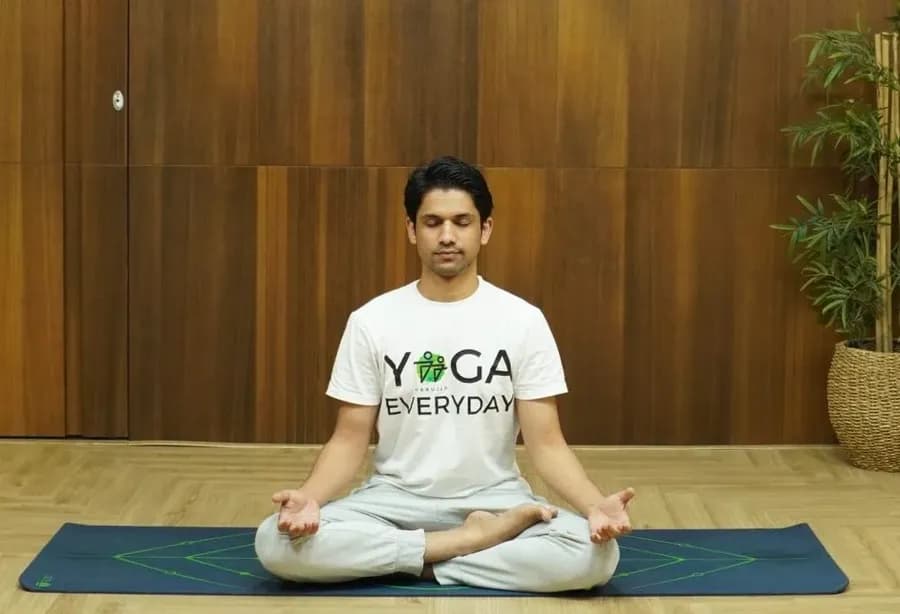
Padmasana Lotus Pose: Steps, Benefits & Guide
Padmasana, the Lotus Pose, is the foundational seat of meditation, pranayama, and classical yoga practice, creating a stable, grounded, symmetrically aligned seated base.

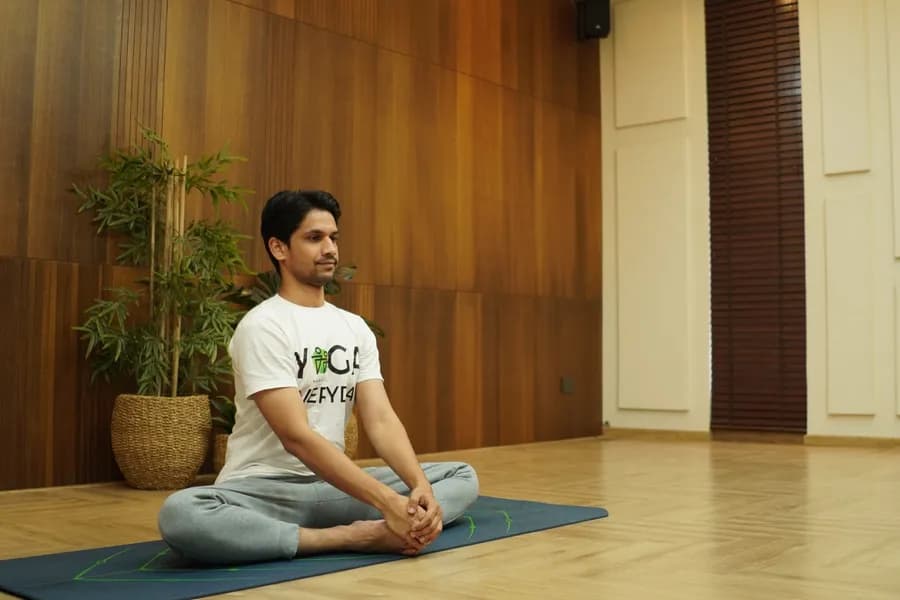
Bhadrasana (Gracious Pose): Steps and Hip Flexibility Benefits
Try bhadrasana with Habuild. Practice bhadrasana yoga to open the hips, calm the nervous system, and strengthen your pelvic floor. Start your session today!

Bandha Sarvangasana: Steps Full Body Benefits and Precautions
Practice Bandha Sarvangasana with Habuild. Follow the bridge shoulder stand steps to strengthen your back, improve circulation, and boost health. Start today!
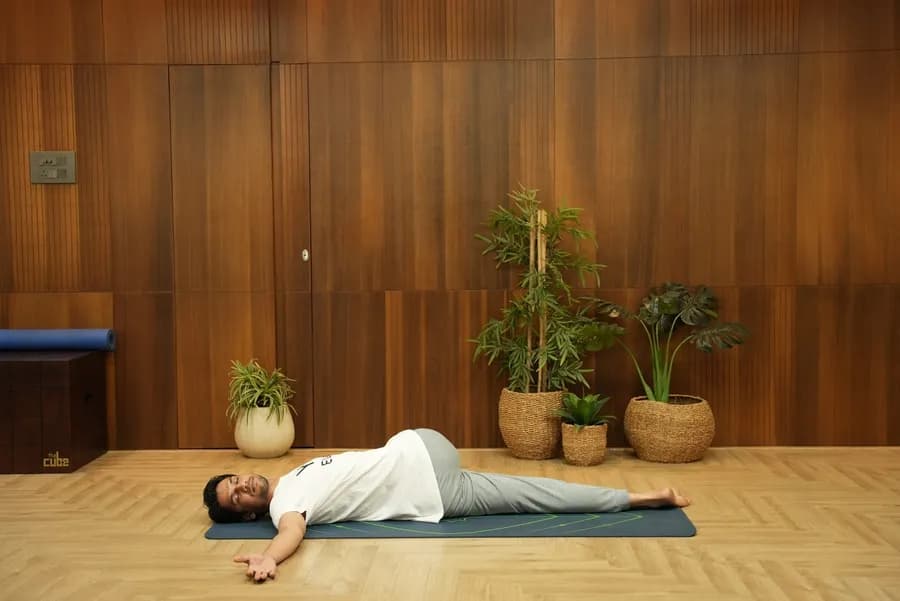
Supta Matsyendrasana (Supine Spinal Twist): Steps and Benefits
Practice Supta Matsyendrasana with Habuild. Follow supine spinal twist steps to relieve back pain, improve digestion, and calm your nervous system. Start today!