
Setu Bandha Sarvangasana: Steps Benefits and Modifications
Practice Setu Bandha Sarvangasana with Habuild. Follow the bridge pose steps to strengthen your back, support thyroid health, and improve sleep. Start today!
Key Takeaways
- Can be performed actively for strength or passively supported by a block for restoration.
- The supported restorative form held 5-10 minutes is named a powerful parasympathetic activator.
- Mild inversion increases blood flow specifically to the neck and thyroid region.
- The head-slightly-below-heart position is linked to reduced rumination and improved mood.
- In its restorative form it’s specifically named appropriate for blood pressure management.
- Active engagement of glutes and hamstrings builds posterior chain strength against back pain.
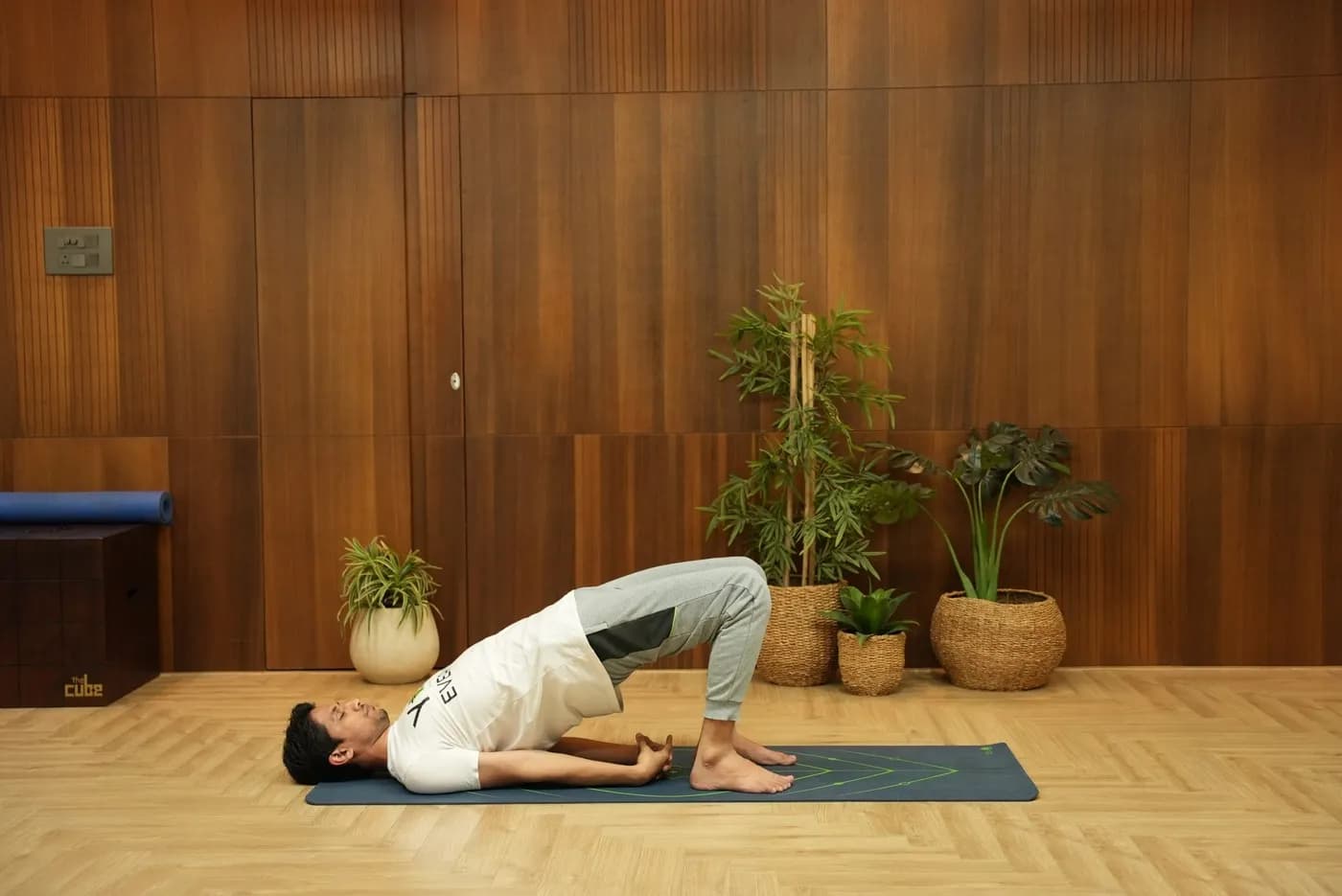
Setu Bandha Sarvangasana, or Bridge Pose, strengthens the posterior chain, stimulates thyroid function, opens the chest, and activates the parasympathetic nervous system — in both its active and supported restorative forms. It relieves back pain and supports sleep quality. Suitable for all levels.
What is Setu Bandha Sarvangasana?
Setu Bandha Sarvangasana — known in English as Bridge Pose or Supported Bridge Pose — derives from Sanskrit: Setu (bridge), Bandha (lock or bound), Sarva (all), Anga (limb), and Asana (posture). The hips are raised off the floor — either actively (held by muscular engagement) or passively (supported by a block under the sacrum) — forming the shape of a bridge.
Setu Bandha Sarvangasana is simultaneously a backbend, a mild inversion, a restorative posture, and a strength-building exercise — depending entirely on how it is performed and how long it is held. In its active form it builds posterior chain strength; in its supported restorative form it provides one of yoga’s most effective nervous system restoration postures for insomnia and stress management.
At Habuild, both forms are taught — with full explanations of the different benefits each provides and guidance for transitioning between them based on the intention of the practice.
Setu Bandha Sarvangasana Benefits
Physical Benefits
- Strengthens the Posterior Chain and Protects the Back The active form is one of yoga’s most effective posterior chain exercises — engaging the glutes, hamstrings, and erector spinae under sustained load. This posterior chain strength is the foundation of spinal health and the primary protection against chronic lower back pain.
- Stimulates the Thyroid and Supports Hormonal Health The mild inversion increases blood flow to the neck and thyroid region — stimulating thyroid function and the broader endocrine system, making it a valuable component of thyroid health and hormonal balance programmes.
- Opens the Chest and Improves Respiratory Function The posterior chain engagement and hip elevation draws the shoulders beneath the body and opens the anterior chest — expanding the thoracic cavity and improving intercostal flexibility.
- Supports Cardiovascular Health In its supported restorative form, the mild inversion provides improved venous return, reduced cardiac load, and parasympathetic activation — specifically appropriate for blood pressure management programmes.
Mental Benefits
- Activates Parasympathetic Nervous System for Deep Rest The supported restorative form held for five to ten minutes is one of yoga’s most powerful parasympathetic activators — the mild inversion, open chest, and passive support producing a profound nervous system shift from stress response to deep rest.
- Reduces Anxiety and Lifts Mood The chest-open, head-slightly-below-heart position is neurologically associated with reduced rumination and improved emotional tone — making Bridge Pose valuable for anxiety and mood management alongside its physical benefits.
How to Do Setu Bandha Sarvangasana — Step-by-Step Instructions
Key Principles
Key Principles Active Bridge: feet hip-width, heels close to sitting bones, press the floor to lift hips, engage glutes and hamstrings, roll the shoulders underneath. Supported Bridge: same starting position, place a block under the sacrum, allow the hips to rest passively with complete muscular release.
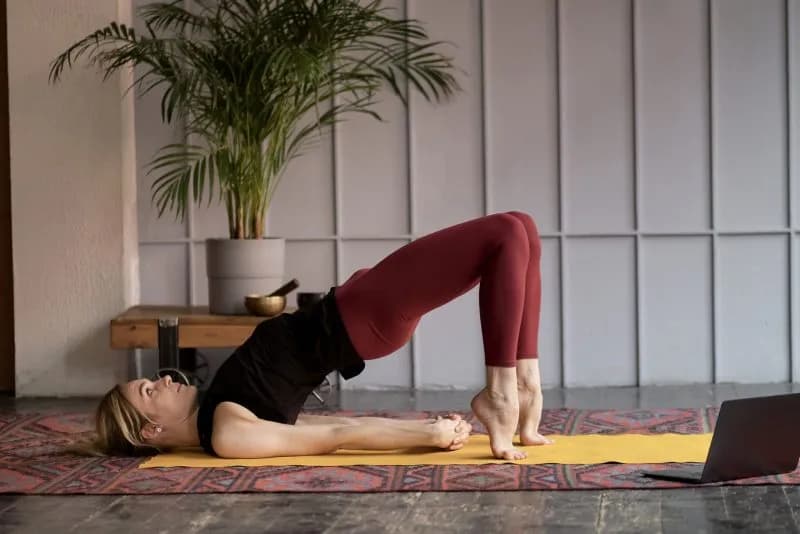
Active Setu Bandha Sarvangasana — Step by Step Step 1: Supine Starting Position Lie on the back with knees bent, feet flat on the mat, hip-width apart, heels close to the sitting bones. Arms rest alongside the body, palms facing down.
Step 2: Press and Lift the Hips Inhale. On the exhale, press the feet and arms into the floor and lift the hips upward — squeezing the glutes and drawing the inner thighs toward each other.
Step 3: Roll the Shoulders Under (Optional) Optionally roll the shoulders under the body and interlace the fingers beneath the hips — this deepens the chest opening and increases the posterior shoulder stretch.
Step 4: Hold for 5-10 Breaths, Then Lower Slowly Hold for five to ten breath cycles, pressing the feet firmly throughout. On an exhale, lower the spine slowly — one vertebra at a time — from the upper back to the tailbone.
Step 5: Supported Form — Block Under the Sacrum For the restorative form: after lifting the hips, slide a yoga block at its lowest or medium height under the sacrum — the flat bony region just above the tailbone. Lower the hips onto the block. Relax completely.
Step 6: Restorative Hold, Then Release For the supported form: extend arms by the sides or overhead, close the eyes, and hold for three to ten minutes with completely natural breathing. To release: press the feet to lift, remove the block, and lower the spine slowly.
Breathing
Active form: exhale to lift, breathe into the expanded chest throughout. Supported form: breathe naturally and deeply — allow the breath to expand the chest laterally on the inhale, creating traction that progressively opens the anterior chest.
Preparatory Poses

- Marjariasana-Bitilasana (Cat-Cow, 10 rounds) — Warms the spinal extensors and sacrum before the posterior chain activation of Bridge.
- Supta Baddha Konasana (2 minutes) — Opens the inner thighs and groin before the hip elevation.
- Shalabhasana (Locust, 5 breaths) — Activates the posterior chain in the prone position before the supine Bridge work.
Variations
- Variation 1: Supported Bridge with Block — Primary Restorative Form The most therapeutically powerful form for stress, insomnia, and nervous system restoration — passive hip elevation on a block for three to ten minutes.
- Variation 2: Dwi Pada Pitham — Flowing Bridge A dynamic version in which the hips lift on the inhale and lower on the exhale in a flowing breath-synchronised movement — building the posterior chain awareness and spinal articulation that prepare for the static hold.
- Variation 3: One-Legged Bridge — Advanced From the active bridge, one leg extends upward — creating a unilateral strengthening demand on the glutes, hamstrings, and core stabilisers of the grounded leg.
Common Mistakes to Avoid
- Knees Splaying Outward The knees must remain hip-width and parallel throughout — inner thighs drawing toward each other. Splaying knees reduces glute engagement and places medial knee stress.
- Block Placed at the Waist Rather Than the Sacrum For the supported form, the block must be under the sacrum — the flat triangular bone just above the tailbone — not at the waist (lumbar). Waist placement creates uncomfortable lumbar hyperextension rather than the intended sacral support.
- Gripping the Neck in Active Form Keep the throat soft and the natural cervical curve. Active engagement of the neck muscles in Bridge Pose can create cervical strain under the posterior chain load.
Who Should Practise?
- Those with Back Pain and Poor Core Strength The posterior chain strengthening of the active form makes Bridge Pose one of the most important accessible therapeutic postures for chronic back pain — building the glute and hamstring strength that protects the lumbar spine.
- Those Seeking Hormonal Balance and Better Sleep The supported restorative form is one of the most effective and accessible yoga practices for chronic insomnia and stress — producing the nervous system shift from activation to rest that deep sleep requires.
- Is Setu Bandha Sarvangasana Good for Beginners? Yes — both the active and supported forms are appropriate from the first yoga session. The supported form with a block is among the safest and most therapeutic first yoga postures for complete beginners.
Make Setu Bandha Sarvangasana a Part of Your Daily Practice
Setu Bandha Sarvangasana is yoga’s most versatile supine posture — its active form building the posterior chain strength that protects the spine, and its supported form providing the deep nervous system restoration that modern stress-laden lives require daily.
The most effective way to learn both forms of Bridge Pose — with active posterior chain guidance and supported block placement instruction — is under live expert instruction with Habuild.
Start your 14 day free yoga journey with Habuild, today!
Related reads: Bandha Sarvangasana: Steps Full Body Benefits and Precautions · Setu Bandhasana (Bridge Pose): Steps Benefits and Modifications
Bridge Pose’s benefits for back strength and sleep tend to show up on a delay — a single evening practice might leave you feeling looser, but the deeper, more restful sleep associated with this pose comes from making it part of your evening routine rather than an occasional one. The throat compression it involves also supports thyroid function best when practiced with regular, gentle repetition. Habuild’s Yoga Everyday program includes this pose in its evening sequences.
Frequently Asked Questions
Related Articles
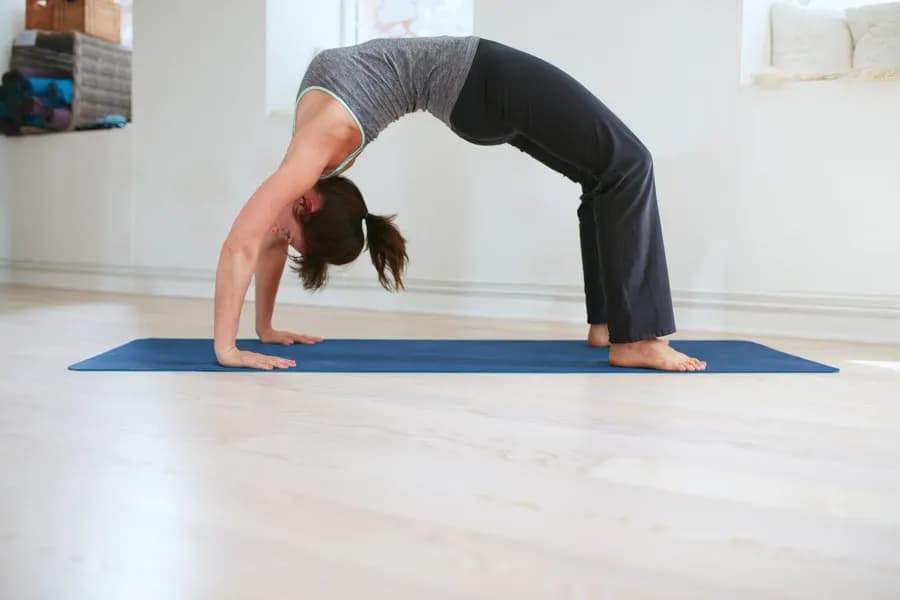
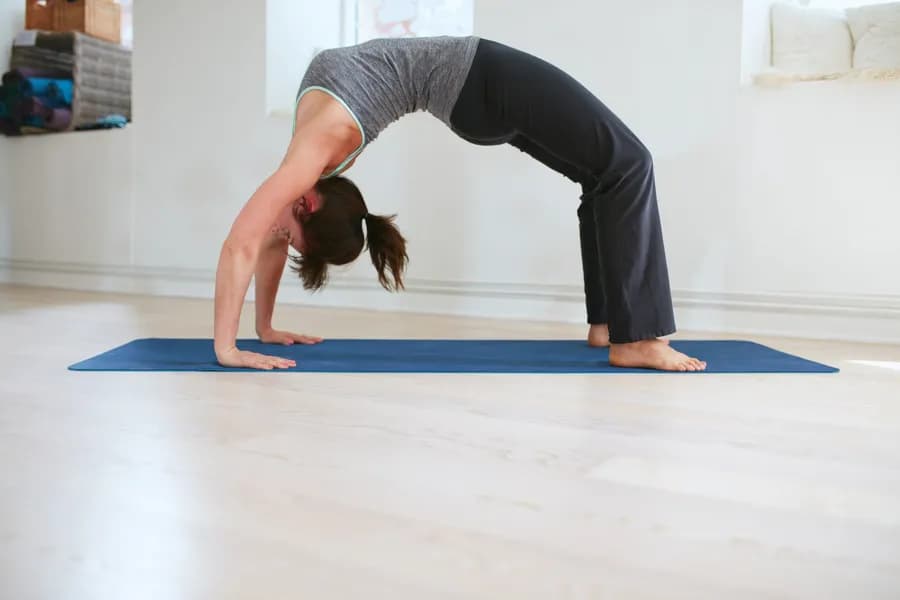
Urdhva Dhanurasana (Upward Bow Pose): Steps Benefits and Safety
Practice Urdhva Dhanurasana with Habuild. Follow the wheel pose steps to open your chest, strengthen your spine, and improve full-body flexibility. Start today!
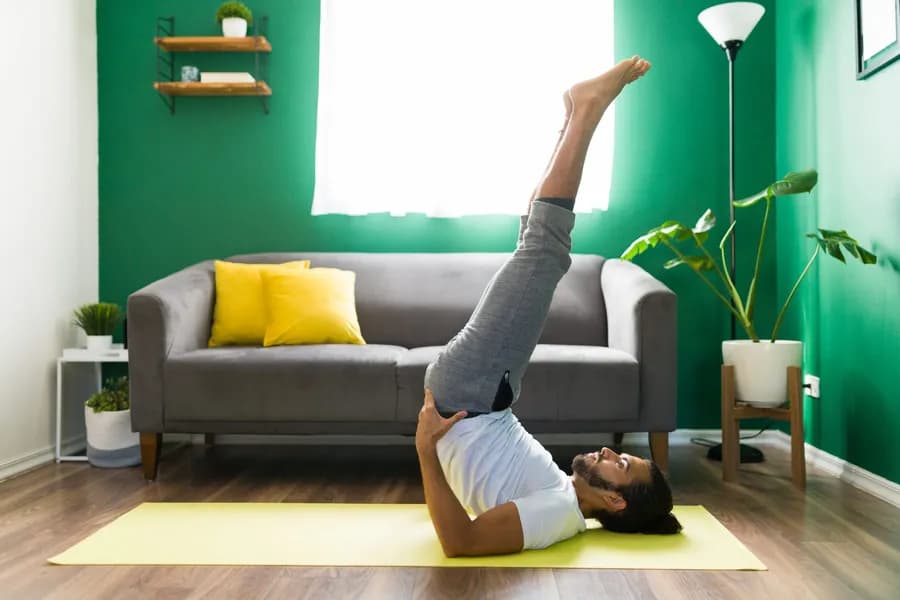
Purna Chakrasana (Full Wheel Pose): Steps Benefits and Safety
Practice Purna Chakrasana with Habuild. Follow full wheel pose steps to open your chest, strengthen your spine, and improve full-body flexibility. Start today!
Sarvangasana: Steps Benefits and How to Practice Safely
Practice sarvangasana with Habuild. Explore the sarvangasana pose to boost thyroid health, improve circulation, and calm your mind. Start your session today!
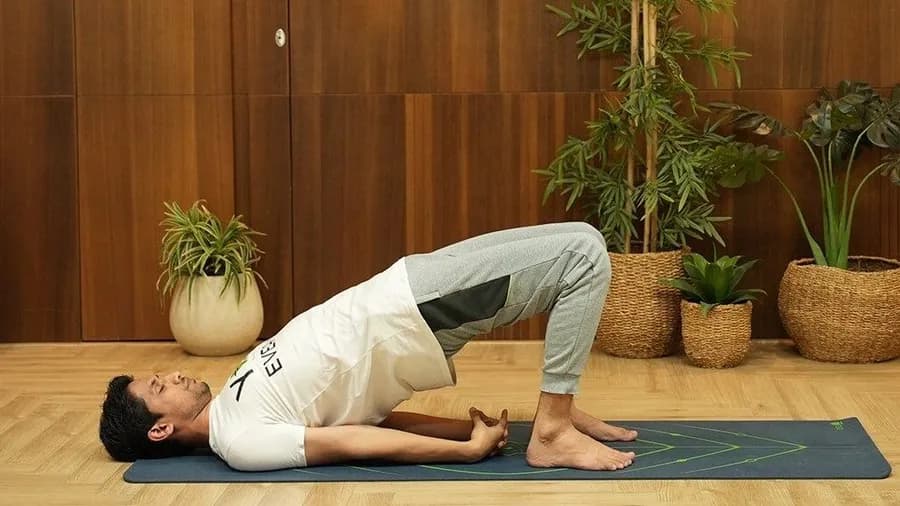
Setu Bandhasana (Bridge Pose): Steps Benefits and Modifications
Try setu bandhasana with Habuild. Master the setu bandhasana bridge pose to strengthen your spine, open the chest, and reduce stress. Start your session now!
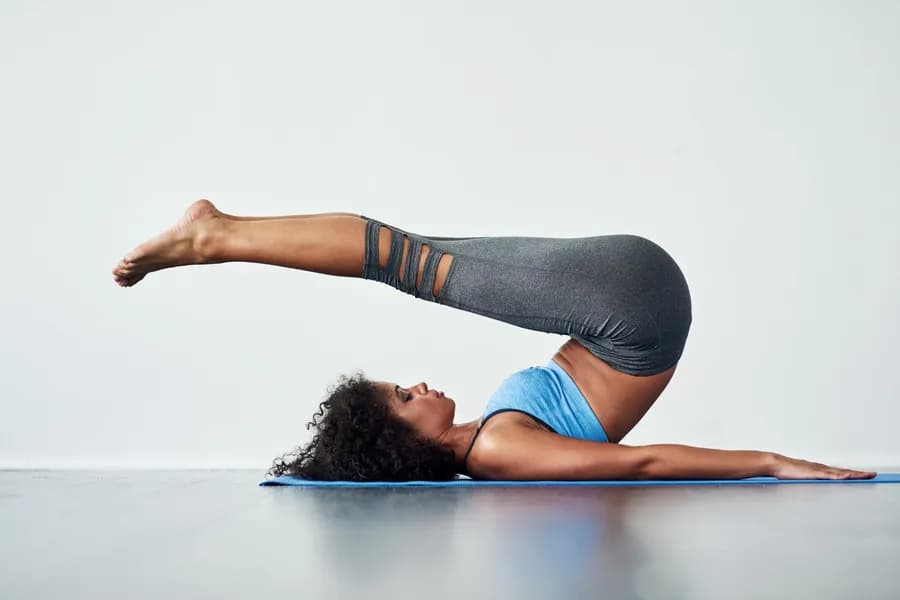
Bandha Sarvangasana: Steps Full Body Benefits and Precautions
Practice Bandha Sarvangasana with Habuild. Follow the bridge shoulder stand steps to strengthen your back, improve circulation, and boost health. Start today!