
Mudra for Gastric Problems: Best Gestures for Digestive Health
Try Mudra for Gastric with Habuild. Follow vayu mudra and vayu mudra how to do steps to soothe gastric issues and improve digestion naturally.
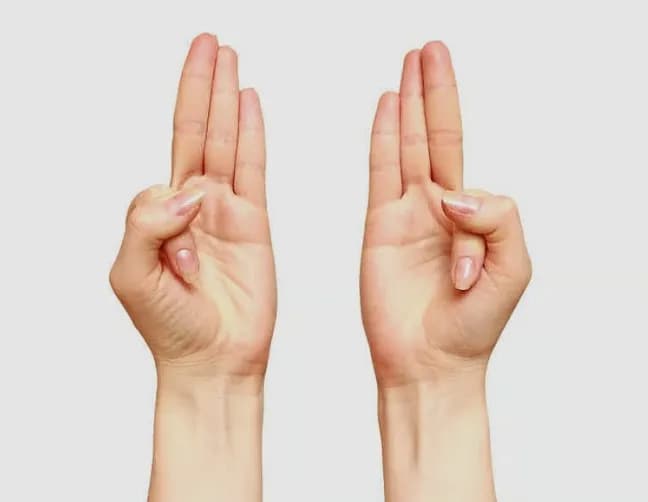
Key Takeaways
- Combines all three mudras – Vayu, Varun, and Apana – into one comprehensive toolkit.
- Frames combined Vata-Pitta imbalance as producing the most complex gastric presentations.
- Uses a symptom-to-mudra matching logic to select the right gesture for each presentation.
- Notes Prithvi Mudra can be added additionally for its stomach-lining protective quality.
- Poor gastric motility is named a common underlying factor behind bloating and pressure.
- Meaningful relief is reported within 15 to 30 minutes across the combined toolkit.
Mudra for gastric refers to yogic hand gestures that relieve gastric pain, reduce acidity, and support overall stomach health by addressing the elemental causes of gastric discomfort. Combining Vayu Mudra for excess gas, Varun Mudra for acid cooling, and Apana Mudra for downward digestive movement, they provide a complete toolkit for the management of the full spectrum of gastric conditions through elemental rebalancing.
What is Mudra for Gastric?
Mudra for gastric encompasses the range of yogic hand gestures that address the complete spectrum of gastric conditions — excess stomach acid, intestinal gas, gastric pain, abdominal cramping, and the generalised gastric discomfort that digestive dysfunction produces. In yogic physiology, gastric conditions represent elemental imbalances: excess Vata (air element) produces gas and cramping; excess Pitta (fire element) produces acidity and burning; combined Vata-Pitta imbalance produces the complex gastric presentations that many practitioners experience.
The three primary mudras for gastric relief address these elemental causes with precision: Vayu Mudra (index finger folded to the thumb base — air reduction) addresses the excess Vata of gas and cramping; Varun Mudra (little finger tip to thumb tip — water activation) cools the excess Pitta of acidity; and Apana Mudra (middle and ring finger tips to thumb tip — downward energy activation) addresses stagnant digestive energy through improved motility. Together they form a comprehensive gastric mudra toolkit.
At Habuild, mudra for gastric is taught within the digestive health curriculum — with the symptom-to-mudra matching logic, the correct formations, the Vajrasana postural support, and the dietary and lifestyle context that makes the complete gastric programme comprehensively effective.
Benefits of Mudra for Gastric
Physical Benefits
- Relieves Gastric Pain, Gas, and Abdominal Cramping Vayu Mudra’s air element reduction and Apana Mudra’s downward energy activation together address the primary elemental causes of gastric pain — the trapped gas and misdirected digestive energy that produce cramping, pressure, and the acute discomfort of gastric episodes. Many practitioners report meaningful relief within 15 to 30 minutes of sustained practice.
- Reduces Stomach Acidity and Protects the Stomach Lining Varun Mudra’s water element activation cools the excess fire element of stomach hyperacidity — the water cooling and diluting the corrosive excess acid that produces heartburn and the burning discomfort of acid reflux. Prithvi Mudra’s earth element may additionally be incorporated for its stomach-lining stabilising and protective quality.
- Supports Gastric Motility and Digestive Movement Apana Mudra’s downward energy activation improves gastric motility — the rhythmic muscular contractions that move food through the digestive tract. Poor motility is a common underlying factor in gastric pain, bloating, and the sensation of food sitting heavily after meals — and the downward energy direction of Apana Mudra directly addresses this specific digestive dysfunction.
Mental and Emotional Benefits
- Reduces the Distress and Anxiety of Chronic Gastric Conditions Chronic gastric conditions significantly impair quality of life — producing the anticipatory anxiety of post-meal pain, the dietary restriction of avoiding triggers, and the persistent discomfort of active gastric episodes. Mudra for gastric that reliably addresses these physical symptoms directly improves psychological wellbeing and the freedom to enjoy meals without apprehension.
How to Do Mudra for Gastric — Step-by-Step Instructions
Key Principles
Key Principles Select the appropriate mudra for the specific gastric symptom: predominantly gas and cramping — Vayu Mudra; predominantly acidity and burning — Varun Mudra; predominantly stagnation and motility — Apana Mudra; mixed or comprehensive gastric support — practise the complete three-mudra sequence within a single 30 to 45 minute session.
The Three-Mudra Gastric Protocol — Step by Step Step 1: Starting Position in Vajrasana Sit in Vajrasana (kneeling) for the most direct mechanical digestive support — or Sukhasana if Vajrasana is uncomfortable. Spine erect, hands resting on knees, eyes closed. Breathe gently into the abdomen for two to three cycles before beginning.
Step 2: Vayu Mudra — 15 Minutes for Gas and Air Excess Fold the index finger of each hand to touch the base (not the tip) of the thumb. Place the thumb lightly over the bent index finger — no pressing. Allow the remaining three fingers to extend gently. Both hands simultaneously. Breathe slowly and abdominally for 15 minutes.
Step 3: Varun Mudra — 10 Minutes for Acidity Release Vayu Mudra. In each hand: bring the tip of the little finger to touch the tip of the thumb. Three remaining fingers extended gently. Both hands. Hold for 10 minutes with slow, cooling breaths.
Step 4: Apana Mudra — 10 Minutes for Downward Movement Release Varun Mudra. In each hand: bring the tips of the middle and ring fingers to touch the tip of the thumb simultaneously. Index and little fingers extend gently. Both hands. Hold for 10 minutes.
Step 5: Close the Session Release the final mudra gently. Rest for two to three integrating breaths. Remain in Vajrasana for five additional minutes after the mudra practice for the best post-meal digestive outcome.
Breathing in Mudra for Gastric
Gentle abdominal breathing throughout the gastric mudra session — belly expanding freely on the inhale, releasing completely on the exhale. Avoid vigorous Kapalbhati close to mealtimes or when gastric symptoms are active. Kapalbhati is most beneficial in the morning on an empty stomach before the gastric mudra sequence, never immediately before or after meals.
Preparatory Practices Before Mudra for Gastric
These practices prepare the digestive system for the elemental gastric rebalancing.
- Vajrasana (kneeling, 5 minutes) — The most potent preparatory practice — its direct pressure on the digestive meridians prepares the digestive system before the mudra begins.
- Gentle clockwise abdominal massage — Stimulates the intestinal tract and releases surface abdominal tension before the seated mudra hold.
- Pavanamuktasana (Wind-Relieving Pose) — Directly releases trapped gas before the Vayu Mudra air-reduction practice begins.
- Nadi Shodhana Pranayam (3-5 rounds) — Balances both channels and settles the nervous system before the elemental gastric work.
Variations of Mudra for Gastric
- Variation 1: Single-Symptom Mudra — Targeted Practitioners whose gastric symptoms are specific rather than mixed use the single appropriate mudra: Vayu Mudra alone for predominantly gas and bloating; Varun Mudra alone for predominantly acidity; Apana Mudra alone for predominantly stagnation. A 20 to 30 minute single-mudra session provides targeted relief without the full three-mudra protocol.
- Variation 2: Pushan Mudra for Comprehensive Support — Intermediate For comprehensive digestive cycle support rather than specific symptom targeting, Pushan Mudra (different formations in each hand activating both Prana and Apana Vayu simultaneously) provides a single-gesture alternative that addresses the complete digestive circuit in one 15 to 30 minute hold.
- Variation 3: Gastric Mudra with Yoga Asanas — Advanced Combining the gastric mudra sequence with complementary asana practice — Pavanamuktasana, Ardha Matsyendrasana, and Supta Baddha Konasana — before the seated mudra hold creates a comprehensive gastric health session that addresses both the physical structure of the digestive tract and the elemental energetics.
Common Mistakes to Avoid in Mudra for Gastric
- Using Vayu Mudra When Acidity Is the Primary Symptom Vayu Mudra reduces the air element and is specifically indicated for gas and cramping. It does not address the fire element excess of acidity and may be ineffective for purely acid-driven gastric discomfort. Practitioners with primarily acidity should use Varun Mudra (water cooling) rather than Vayu Mudra (air reduction).
- Practising Vigorous Kapalbhati Near Mealtimes Kapalbhati’s abdominal pumping and heat generation can temporarily increase gastric acid production and should not be practised within two hours of meals or during active gastric symptoms. Save Kapalbhati for the morning empty stomach session and use gentle breathing during the post-meal gastric mudra practice.
- Expecting Mudra Alone to Resolve Chronic Gastric Conditions Mudra for gastric is a complementary practice — genuinely effective for symptom management and progressive improvement, but most powerful when combined with dietary modifications that reduce gastric triggers, adequate meal spacing, and appropriate medical evaluation for significant gastric conditions.
- Using Heating Mudras When Acidity Is Active Surya Mudra (ring finger to thumb base — fire activation), Linga Mudra, and other heating mudras should be avoided when stomach acidity or GERD is active — they amplify the fire element that acidity already represents in excess. Always use cooling water-element mudras (Varun) during active acid conditions.
Who Should Practise Mudra for Gastric?
- Those with Chronic Gastric Discomfort The three-mudra gastric protocol provides comprehensive elemental rebalancing for the mixed Vata-Pitta gastric presentations that chronic gastric discomfort typically represents — addressing gas, acidity, and motility through three targeted mudras whose sequential application covers the complete elemental gastric spectrum.
- Those Seeking Natural Digestive Support Mudra for gastric offers a completely natural, side-effect-free approach to gastric symptom management — specifically valuable for those seeking to reduce dependence on antacids and gas medications as complementary tools alongside appropriate medical guidance.
- Those with Dietary Trigger-Related Gastric Issues Practitioners who experience gastric symptoms predictably after particular foods benefit most from the mudra-after-meals protocol — the Vajrasana and gastric mudra combination providing a direct, immediate intervention in the post-meal window when trigger-related symptoms develop.
- Is Mudra for Gastric Good for Beginners? Yes — each of the three gastric mudras is straightforward in formation. The primary learning is the symptom-to-mudra matching logic and the sequencing of the complete three-mudra protocol. Beginners who are unsure of their primary symptom begin with Vayu Mudra (the most broadly applicable gastric mudra) and add the other two as their understanding of their specific elemental presentation develops.
Make Mudra for Gastric a Part of Your Daily Health Practice
Mudra for gastric represents a complete, natural, and systematically targeted approach to the full spectrum of gastric conditions — addressing gas, acidity, and motility through three precisely matched elemental mudras that together cover every aspect of gastric dysfunction. Daily post-meal practice in Vajrasana, combined with appropriate dietary modifications, provides one of the most practical and immediately effective natural gastric management approaches available.
Whether you are using a single mudra for a specific gastric symptom or developing the complete three-mudra gastric protocol for comprehensive support, the practice is immediately accessible and the relief typically perceptible within the first few sessions of consistent use.
The most effective way to learn mudra for gastric correctly — with precise symptom-to-mudra matching, correct formations, and the complete dietary and lifestyle integration that makes the programme comprehensively effective — is under live expert guidance with Habuild’s daily sessions.
Start your 14 day free yoga journey with Habuild, today!
Vayu Mudra is a simple, gentle complement to digestive health, and like most gentle practices, its value shows up over weeks of consistent use rather than a single sitting when something feels off. Habuild’s Yoga Everyday program can help you fold it into a daily practice built around steady digestive support.
Frequently Asked Questions
Related Articles
Mudra for Lungs: Pran Mudra, Bronchial Mudra & Hand Gestures for Lung Health
Pran Mudra, Bronchial Mudra, Asthma Mudra, and Apana Vayu Mudra together support breathing capacity, mucus clearance, and lung muscle tone. See the hand


Mudra for Hypertension: Best Gestures for Heart Health and Calm
Practice mudra for hypertension with Habuild. Follow the best hand gesture steps to manage high blood pressure and support cardiovascular health. Start today!
Apana Mudra: How to Practice and Its Benefits for Detox and Digestion
Practice Apana Mudra with Habuild. Follow the downward energy hand gesture steps to support digestion, detoxification, and reproductive health. Start today!