
Mudra for Hypertension: Best Gestures for Heart Health and Calm
Practice mudra for hypertension with Habuild. Follow the best hand gesture steps to manage high blood pressure and support cardiovascular health. Start today!
Key Takeaways
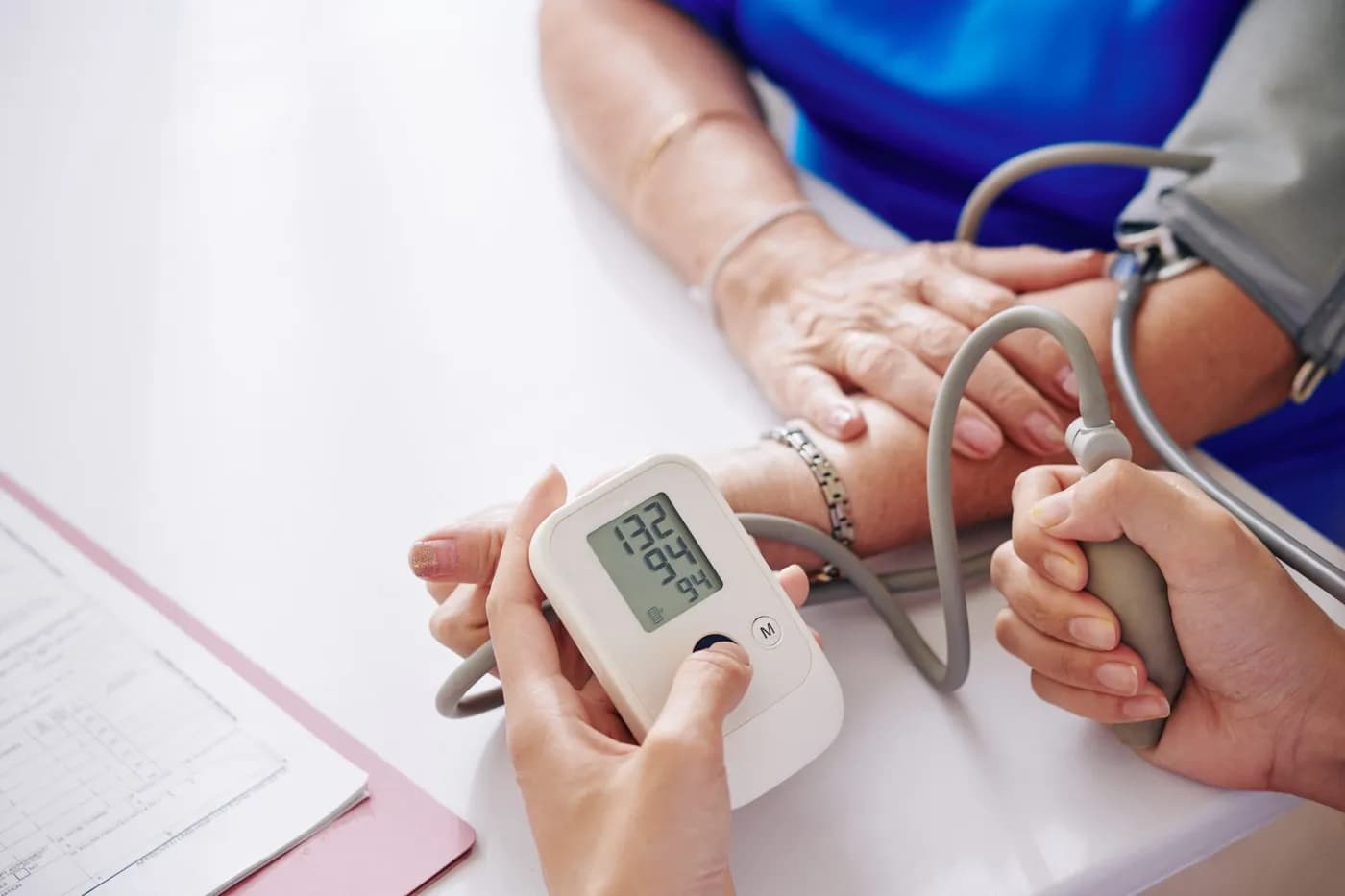
- States hypertension affects approximately 33% of Indian adults, the most prevalent CV condition.
- Vagal activation from slow, extended-exhale breathing is the most direct BP-lowering mechanism.
- Multiple cited studies show measurable BP drops from 15-30 minutes of mudra with controlled breath.
- Specifically advises against forceful Kapalbhati when blood pressure is very high.
- Recommends cooling Chandrabhedan pranayam instead of vigorous breathing for hypertension.
- Frames mudra practice as addressing chronic stress-pressure, not replacing medication.
Mudra for hypertension combines yogic hand gestures that activate the parasympathetic nervous system, cool the excess fire element, and reduce the chronic stress that drives blood pressure elevation. Practised daily with cooling pranayama, they provide meaningful complementary support for hypertension management alongside medical treatment.
What is Mudra for Hypertension?
Mudra for hypertension encompasses the yogic hand gestures and breathing practices that address the primary drivers of elevated blood pressure — the chronic sympathetic nervous system activation of stress-driven hypertension, the excess fire element of Pitta-dominant cardiovascular conditions, and the mental agitation that perpetuates the elevated vascular pressure of essential hypertension. Our yoga health benefits guide covers the complete yoga approach to hypertension management.
Hypertension affects approximately 33% of Indian adults — making it the single most prevalent cardiovascular condition in the country and one of the leading contributors to heart disease and stroke. While medication is essential for managing clinically significant hypertension, the lifestyle component — stress reduction, appropriate physical activity, and dietary modification — provides meaningful additional benefit. Yoga mudra practice addresses the stress and autonomic nervous system components of this lifestyle management with particular effectiveness. Our fitness & yoga resources explain how yoga’s lifestyle benefits support comprehensive cardiovascular health management.
Mudra for Hypertension Benefits
Physical Benefits
- Reduces Blood Pressure Through Vagal Activation The most direct mechanism: sustained mudra practice with slow, extended-exhale breathing activates the vagal nerve — the primary parasympathetic nerve that slows heart rate, reduces cardiac output, and lowers peripheral vascular resistance. Multiple studies confirm measurable blood pressure reductions from 15–30 minutes of yoga mudra with controlled breathing. Our flexibility guide covers how yoga broadly supports cardiovascular health.
- Improves Heart Rate Variability Regular mudra and pranayama practice improves heart rate variability (HRV) — the key marker of autonomic nervous system health and cardiovascular resilience. Improved HRV is directly associated with better blood pressure regulation and reduced cardiovascular risk.
Mental Benefits
- Reduces the Chronic Stress That Drives Hypertension The primary lifestyle cause of essential hypertension is chronic psychological stress — the ongoing cortisol and adrenaline elevation that keeps the sympathetic nervous system activated and the cardiovascular system pressurised. Mudra for hypertension’s mental calming, combined with slow breathing, directly reduces this chronic stress-pressure connection. Pair with pranayam kapalbhati only gently if blood pressure is very high — prefer the cooling chandrabhedan pranayam instead.
Mudra for Hypertension vs Medication
Mudra for hypertension is a complementary practice — it meaningfully complements medical management but does not replace it. The research evidence supports mudra and yoga practice as producing reductions of approximately 5–10 mmHg systolic blood pressure as a complementary lifestyle intervention — clinically meaningful, but insufficient as a standalone treatment for significant hypertension. Always continue prescribed medication and monitor blood pressure regularly. See also yoga for high blood pressure for the complete yoga cardiovascular programme.
Precautions
- Never adjust blood pressure medication without medical guidance Monitor blood pressure regularly — track the complementary benefit of mudra practice
- Avoid heating practices: Linga Mudra, Surya Mudra, vigorous Kapalabhati If blood pressure is acutely very high (>180/120 mmHg): seek immediate medical attention rather than relying on mudra
The Mudra for Hypertension Daily Protocol
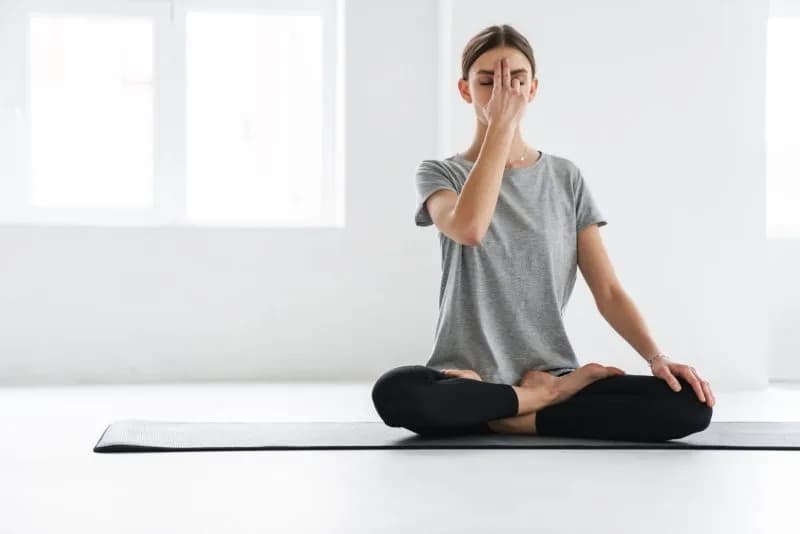
- Morning Practice (25 Minutes) 5 minutes: Gyan Mudra with Nadi Shodhana pranayama (alternate nostril, 4 count inhale, 8 count exhale).
- 10 minutes: Varun Mudra with Chandrabhedana pranayama (left nostril only, cooling, 4:8 ratio). 10 minutes: Apana Vayu Mudra with cardiac-directed breathing (inhale to heart, extended exhale).
- Evening Practice (15 Minutes) 15 minutes: Gyan Mudra with Yoga Nidra or body scan relaxation — the most blood-pressure-reducing evening practice.
- Breathing Protocol Details The critical breathing element for hypertension: the extended exhale ratio (2:1 exhale — inhale 4, exhale 8) is the most reliably blood-pressure-reducing breathing pattern, working through vagal nerve activation. suryabhedan pranayam and vigorous Kapalabhati are contraindicated for hypertension — both can temporarily elevate blood pressure through sympathetic activation.
Start your 14 day free yoga journey with Habuild, today!
Related reads: Apana Vayu Mudra: How to Practice and Its Benefits for Heart Health · Mudra for Gastric Problems: Best Gestures for Digestive Health
Think of this mudra as a small, calming ritual layered onto your existing care routine rather than a treatment on its own — its value lies in how consistently it helps you settle your breathing and nervous system, not in any single sitting. Practiced daily alongside slow breathing, it becomes a genuinely supportive piece of a heart-conscious lifestyle. Habuild’s Yoga Everyday program pairs mudras like this with pranayama so the calming practice actually sticks.
Frequently Asked Questions
Related Articles
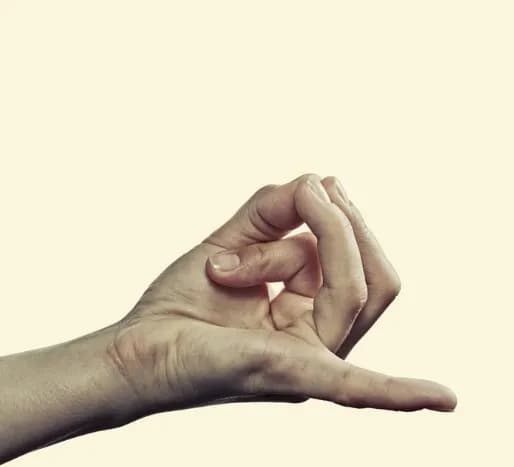
Apana Vayu Mudra: How to Practice and Its Benefits for Heart Health
Practice Apana Vayu Mudra with Habuild. Follow the heart gesture steps to support heart health, reduce palpitations, and calm the nervous system. Start today!
Heart Mudra: How to Practice and Its Benefits for Emotional Balance
Try Heart Mudra with Habuild. Follow heart mudra yoga steps and benefits to open the heart, enhance love, and deepen meditation practice.
Kubera Mudra (Prosperity Gesture): Steps Benefits and Precautions
Master Kubera Mudra with Habuild. Learn how to do kubera mudra and its benefits for attracting wealth, abundance, and positive energy daily.