
Mudra for Heart: Apana Vayu Mudra, Hridaya Mudra & Heart Chakra Practices
Apana Vayu Mudra, Hridaya Mudra, and Anahata Chakra Mudra each work on a different aspect — circulation, nervous-system balance, or emotional opening. See
Key Takeaways
- Apana Vayu Mudra is also known as Mritsanjeevani Mudra in the healing tradition.
- The heart sits at the anahata chakra, influenced by both prana vayu and apana vayu.
- Works by calming sympathetic ‘fight or flight’ overdrive that drives blood pressure elevation.
- Hridaya Mudra provides direct heart-region focus distinct from the circulatory-focused gesture.
- Explicitly never a substitute for cardiac medication – call emergency services for chest pain.
- Extended exhalation during practice specifically eases stress-driven chest tightness.
What is a Mudra for Heart?
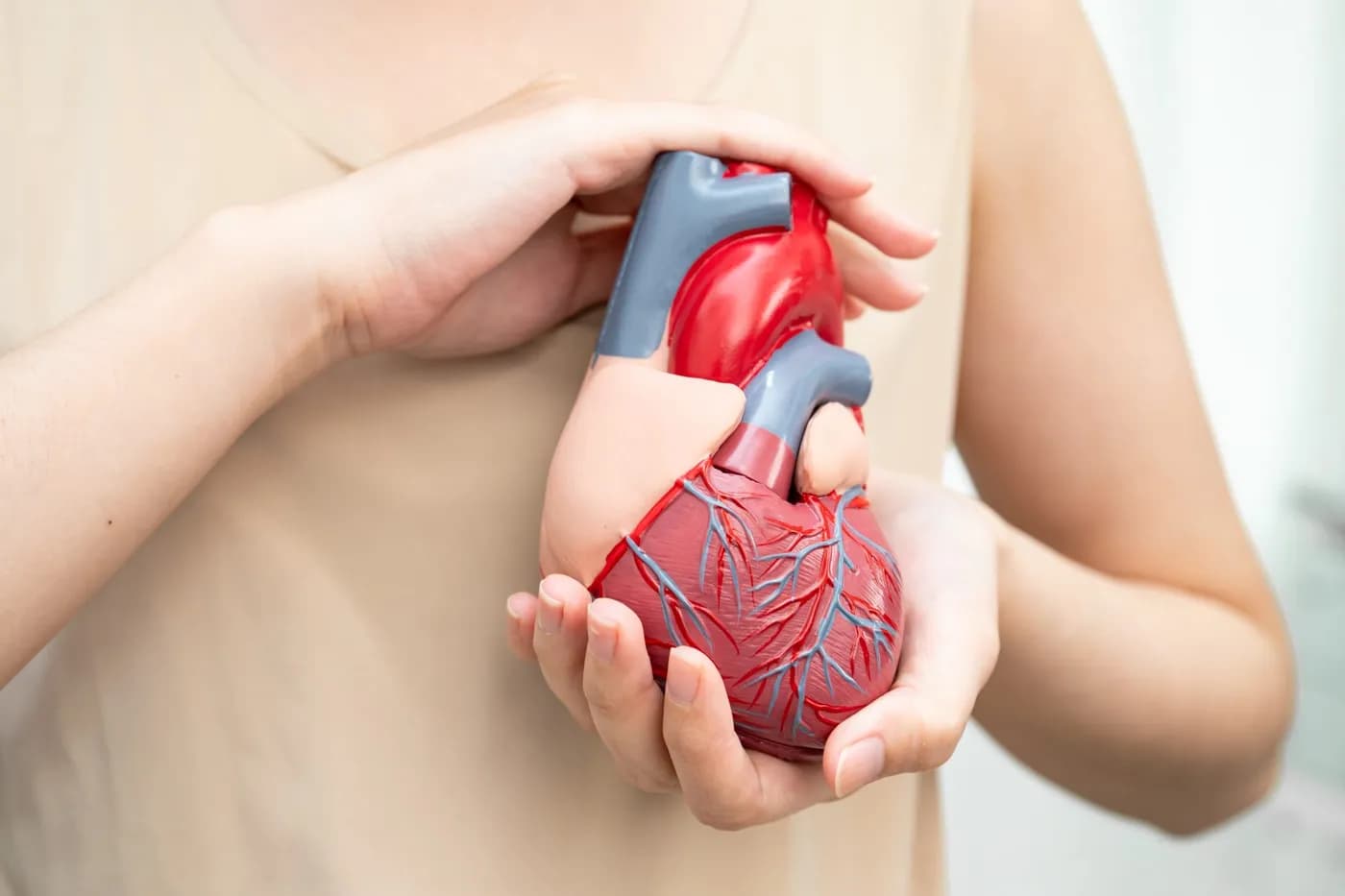
A mudra is a yogic hand gesture that “seals” specific currents of vital energy (prana) inside the body. In yogic physiology, the heart sits at the centre of the anahata chakra — the heart-centre that governs love, compassion, balance and emotional steadiness — and is influenced by two of the five vayus: prana vayu (the upward, inward breath energy) and apana vayu (the downward, eliminative energy).
A mudra for heart works by directing pranic flow toward the chest cavity, calming the autonomic nervous system, easing the sympathetic “fight or flight” overdrive that drives chronic blood-pressure elevation, and supporting emotional regulation. The most popular practices are Apana Vayu Mudra for circulatory and nervous-system support, Hridaya Mudra for direct heart-region focus, and Anahata Mudra for mudra for heart chakra opening. Many practitioners combine these gestures with the dedicatedheart mudra practice and breath work for layered effect.
Mudra for Heart Benefits
Physical Benefits
1. Supports Healthy Blood Pressure Daily Apana Vayu Mudra paired with slow nasal breathing has a parasympathetic effect — encouraging gentler heart rhythm and softer arterial pressure over weeks. It works best alongside dietary care, regular activity and prescribed medication.
2. Eases Chest Tightness and Mild Palpitations Stress-driven chest tightness and the occasional racing-heart sensation often respond to seated mudra practice with extended exhalation. This is a daily practice, not an emergency response.
3. Supports the Lung-Heart Axis The lungs and heart share the chest cavity and circulatory work. A mudra for lungs and heart focus — Apana Vayu Mudra paired with anulom vilom — supports both systems together.
4. Helps Reduce Sympathetic Overdrive Modern lifestyles keep the nervous system in a near-constant state of alertness. A daily mudra for heart practice teaches the body to drop into the parasympathetic mode that the heart needs for repair and rhythm regulation.
Mental and Emotional Benefits
5. Mudra for Heart Opening — Eases Emotional Constriction Many people carry chronic chest tightness from grief, breakup, betrayal or burnout. A mudra for heart opening practice paired with chest-opening postures can soften this gradually. Combining the practice with structured yoga for stress management addresses both the somatic and the cognitive sides of stress.
6. Builds Emotional Steadiness Regular practice cultivates the felt sense of “settled centre” that the anahata chakra represents.
7. Improves Sleep in High-Anxiety Periods Pre-sleep mudra practice with slow exhalation can reduce the racing-heart sensation that disturbs sleep onset.
How to Do Mudras for Heart — Step-by-Step
Mudra 1: Apana Vayu Mudra (Mritsanjeevani Mudra) — the Primary Heart Mudra
Often called the “saviour mudra,” apana vayu mudra is the most-recommended daily practice for heart health.
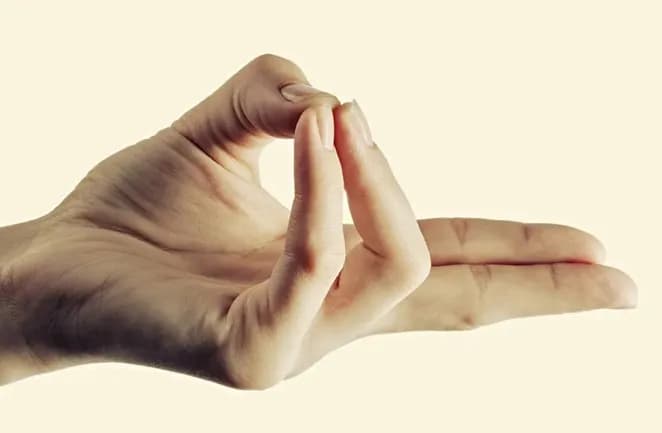
Step 1: Sit in sukhasana, vajrasana or on a chair with feet flat. Spine tall, shoulders soft. Step 2: Fold the index finger so its tip touches the base of the thumb (the muscular mound). Step 3: Bring the tips of the middle finger and ring finger to the tip of the thumb. Step 4: Keep the little finger fully extended. Step 5: Place both hands on the thighs, palms upward, with the gesture formed on each hand. Step 6: Begin slow nasal breathing — inhale 4 counts, exhale 6 counts. The longer exhalation activates the parasympathetic response. Step 7: Hold for 15 minutes daily, ideally morning. The dedicatedapana vayu mudra page covers deeper variations.
Mudra 2: Hridaya Mudra — Direct Heart-Region Focus
Step 1: Sit comfortably. Fold the index finger onto the base of the thumb (same as apana vayu mudra so far). Step 2: Bring the middle and ring finger tips to the thumb tip. Step 3: Keep the little finger extended. Step 4: Place both hands at the heart centre (anahata), palms facing the chest. Step 5: Hold 10–15 minutes with diaphragmatic breath into the chest.
Mudra 3: Anahata Mudra — Heart Chakra Opening
Step 1: Bring the palms together in front of the chest in a soft prayer position (pranam mudra). Step 2: Slightly separate the heels of the palms and the fingertips, leaving a small lotus-bud space. Step 3: Close the eyes and focus attention on the heart-centre. Step 4: Hold 10 minutes with slow nasal breath.
Breathing in Heart Mudras
Pair with anulom vilom (alternate nostril) before the mudra and bhramari (humming bee) after. Avoid kapalbhati and bhastrika if you have any cardiac condition without explicit medical clearance.
Preparatory Practices Before Heart Mudras
- Gentle chest opening — interlace fingers behind the back, lift chest. 30 seconds, twice.
- Cat-cow (marjariasana, 5 rounds) — mobilises the rib cage and warms the chest.
- Anulom vilom (5 rounds) — balances nostril airflow and prepares the nervous system.
- Shoulder rolls (10 each way) — release tension that holds the chest closed.
Variations of Mudra for Heart
Variation 1: Apana Vayu Mudra in Shavasana
Lie on your back with the mudra formed at the sides of the body. Best for deeply tired days, post-illness recovery, or pre-sleep calm.
Variation 2: Hridaya Mudra with Mantra
Add a soft “OM” or “So-Hum” repetition with each exhale. Deepens the heart-centre attention.
Variation 3: Apana Vayu + Hridaya Sequence
10 minutes of apana vayu mudra (hands on thighs) followed by 10 minutes of hridaya mudra (hands at heart). A complete 20-minute heart-focused sitting.
Common Mistakes to Avoke in Mudra for Heart
- Treating the mudra as emergency first aid for chest pain — never. Chest pain, breathlessness, sudden left-arm or jaw discomfort require immediate emergency care. Call your local emergency number first.
- Stopping cardiac medication because the mudra “feels good” — never. Continue all prescribed medication exactly as advised by your cardiologist.
- Pressing the fingers too hard onto the thumb — feather-light contact only.
- Hunching the shoulders forward — closes the chest and undoes the mudra’s benefit.
- Doing kapalbhati or bhastrika without medical clearance — these strong pranayamas can stress the cardiovascular system.
- Practising right after a heavy meal — wait at least 90 minutes; gives the body time to direct blood to digestion first.
Who Should Practise Mudra for Heart?
- People Managing Hypertension, High Cholesterol or Family History of Heart Disease A daily 15-minute apana vayu mudra practice complements medical management. Many also benefit from a parallelyoga for heart health routine that adds gentle movement and breath work to the seated mudra practice.
- People in Cardiac Rehabilitation (with Medical Clearance) After a cardiac event, mudras are one of the gentlest practices a recovering heart can do. Always start under your cardiologist’s supervision.
- People with High Daily Stress and Sympathetic Overdrive Type-A personalities, busy executives, and anyone who finds it hard to “switch off” benefit from the parasympathetic activation a daily mudra session provides.
- People Working through Grief or Emotional Constriction Heart-opening mudras paired with slow breath can soften the chest tightness that often accompanies emotional loss.
- Is Mudra for Heart Good for Beginners? Yes. No yoga experience required. Start with apana vayu mudra and add the others over weeks.
Cardiovascular support through mudra practice works the way most gentle, complementary practices do — quietly, and only with consistency, which is why Apana Vayu and Hridaya mudra tend to be recommended as a daily addition rather than something reached for occasionally around a cholesterol report. Pair it with the movement and diet changes your doctor has already suggested. Habuild’s Yoga Everyday program can help anchor that daily consistency with guided sessions.
Frequently Asked Questions
Related Articles
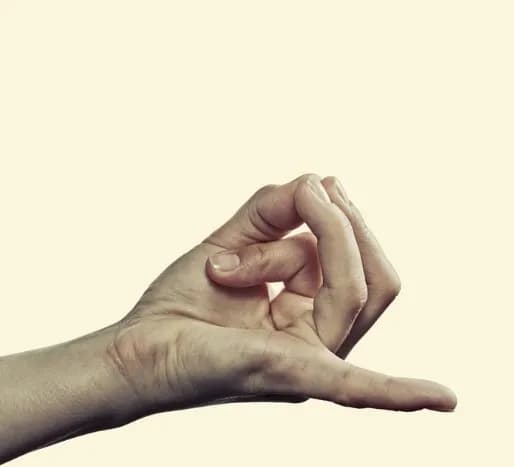
Apana Vayu Mudra: How to Practice and Its Benefits for Heart Health
Practice Apana Vayu Mudra with Habuild. Follow the heart gesture steps to support heart health, reduce palpitations, and calm the nervous system. Start today!
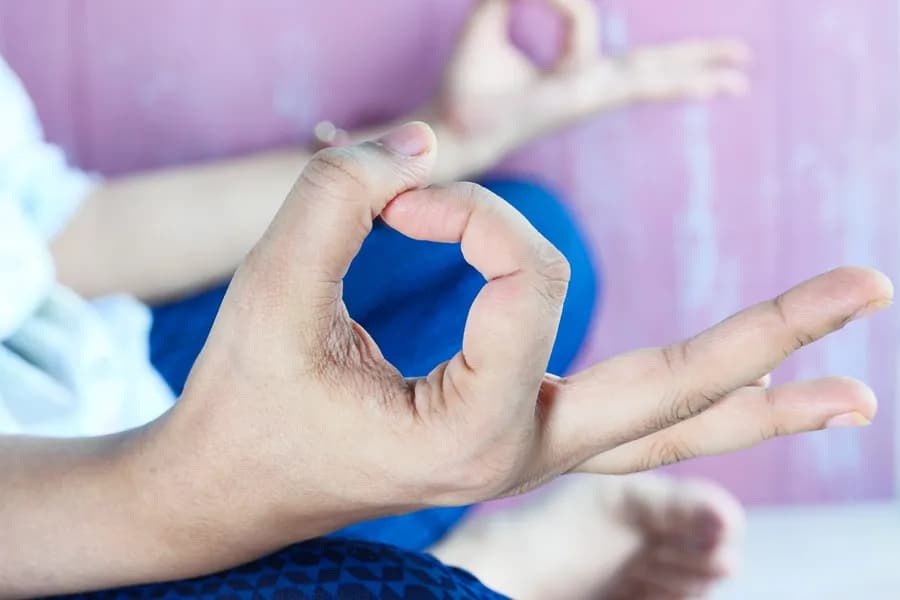
Gyan Mudra: How to Do It and Its Benefits for Focus and Memory
Practice Gyan Mudra with Habuild. Follow the wisdom hand gesture steps to improve focus, reduce anxiety, and enhance your meditation practice. Start today!
Prana Mudra: How to Practice and Its Life Energy Benefits
Practice Prana Mudra with Habuild. Follow the life force hand gesture steps to boost energy, strengthen immunity, and improve your eye health. Start today!