
Power Mudra (Shakti Mudra): Steps, Benefits & Precautions
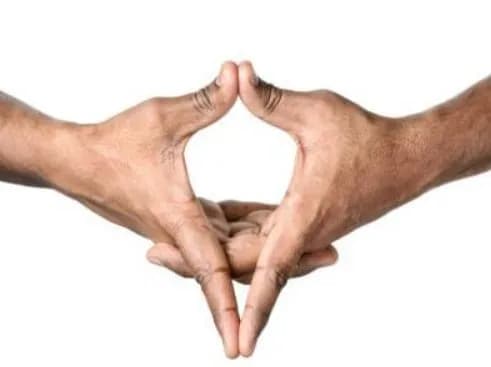
The ring and little fingers curl inward while the index and middle fingers interlock over the top, forming a compact gesture rooted in tantric tradition.
Key Takeaways
- Ring and little fingers curl inward while the index and middle fingers interlock over the top.
- Shakti translates to divine feminine energy, the primal force animating existence.
- Represents channeling the dormant Shakti energy said to lie coiled at the base of the spine.
- Unlike expansive, palm-outward mudras, this one deliberately draws awareness inward.
- Activates the parasympathetic branch, easing muscle tension across the shoulders and jaw.
- The ring and little fingers are energetically linked to the earth and water elements.
What is Power Mudra?
Power Mudra, known in Sanskrit as Shakti Mudra (pronounced “SHAK-tee MOO-draa”), is a sacred hand gesture rooted in the ancient tantric and yogic traditions of India. The word Shakti translates to divine feminine energy or primal life force — the very power that animates all of existence. In this mudra, the ring and little fingers of both hands curl inward while the thumbs rest tucked between the middle and ring fingers, and the index and middle fingers interlock over the top. The resulting gesture is compact, grounded, and deliberately inward-turned.
Visually, Power Mudra looks like two fists gently clasped together, yet it carries an energy that is anything but rigid. In classical yogic symbolism, it represents the channelling of dormant inner strength — the awakening of Shakti energy that lies coiled at the base of the spine. Unlike many expansive mudras that open the palms outward, this one draws awareness inward, making it a deeply contemplative gesture practiced during meditation and pranayama.
Within the broader yoga system, Power Mudra sits at the intersection of hasta mudras (hand gestures) and bandha-based practices. It is referenced in Tantric texts alongside seated meditation postures and is considered particularly effective when combined with slow, rhythmic breathing. For modern practitioners, it fits naturally into a morning yoga routine, a closing meditation, or a stress-relief session at the end of a demanding day. You can explore a wide range of yoga asanas that complement mudra practice as part of a holistic daily routine.
Power Mudra Benefits
Regular practice of Power Mudra, when held consistently for 15–30 minutes, may gradually support both physical vitality and emotional steadiness. Below are the key benefits, organised by domain.
Physical Benefits
- Benefit 1: Supports Deep Relaxation of the Nervous System Power Mudra activates the parasympathetic branch of the autonomic nervous system, helping the body shift out of a state of alertness into one of calm recovery. Practitioners who hold this mudra during slow breathing often notice a perceptible drop in muscle tension across the shoulders and jaw. Over weeks of consistent practice, this may contribute to a gradual improvement in how the body handles everyday physical fatigue.
- Benefit 2: May Aid in Regulating Sleep Rhythms Because Shakti Mudra is associated with calming excess Vata energy in Ayurvedic tradition, it is frequently recommended for those who find it hard to wind down at night. Practicing it for 10–15 minutes before bed, combined with slow exhalations, may gradually support more restful sleep patterns over time. This makes it a useful complement to restorative yoga and breathwork practices focused on evening calm.
- Benefit 3: Stimulates Pelvic and Reproductive Energy The ring and little fingers are energetically linked to the earth and water elements, which in yogic anatomy govern the lower abdomen and pelvic region. Consistent Power Mudra practice is traditionally said to support the balanced functioning of organs in this region. It is often used alongside restorative yoga poses for practitioners managing pelvic tension or hormonal irregularities, always as a complement to, not a replacement for, appropriate medical care.
Mental and Emotional Benefits
- Benefit 4: Channels Inner Strength and Reduces Feelings of Helplessness The hand position of Shakti Mudra creates a physical sense of containment and groundedness that can translate into a felt sense of inner power. Many practitioners report that even a brief 10-minute session leaves them feeling more centred and capable of handling challenges. Over time, this somatic experience of strength may gradually shift patterns of anxious or scattered thinking. Exploring the full range of mudras and their benefits deepens your understanding of how hand gestures shape mental states.
- Benefit 5: Sharpens Meditative Focus Power Mudra creates a subtle energy circuit between the two hands that helps anchor attention during meditation. Rather than letting the mind drift, the physical gesture provides a tactile reference point — a proprioceptive anchor that keeps awareness present. Practitioners who struggle with a wandering mind often find that this mudra, paired with Ujjayi breathing, makes sustained focus noticeably more accessible.
How to Do Power Mudra — Step-by-Step Instructions
Key Principles
Before forming the mudra, settle into a comfortable seated position — cross-legged on the floor or upright in a chair with your feet flat on the ground. Ensure your spine is long but not rigid. Rest your hands on your thighs with palms facing upward to begin. The mudra works best when the hands are relaxed, not gripped tightly. Approach the practice with patience: the value of this gesture accumulates through gentle, sustained presence.
Step 1: Starting Position
Sit comfortably with your eyes gently closed. Place both hands, open and relaxed, on your upper thighs with palms facing the ceiling. Take two or three natural breaths here to arrive fully in the practice. You should feel the weight of your hips sinking downward and your spine lengthening upward without strain.
Step 2: Curl the Ring and Little Fingers Inward
On both hands simultaneously, gently curl your ring finger and little finger inward so their tips rest in the centre of each palm. Do not press them tightly — the curl should feel soft and deliberate. You are beginning to gather energy inward rather than allowing it to dissipate outward through open fingers.
Step 3: Fold the Thumbs Over the Curled Fingers
Bring your thumbs to rest gently over the curled ring and little fingers, lightly holding them in place. The thumb tip should land approximately over the middle section of the ring finger. This creates a seal that is described in yoga texts as locking in the earth and water elements at their source.
Step 4: Interlock the Index and Middle Fingers
Now bring both hands together in front of your lower abdomen or lap. Interlock the index fingers of both hands with each other, and then interlock the middle fingers of both hands with each other as well. The two sets of curled fingers and thumbs sit comfortably between the two interlocked pairs. The gesture now looks like two hands clasped in a compact, symmetrical form.
Step 5: Final Position and Hold
Rest the completed mudra gently in your lap or hold it just below the navel. Keep your shoulders relaxed and your face soft. Hold the position for 15–30 minutes, breathing at a slow, even pace. There is no need to force anything — presence and consistency matter far more than duration in a single session.
Step 6: How to Come Out of Power Mudra
To release, first unclasp the index and middle fingers, then unfurl the ring and little fingers on each hand. Open your palms gently and let them rest face-up on your thighs for a breath or two. Take a quiet moment before opening your eyes to absorb the stillness of the practice before returning to activity.
Breathing in Power Mudra
The most effective breathing pattern for Shakti Mudra is a slow 4-count inhale through the nose, a brief natural pause, and a 6-count exhale through the nose. Extending the exhale slightly longer than the inhale further activates the calming parasympathetic response. Avoid Kumbhaka (breath retention) in this mudra, especially for beginners, as the inward-drawing energy of the gesture is already potent without added retention.
Preparatory Poses Before Power Mudra
Warming up the hands, hips, and lower back before settling into a long mudra hold makes the practice more comfortable and effective.
- Sukhasana (Easy Seated Pose): Opens the hips gently and establishes a stable, relaxed base for extended sitting.
- Vajrasana (Thunderbolt Pose): Grounds the practitioner in the lower body and quiets mental restlessness before meditation — an ideal foundation for mudra work.
- Balasana (Child’s Pose): Releases tension from the lower back and shoulders, helping the body arrive in a receptive, inward state before the mudra.
- Finger and wrist circles: Simple mobility work for the hands and wrists ensures comfort when holding the interlaced finger position for 15–30 minutes.
Variations of Power Mudra
Variation 1: Supported Shakti Mudra (Beginner Level)
Difficulty: Beginner — Instead of holding the mudra in the lap unsupported, rest both wrists on a folded blanket or on the thighs. This removes strain from the wrists and elbows for those new to extended mudra holds or those with wrist sensitivity. Everything else about the hand position remains identical. This is the recommended entry point for anyone just beginning mudra practice.
Variation 2: Reclining Shakti Mudra (Restorative Level)
Difficulty: Accessible to all levels — Form the mudra as described, then lie down in Savasana with the mudra resting on the lower abdomen. This variation is particularly effective as a bedtime practice for those using Power Mudra to support sleep, as the supine position deepens the parasympathetic response further than the seated version.
Variation 3: Shakti Mudra with Mula Bandha Engagement (Advanced Level)
Difficulty: Intermediate to Advanced — After forming the mudra and establishing a steady breathing rhythm, gently engage Mula Bandha (a subtle lift at the pelvic floor) on each inhale and release on each exhale. This variation amplifies the energetic effect of the mudra on the lower chakras and requires a stable pranayama foundation before attempting.
Common Mistakes to Avoid in Power Mudra
- Gripping the Fingers Too Tightly Many beginners clench the curled fingers or squeeze the interlocked digits as though holding something firmly. The mudra should feel like a gentle seal, not a fist. Excess tension in the hands defeats the calming purpose of the gesture and can cause hand cramping during longer holds.
- Slumping the Spine Once the hands are occupied forming the mudra, it is easy to let the upper body collapse forward or round the lower back. A slumped spine constricts the breath and breaks the energetic alignment the mudra is meant to create. Keep the crown of the head lifting gently upward throughout the practice.
- Holding the Mudra Too High on the Chest Power Mudra works in the energy field of the lower abdomen and pelvic region. Holding it up near the heart or chest shifts its focus away from the intended area. Rest it in the lap or just below the navel for best effect.
- Skipping the Settling Breath Before Beginning Rushing straight into the mudra without first establishing a calm breath makes the practice feel mechanical and transactional rather than meditative. Take at least two or three full, slow breaths before forming the gesture — this primes the nervous system to receive the mudra’s effect.
- Practising Immediately After a Heavy Meal Power Mudra draws energy inward and downward. Practicing it within 30 minutes of eating can create discomfort, particularly in the lower abdomen. Allow at least 45 minutes to an hour after meals before sitting in this mudra for extended periods.
- Expecting Immediate Results and Stopping Too Soon The effects of mudra practice are cumulative. A single session rarely produces dramatic change. The practitioner who sits with Power Mudra daily for three to four weeks is far more likely to notice meaningful shifts in sleep quality and inner steadiness than someone who tries it once or twice and moves on.
Who Should Practise Power Mudra?
- Those with Sleep Difficulty or Chronic Restlessness Power Mudra is among the most recommended mudras in classical texts specifically for those struggling to settle into rest. If your mind races at bedtime, or if you wake frequently through the night, a consistent 15-minute reclining Shakti Mudra practice before sleep may gradually support calmer evenings over time. It complements rather than replaces any medical or therapeutic care you may already have in place.
- Those Dealing with Stress, Anxiety, or Emotional Overwhelm The inward-drawing quality of this mudra makes it especially suited to those who feel scattered, overstimulated, or emotionally depleted. Practicing Power Mudra during a brief midday or evening pause can help re-anchor awareness in the body and create a felt sense of groundedness. Pairing it with yoga practices recommended for anxiety and stress management offers a more comprehensive approach to emotional steadiness.
- Is Power Mudra Good for Beginners? Yes — Power Mudra is one of the more accessible mudras for complete beginners because it requires no flexibility, no equipment, and no prior yoga experience. The hand position can be learned in under two minutes. Beginners are advised to start with 10-minute sessions and build toward 20–30 minutes over several weeks as comfort and familiarity grow.
- Working Professionals and Those with Sedentary Lifestyles For people who spend long hours at a desk or in front of screens, Power Mudra offers a low-effort reset that can be done seated in a chair. Even 10 minutes of this mudra with slow breathing during a work break can noticeably reduce accumulated mental tension and help restore a sense of composure before returning to tasks.
Make Power Mudra a Part of Your Life
Power Mudra — or Shakti Mudra — is a deceptively simple hand gesture with a meaningful depth of effect. You have learned what it is, where it comes from, how to form it correctly, the physical and emotional power mudra benefits it may offer through consistent practice, who it suits best, and how to avoid the most common errors that reduce its effectiveness.
Whether you are a complete beginner, someone managing sleep difficulty, or an experienced practitioner wanting to deepen your meditation, this mudra is accessible and adaptable. With the reclining and supported variations available, there is no physical barrier to starting today — and with live guidance, getting the fine details right becomes far easier than practising from text alone.
Mudras and Their Benefits — A Complete Guide Yoga for Anxiety — Poses and Practices That Help Yoga for Sleep — Calming Practices for Better Rest Vajrasana — The Seated Pose That Grounds Your Practice Pranayama Benefits — How Breathing Practices Transform Your Health
Frequently Asked Questions
Related Articles
Prana Mudra: How to Practice and Its Life Energy Benefits
Practice Prana Mudra with Habuild. Follow the life force hand gesture steps to boost energy, strengthen immunity, and improve your eye health. Start today!


Khechari Mudra: What It Is How to Practice and Its Longevity Benefits
Practice Khechari Mudra with Habuild. Follow the tongue lock steps to stimulate energy flow, reduce hunger, and deepen your meditation practice. Start today!
Surya Mudra: How to Practice and Its Benefits for Weight and Metabolism
Practice Surya Mudra with Habuild. Follow the sun element gesture steps to boost your metabolism, support weight management, and improve digestion. Start today!