
Khechari Mudra: What It Is How to Practice and Its Longevity Benefits
Practice Khechari Mudra with Habuild. Follow the tongue lock steps to stimulate energy flow, reduce hunger, and deepen your meditation practice. Start today!

Key Takeaways
- Full classical expression turns the tongue backward and upward into the nasal pharynx itself.
- The accessible entry form curls just the tongue tip to the hard-soft palate junction instead.
- Tongue-to-palate contact activates the vagus nerve through the palatoglossal arch directly.
- Reflex points stimulated here are linked to hypothalamic hunger-satiety centres specifically.
- Recommended as a supportive practice during fasting and intermittent fasting programmes.
- Described in the Hatha Yoga Pradipika, Shiva Samhita, and Gheranda Samhita as preserving amrita.
Khechari Mudra is an advanced yogic practice where the tongue curls backward to touch the soft palate or, in its full classical expression, turns upward into the nasal cavity. It activates the vagus nerve, reduces hunger, supports deep meditation, calms mental chatter, and is described in classical texts as one of the most powerful mudras for preserving vital energy and supporting the highest states of consciousness.
What is Khechari Mudra?
Khechari Mudra — the Sky-Walking Gesture — derives from Sanskrit: Khe meaning in the sky or space, Chari meaning one who moves or roams, and Mudra meaning seal or gesture. The name refers to the state of consciousness the practice cultivates — the practitioner’s awareness moving freely in the inner sky of consciousness, freed from the bondage of physical and mental limitation.
Khechari Mudra is one of the most revered and extensively discussed techniques in classical Hatha yoga — described in the Hatha Yoga Pradipika, the Shiva Samhita, and the Gheranda Samhita as among the most powerful mudras for preserving vital energy, conquering disease, and supporting the highest states of meditation. Its classical full expression — turning the tongue backward and upward into the nasal pharynx — is among yoga’s most advanced techniques. However, the accessible introductory form — curling the tongue tip to touch the junction of the hard and soft palate — is appropriate for all practitioners and produces meaningful benefits from the first session.
At Habuild, Khechari Mudra is taught within the advanced mudra and meditation curriculum — with the introductory soft-palate form as the standard practice and clear explanation of the classical tradition that distinguishes the accessible entry point from the advanced classical progression.
Khechari Mudra Benefits
Physical Benefits
- Activates the Vagus Nerve and Produces Parasympathetic Calming The tongue’s contact with the soft palate activates the vagus nerve through the palatoglossal arch — producing a reliable parasympathetic shift that reduces anxiety, lowers heart rate, and produces the nervous system calming that supports both meditation and restorative health. This vagal activation is the most directly accessible and immediately perceptible physical benefit of the introductory Khechari Mudra practice.
- Stimulates the Palate Reflex Points and Reduces Hunger The tongue’s contact with the soft palate activates specific reflex points associated with the hypothalamic hunger-satiety centres — producing a mild but reliable reduction in acute hunger that makes Khechari Mudra a supportive practice during fasting, intermittent fasting, and mindful eating programmes.
- Preserves Vital Energy — The Classical Amrita Benefit In the Hatha yoga tradition, the Bindu — the source of amrita (the nectar of consciousness) located at the back of the skull — is said to drip its vital essence downward. Khechari Mudra’s tongue-to-palate contact is described in classical texts as intercepting and preserving this nectar, redirecting the vital essence upward through the sushumna nadi to support higher consciousness, longevity, and vital energy preservation.
Mental and Emotional Benefits
- Deepens Meditation and Supports Advanced Consciousness States Khechari Mudra is specifically recommended in classical texts as a support for the deepest meditation states — the tongue position closes the throat slightly, reducing the automatic swallowing reflex and creating the internal stillness that very deep meditative absorption requires.
- Reduces Mental Chatter and Subvocalisation The tongue’s retroflexion activates the parasympathetic system in a way that specifically reduces the automatic verbal-mental activity associated with subvocalisation — many practitioners report a distinctive reduction in internal mental chatter when Khechari Mudra is maintained during meditation. This reduction in the inner voice quality of mental activity makes the practice uniquely valuable for meditators.
How to Do Khechari Mudra — Step-by-Step Instructions
Key Principles
Key Principles The introductory form has one governing principle: the touch is light and sustained — the tongue tip rests against the palate junction without muscular effort or strain. The practice is one of presence and subtle contact, not of muscular reaching. No tongue-stretching preparation is required for the introductory form, and none should be attempted without specific personal guidance.

Khechari Mudra — Step by Step Step 1: Seated Starting Position Sit in Sukhasana, Padmasana, or Vajrasana — spine erect, jaw completely relaxed. Take five natural breaths to settle the body and release any holding in the jaw and throat before establishing the tongue position.
Step 2: Relax the Jaw Completely Close the mouth gently. Allow the jaw to release completely — teeth slightly apart, facial muscles soft. Any jaw tension will interfere with the natural tongue retroflexion.
Step 3: Curl the Tongue Tip Backward Curl the tongue tip backward along the roof of the mouth — moving from the front teeth toward the back of the mouth. The tongue moves along the hard palate (the front, ridged surface) toward the junction where the soft palate begins.
Step 4: Rest at the Hard-Soft Palate Junction Rest the tongue tip at the junction between the hard palate (front, ridged) and the soft palate (back, smooth). This contact point is the introductory Khechari Mudra position. The touch is light — barely perceptible pressure.
Step 5: Hold Throughout the Practice Session Hold the tongue position throughout the pranayama or meditation session — releasing it naturally when swallowing is needed, then re-establishing gently. The tongue position is maintained continuously between breath cycles.
Step 6: Release and Transition At the end of the session, allow the tongue to return naturally to its resting position on the floor of the mouth. Swallow once and rest in natural jaw relaxation for two to three breaths before speaking or transitioning out of practice.
Breathing in Khechari Mudra
Khechari Mudra is practised alongside all pranayama breathing — the tongue position maintained between breath cycles and during the breath retention phases. It does not alter the breath mechanics itself but deepens the quality of inner stillness and vagal activation that the pranayama produces.
Preparatory Practices Before Khechari Mudra
These practices establish the physical and mental conditions that make Khechari Mudra most effective.
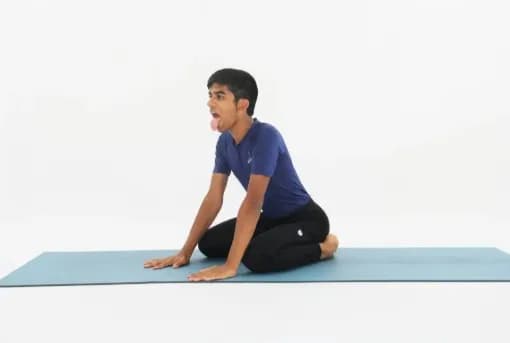
- Complete jaw relaxation practice (2 minutes) — Consciously releasing the jaw, massaging the masseter muscles, and allowing the face to soften before establishing the tongue position.
- Simhasana (Lion Pose) tongue extension (3-5 rounds) — Gently warms and increases awareness of the tongue musculature before retroflexion.
- Nadi Shodhana Pranayama (5 minutes) — Settles the nervous system into the parasympathetic state that makes the tongue contact most immediately perceptible.
Variations of Khechari Mudra
- Variation 1: Introductory Form — Tongue to Palate Junction (All Levels) The tongue tip rests at the hard-soft palate junction — safe for all practitioners, requires no preparation, and produces meaningful vagal activation and meditation-deepening benefits from the first session. This is the standard Habuild practice and the appropriate form for all practitioners indefinitely.
- Variation 2: Intermediate Form — Tongue to Full Soft Palate The tongue is brought to rest against the full length of the soft palate — deeper than the introductory form, requiring some tongue flexibility development through consistent practice of the introductory form over weeks.
- Variation 3: Classical Khechari — Full Expression (Advanced Only) The tongue turned upward into the nasal pharynx — the full expression described in classical texts, accessible only after extended specific preparation and under direct personal guidance. This form should never be attempted without specific qualified instruction and is not taught in general classes.
Common Mistakes to Avoid in Khechari Mudra
- Attempting the Advanced Classical Form Without Preparation The most important caution — attempting to force the tongue into the nasal cavity without the specific preparation described in classical texts risks injury to the frenulum and the palatopharyngeal structures. The introductory form is the appropriate practice for all practitioners and should be maintained until specific personal guidance authorises further progression.
- Tensing the Jaw or Clenching the Teeth Jaw tension and tooth clenching are the most common obstacles to establishing the introductory Khechari Mudra position. The jaw must be completely released — teeth slightly apart, masseter muscles soft — before and throughout the practice. Any tension in the jaw transfers to the tongue and prevents the natural retroflexion the practice requires.
- Expecting Immediate Dramatic Effects The introductory form’s vagal activation and meditation-deepening benefits accumulate progressively with daily practice over weeks. Practitioners who judge the practice after one or two sessions without establishing a consistent daily practice will miss the cumulative depth that sustained practice produces.
Who Should Practise Khechari Mudra?
- Advanced Pranayama and Meditation Practitioners Khechari Mudra is specifically recommended for practitioners who have established a complete pranayama and meditation practice and are seeking to deepen the quality of their inner stillness through the vagal activation and reduced subvocalisation that the tongue-to-palate contact produces.
- Those Seeking Appetite Regulation and Fasting Support The hunger-reducing effect of the palate reflex point activation makes Khechari Mudra specifically valuable for those working with fasting, intermittent fasting, and mindful eating programmes where appetite regulation is therapeutically relevant.
- Is Khechari Mudra Good for Beginners? The introductory soft-palate form is accessible to all practitioners — it requires no flexibility, no preparation, and no prior advanced practice. Beginners are encouraged to establish the introductory form during their first pranayama session and to maintain it consistently before considering any progression.
Make Khechari Mudra a Part of Your Daily Practice
Khechari Mudra is one of the most revered techniques in classical Hatha yoga — its tongue-to-palate contact delivering vagal activation, reduced mental chatter, and deeper meditative absorption in a practice that can be established immediately and maintained throughout every pranayama and meditation session indefinitely.
Whether you are establishing the introductory form for the first time or building toward the intermediate depth of full soft-palate contact, the consistent daily use of Khechari Mudra progressively deepens the quality of inner stillness and the vital energy conservation that classical texts describe as its most transformative effects.
The most effective way to learn Khechari Mudra correctly — with clear instruction distinguishing the safe introductory form from the advanced classical technique — is under live expert guidance with Habuild.
Start your 14 day free yoga journey with Habuild, today!
Related reads: Dhyana Mudra: How to Practice and Its Benefits for Meditation · Jnana Mudra vs Chin Mudra: Differences How to Practice and Benefits
Khechari Mudra is a subtle, advanced technique, and its more intense forms are traditionally taught under a teacher’s direct guidance rather than picked up from a page. If you’re drawn to what it offers — steadier energy, quieter hunger, deeper meditation — you can work toward those same effects more safely through consistent, guided daily practice. Habuild’s Yoga Everyday program is a good place to build that routine without needing to attempt the advanced tongue lock on your own.
Frequently Asked Questions
Related Articles

Dhyana Mudra: How to Practice and Its Benefits for Meditation
Practice Dhyana Mudra with Habuild. Follow the meditation hand gesture steps to calm the mind, deepen concentration, and support your daily practice. Start!


Chin Mudra: How to Practice and Its Benefits for Calm and Clarity
Practice Chin Mudra with Habuild. Follow the consciousness hand gesture steps to calm the mind, improve focus, and deepen your pranayama practice. Start today!

Gyan Mudra: How to Do It and Its Benefits for Focus and Memory
Practice Gyan Mudra with Habuild. Follow the wisdom hand gesture steps to improve focus, reduce anxiety, and enhance your meditation practice. Start today!