
Shiva Linga Mudra: Benefits, Steps, Sacred Meaning & Precautions
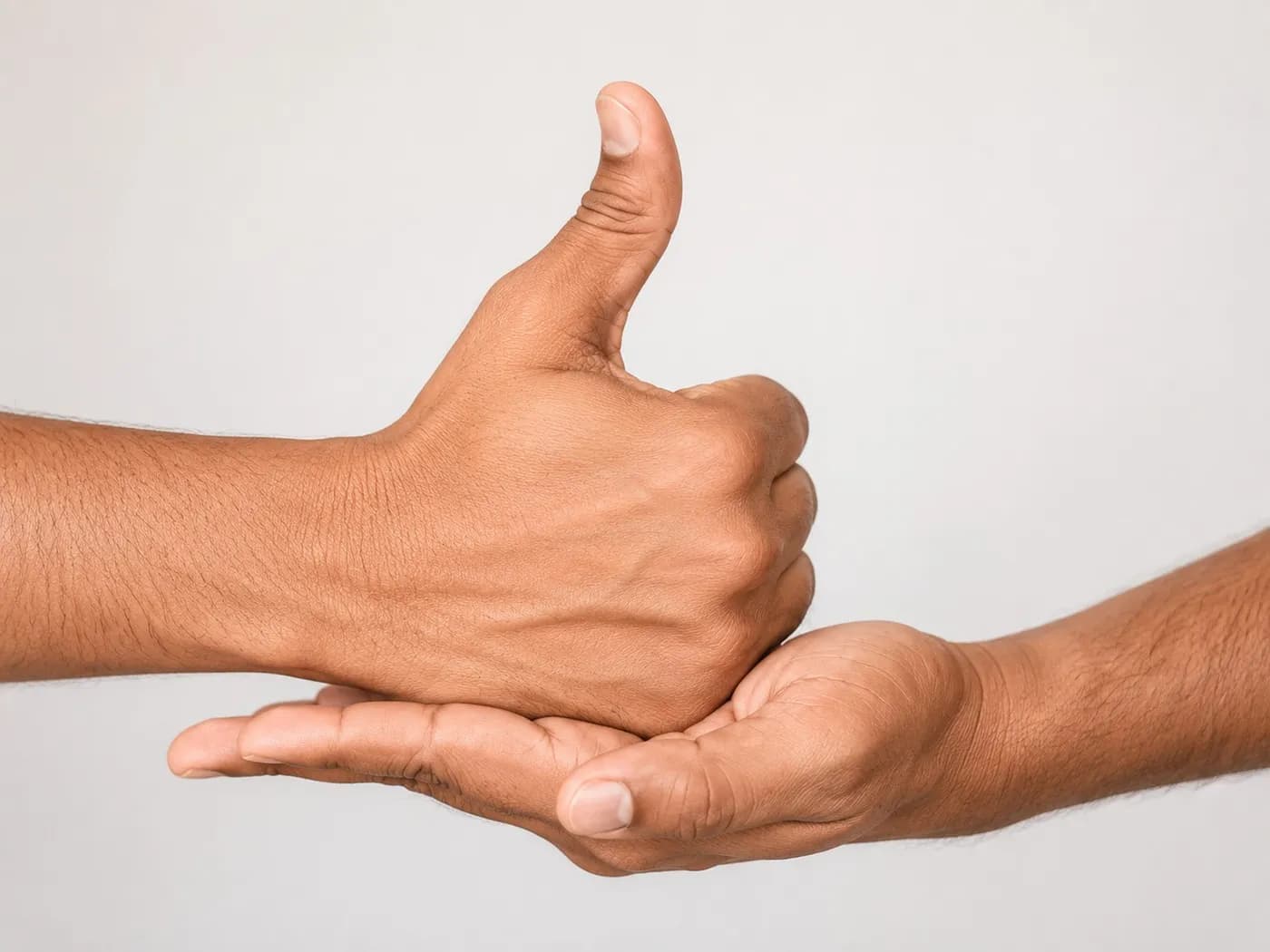
The right fist with thumb upright rests on the cupped left palm — the upright thumb representing the Shiva linga rising from the receptive womb of Shakti.
Key Takeaways
- The upright right-fist thumb represents Shiva; the cupped left palm represents Shakti.
- Associated in Mudra Vigyan with building ojas, the body’s most refined vital essence.
- Traditionally used to support stamina during recovery from fatigue or post-illness depletion.
- Often paired with the related Linga Mudra for a compounded vitality-building effect.
- Explicitly works alongside, never replacing, prescribed medical care for chronic depletion.
- Physically mirrors the symbolic union of pure consciousness and manifest creative energy.
What is Shiva Linga Mudra?
In tantric and Shaivite yogic traditions, the Shiva linga is one of the most ancient and meaningful symbols in Indian spirituality — representing the formless reality of Shiva (pure consciousness, the witness, the masculine principle) emerging within the womb of Shakti (manifest energy, the active force, the feminine principle). The mudra physically mirrors this profound symbolism in the practitioner’s own hands.
The gesture is formed with the right hand closed into a fist with the thumb extended upright, then placed on top of the left palm held cupped and facing upward. The right fist with the upright thumb represents the linga (Shiva); the cupped left palm represents the yoni (Shakti, the receptive base). When held with focused intention, the practitioner symbolically holds the universe’s foundational creative principle in their own hands.
In Mudra Vigyan (the science of mudras), shiva linga mudra is associated with the building of ojas — the Sanskrit term for the body’s most refined, vital essence — which underlies stamina, immunity, mental clarity and resilience. Many practitioners pair the mudra with the related warminglinga mudra for compounded vitality-building effect, since both share the upright-thumb symbolism though with different finger configurations.
Shiva Linga Mudra Benefits
The benefits of shiva linga mudra fall across stamina, immunity and spiritual integration — making it a uniquely complete daily practice.
Physical Benefits
1. Builds Stamina and Reduces Chronic Fatigue Daily 10–15 minute practice is associated in Mudra Vigyan with gradual building of physical stamina — particularly helpful for people recovering from chronic fatigue, post-illness depletion or stress-driven exhaustion.
2. Supports Immune Resilience The gesture is traditionally used to strengthen the body’s defence against recurring minor illnesses. Frequent colds, persistent low-grade tiredness and seasonal infections often respond well to consistent practice over weeks.
3. Generates Internal Body Heat Like the related linga mudra, shiva linga mudra has a gentle warming effect on the body — useful in winter and for people who feel chronically cold. Avoid prolonged practice in summer or fever phases for this reason.
4. Improves Circulation and Vitality The combination of focused breath, hand contact and inward attention has a settling parasympathetic effect that supports healthy circulation and the felt sense of “being alive” that vitality requires.
Mental and Spiritual Benefits
5. Cultivates Inner Strength and Centred Confidence The symbolic act of holding the linga-yoni union in your own hands quietly transmits a sense of being grounded, capable and self-sufficient. Practitioners often report increased confidence within weeks of daily practice.
6. Supports Devotional Practice for Shiva-Shakti Sadhana For practitioners working in the Shaivite, Kashmiri Shaivism or broader tantric traditions, this mudra is foundational devotional practice. Combine with structured yoga for stress management for full nervous-system support during longer sittings.
7. Integrates Masculine and Feminine Inner Principles At a psychological level, the mudra symbolises the integration of the assertive (Shiva) and receptive (Shakti) principles within the practitioner — a quietly powerful practice for emotional balance.
8. Deepens Meditation Sittings Many practitioners find that 10 minutes of shiva linga mudra at the start of a meditation session noticeably deepens the sitting that follows.
How to Do Shiva Linga Mudra — Step-by-Step Instructions
Key Principles
- The right thumb is active, extended firmly upright.
- The left palm is receptive, cupped to receive the right fist.
- Both hands held lightly at the level of the lower abdomen or solar plexus.
Step 1: Find a Comfortable Seat
Sit in sukhasana, vajrasana or on a chair with feet flat. Spine tall, shoulders soft, eyes gently closed.
Step 2: Position the Left Hand
Bring the left hand in front of the body at the level of the lower abdomen or solar plexus. The palm faces upward and is gently cupped — fingers curved slightly inward, like a small bowl.
Step 3: Form the Right Fist
Close the right hand into a soft fist. Extend the right thumb straight up, pointing toward the sky. The thumb should be firm but not strained.
Step 4: Place the Right Fist on the Left Palm
Rest the right fist on top of the cupped left palm — the bottom of the fist seated in the cup of the left hand, the upright thumb pointing upward.
Step 5: Hold at the Lower Abdomen or Solar Plexus
The combined gesture rests gently in front of the body, at navel level or slightly above. Elbows are soft, shoulders relaxed.
Step 6: Begin Slow Nasal Breathing
Inhale 4 counts, exhale 6 counts. With each inhalation, sense vital energy gathering at the gesture; with each exhalation, sense it integrating into the body.
Step 7: Hold and Observe
Stay for 10–15 minutes to start. Notice any subtle warmth, tingling or sense of inner steadiness.
Step 8: How to Come Out
Slowly release the fist. Place both palms over the lower abdomen for 30 seconds of quiet rest.
Breathing in Shiva Linga Mudra
Pair with slow diaphragmatic breath. Bhramari pranayama (humming bee breath) before the mudra is excellent for settling the mind. Avoid kapalbhati and bhastrika in summer or during fever.
Preparatory Practices Before Shiva Linga Mudra
A few minutes of preparation deepen the practice and prevent overheating:
- Drink a glass of room-temperature water — supports the warming gesture without creating dryness.
- Wrist and finger warm-ups — wrist circles, finger spreads, shake-outs (15 seconds total).
- 3 rounds of slow anulom vilom — balances the nostril airflow and prepares the nervous system.
- 5 rounds of bhramari pranayama — quiets the mind for inner attention.
Variations of Shiva Linga Mudra
Variation 1: Reversed Shiva Linga Mudra
Some practitioners reverse the hands — left fist with thumb upright resting on the right cupped palm. Both versions are valid; choose based on whether you want to emphasise the active (right) or receptive (left) energetic principle on a given day.
Variation 2: Shiva Linga Mudra with Mantra
Add a soft “OM Namah Shivaya” repetition with each exhalation. Deepens the devotional quality.
Variation 3: Shiva Linga Mudra in Heart-Centre Position
Hold the formed gesture at heart-centre rather than at the lower abdomen. Useful when the practitioner wants to emphasise emotional integration over stamina building.
Common Mistakes to Avoid in Shiva Linga Mudra
- Letting the right thumb collapse — the upright thumb is the Shiva principle of the gesture. Without it firmly extended, the symbolism breaks.
- Pressing the right fist down hard — the fist rests on the left palm, not crushes into it. Light contact only.
- Practising for prolonged periods in summer or during fever — the gesture is mildly warming. In hot weather, limit to 10 minutes once daily; avoid entirely during active fever.
- Hunching the shoulders forward — closes the chest and undoes the gesture’s vitality-building effect.
- Holding the breath while concentrating — common during the precise hand placement. Keep the breath flowing slow and steady.
- Approaching shiva linga mudra as just a hand position — the symbolic depth is part of what makes the practice work over months. Hold the meaning, not just the form.
Who Should Practise Shiva Linga Mudra?
- People Recovering from Chronic Fatigue or Post-Illness Depletion The vitality-building quality of the gesture makes it particularly well-suited to convalescence. Held for 10–15 minutes daily, it supports gradual return to baseline energy.
- People with Recurring Low Immunity and Frequent Minor Illnesses Daily off-season practice (in the months before cold-and-flu season) builds resilience.
- Devotional Practitioners in Shaivite or Tantric Traditions Foundational gesture for many Shiva-focused sadhanas and Kashmiri Shaivism practices. Approach the practice through your tradition’s specific framework. Many practitioners explore the broader topic through resources onmudras and benefits before settling into a regular shiva linga practice.
- People Seeking to Build Centred Confidence and Inner Strength The psychological dimension of holding the linga-yoni union in your own hands quietly transmits a sense of capability over weeks of daily practice.
- People with Chronically Cold Hands and Feet (Outside Summer) The warming effect supports peripheral circulation in winter months. Combine withyoga asanas work that builds core warmth and circulation for full effect.
- Is Shiva Linga Mudra Good for Beginners? Yes. No prior yoga or devotional experience needed. The hand position is intuitive within 2–3 attempts, and the gesture itself is gentle.
Tantric hand gestures like Shiva Linga mudra are traditionally practised over a sustained period rather than once, and for good reason — whatever shift in energy and vitality practitioners describe tends to follow careful repetition, not a single sitting. If you’re drawn to this kind of practice, building it into a daily rhythm alongside meditation is the more traditional and more effective route. Habuild’s Yoga Everyday program offers the guided daily structure this kind of practice benefits from.
Frequently Asked Questions
Related Articles
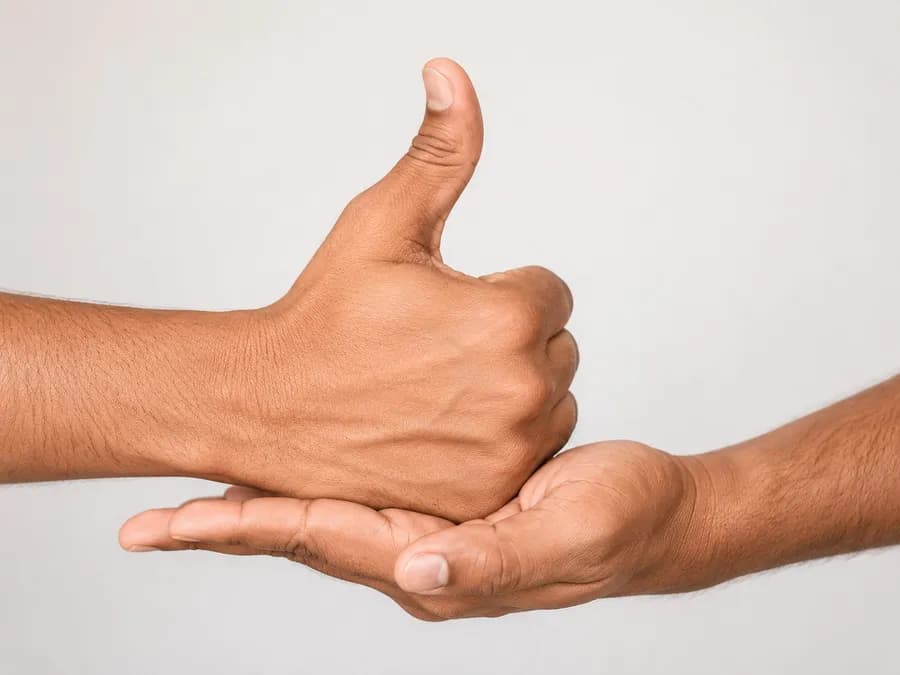
Shiva Mudra (Gesture of Lord Shiva): Steps, Benefits and Precautions
Forming the Shiva Linga gesture with both hands activates the energy of transformation and inner stillness, supporting deep meditation. See the steps,

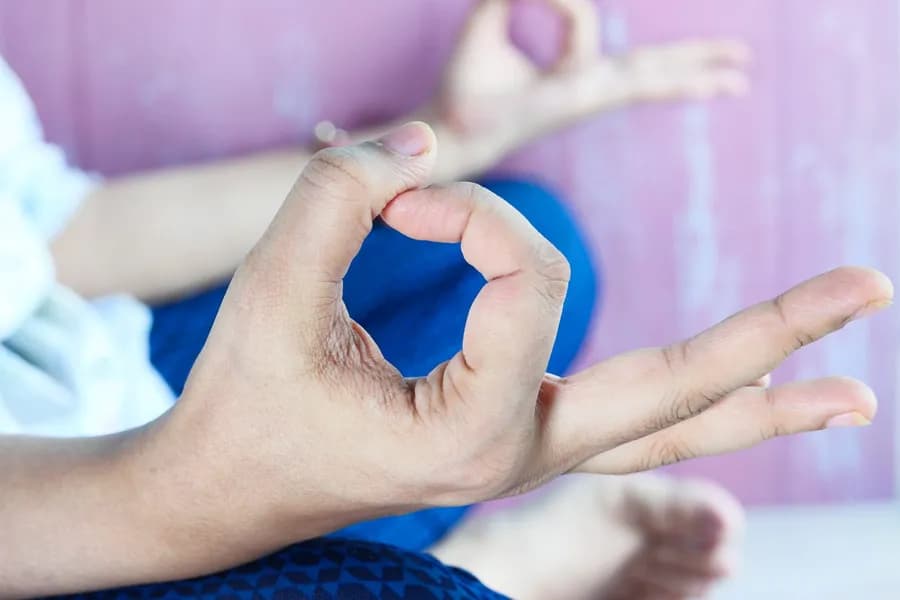
Gyan Mudra: How to Do It and Its Benefits for Focus and Memory
Practice Gyan Mudra with Habuild. Follow the wisdom hand gesture steps to improve focus, reduce anxiety, and enhance your meditation practice. Start today!
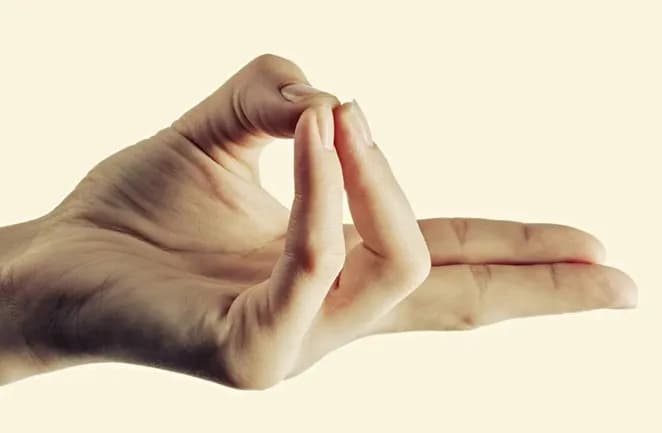
Prana Mudra: How to Practice and Its Life Energy Benefits
Practice Prana Mudra with Habuild. Follow the life force hand gesture steps to boost energy, strengthen immunity, and improve your eye health. Start today!