
Urdhva Prasarita Padasana (Upward Extended Feet Pose): Steps, Benefits & Precautions
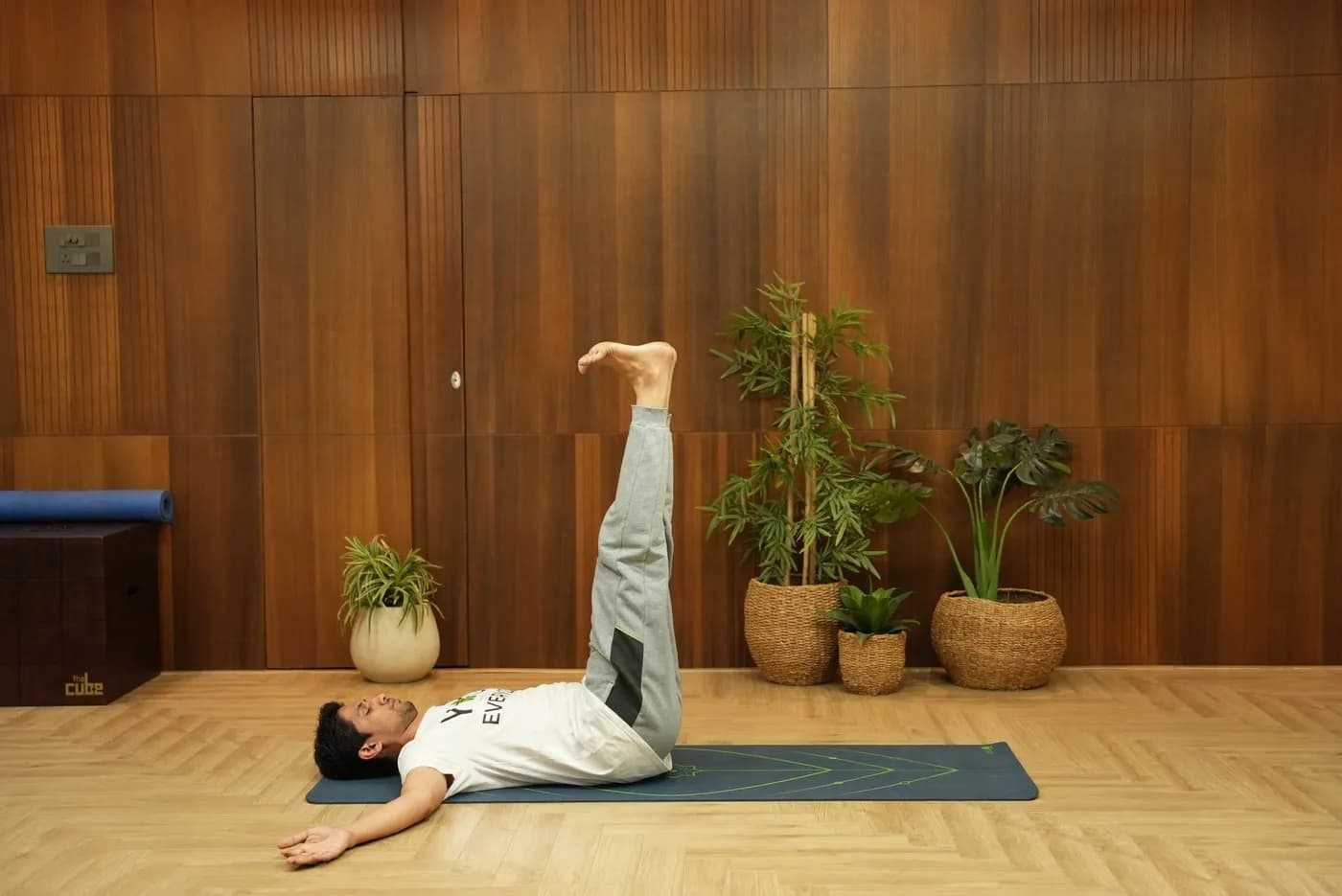
Lying on the back and extending both legs straight upward toward the ceiling creates a 90-degree angle at the hips while the spine presses flat against
Key Takeaways
- Creates a 90-degree hip angle with legs extended skyward while the spine stays flat on the mat.
- B.K.S. Iyengar particularly emphasised its value for abdominal toning and spinal protection.
- Often taught as preparation for Sirsasana and Sarvangasana, building the core they require.
- Engages the rectus abdominis intensely without the spinal compression that crunches produce.
- Multiple leg-angle variations let practitioners adjust difficulty as strength develops.
- Targets lower abdominal and hip flexor coordination that many other core poses miss.
What is Urdhva Prasarita Padasana?
Urdhva Prasarita Padasana, pronounced OORD-vah prah-sah-REE-tah pah-DAH-sah-nah, derives from four Sanskrit words: ‘urdhva’ meaning upward, ‘prasarita’ meaning extended or stretched out, ‘pada’ meaning feet or legs, and ‘asana’ meaning pose. The English translation is Upward Extended Feet Pose — a supine core-strengthening posture where the practitioner lies on the back and extends both legs straight upward toward the ceiling, creating a 90-degree angle at the hips while keeping the spine pressed flat against the mat.
The pose carries the symbolic meaning of upward extension and core integrity in classical yoga — the legs reaching skyward represent both physical engagement and an upward orientation of energy. Documented in Iyengar’s Light on Yoga and referenced in numerous Hatha yoga texts, Urdhva Prasarita Padasana has been practised for centuries as a foundational core-strengthening pose. B.K.S. Iyengar particularly emphasised its value for abdominal toning and spinal protection. The pose is often taught as preparation for more demanding inversions like Sirsasana (Headstand) and Sarvangasana (Shoulder Stand) because it builds the deep core engagement these inversions require.
In the broader yoga system, Urdhva Prasarita Padasana belongs to the family of supine core-strengthening practices alongside Navasana variations and Pawanmuktasana series. It is typically practised in the strength-building phase of a yoga sequence after warm-up but before deeper backbends or inversions, and serves as both a strengthening practice in its own right and as preparation for more demanding poses. The pose is considered beginner-to-intermediate, with multiple variations that adjust difficulty based on leg angle.
Urdhva Prasarita Padasana Benefits
Physical Benefits
Benefit 1: Strengthens the Deep Core and Abdominal Muscles
The Upward Extended Feet Pose directly engages the rectus abdominis, transverse abdominis, and hip flexors through sustained isometric demand — building the deep core strength that healthy spine function and athletic capacity depend on. The supine position with legs extended creates intense abdominal engagement without the spinal compression that crunches produce. Members focused on broader core development often pair their practice with ouryoga for core strength programme.
Benefit 2: Tones the Lower Abdomen and Strengthens Hip Flexors
Beyond general core strength, the urdhva prasarita padasana benefits include specific lower abdominal toning that other poses don’t directly target. The hip flexors and lower abdominals must work in coordination to maintain the leg position, addressing the lower-belly area that stubbornly resists toning through traditional core exercises. Members focused on broader abdominal toning often pair their training with ouryoga for abs programme.
Benefit 3: Stretches the Hamstrings and Improves Lower Back Health
While primarily a strengthening pose, Urdhva Prasarita Padasana also stretches the hamstrings and decompresses the lower back through the supine position. The pose teaches the body to engage the abdominals in coordination with hip flexion — the exact pattern that protects the lumbar spine during daily activities and athletic movement. Members focused on broader back support often pair their practice with ouryoga for back pain programme.
Benefit 4: Stimulates Digestive Function
The combined abdominal engagement and supine position gently stimulates digestive organs through controlled compression — supporting healthy digestion, gas release, and the metabolic activation that core practice produces. The pose is particularly beneficial when practised on an empty stomach.
Mental and Emotional Benefits
Benefit 5: Builds Mental Endurance and Discipline
The sustained isometric demand of Upward Extended Feet Pose requires mental endurance — particularly during longer holds when the abdominals begin to fatigue. The discipline developed translates directly to other challenging poses and life situations requiring sustained effort under discomfort. The pose is a practical training ground for mental resilience.
Benefit 6: Improves Body Awareness and Movement Confidence
The precise alignment requirements of Urdhva Prasarita Padasana — flat lower back, engaged core, vertical legs — develop the proprioception and body awareness that translate to better movement quality throughout daily life. Members focused on broader weight management often pair their work with ouryoga for belly fat programme.
How to Do Urdhva Prasarita Padasana — Step-by-Step Instructions
Key Principles
Three foundational principles must guide Urdhva Prasarita Padasana practice: keep the lower back pressed flat against the mat throughout (the most important alignment cue); engage the deep core powerfully to protect the lumbar spine; and breathe steadily — never hold breath during the engagement phase. If the lower back lifts off the mat, the pose has exceeded your current capacity.
Step 1: Starting Position (Supine Setup)
Lie flat on your back on the mat. Place the arms beside the body with palms pressed gently into the floor. Bend the knees and place the feet flat on the mat near the buttocks. Take three deep diaphragmatic breaths to centre.
Step 2: Engaging the Core and Lifting the Legs to Bent-Knee Position
Engage the deep core powerfully — drawing the navel toward the spine. Lift both legs into a bent-knee position with thighs perpendicular to the floor and shins parallel to the floor (tabletop legs). Hold here for one breath while ensuring the lower back stays flat against the mat.
Step 3: Extending the Legs Upward to Vertical
Slowly straighten both legs upward toward the ceiling, creating a 90-degree angle at the hips. The legs should be perpendicular to the floor with the lower back still pressed flat against the mat. Maintain steady core engagement throughout this transition.
Step 4: Refining the Final Alignment
In the final position, ensure the legs are straight (knees soft but not locked), feet are flexed (toes pointing toward the face), the lower back is firmly pressed into the mat, and the arms remain relaxed beside the body. Engage the core continuously — never let the lower back lift.
Step 5: Holding the Pose
Hold for 30–60 seconds initially, building to 1–2 minutes as core strength develops. Focus on steady breath, sustained core engagement, and the felt sense of the abdominal muscles working. If the lower back begins to lift or breath becomes ragged, exit the pose immediately.
Step 6: How to Come Out of Urdhva Prasarita Padasana
To exit, slowly bend the knees back to tabletop position, then carefully lower the feet to the mat. Avoid dropping the legs straight to the floor — this produces uncontrolled lumbar stress. Pause in supine position with knees bent for 30 seconds before continuing practice. Hug the knees to the chest in Apanasana for gentle release.
Breathing in Urdhva Prasarita Padasana
Maintain steady diaphragmatic breath throughout the pose. Inhale during the leg lift transitions; exhale to deepen core engagement during the hold. Avoid breath-holding which limits performance and increases lumbar stress. The breath should be smooth and audible — if it becomes ragged or stops, the pose is too intense.
Preparatory Poses Before Urdhva Prasarita Padasana
Preparation matters because Urdhva Prasarita Padasana requires foundational core engagement and hamstring flexibility.
Apanasana (Knees-to-Chest Pose)
Activates the deep core gently and warms the abdominal muscles before the demand of the full pose.
Setu Bandha Sarvangasana (Bridge Pose)
Builds the glute and core integration that supports the supine engagement Urdhva Prasarita Padasana requires.
Pavanamuktasana (Wind-Releasing Pose)
Gently engages the core and digestive system while preparing the body for sustained supine work.
Cat-Cow (Marjaryasana-Bitilasana)
Warms the spine and establishes the breath-movement coordination essential for the focused core work ahead.
Variations of Urdhva Prasarita Padasana
Variation 1: Bent-Knee Variation (Beginner)
Difficulty: Beginner What changes: legs are held in tabletop bent-knee position rather than fully extended. This significantly reduces the abdominal demand while teaching the alignment pattern and core engagement that the full pose requires. The recommended starting variation for beginners building toward the full extension.
Variation 2: Single-Leg Variation (Eka Pada)
Difficulty: Beginner-Intermediate What changes: only one leg is extended upward while the other foot remains on the mat. This unilateral variation reduces total demand by approximately half and allows progressive building of core strength on each side independently. Hold each side for the full duration before switching.
Variation 3: Pulsing Variation with Lower-and-Lift (Intermediate)
Difficulty: Intermediate What changes: from the full extended position, the legs slowly lower toward the mat (without touching) and lift back to vertical. This adds dynamic abdominal demand to the static hold, intensifying the core challenge. Perform 8–12 repetitions slowly with maintained back contact.
Variation 4: Supported Variation with Bolster (All Levels)
Difficulty: All Levels with Props What changes: a folded blanket or yoga block is placed under the sacrum, providing support that allows longer holds with reduced lumbar demand. Particularly valuable during early practice or for those with lower back sensitivity.
Common Mistakes to Avoid in Urdhva Prasarita Padasana
- Mistake 1: Allowing the Lower Back to Lift off the Mat The most dangerous error in Urdhva Prasarita Padasana — when core engagement is insufficient, the lower back lifts off the mat as the legs extend, transferring stress from abdominals to the lumbar spine. The correction: keep the lower back pressed firmly into the mat at all times; if it lifts, bend the knees slightly or use the bent-knee variation until core strength develops.
- Mistake 2: Holding Breath During Engagement The intense abdominal demand often causes practitioners to unconsciously hold breath — defeating the diaphragmatic engagement that the pose actually develops and increasing intra-abdominal pressure dangerously. The correction: maintain steady audible breath throughout; if breath becomes shallow or stops, the pose has exceeded current capacity.
- Mistake 3: Locking the Knees in Hyperextension Some practitioners lock the knees fully in an attempt to keep the legs straight, producing harmful hyperextension that stresses the joint capsule. The correction: keep the knees soft (slightly micro-bent) rather than locked; this maintains leg integrity without joint stress.
- Mistake 4: Dropping the Legs Quickly During Exit Many practitioners exit by simply releasing the legs to drop toward the floor — producing uncontrolled lumbar extension and potential injury. The correction: always exit by bending the knees first to tabletop position, then lowering the feet to the mat with control. Never drop straight legs to the floor.
- Mistake 5: Practising on a Full Stomach Urdhva Prasarita Padasana involves significant abdominal compression — practising on a full stomach causes discomfort, potential reflux, and limits the pose’s effectiveness. The correction: practise on an empty stomach (2+ hours after a substantial meal) for both safety and benefit.
Who Should Practise Urdhva Prasarita Padasana?
- Those Building Core Strength and Stability The audience this pose serves best — practitioners building functional core strength for daily activities, sport, or other yoga practice. The pose builds the deep core that protects the spine and supports athletic capacity across many disciplines.
- Is Urdhva Prasarita Padasana Good for Beginners? Yes — with the bent-knee variation. Pure beginners can start with Variation 1 (bent-knee tabletop legs) and build progressively. Most beginners can transition to the full extended position within 4–6 weeks of consistent practice. Modifications make the pose accessible from day one.
- Working Professionals with Weak Core from Sitting Adults whose core strength has weakened from prolonged seated lifestyles benefit dramatically from regular Urdhva Prasarita Padasana practice. The pose directly addresses the weak deep core that drives most sedentary-lifestyle back pain and postural issues. The pose is time-efficient — meaningful core engagement in just 1–2 minutes daily.
- Intermediate Practitioners Preparing for Inversions Practitioners working toward Sirsasana (Headstand) and Sarvangasana (Shoulder Stand) benefit from Urdhva Prasarita Padasana as foundational preparation. The deep core engagement the pose builds is exactly the engagement these inversions require. The pose is essential preparatory work for safe inversion practice.
Core strength built through Urdhva Prasarita Padasana comes the way core strength always does — through repeated, controlled effort over time, not a single set of leg lifts. Adding it to a regular core routine, and lowering the legs only as far as your lower back allows, is what makes the strengthening effect real and lasting. Habuild’s Yoga Everyday program can help you keep core work like this consistent.
Frequently Asked Questions
Related Articles
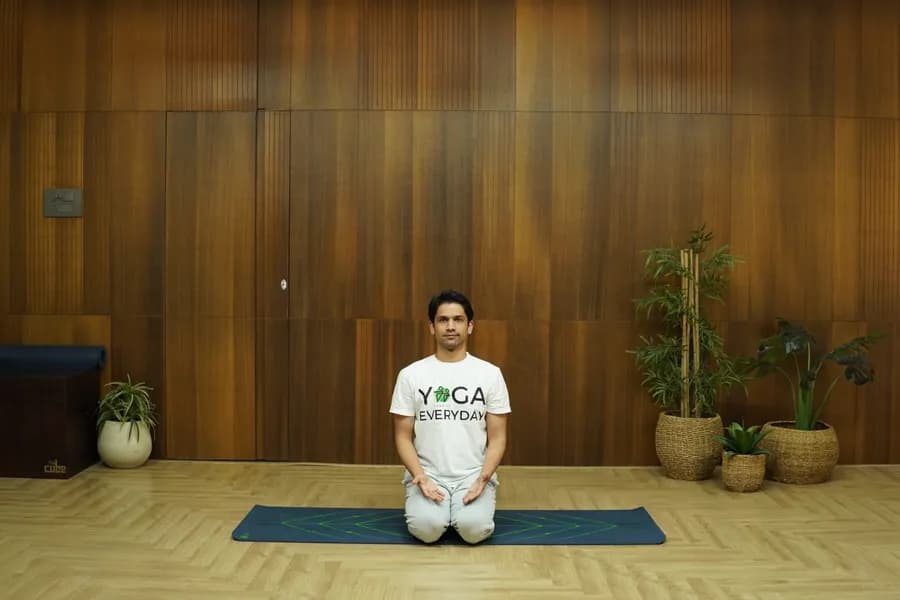
Vajrasana: How to Do It Benefits and Precautions
Practice vajrasana pose with Habuild. Try vajrasana to ease digestion, reduce back pain, and calm your mind. Ideal for all levels. Start your session today!

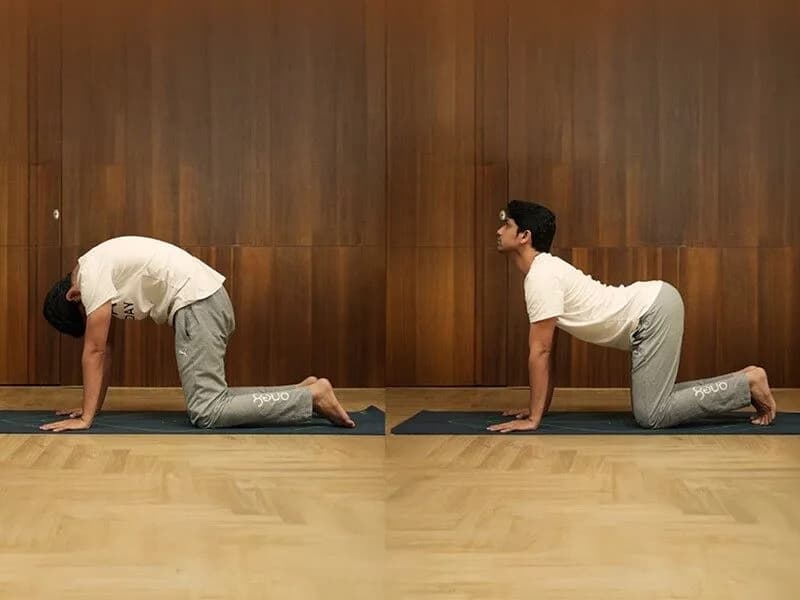
Chakravakasana (Ruddy Goose Pose): Steps, Benefits and Precautions
This four-point kneeling anti-rotation exercise builds lumbar stability and shoulder alignment, named after the ruddy shelduck of Hindu mythology. See the steps, benefits, and precautions.
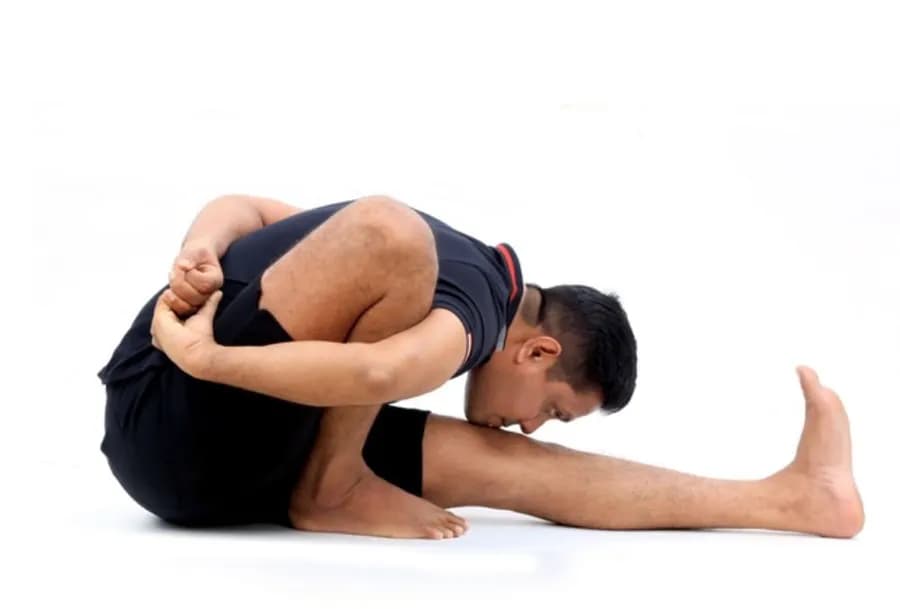
Marichyasana a (Sage Marichi’s Pose a): Steps, Benefits and Precautions
The first of four Marichi poses, this seated forward fold with one knee bent and an arm wrapped behind the back establishes the base that the more complex C and D variations build upon. See the steps, benefits, and precautions.