
Vajrasana: How to Do It Benefits and Precautions
Practice vajrasana pose with Habuild. Try vajrasana to ease digestion, reduce back pain, and calm your mind. Ideal for all levels. Start your session today!
Key Takeaways
- One of the very few yoga postures that should specifically be practised right after eating.
- Sitting 5-10 minutes post-meal activates the vagus nerve to support gastric motility.
- Post-meal digestive effects are compared to those of a gentle walk after eating.
- Kneeling compression is said to mechanically stimulate digestive meridians directly.
- Blood circulation redirects from the lower legs toward the abdominal region while seated.
- Progressively strengthens the muscles surrounding the knee joint over weeks of practice.
Vajrasana is a kneeling seated posture that improves digestion, stimulates peristalsis, and activates the parasympathetic nervous system. Uniquely suited to practice after meals, it also builds knee and lower body strength and provides one of yoga’s most stable foundations for meditation and pranayama. Accessible to all ages and fitness levels.
What is Vajrasana?
Vajrasana — known in English as Thunderbolt Pose or Diamond Pose — is one of the most accessible and therapeutically powerful seated postures in all of yoga. The name comes from Sanskrit: Vajra meaning diamond or thunderbolt, and asana meaning posture. Unlike most yoga postures, which must be avoided immediately after eating, Vajrasana is unique: it is one of the very few yoga postures that can and should be practised after meals — making it an essential component of any daily wellness routine.
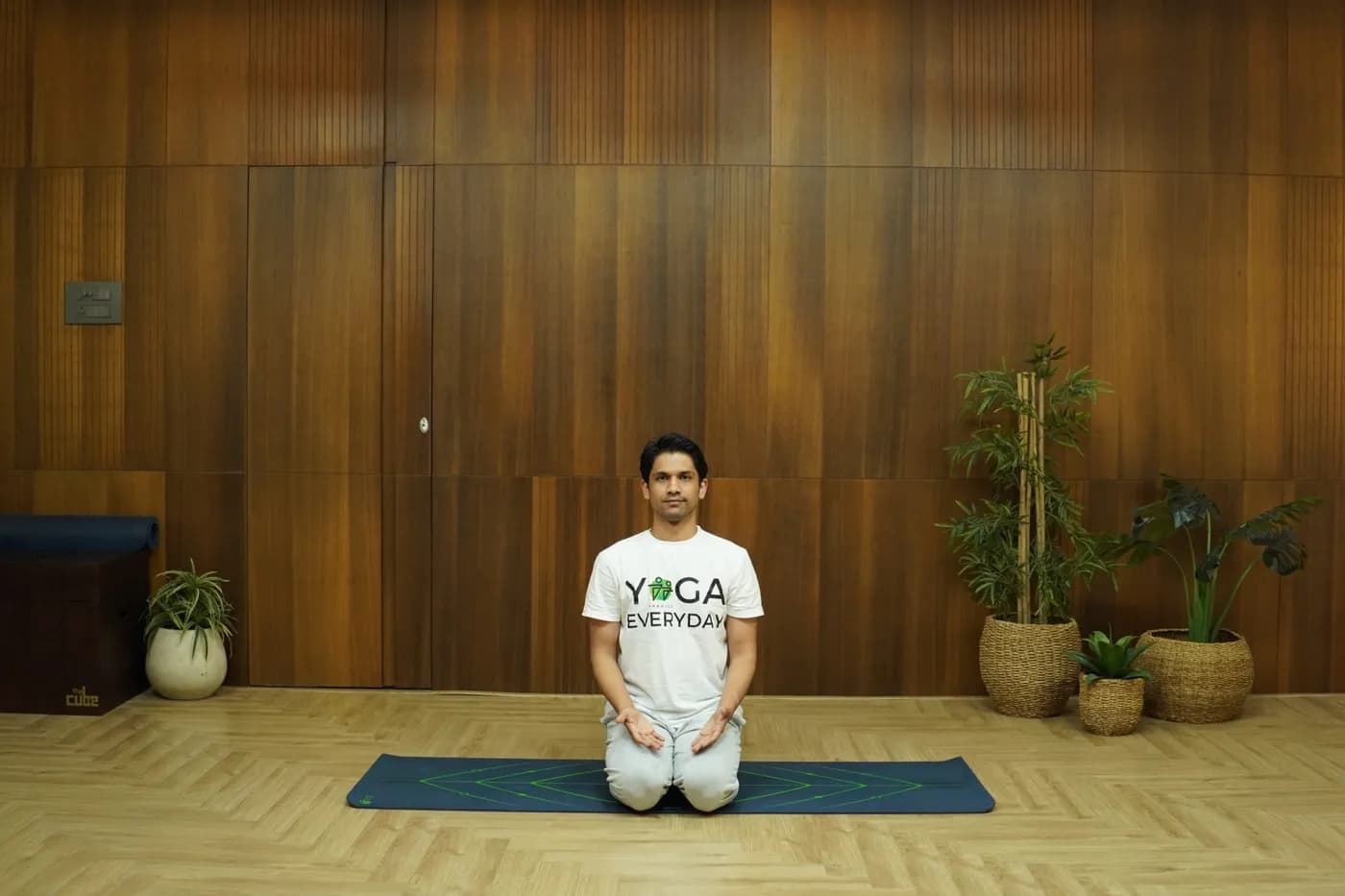
Vajrasana is a kneeling seated posture in which the practitioner sits back on the heels with the spine upright, hands resting on the thighs, and the body in a state of still, composed awareness. Deceptively simple in appearance, Vajrasana exerts a profound influence on the digestive system, the lower body, and the mind.
At Habuild, Vajrasana is a foundational component of every daily session — practised for its unmatched digestive benefits, its role in calming the nervous system, and its deep accessibility to practitioners of every age and fitness background.
Vajrasana Benefits
Physical Benefits
- Improves Digestion and Relieves Digestive Discomfort Vajrasana for digestion is one of its most widely recognised and well-supported benefits. When seated in Vajrasana, blood circulation is naturally redirected from the lower legs toward the abdominal region — increasing digestive enzyme activity, enhancing peristalsis, and supporting the efficient movement of food through the digestive tract. The direct compression of the digestive meridians through the kneeling position adds a mechanically specific stimulation that no other seated posture replicates.
- Benefits of Vajrasana After Meals The benefits of Vajrasana after meals are both immediate and cumulative. Sitting in Vajrasana for five to ten minutes after eating activates the vagus nerve, supports gastric motility, and prevents the sluggishness and acid reflux that sedentary sitting or lying down after meals typically causes. Research suggests its post-meal digestive and metabolic effects are comparable to those of a gentle post-meal walk — making it an invaluable alternative for those who cannot walk immediately after eating.
- Strengthens the Knees, Ankles, and Lower Body Consistent Vajrasana practice progressively strengthens the muscles surrounding the knee joint, improves ankle flexibility, and tones the quadriceps, hamstrings, and calf muscles. This lower body conditioning develops naturally over weeks of daily practice.
Mental and Emotional Benefits
- Calms the Mind and Reduces Stress Vajrasana activates the parasympathetic nervous system through the gentle compression of the lower limbs and the natural encouragement of an upright, still posture. Practitioners consistently report a rapid reduction in mental agitation, restlessness, and anxiety within just minutes of settling into the pose. Even five minutes of quiet Vajrasana breathing shifts the nervous system away from stress activation and into calm, present-moment awareness.
- Foundation for Meditation and Pranayama Vajrasana is one of the few postures that provides a stable, sustainable seat for extended meditation and pranayama practice. The naturally upright spine supports alert, wakeful awareness without the hip discomfort of cross-legged sitting. It is the preferred meditation seat across multiple yoga and Buddhist traditions precisely because it maintains physical alertness while encouraging mental stillness.
How to Do Vajrasana — Step-by-Step Instructions
Key Principles
Key Principles Vajrasana is built on three principles: weight distributed evenly across both heels — no favouring of one side; spine actively lengthened upward throughout the hold rather than allowed to collapse as time passes; and breath remaining natural and diaphragmatic — the posture calms rather than constricts the breath.
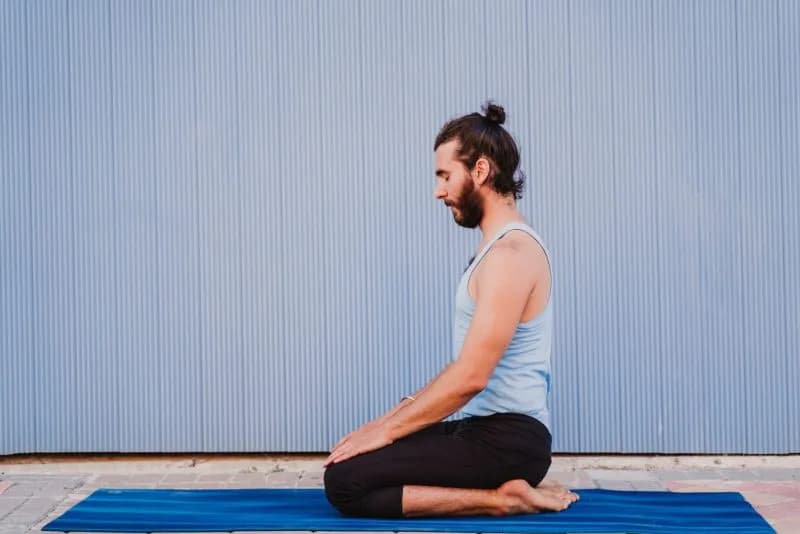
Vajrasana — Step by Step Step 1: Kneel on the Mat Kneel with both knees together and the tops of the feet flat on the floor, toes pointing backward. Place a folded blanket under the knees if there is any kneecap discomfort.
Step 2: Lower the Hips onto the Heels Lower the hips back and down, sitting gently onto the heels. The big toes may touch or overlap slightly, and the sitting bones rest evenly on both heels.
Step 3: Rest the Hands on the Thighs Rest the hands palm-down on the thighs, just above the knees. Allow the arms to relax fully and the shoulders to drop away from the ears.
Step 4: Lengthen the Spine Lengthen the spine upward — the crown of the head lifting toward the ceiling, the shoulder blades drawing gently together and down, and the chest opening forward.
Step 5: Final Position and Hold Soften the face, close the eyes, and breathe naturally through the nose. Hold for two to ten minutes, or longer as the practice develops. After meals, five minutes is the recommended minimum.
Step 6: How to Come Out of Vajrasana Place the hands on the floor beside the knees for support. Rise up onto the knees and gently extend one leg at a time into a comfortable seated or standing position. Pause for one to two breaths after the release.
Breathing in Vajrasana
Natural, relaxed diaphragmatic breathing accompanies Vajrasana. The upright spine and open chest naturally facilitate full abdominal breathing. Those practising Vajrasana for digestive support may benefit from slow abdominal breathing — the belly expanding on each inhale, softly releasing on each exhale — to amplify the vagal activation that the posture produces.
Preparatory Poses Before Vajrasana
These practices warm the ankles, knees, and hips before sustained Vajrasana holds.
- Ankle circles (both directions, 10 each) — Warms the ankle joints before the sustained dorsiflexion that Vajrasana requires.
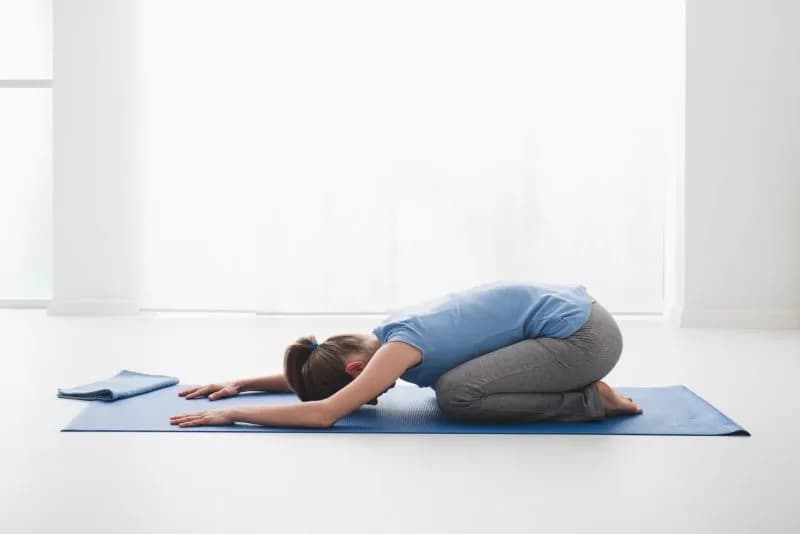
- Balasana (Child’s Pose) — Stretches the tops of the feet and gently opens the knees before the kneeling posture.
- Cat-Cow (5 rounds) — Warms the spine before the sustained upright extension of the Vajrasana hold.
- Gentle quadriceps stretch (each side) — Prepares the front of the thigh and knee for the kneeling position’s sustained demand.
Variations of Vajrasana
- Variation 1: Vajrasana with Bolster — Beginner Support Placing a folded blanket or yoga bolster between the thighs and heels reduces the knee flexion demand significantly — making Vajrasana accessible to those with limited ankle or knee flexibility. Progressively reduce the bolster height as flexibility develops over weeks of practice.
- Variation 2: Supta Vajrasana — Reclined Thunderbolt (Intermediate) From Vajrasana, recline slowly onto the back — stretching the quadriceps, hip flexors, and anterior abdominal muscles deeply. Supta Vajrasana requires adequate quadriceps and hip flexor flexibility before the full recline is safe. Support the lower back with a bolster during the development phase.
- Variation 3: Pranayama in Vajrasana — Advanced Application Vajrasana is the ideal seat for Kapalbhati, Nadi Shodhana, and other pranayama practices — its naturally upright spine and stable base making it the most anatomically supportive pranayama seat for practitioners who find cross-legged postures uncomfortable.
Common Mistakes to Avoid in Vajrasana
- Allowing the Spine to Collapse Over Time The most common error in sustained Vajrasana holds is gradual spinal collapse — the lower back rounding, the chest dropping, and the head falling forward as the posture is held. Actively re-lengthen the spine with each inhalation throughout the hold to prevent this progressive collapse.
- Forcing the Knees When Flexibility Is Insufficient Vajrasana should never be forced if the knees produce sharp or intense pain. Use a folded blanket or bolster under the ankles and between the thighs and heels to reduce joint demand. The knee flexibility required for comfortable Vajrasana develops progressively over weeks — forcing it produces injury.
- Allowing the Feet to Splay Outward The feet should remain together or with big toes lightly touching — not splaying outward, which destabilises the kneeling position and creates asymmetric loading on the ankle joints. If the feet want to splay, place a rolled blanket between the ankles to maintain the aligned position.
Who Should Practise Vajrasana?
- Those Seeking Post-Meal Digestive Support Vajrasana is the single most accessible and immediately effective post-meal digestive yoga practice. Five to ten minutes after each major meal — kneeling quietly, breathing naturally — produces meaningful improvement in digestive comfort, acid reflux prevention, and post-meal energy within the first week of consistent daily practice.
- Meditators and Pranayama Practitioners For any practitioner committed to a sustained meditation or pranayama practice who finds cross-legged sitting uncomfortable, Vajrasana provides the most naturally upright, joint-friendly, and sustainable seated position available. With a bolster for support, it can be held comfortably for 20 to 30 minutes — longer than most practitioners can sustain cross-legged positions in their early years of practice.
- Is Vajrasana Good for Beginners? Yes — Vajrasana is one of the most beginner-friendly postures in yoga. It requires no prior flexibility, no balance skill, and no complex transitions. Beginners experience digestive benefits from the very first session, and with daily practice the knee and ankle flexibility for longer holds develops naturally within weeks.
Make Vajrasana a Part of Your Daily Life
Vajrasana is the yoga tradition’s most accessible post-meal practice, most sustainable meditation seat, and most reliably calming nervous system intervention — all in a single posture that requires nothing but a mat and the willingness to kneel. Its post-meal digestive benefits are uniquely significant in the yoga system, making it a practice that delivers genuine therapeutic value at least twice daily for anyone who establishes the habit.
Whether you are using Vajrasana for five minutes after lunch to improve digestion, as a meditation seat for morning pranayama, or as a calming nervous system reset during a stressful day — the posture is available, accessible, and effective from the very first sitting.
The most effective way to learn Vajrasana correctly — with precise alignment cues, progressive modification guidance, and integration into a complete daily yoga sequence — is under live expert guidance with Habuild.
Start your 14 day free yoga journey with Habuild, today!
Related reads: Supta Vajrasana: Steps Digestive Benefits and How to Practice · Laghu Vajrasana (Little Thunderbolt Pose): Steps, Benefits and Precautions
Vajrasana is unusual among seated poses in that it’s meant to be practiced right after meals, and its digestive benefits are cumulative — a few minutes after each meal, repeated daily, does more for digestion and back comfort than an occasional long sit. The calming effect on the mind follows the same logic. Habuild’s Yoga Everyday program can help you build that kind of consistent, guided practice into your day.
Frequently Asked Questions
Related Articles
Surya Namaskara: Steps Benefits and Daily Practice Guide
Explore Surya Namaskara with Habuild. Discover the powerful benefits of Surya Namaskara to boost energy, improve flexibility, and transform your health today!

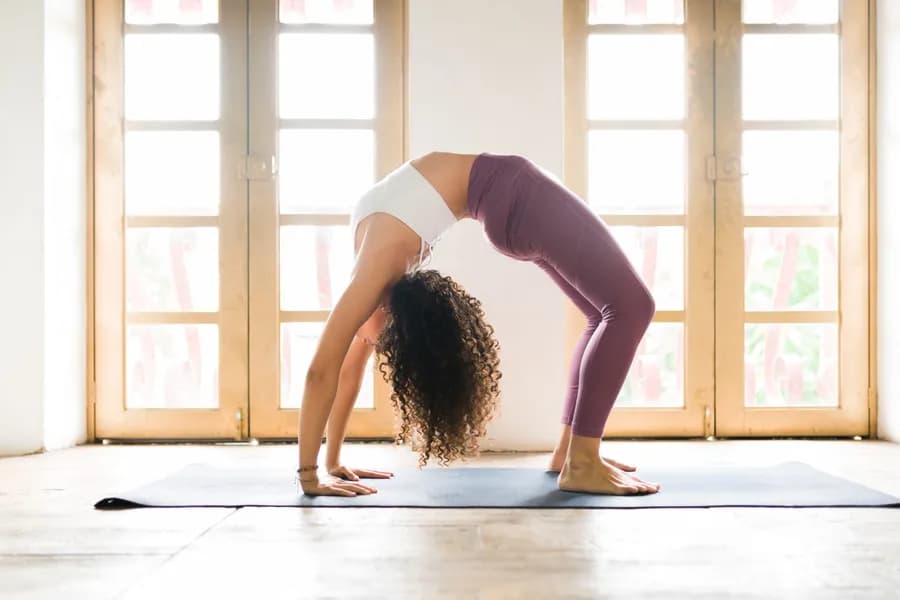
Chakrasana (Wheel Pose): Steps Benefits and Safety Precautions
Practice Chakra Asana with Habuild. Follow the wheel pose steps to open your chest, strengthen your spine, and improve flexibility and hormonal health. Start!
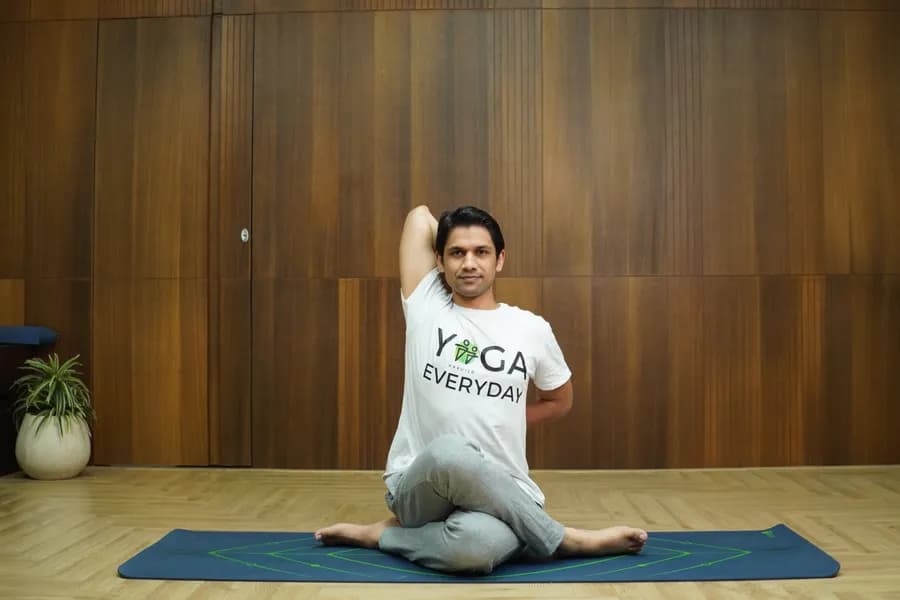
Gomukhasana (Cow Face Pose): Steps Benefits and Modifications
Practice gomukhasana with Habuild. Explore gomukhasana benefits to relieve shoulder tension, improve your posture, and enhance hip flexibility. Try it today!
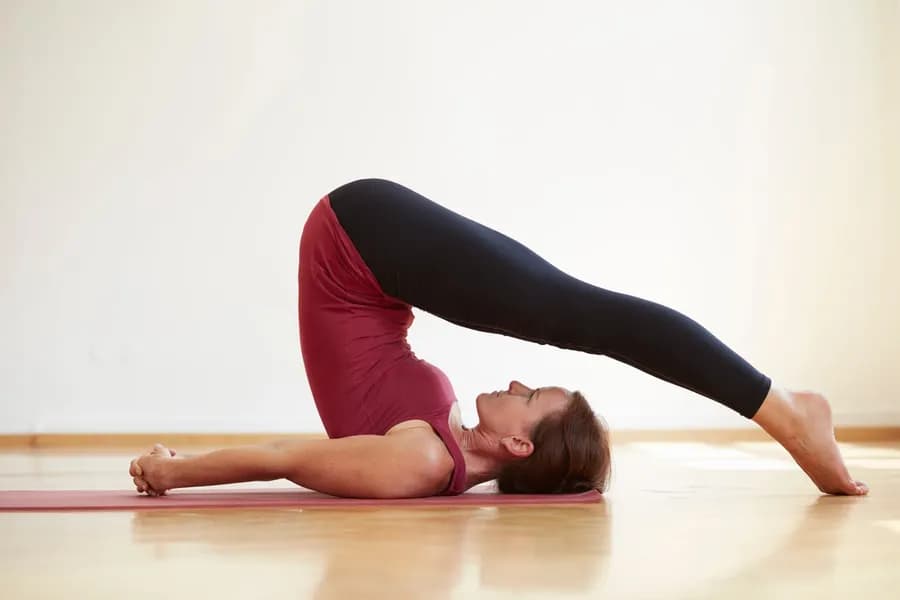
Halasana (Plow Pose): Steps Benefits and Precautions
Try halasana with Habuild. Learn halasana benefits like better flexibility, improved sleep, and relief from back pain. Master the yoga plow pose. Start today!

Tadasana — The Mountain Pose
Tadasana, or Mountain Pose, is the quiet foundation every standing yoga pose is built on — simple to look at, precise to get right.

Ardha Matsyendrasana: Steps Benefits and How to Practice v2
Learn ardha matsyendrasana with Habuild. Discover ardha matsyendrasana benefits for spinal health, improved digestion, and flexibility. Start your practice now!