Isabgol: Benefits, Uses & Ayurvedic Properties
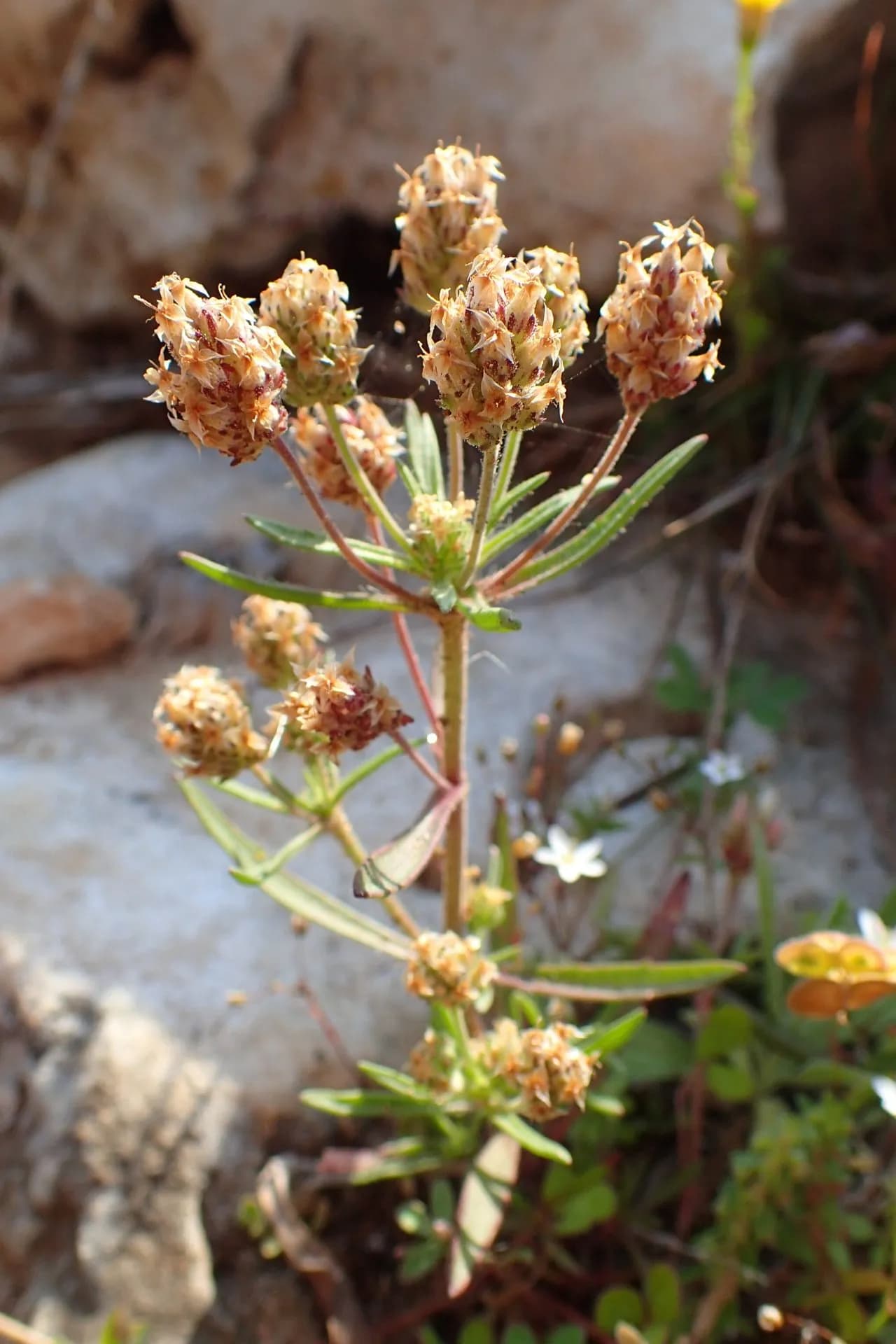
Isabgol (Plantago ovata) is Ayurveda’s premier bulk-forming laxative, prized for relieving constipation, regulating bowel function, managing cholesterol.
Key Takeaways
- Seed husk absorbs 10-30 times its weight in water, forming a stool-softening viscous gel.
- A 2011 Journal of Clinical Gastroenterology meta-analysis confirmed superior stool consistency.
- A landmark 1999 BMJ trial found it significantly reduced IBS symptom scores over 12 weeks.
- The viscous gel binds bile acids and cholesterol, cutting LDL by 5-10% clinically.
- Its prebiotic fiber feeds beneficial gut bacteria, improving the intestinal microbiome.
- Classified vibandhahara, constipation-reliever, delivering relief without dependency.
Isabgol (Ashwakarna / Ashwagol), known botanically as Plantago ovata, is an annual herb from the Plantaginaceae family found primarily in northwestern India, Pakistan, and the Mediterranean. Ayurveda has relied on its seed husks for digestive and bowel regulation for over 3,000 years. Modern research validates its role as a superior dietary fiber for constipation, IBS management, cholesterol reduction, and blood sugar control — making it one of the best-studied Ayurvedic herbs in contemporary science.
Ayurvedic Properties of Isabgol
| Property | Value |
| --- | --- |
| Sanskrit Name | Ashwakarna, Ashwagol, Snigdhajira |
| Other Names | Psyllium husk (English); Isabgol (Hindi, Urdu); Ispaghul (Persian) |
| Botanical Name | Plantago ovata Forssk. |
| Plant Family | Plantaginaceae |
| Part Used | Seed husk (Testa), Seeds |
| Rasa (Taste) | Madhura (Sweet), Kashaya (Astringent) |
| Guna (Quality) | Guru (Heavy), Snigdha (Unctuous), Picchila (Slimy) |
| Virya (Potency) | Sheeta (Cooling) |
| Vipaka (Post-digestive taste) | Madhura (Sweet) |
| Doshic Action | Balances Pitta and Vata; in excess may increase Kapha |
| Primary Action | Vibandhahara (relieves constipation), Graahi (absorbent), Shothahara (anti-inflammatory), Agnideepana (kindles digestive fire) |
Health Benefits of Isabgol
- Relieves Constipation and Regulates Bowel Movements Isabgol is Ayurveda’s gold-standard remedy for vibandha (constipation), delivering reliable, gentle relief without dependency. The seed husk absorbs 10–30 times its weight in water to form a viscous gel that softens stools, increases stool bulk, and lubricates the intestinal walls. This bulk-forming mechanism stimulates normal peristalsis without the cramping associated with stimulant laxatives. Classical Ayurvedic texts classify it as vibandhahara and modern meta-analyses confirm superior stool frequency and consistency improvement compared to placebo (Dettmar PW et al., Journal of Clinical Gastroenterology, 2011).
- Manages Irritable Bowel Syndrome (IBS) Isabgol’s dual action — both laxative and stool-firming — makes it uniquely effective in IBS, which involves alternating constipation and diarrhea. In Ayurveda, IBS correlates with grahani (malabsorption syndrome) driven by Vata-Pitta imbalance. Isabgol’s sheeta virya cools Pitta irritation in the gut while its bulk soothes erratic Vata motility. A landmark randomised trial published in BMJ (1999) found that psyllium husk significantly reduced IBS symptom scores over 12 weeks. Its prebiotic fiber also feeds beneficial gut bacteria, improving the intestinal microbiome.
- Lowers LDL Cholesterol and Supports Heart Health Regular Isabgol consumption is clinically proven to reduce LDL (“bad”) cholesterol by 5–10%, supporting cardiovascular health. The viscous gel formed in the gut binds bile acids and cholesterol in the intestine, preventing their reabsorption. The liver then converts more cholesterol into bile acids to replace what was lost, thereby reducing circulating LDL levels. Ayurveda classifies this action as hridaya mitra (heart-friendly). The FDA has approved a health claim for psyllium: “diets low in saturated fat and cholesterol that include 7 grams of soluble fiber per day from psyllium may reduce the risk of heart disease.”
- Regulates Blood Sugar in Diabetes Isabgol slows the digestion and absorption of carbohydrates, blunting post-meal blood sugar spikes in type 2 diabetes. The gel matrix traps dietary starch and slows its enzymatic breakdown, reducing the glycaemic index of meals consumed alongside it. In Ayurveda, it balances medo dhatu (fat tissue) and medovaha srotas dysfunction that underlies prameha (diabetes spectrum disorders). Clinical trials show that 10–15 g of psyllium daily reduces fasting blood glucose and HbA1c in type 2 diabetic patients (European Journal of Clinical Nutrition, 2015).
- Soothes Intestinal Inflammation (Colitis) Isabgol’s anti-inflammatory and mucosal-protective properties help manage inflammatory bowel conditions including ulcerative colitis. Its shothahara (anti-inflammatory) and Pittahara actions soothe the inflamed colonic mucosa. Butyrate, produced by gut bacteria fermenting psyllium fiber, nourishes colonocytes and reduces mucosal inflammation. A study in Gut (1999) found psyllium as effective as mesalazine in maintaining remission of ulcerative colitis, establishing it as a genuine therapeutic agent rather than just a dietary supplement.
- Supports Weight Management The high soluble fiber content of Isabgol promotes satiety, reduces caloric intake, and supports healthy weight management. The gel delays gastric emptying and prolongs the feeling of fullness, reducing overall food consumption. Ayurveda recommends it for sthaulya (obesity) management to reduce excessive meda dhatu accumulation. Taking Isabgol before meals with water reduces total caloric intake by increasing satiety without adding significant calories.
- Relieves Diarrhoea and Regulates Loose Motions Paradoxically, Isabgol’s graahi (absorbent) quality also makes it effective for diarrhoea by absorbing excess intestinal fluid and firming loose stools. Unlike chemical anti-diarrhoeal agents, it works purely mechanically without altering gut motility or causing rebound constipation. In Ayurveda, Pitta-type diarrhoea with burning and frequency responds especially well due to its cooling potency. It is safe for use in traveller’s diarrhoea and non-infective loose motions.
How to Use Isabgol
| Form | Preparation | Dosage | Best Time |
| --- | --- | --- | --- |
| Husk Powder (Churna) | Stir 1–2 tsp into a full glass (300 ml) of water or buttermilk; drink immediately before it gels | 5–10 g (1–2 tsp) | Before bedtime or 30 min before meals |
| With Warm Milk | Mix 1 tsp husk in warm milk with a pinch of sugar; for constipation and Vata relief | 5 g | Bedtime |
| With Buttermilk (Takra) | Stir into thin buttermilk; excellent for IBS and diarrhoea | 5 g | After lunch |
| With Lemon Water | Mix in warm water with lemon juice; for cholesterol and weight management | 5–10 g | Morning, fasting |
| Capsule/Granule (Commercial) | As per product labelling; ensure adequate water intake | 3–6 g | With meals or at bedtime |
Side Effects and Precautions
Known Contraindications
- Intestinal obstruction or bowel blockage — Isabgol may worsen obstruction
- Difficulty swallowing (dysphagia) — risk of oesophageal impaction
- Phenylketonuria — some commercial preparations contain phenylalanine (aspartame)
Drug Interactions
- Reduces absorption of digoxin, warfarin, lithium, carbamazepine, and metformin — take medications at least 2 hours before or after Isabgol
- May enhance effects of insulin and oral hypoglycaemic agents — blood sugar monitoring advised
- Reduces absorption of fat-soluble vitamins (A, D, E, K) with long-term high-dose use
Who Should Avoid
- People with known allergic reactions to psyllium or Plantago species (occupational allergy reported in pharmacists)
- Individuals with severe Kapha constitution or obesity with sluggish digestion — can worsen Kapha stagnation without adjunct digestive herbs
- Those with rectal or anal narrowing
Safe Dosage Range
3–15 g per day for adults. Always take with a minimum of 240 ml (one full glass) of water. Start with a lower dose and increase gradually to allow gut adaptation.
Classical Text References
Bhavaprakasha Nighantu (Haritakyadi Varga) describes Ashwakarna as: “Ashwakarnah snigdho guru sheeto vishtambhinah | Pittasrajanana hanti graahi vatanulomanah ||” — meaning Isabgol is unctuous, heavy, cooling, and mildly binding; it pacifies Pitta and blood disorders, is absorbent, and normalises Vata movement. This shloka encapsulates all the classical indications: constipation (Vata anulomana), IBS (Pittahara + Graahi), and inflammatory gut conditions.
Frequently Asked Questions
Related Articles
Ajwain: Benefits, Uses & Ayurvedic Properties
Explore Ajwain in Ayurveda, including traditional uses, properties, preparation guidance, side effects and precautions.

Ashoka: Benefits, Uses & Ayurvedic Properties
Ashoka (Saraca asoca) is Ayurveda's premier uterine tonic and women's herb, revered for regulating menstrual cycles, relieving menorrhagia, and supporting reproductive health. Explore its Ayurvedic properties, benefits, and dosage.


Bharangi: Benefits, Uses & Ayurvedic Properties
Bharangi (Clerodendrum serratum) is a classical Ayurvedic herb for asthma, sinusitis, and chronic cough. Explore its properties, dosage, and evidence-based respiratory benefits.