
Neem Leaves Benefits: What the Evidence Says and How to Use Neem Safely
Neem is a trusted traditional herb, but human evidence is limited and neem oil can be poisonous if swallowed. Learn what is proven and what is safe.

Key Takeaways
- Most neem benefit claims come from lab and animal studies; human trials are few and small.
- A few leaves in traditional food differ from concentrated juice, capsules or neem oil.
- Swallowing neem oil has caused seizures, coma and deaths, especially in young children.
- Neem does not replace diabetes medicines; keep monitoring and your prescribed plan.
- Avoid oral neem in pregnancy, while trying to conceive, when breastfeeding and in children.
Neem (Azadirachta indica) has been used in Indian households and Ayurveda for centuries, from chewing twigs to bitter leaves at Gudi Padwa and Ugadi. Traditional use, however, is not the same as proven clinical benefit. Many products are marketed for blood sugar, immunity, skin or "detox" based on laboratory findings, while human evidence remains limited. And some forms of neem, especially neem oil taken by mouth, can be dangerous. For neem's classical Ayurvedic properties and formulations, see our article on neem benefits, uses and Ayurvedic properties. This article focuses on the evidence and on using neem safely.
What research can and cannot show
Neem contains compounds such as nimbin, nimbidin and azadirachtin that act on microbes and insects in laboratory studies. These studies help researchers spot possibilities, but they do not establish a safe dose or a benefit in people. Small human studies have looked at areas such as ulcers and metabolic health, and the results need confirmation. There are no human studies showing that neem treats cancer.
When you read a neem claim, ask three questions:
- Who was studied? People, animals or cells in a dish.
- What was used? Leaves, bark, seed oil or a specific extract.
- What changed? Symptoms, a blood test, or only how microbes grew.
A neem toothpaste study does not show that drinking leaf juice prevents infection, and a testimonial cannot show what caused someone's improvement.
Leaves, oil and cosmetics are not the same
A few leaves cooked in a traditional dish are very different from concentrated leaf juice, capsules or seed oil. The form changes how much you are exposed to, and homemade preparations give no information about strength. There is no established safe dose for regular oral use. Neem oil, including products sold for skin care or as a garden pesticide, should never be swallowed.
Neem for skin and hair
Neem soaps, face washes and shampoos are widely used, but evidence that neem treats acne, eczema, dandruff or fungal infections is limited. Applied to skin, neem can cause redness, itching, dryness and allergic contact dermatitis. Patch-test a new product on a small area, keep it away from your eyes and broken skin, and stop if burning or swelling develops. Persistent rashes need a diagnosis, because different skin conditions can look alike. Do not put a home paste on a deep or infected wound.
Neem and diabetes
Neem is often promoted to lower blood sugar. The human evidence is too weak to use it instead of diabetes treatment, and adding an untested product to glucose-lowering medicine can make readings harder to interpret. If you have diabetes, keep to your monitoring and prescribed plan, and tell your doctor about any herbal product you take. People with diabetes should also get early care for slow-healing wounds rather than repeatedly washing them with herbal mixtures.
Who should avoid oral neem
- Pregnancy and fertility: animal studies show neem extracts can affect fertility and pregnancy, so avoid oral neem during pregnancy and while trying to conceive.
- Breastfeeding: safety has not been established.
- Children: never give neem oil or concentrated neem products to infants or children.
- People on regular medicines: in laboratory tests neem extract affected liver enzymes that process many drugs, so check with your doctor or pharmacist first.
If someone swallows neem oil
Swallowing neem oil has caused severe poisoning in children and adults, including vomiting, drowsiness, seizures, coma and death. Seek emergency medical help immediately, even if there are no symptoms yet. Take the bottle with you and note roughly how much was swallowed and when. Do not try to make the person vomit or give another home remedy.
Store neem oil and garden pesticides in their original labelled containers, away from food and out of children's reach. Never decant them into drink bottles.
A sensible way to use neem
Decide what problem you hope neem will solve. For acne, a dermatologist can suggest treatments with stronger evidence. For blood sugar, follow your care plan. For a cosmetic preference, choose a labelled product and watch for irritation. If you wish to take neem internally for a traditional purpose, do so only under the guidance of a qualified doctor or Ayurvedic practitioner who knows your health history. Bitterness is not proof that a product is removing toxins.
Editorial sources
Frequently Asked Questions
Related Articles
Neem: Benefits, Uses & Ayurvedic Properties
Explore Neem (Azadirachta indica), its powerful antimicrobial, anti-inflammatory, and detoxifying properties, Ayurvedic uses, dosage, and precautions.


Tulsi: Benefits, Uses & Ayurvedic Properties
Tulsi (Ocimum sanctum / Holy Basil) is Ayurveda’s Queen of Herbs — a powerful adaptogen for immunity, stress, and respiratory health. Explore its.


Giloy: Benefits, Uses & Ayurvedic Properties
Giloy (Tinospora cordifolia), known as Guduchi or Amrita in Ayurveda, is one of India’s most revered immunomodulatory herbs used for fever, diabetes.

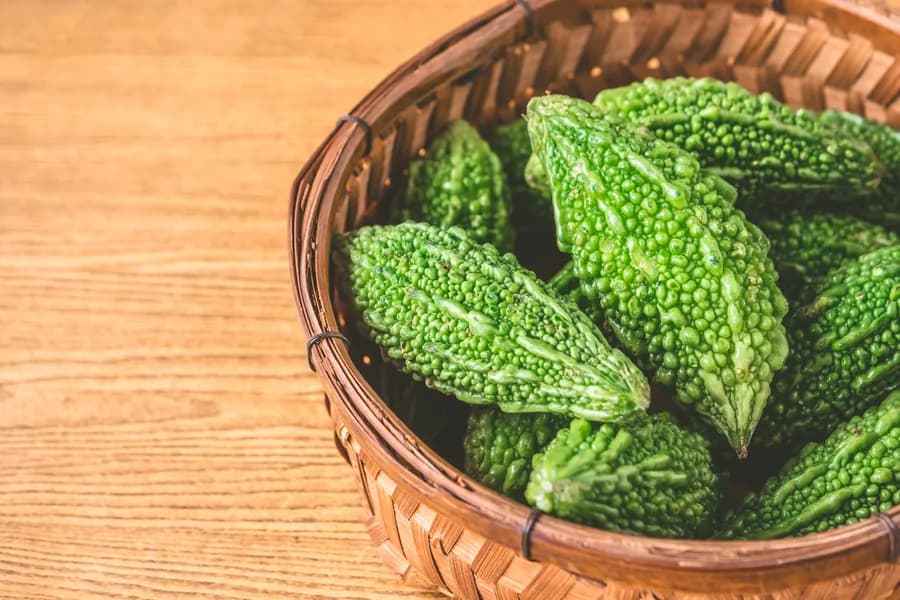
Bitter Gourd Benefits: Nutrition and Diabetes Safety
Bitter gourd is a low-energy vegetable that provides fibre, vitamin C and other plant compounds.
