
16:8 Intermittent Fasting: Evidence, Meals and Safety
How the 16:8 eating window works, what trials actually show, what to eat inside the window, and who should not try it.

Key Takeaways
- 16:8 means eating within 8 hours and fasting 16, much of it while you sleep.
- In trials, results match ordinary calorie cutting when total intake is equal.
- Meals in the window still need protein, vegetables, whole grains and fibre.
- Start with a 12-hour overnight gap and extend slowly if it feels comfortable.
- Avoid it in pregnancy, eating disorders or on insulin without medical advice.
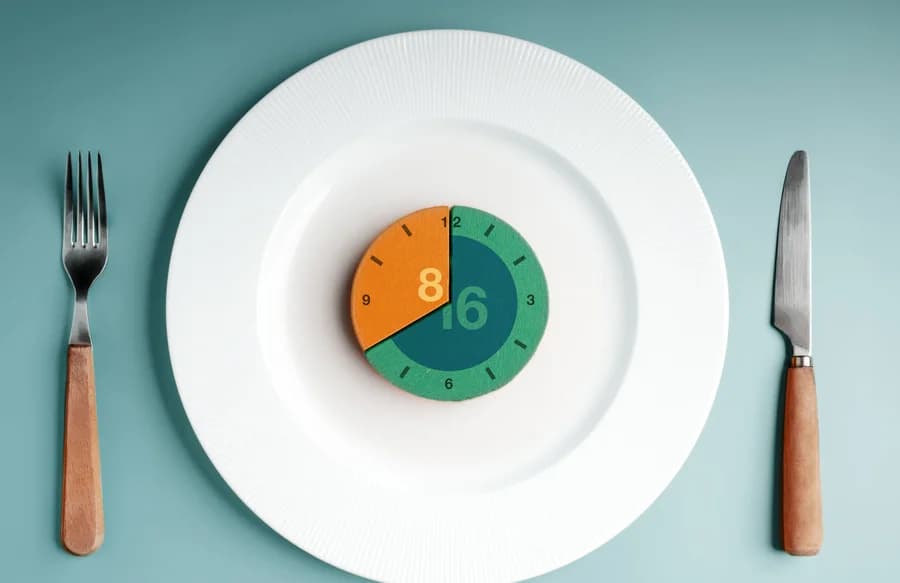
The 16:8 method limits eating to an eight-hour window and leaves a sixteen-hour fasting period, usually including sleep. It is one specific form of intermittent fasting. It can simplify meal timing and may help some people eat less overall, but it is not metabolically magical. Research generally finds that time-restricted eating supports modest weight and metabolic improvements when it helps create a sustainable calorie deficit, with results often similar to conventional calorie reduction. Food quality, total intake, sleep and whether the schedule suits daily life still matter.
The sixteen hours sound precise, but sleep covers much of them. Someone who finishes dinner at 8 p.m. and eats breakfast at 8 a.m. already has a twelve-hour overnight gap. Extending it by four hours is a behaviour change, not a switch into a special biological state at exactly hour sixteen. That perspective keeps experimentation calm.
Social and cultural eating matter too. Family breakfasts, workplace lunches and evening celebrations affect whether a window is realistic. Repeatedly refusing meaningful meals can be isolating, while repeatedly breaking the window can create guilt. A flexible schedule or a regular meal pattern can deliver excellent health outcomes without a fasting identity.
Medicines that must be taken with food or at fixed times need checking before you move meals. A pharmacist can confirm whether the schedule is compatible. Treatment safety comes before fasting rules.
How does the schedule work?
A common window is 10 a.m. to 6 p.m. or noon to 8 p.m.; no clock time is universally superior. Earlier windows may align better with circadian rhythms, while a later one may be easier socially. The best schedule supports sleep, work and adequate meals without repeated overeating.
During the fast, water is appropriate. Unsweetened tea or black coffee fits many versions, but caffeine can disturb sleep or reflux, and milk or sugar ends a strict fast. If a splash of milk helps someone keep a healthy routine, arguing over fasting purity adds little.
What does research show?
Time-restricted eating can produce modest weight loss and improvements in glucose or blood pressure for some people. Trials differ in window length, timing and calorie intake, so dramatic claims are not justified. In a year-long trial where calories were matched, adding a 16:8-style window did not produce more weight loss than calorie restriction alone. Another 12-week trial of unrestricted 16:8 eating found little difference from three regular meals a day.
Long-term adherence is the real test. Some people appreciate fewer food decisions; others become preoccupied with the clock or overeat before the window closes. A method that worsens mood, sleep, training or family meals is not healthy just because it produced short-term weight loss.
What should meals include?
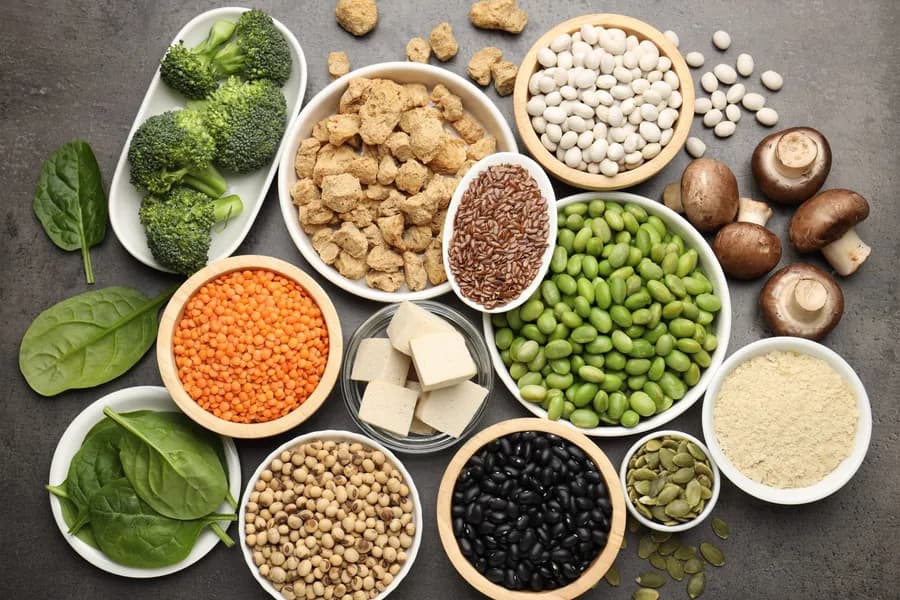
Two or three meals inside the window should still cover vegetables, pulses, whole grains, fruit, protein and suitable fats. Build meals around dal, beans, tofu, paneer, curd or soy foods rather than compressing the day into refined snacks and one huge dinner. Our list of high-protein vegetarian foods can help. Enough fluid and fibre reduce the chance that fasting worsens constipation.
Protein distribution deserves attention, especially for older adults and people doing strength training, because squeezing all protein into one meal may not support muscle as well. If the window makes adequate nutrition difficult, lengthen it. Break the fast with a proper meal that includes protein, vegetables and a filling carbohydrate rather than sweets or fried snacks.
How can you start gently?
First stop late-night grazing and keep a consistent twelve-hour overnight break. If that feels comfortable, shift breakfast or dinner gradually rather than jumping to sixteen hours. Plan the first meal before hunger peaks. Review energy, concentration, bowel habits and sleep after two weeks; if you feel impatient, tired or distracted most mornings, a fourteen-hour gap may suit you better.
The window does not have to be identical every day. If you eat later with family at the weekend, move the window or return to regular meals the next day without compensating with a longer fast. Exercise can sit inside or outside the window, but a long or demanding session may need fuel. Dizziness, shaking, unusual weakness or poor recovery are signals to stop and reassess.
Who should not try it?
Children, adolescents, pregnant or breastfeeding women and anyone with a current or past eating disorder should not begin 16:8 without specialist guidance. People taking insulin or glucose-lowering medicines risk hypoglycaemia when meal timing changes. Those who are frail, underweight, living with kidney disease or managing complex medicine schedules also need individual advice.
Fasting is not a treatment for uncontrolled diabetes, fatty liver or hormonal disorders. Fainting, severe headaches, menstrual disruption or binge eating mean the approach is not working for you.
The bottom line
16:8 is one optional structure for eating, not a test of discipline. Use it only when it supports adequate nutrition, daily life and medical safety.
Editorial sources
- Calorie restriction with or without time-restricted eating in weight loss, N Engl J Med 2022 (PubMed)
- Effects of time-restricted eating on weight loss: the TREAT randomized clinical trial, JAMA Intern Med 2020 (PubMed)
- Early time-restricted eating for weight loss and cardiometabolic health, JAMA Intern Med 2022 (PubMed)
- Time-restricted eating in adults with type 2 diabetes: randomized clinical trial, JAMA Netw Open 2023 (PubMed)
- Healthy diet fact sheet, World Health Organization
Frequently Asked Questions
Related Articles
Intermittent Fasting: A Simple and Practical Guide
Intermittent fasting is a common wellness topic, but simple routines and realistic expectations matter more than quick fixes. Learn realistic benefits, simple uses, portions and safety in easy…


Calorie Deficit Diet: Meaning, Meals and Sustainability
A calorie deficit occurs when average energy intake is lower than energy use. It can support weight loss when the gap is modest and meals stay nourishing.
High Protein Vegetarian Foods: The Complete Indian Food List
Indian kitchens are already full of high protein vegetarian foods — dals, paneer, tofu, soy, and dairy. See the complete list, with protein counts, and.

Diabetic Meal Plan Indian Style: A Full-Day Guide to Balanced Eating
A diabetic meal plan doesn’t mean giving up dal, roti, or rice — it means getting portions, timing, and combinations right. See a full day of eating.
