
Calorie Deficit Diet: Meaning, Meals and Sustainability
A calorie deficit occurs when average energy intake is lower than energy use. It can support weight loss when the gap is modest and meals stay nourishing.

Key Takeaways
- A calorie deficit means taking in less energy than the body uses, on average, over time.
- A modest, steady deficit is easier to sustain than severe restriction and protects nutrient intake.
- Build plates around vegetables, protein and high-fibre carbs, and cut back on sugary drinks.
- Pregnancy, a history of eating disorders or diabetes medicines call for professional guidance first.
A calorie deficit occurs when average energy intake is lower than energy use. It can support weight loss, but the size of the deficit and the quality of meals affect hunger, nutrition and adherence. This guide explains what a calorie deficit diet means, how to create a modest one with everyday Indian meals and when restriction becomes too much.
How a calorie deficit works
The body uses energy for breathing, digestion, keeping warm and every kind of movement. When food and drinks supply less energy than this over days and weeks, the body draws on stored energy, which can lead to gradual weight loss.
The size of the deficit matters. A modest, sustainable gap is generally easier to maintain than severe restriction, which can increase hunger, tiredness and the risk of losing muscle or missing nutrients. Weight also changes from day to day with fluid, salt and digestion, so the trend over several weeks says more than a single reading.
Different ways to create an energy deficit
A calorie deficit is not a product or a single diet. It can come from adjusting portions, choosing less energy-dense meals, increasing everyday activity or combining these approaches. The most useful plan is the one that creates a modest average gap without making meals nutritionally poor or unmanageably restrictive. This guide does not cover calculating energy needs; the focus is on how to eat once a small reduction is appropriate for you.
Potential benefits
- Gradual weight loss when weight loss is medically appropriate.
- Greater portion awareness, which often lasts beyond the period of active weight loss.
- Possible improvements in health markers such as blood pressure, blood glucose or blood lipids in people who carry excess weight, as part of wider lifestyle changes and medical care.
Building filling plates
A calorie deficit diet works best when meals still feel satisfying. A simple plate model helps:
- Half the plate vegetables or salad, such as a sabzi, kachumber or a vegetable-rich dal.
- A clear protein source, such as dal, chana, rajma, paneer, curd, tofu, eggs, fish or chicken.
- A measured portion of high-fibre carbohydrate, such as rotis, a modest serving of rice, millet rotis or poha with vegetables.
- Fats used deliberately, by measuring cooking oil and ghee instead of pouring them freely.
Protein and fibre help with fullness, and a familiar plate is easier to repeat than a list of special foods.
Cutting liquid and hidden calories
Many small energy sources are easy to miss. Sweetened chai or coffee several times a day, packaged juices, soft drinks, sweet lassi and fried snacks with evening tea can add up without making you feel full. Cooking oil, ghee and butter are energy dense, so a small change in how much is used can make a noticeable difference across a week. Replacing sweet drinks with water, buttermilk or unsweetened tea is often one of the simplest changes.
Tracking without obsession
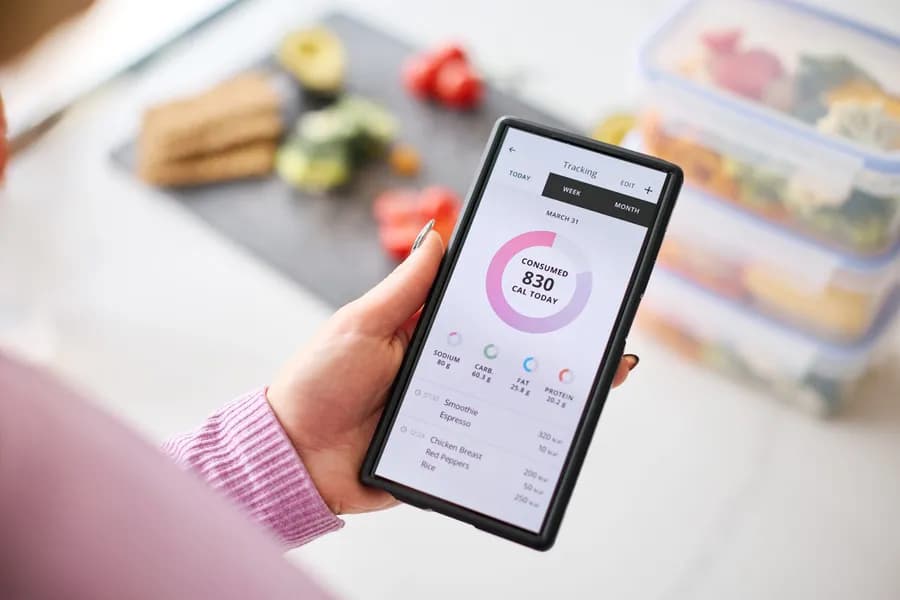
Some people find a food diary, an app or occasional weighing of portions helpful for a short time to learn what usual servings look like. Others prefer simple habits, such as serving meals onto a plate instead of eating from the pan. Any tracking figures are estimates, so treat them as a guide rather than an exact score. If tracking causes anxiety, guilt or constant thoughts about food, stop and use simpler cues such as hunger, fullness and energy levels.
When the deficit is too aggressive
A deficit that is too large or kept up too long can backfire. Warning signs include:
- persistent tiredness, weakness, dizziness or poor concentration
- strong hunger, cravings or episodes of overeating after strict days
- poor sleep, irritability or low mood
- changes to menstrual periods
- feeling cold, often unwell or unable to manage usual activity
- growing preoccupation with food, weight or "earning" meals
If these appear, ease the restriction and speak to a doctor or registered dietitian.
Some people should not follow a calorie deficit diet without specialist guidance. These include anyone who is pregnant or breastfeeding, people with a current or past eating disorder, children and teenagers, older adults with a low appetite or muscle loss, and people taking diabetes medicines that can cause low blood sugar.
Keeping it sustainable
Regular protein at meals and strength-based activity help protect muscle while weight comes down. Sleep and stress also affect appetite. Progress usually slows over time, and plateaus are normal rather than a sign of failure. Plan for maintenance from the start: the habits used to create the deficit, such as balanced plates, fewer sugary drinks and measured oil, are the same habits that help keep weight stable afterwards.
How it fits a balanced routine
A calorie deficit diet is a tool, not a permanent identity. Use it alongside varied meals, regular activity and medical care where needed. Festivals, travel and family meals are part of normal life; one larger meal does not undo progress, and returning to usual habits at the next meal is enough.
Editorial sources
Frequently Asked Questions
Related Articles
Daily calorie needs: how to estimate yours
Your calorie needs depend on your body, activity and goals. Learn how to estimate them and when calorie counting may not be helpful.

Fat Loss Diet Plan: A Simple, Sustainable Guide to Eating Well
A good fat loss diet plan isn’t about eating less of everything — it’s about eating the right things consistently. See a simple, no-gimmicks breakdown of.

Low Calorie Foods: Filling Choices for Everyday Indian Meals
No ordinary food is truly calorie-free, but vegetables, fruit, soups and lean protein foods can provide volume for fewer calories.
