
AGEs in Food: What They Are and What Cooking Changes
Keep AGE research in perspective while varying cooking methods and avoiding unnecessary charring.
Key Takeaways
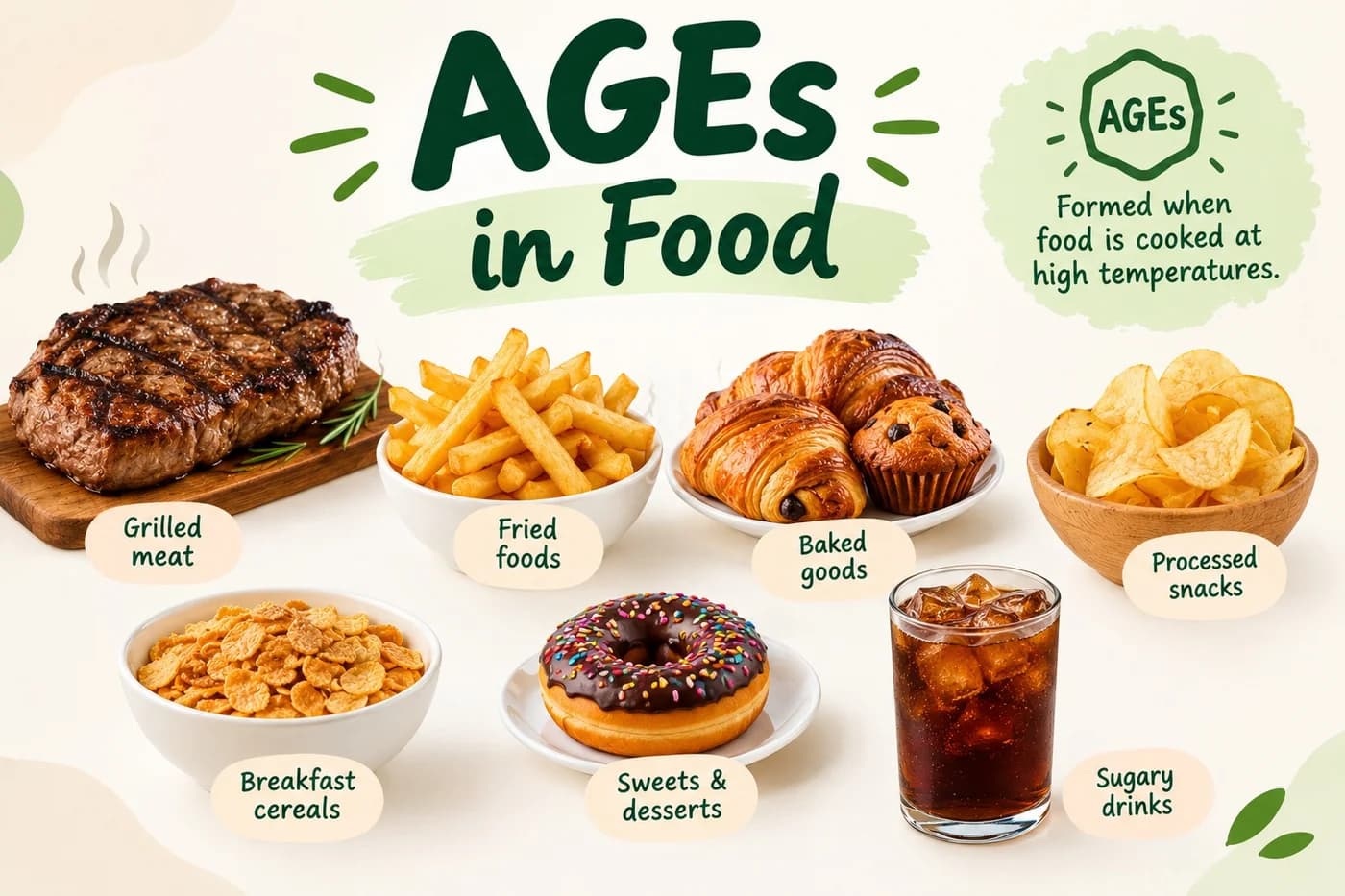
- AGEs form when sugars react with proteins or fats.
- Heat, dryness and cooking time increase their formation.
- Browned food does not need to disappear from your diet.
- A mix of cooking methods is more useful than strict avoidance.
AGEs is short for advanced glycation end products, not a reference to how old a food is. These compounds form through reactions involving sugars and proteins or fats, both in the body and during food preparation. The research can sound alarming, but it does not mean every browned roti or roasted nut needs to disappear. A varied diet and a mix of cooking methods are more useful than trying to remove every AGE.
Why researchers study them
AGEs are a diverse group rather than one substance. Their formation in the body is relevant to research on ageing, diabetes and other conditions, while dietary AGEs raise questions about food processing and cooking.
Those are related subjects, but they are not identical. A food measurement does not directly tell us how much will be absorbed, how it will be handled or what effect it will have in a particular person.
This matters when reading claims. A high laboratory value is not, by itself, proof that an ordinary serving causes disease. Research needs to connect exposure with meaningful health outcomes rather than stop at a chemical label.
Heat, moisture and time influence formation
High-temperature dry cooking can encourage AGE formation, with effects depending on the food and the conditions. Frying, grilling and roasting can differ from simmering, boiling or steaming.
Temperature and time are not the only variables, and not every food responds in the same way. The amount of water, composition and recipe all influence the result.
For a household, the takeaway is manageable: you can use several cooking methods instead of relying heavily on intense browning. There is no need to measure the compounds in dinner or avoid cooking foods that need to be cooked safely.
What human studies can and cannot tell us
Some small trials have compared lower- and higher-AGE dietary patterns or cooking methods and measured metabolic or inflammatory markers. A trial in Asian-Indian adults has also explored this question.
The findings are interesting, but the studies are relatively limited and differ in how diets and AGEs are measured. They do not establish a universal daily AGE limit that readers should calculate at home.
Changes in a research marker are also different from demonstrating fewer heart attacks or a longer life. It is reasonable to use sensible cooking habits without presenting the science as settled proof of a particular disease-prevention programme.
Indian meals already offer variety in methods
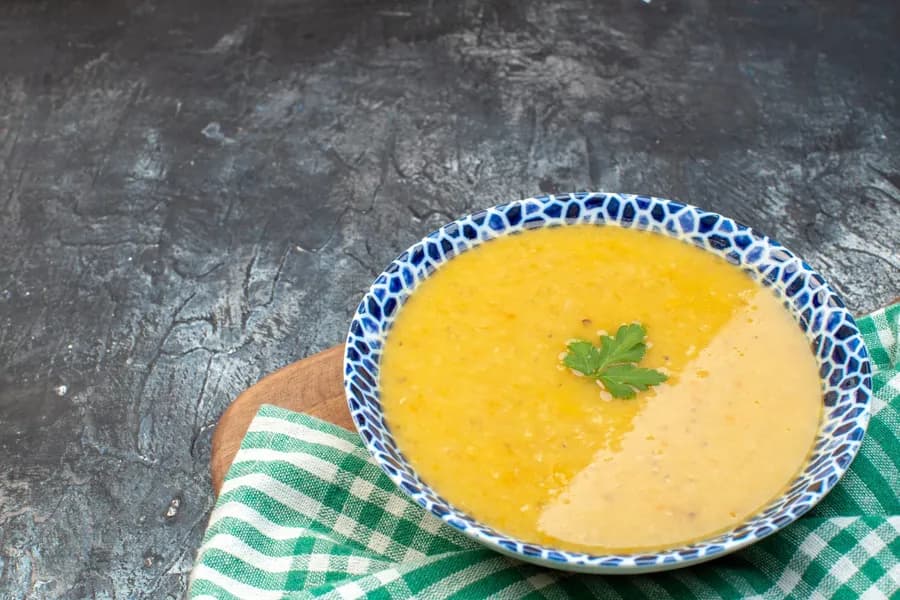
Dal, sambar, vegetable stews, steamed idli and many pressure-cooked dishes provide familiar ways to cook with moisture. They can sit alongside a roti or a roasted accompaniment.
If most meals are fried, try changing one dish rather than redesigning the whole cuisine. A simmered vegetable-and-dal preparation may be easier to repeat than a complex “low-AGE” recipe.
Keep protein and vegetables in the meal. Avoid turning a discussion about browning into a reason to eat mostly plain rice or to remove useful foods such as pulses, tofu or paneer. The whole diet still matters.
Browned does not mean burnt
Some colour and flavour develop during ordinary cooking. That does not make every browned surface a medical problem. Repeatedly charring food or cooking it until black is a different habit and is worth avoiding.
Use suitable heat, turn food when needed and stop when it is properly cooked rather than pushing for the darkest crust. A pan that is too hot can burn the outside before the inside is ready.
Do not undercook food in an attempt to reduce heat exposure. Safe cooking remains important. The goal is appropriate preparation with less unnecessary scorching, not a competition to use the lowest possible temperature.
A practical change for paneer or tofu
If you usually fry pieces until very dark, try simmering some in a tomato-based gravy or adding them to a vegetable dish with moisture. You still get a substantial protein component without relying on a heavily browned crust every time.
For a dry preparation, control the heat and use a suitable pan so food cooks evenly. It need not be pale and unappetising to be a reasonable choice.
Use the method that suits the dish and the people eating it. Varying preparation can also make a repeated ingredient feel different, which is a practical benefit independent of the AGE research.
Be cautious with food rankings
Published AGE tables can use different measurements and may not represent your recipe or portion. Comparing a large serving of one food with a tiny amount of another can create a misleading ranking.
Do not ban a nutrient-rich food solely because a table labels it high. Ask what it would be replaced with and whether that change improves the overall meal.
For example, removing a modest portion of nuts while keeping a diet dominated by sweets and fried snacks would miss larger nutrition priorities. A single-compound ranking is a poor substitute for considering fibre, protein, fat quality and food variety together.
If you have diabetes
Appropriate blood-glucose management remains important. A special cooking plan does not replace medicines, glucose monitoring or advice tailored to your health.
Likewise, a higher-AGE claim should not become a reason to avoid every carbohydrate food. Portion, food quality and the balance of the meal remain more directly useful everyday decisions.
Choose ordinary habits that work together: regular meals, vegetables, pulses or another protein source, suitable staple portions and varied cooking. You do not need an AGE detox, supplement or device to begin those changes.
Keep the concern proportionate
An occasional grilled dish or roasted snack does not undo an otherwise varied routine. Enjoy it without trying to compensate afterwards through fasting or restrictive food rules.
If you want one starting point, use a moist cooking method for a dish you currently fry most days. Keep the flavour appealing and see whether the change is practical.
AGE research adds another reason to think about preparation, but it should not make eating feel hazardous. A flexible range of foods and methods is a more workable response than trying to eliminate compounds that occur widely.
Editorial sources
Frequently Asked Questions
Related Articles

Low Glycemic Index Foods: What They Are and Why They Matter for Blood Sugar
Low glycemic index foods raise blood sugar slowly and steadily instead of causing a sharp spike. See what glycemic index actually measures, and everyday.

Diabetic Meal Plan Indian Style: A Full-Day Guide to Balanced Eating
A diabetic meal plan doesn’t mean giving up dal, roti, or rice — it means getting portions, timing, and combinations right. See a full day of eating.

Canola Oil: A Practical Cooking Choice Without the Hype
A clear guide to using canola oil sensibly for flavour, cooking and a balanced fat intake.
Ghee vs Refined Oil: Choose Healthy Fats Wisely
Understand ghee vs refined oil in simple words. Learn how to use fats in moderation, avoid reheated oils and choose better Indian cooking habits.