
Canola Oil: A Practical Cooking Choice Without the Hype
A clear guide to using canola oil sensibly for flavour, cooking and a balanced fat intake.
Key Takeaways
- Canola oil is rich in unsaturated fats.
- All oils are energy-dense, so measure portions.
- What it replaces matters more than the oil itself.
- Measure oil into the pan rather than repeatedly topping it up.
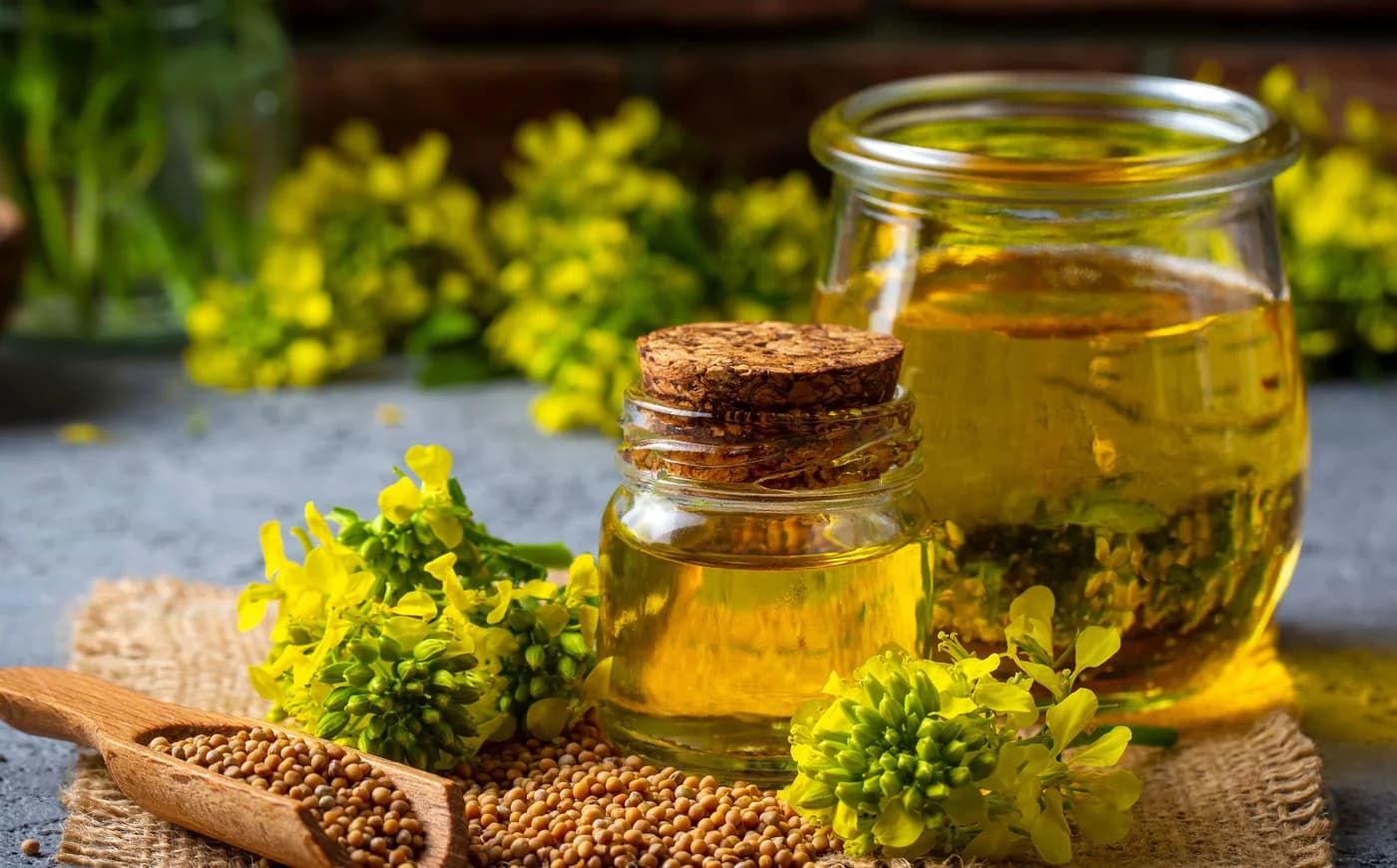
One video calls canola oil heart-friendly; another calls it toxic. That disagreement can make a simple cooking purchase feel risky. Canola is an edible oil rich in unsaturated fats, and it can fit into everyday meals. The more useful questions are what fat it replaces, how much goes into the pan and how the food is cooked.
What is canola oil?
Canola oil comes from varieties of rapeseed developed to contain low levels of erucic acid. Food-grade canola is therefore different from treating every historical or industrial rapeseed oil as the same product.
It is usually mild in flavour, which makes it convenient when you do not want the oil to dominate a dish. The common refined form can be used for a range of ordinary cooking methods.
You do not need it specifically to eat well. Other suitable oils can work according to taste, availability and budget. Canola is one useful option rather than an essential upgrade every Indian kitchen must make.
What its fat profile means
Canola contains mostly unsaturated fats and a relatively small proportion of saturated fat compared with butter, ghee or coconut oil. Replacing some saturated fat with unsaturated fat can support healthier blood-cholesterol levels.
The word replacing matters. Using a measured amount of canola instead of a larger amount of butter is different from adding extra oil to an unchanged meal.
It also contains some plant omega-3 fat, called ALA. That does not make a spoonful equivalent to every other omega-3 source or a treatment for heart disease. Keep the benefit proportionate to an ordinary cooking ingredient.
All oils are energy-dense
Oil supplies about nine calories per gram. A tablespoon of cooking oil typically contributes around 120 calories, although household spoons and serving habits differ.
The type of oil affects its fatty-acid profile; the quantity affects how much energy it adds. A healthy reputation does not make a free pour insignificant.
For a shared sabzi, measure the amount into the pan rather than repeatedly topping it up. Divide the dish by the number of people eating it to keep the scale realistic. You do not need to calculate every meal, but seeing the amount can correct a habit of pouring more than expected.
Where it works well
Its neutral flavour suits dishes in which vegetables, spices or other ingredients should lead. It can be used in a modest tadka, to cook a chilla or for sautéing vegetables.
Try brushing or tossing vegetables with a little oil before roasting rather than coating them heavily. For a pan-cooked dish, a suitable pan and enough moisture can help without repeated additions of oil.
It can also work in some baking recipes designed for liquid oil. A recipe that depends on solid butter for structure may not behave the same way, so do not assume every swap is technically identical.
What about frying?
The fact that an oil tolerates ordinary cooking does not make frequent deep-fried food the healthiest way to use it. Frying changes the dish's energy content, and portion size still matters.
Avoid letting oil smoke or heating an empty oiled pan for a long time. If oil overheats, take the pan off the heat safely and allow it to cool rather than continuing to cook through the smoke.
Do not repeatedly reuse frying oil as a routine. Prolonged heating and repeated cycles degrade oil. Choosing canola instead of another oil does not remove the need for sensible temperature control and handling.
Should seed-oil claims worry you?
The claim that all seed oils inevitably cause inflammation is not supported by mainstream evidence-based dietary guidance. Health organisations include oils such as canola among suitable unsaturated-fat choices.
It helps to separate the ingredient from the foods that may contain it. A diet high in fried snacks, bakery products and takeaway meals can be poor for several reasons. The presence of a seed oil does not show that the oil alone caused the problem.
For your kitchen, focus on recognisable meals and appropriate amounts. Vegetables cooked with a little oil and a packet of fried snacks are not equivalent choices simply because both used canola.
Refined and cold-pressed versions
Refining produces a milder oil and changes some components. Cold-pressed versions may have a stronger flavour and different cooking characteristics. The word cold-pressed does not make unlimited quantities beneficial.
Choose according to the intended use and the product's cooking guidance. A strongly flavoured oil may suit a dressing, while a neutral refined oil can be convenient for a dish where spices provide the flavour.
There is no need to buy several expensive bottles to cover every claim online. One or two oils that suit your food and are used sensibly can be enough for ordinary home cooking.
If cholesterol is the reason for switching
An oil swap can be one practical step, but it is only part of the food pattern. Pulses, whole grains, vegetables, suitable portions of nuts and fewer foods rich in saturated fat can all contribute.
Prescribed cholesterol medicine has a different role and should not be stopped because a bottle mentions heart health. Blood tests and overall cardiovascular risk guide those decisions.
Choose a concrete change you can repeat: use an unsaturated oil for everyday cooking and keep ghee for a small finishing amount where you particularly enjoy it. This may be easier than trying to remove every familiar flavour.
Storage and a sensible purchase
Keep oil tightly closed away from direct sunlight and heat. A cupboard away from the stove is usually better than a bottle beside a hot burner. Buy a size you will finish within a reasonable time.
Discard oil that develops an unpleasant stale or rancid smell. Adding fresh oil to old oil does not restore its quality.
Canola can be a useful everyday cooking fat when it fits your budget and tastes. Its strongest case is ordinary: it offers unsaturated fats and a neutral flavour. Good meals still depend on the food in the pan and how much oil you use.
Editorial sources
Frequently Asked Questions
Related Articles
Mustard Oil: Cooking, Fat Profile and Safety
How to choose and use mustard oil: kachi ghani vs refined, fat profile, erucic acid, safe heating, portions and topical use.

Ghee vs Refined Oil: Choose Healthy Fats Wisely
Understand ghee vs refined oil in simple words. Learn how to use fats in moderation, avoid reheated oils and choose better Indian cooking habits.
Rice Bran Oil: Is It Really Heart-Friendly?
Rice bran oil is mostly unsaturated fat and works well for Indian cooking, but no oil is a medicine. Here is how to use it sensibly.

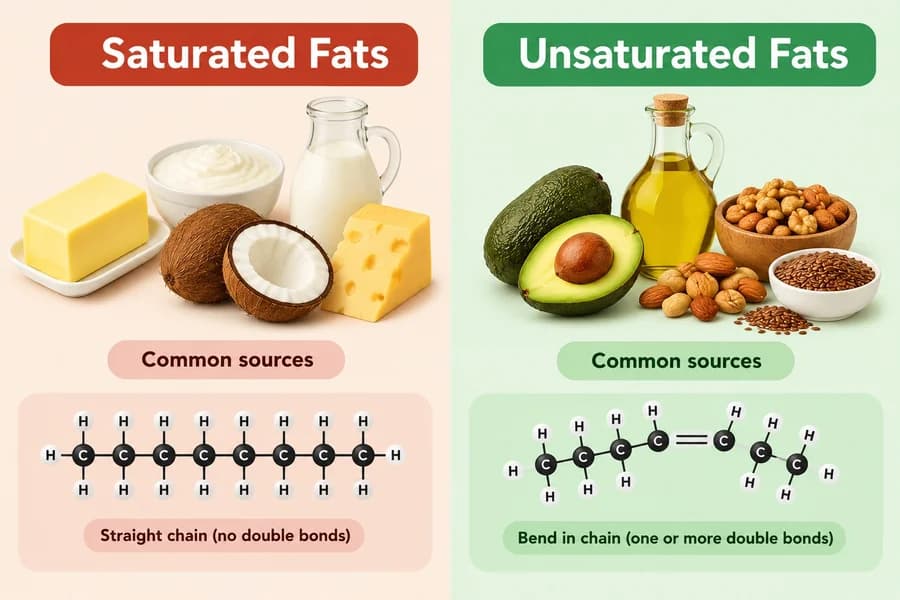
Saturated vs Unsaturated Fats: What Matters for Your Heart
Not all fats behave the same way in your body. Here is what saturated and unsaturated fats mean and the simple kitchen swaps that support heart health.