Ajwain Water: Benefits, Uses and Safety
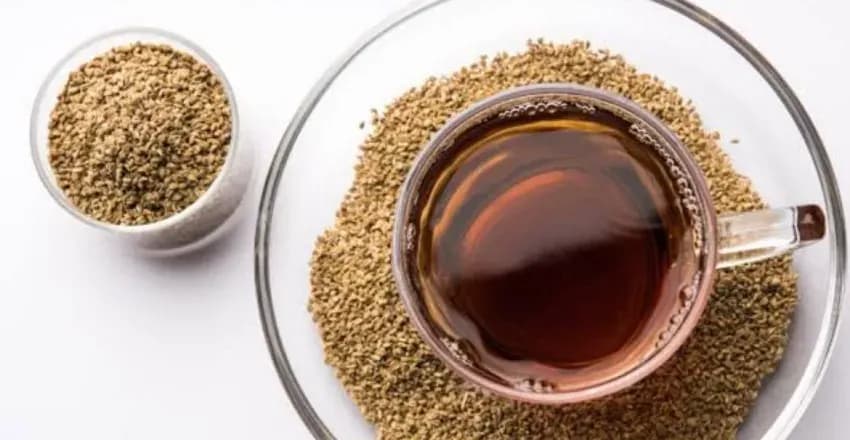
Ajwain water is made by steeping or boiling carom seeds in water. It adds flavour and fluid but supplies only small, variable amounts of plant…

Key Takeaways
- Ajwain water is steeped or boiled carom seeds; recipes and strength vary widely.
- It may feel soothing, but human evidence for gas, acidity or weight-loss benefits is limited.
- A weak home infusion differs from concentrated ajwain oil, extracts and capsules.
- Avoid medicinal amounts in pregnancy; seek advice for medicines or persistent symptoms.
Ajwain water is made by steeping or boiling carom seeds in water. It adds flavour and fluid but supplies only small, variable amounts of plant compounds. This guide examines ajwain water with practical context and without exaggerated promises.
What is actually present in ajwain water
Traditional use for gas or indigestion does not establish a treatment effect. Evidence for weight loss, detoxification, diabetes or menstrual problems is insufficient. Before applying the result, confirm that the studied form of ajwain water benefits resembles the version used in daily life.
Traditional use and scientific evidence are different
Ajwain contains aromatic compounds, including thymol, that help create its strong flavour. Steeping a small amount in water transfers an uncertain quantity of these compounds. Laboratory findings about ajwain oil cannot establish ajwain water benefits in people because the dose and exposure are very different. Human evidence for weight loss, blood-sugar control, “detox” or treatment of digestive disease remains insufficient.
Some people enjoy warm ajwain water after a meal and may report temporary comfort. That experience can be real without proving that the drink treats the cause of symptoms. Indigestion may arise from reflux, ulcers, medicines, infection or eating patterns, so frequent or worsening symptoms should not be repeatedly covered up with home remedies.
How to prepare a mild drink
Keeping the recipe simple
- Use a weak infusion rather than concentrated extracts.
- Avoid adding large amounts of sugar or salt.
- Keep usual meals and hydration in place.
- Stop if it worsens heartburn or nausea.
Use clean drinking water and a small culinary amount of ajwain. Steep briefly, strain and drink it warm or cool according to preference. Avoid making the liquid progressively stronger or adding large amounts of sugar or salt. Ajwain water benefits do not improve because the taste becomes harsher. Normal meals and ordinary hydration should continue.
When and how often to drink it
There is no proven best time, empty-stomach rule or universal daily dose. An occasional weak cup is enough to test tolerance. Stop if it worsens heartburn, nausea, mouth irritation or abdominal pain. For regular thirst and hydration, plain water remains the simpler choice and does not need herbs.
When ajwain water may not be suitable
Concentrated ajwain may irritate the digestive tract. Pregnancy, breastfeeding, liver disease, bleeding disorders and regular medicines warrant professional advice before medicinal use.
Concentrated ajwain products may irritate the digestive tract and could pose interaction or bleeding concerns. Pregnancy and breastfeeding require particular caution because safety data are limited and traditional claims do not guarantee safety. Discuss regular medicinal use with a doctor or pharmacist, especially before surgery or alongside long-term medicines.
Digestive symptoms that need more than a home drink
Seek medical advice for persistent reflux, repeated vomiting, difficulty swallowing, black stools, blood in the stool, fever, severe pain, unexplained weight loss or symptoms that regularly wake you. These signs deserve assessment rather than stronger ajwain water.
Why the “fat-burning water” claim falls short
Body-fat change comes from the broader balance of food intake, activity, sleep, medicines and health conditions. A spiced drink cannot target belly fat. If replacing a sugary beverage with unsweetened ajwain water lowers overall sugar intake, the benefit comes mainly from the replacement—not a special fat-burning action.
The same logic applies to “detox.” The liver and kidneys manage waste products; ajwain water has not been shown to cleanse them. Drinking excessive fluid can also be unsuitable for people on a fluid restriction.
A calm, practical conclusion
Ajwain water benefits should be described modestly: it is a traditional, strongly flavoured drink that some adults tolerate and enjoy. It is not essential for digestion and it is not a treatment for diabetes, obesity, infection or menstrual disorders.
Use a light preparation, keep expectations realistic and notice whether it genuinely feels comfortable. There is no reason to continue a routine that causes symptoms or adds inconvenience.
For recurring digestive problems, a symptom diary and professional assessment are more informative than changing several remedies at once.
Ajwain belongs confidently in cooking; ajwain water is optional.
Warm liquids can feel comforting, and the aroma of ajwain may make the drink pleasant. Neither sensation proves that a medical condition is improving. If the drink is used, keep it weak, unsweetened and occasional. Ajwain water benefits should be judged by comfort and tolerance, while ongoing symptoms are assessed on their own merits.
Do not confuse warmth with effectiveness
If discomfort usually follows hurried meals, very large portions, late-night eating or a particular trigger food, changing that pattern may be more useful than adding another drink. Eat slowly, remain upright after meals when reflux is a problem, and avoid lying down immediately after a heavy dinner. A pharmacist can also identify medicines that commonly irritate the stomach. Do not remove many foods at once, because a highly restricted diet can make meals harder to balance and may not reveal the real cause. Ajwain water benefits are difficult to judge when several remedies, supplements and dietary restrictions begin together. Try one small change, note the timing and severity of symptoms, and review after several days. Children with repeated stomach pain should not receive stronger household preparations without paediatric advice. Older adults and people with liver, kidney or heart disease may also have different fluid and medicine considerations. For occasional use, prepare only what is needed rather than storing a large room-temperature bottle. Refrigerate leftovers promptly and discard any drink with an unusual smell or appearance. Ajwain water benefits remain optional; plain water, regular meals and a clear diagnosis are more important when symptoms continue.
What to change before reaching for a digestive remedy
When symptoms persist, possible ajwain water benefits are less important than finding the cause.
Any ajwain water benefits should be separated from unsupported weight-loss and detox claims.
In practical terms, ajwain water benefits remain limited and personal rather than medically established.
Editorial sources
Frequently Asked Questions
Related Articles

How to Digest Food Fast: 7 Natural Methods That Work
Slow digestion produces bloating, fatigue, and discomfort — movement, position, and dietary tweaks speed up digestive transit. See 7 natural methods that


Antioxidant Rich Foods: A Simple Guide to Eating More of Them
Antioxidants protect your cells from everyday oxidative stress caused by pollution, sun exposure, and normal metabolism. See the easiest foods to build a.

Ajwain: Benefits, Uses & Ayurvedic Properties
Explore Ajwain in Ayurveda, including traditional uses, properties, preparation guidance, side effects and precautions.