
Aloe Vera Juice Benefits: Risks and How to Choose It
Aloe vera juice is often sold as a detox drink, but its safety depends heavily on how the leaf was processed.

Key Takeaways
- Outer-leaf latex contains aloin, a harsh laxative; inner-leaf gel has a different safety profile.
- Evidence for oral benefits such as glucose control is limited; it is not a proven detox or cure.
- Choose purified or decolourised inner-leaf products with low aloin and little added sugar.
- Ask a clinician first if you take diabetes medicines, diuretics or digoxin.
Aloe vera juice is often sold as a detox drink, but its safety depends heavily on how the leaf was processed. The inner gel and the outer latex should not be treated as the same ingredient, and the realistic aloe vera juice benefits are far narrower than marketing suggests.
What aloe vera juice contains
Commercial aloe drinks are generally made from processed inner-leaf gel, whole-leaf material or a blend. This distinction matters: the outer-leaf latex contains anthraquinones such as aloin, which have a strong laxative action and raise greater safety concerns. "Natural" does not mean every preparation is suitable to drink.
Gel versus latex on the label
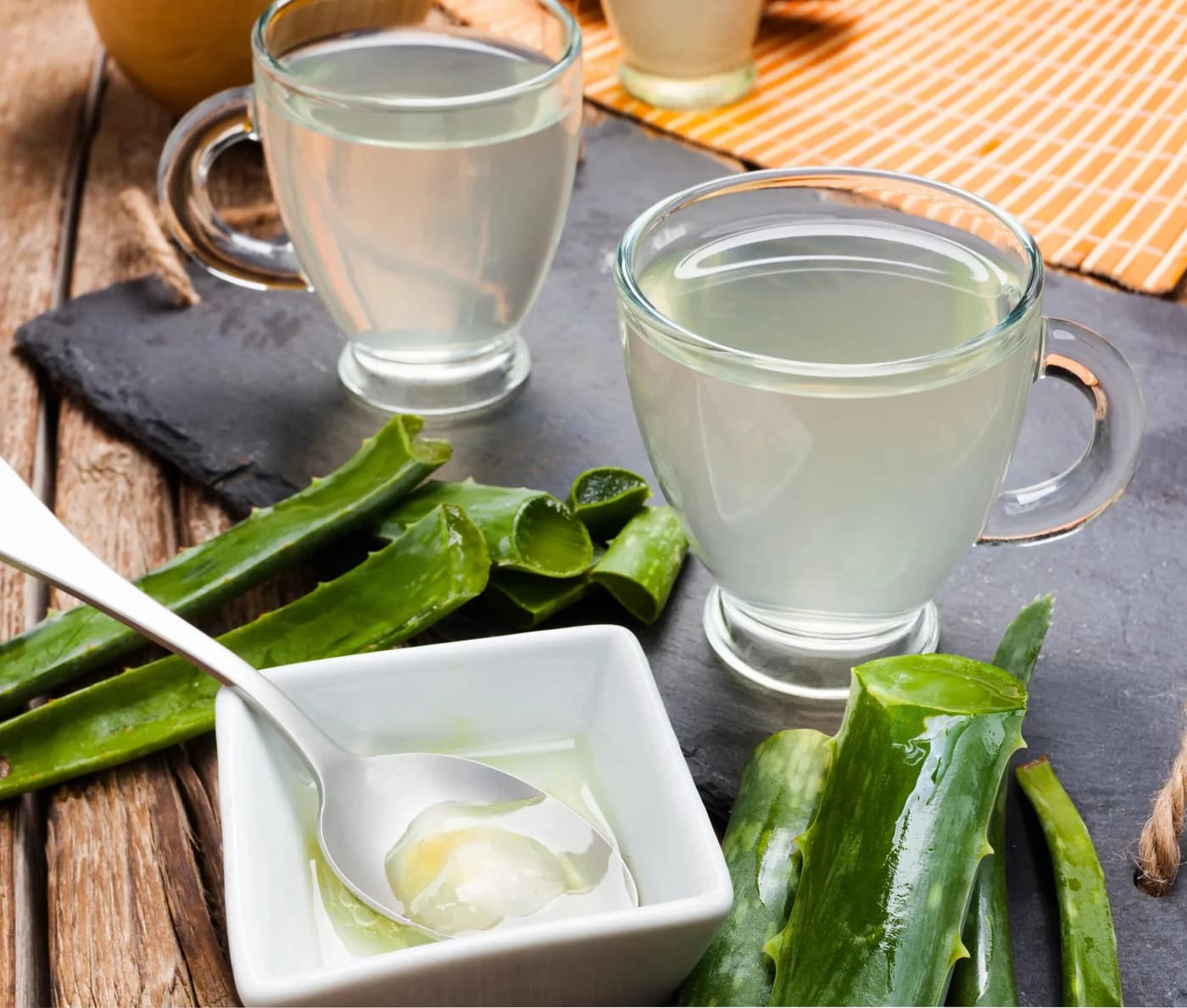
Aloe beverages may say inner leaf, whole leaf, purified, filtered or decolourised. Those words are not interchangeable. The safety concern is aloin and related anthraquinones from the latex layer beneath the rind. Look for a reputable product that clearly explains processing and testing rather than one that relies on a picture of a fresh leaf.
The ingredient list can reveal added sugar, flavouring, preservatives or blends with other herbs. A very sweet aloe drink may function more like a soft drink than a wellness product. Check the serving size as well: a concentrated shot and a ready-to-drink bottle should not be used in the same quantity.
Why homemade aloe juice is risky
Separating clear gel from the yellow latex is difficult to do reliably in a home kitchen. Small residues may remain even when the gel looks clean, and internet recipes rarely measure aloin. Washing or soaking does not guarantee removal, so a home-prepared leaf is not a sensible everyday drink. Topical gel is a separate use: do not assume that something tolerated on skin is safe to swallow.
What benefits are supported?
Small studies have explored aloe products for blood glucose, digestive symptoms and other outcomes, but evidence is limited and product formulations differ. Aloe vera juice should not be described as a proven detox, immunity booster, ulcer cure or diabetes treatment. Any hydration benefit mostly comes from the water in the drink, which plain water can also provide.
Laxative effects are not a cleanse
Cramping or diarrhoea after aloe is not evidence that the body is being cleansed. Aloe latex can cause abdominal pain, diarrhoea and electrolyte loss. The body does not need aloe to flush ordinary waste: the liver processes substances, the kidneys filter blood and the bowel eliminates material.
Regular use for constipation is not a good self-care strategy. Look first at fibre intake, fluids, movement and medicine causes, and seek medical advice for persistent constipation.
Blood glucose and medicine interactions
Preliminary studies have examined oral aloe for glucose control, but they do not establish it as diabetes treatment. If a product lowers glucose at all, combining it with insulin or certain tablets could increase the risk of a low. Symptoms such as shaking, sweating, confusion or weakness require the person's agreed hypoglycaemia plan.
Diarrhoea can also alter how medicines are absorbed and can disturb potassium levels. This is particularly relevant with diuretics, digoxin or medicines affected by electrolytes. Tell a clinician about herbal drinks just as you would mention a tablet.
Marketing language to treat cautiously
Words such as detox, cleanse, pure and immunity are not precise measures of quality. A useful label states the plant part, processing method, ingredients, serving and manufacturer details. Testimonials cannot show whether a benefit came from aloe, another lifestyle change or natural symptom variation.
How to choose and use it
If you choose a product, look for clearly processed, purified or decolourised inner-leaf gel with very low aloin, a complete ingredient list and a sensible serving. Watch for added sugar. Begin with the label serving rather than a concentrated homemade preparation, and stop if it causes cramps, diarrhoea or rash.
Who should avoid or seek advice
Avoid oral aloe latex. Pregnant or breastfeeding people, children, and people with kidney disease, intestinal disorders or unexplained abdominal symptoms should not experiment without professional advice. Aloe may interact with medicines, particularly diabetes medicines, diuretics, digoxin and drugs affected by altered potassium levels.
When to get help
Ongoing abdominal pain, repeated vomiting, blood in stool, unexplained weight loss or persistent changes in bowel habit need assessment. Stop the product after a suspected reaction. Seek urgent care for severe weakness, fainting, bloody diarrhoea, signs of dehydration, breathing difficulty, facial swelling or another allergic reaction. Aloe juice should never delay evidence-based treatment for high blood sugar or digestive disease.
Editorial sources
Frequently Asked Questions
Related Articles

Aloe Vera: Benefits, Uses & Ayurvedic Properties
Explore Aloe Vera in Ayurveda, including traditional uses, properties, preparation guidance, side effects and precautions.

Amla Juice Benefits: Immunity, Digestion & Skin
Amla juice concentrates Indian gooseberry into an easy daily shot — vitamin C, antioxidants, and polyphenols without eating the sour fruit itself. See.
Beetroot Juice Benefits: Nutrition, Timing and Smart Choices
Beetroot juice benefits can affect hydration, energy or nutrient intake depending on its ingredients. Packaged and homemade versions may differ greatly.
