
Amaranth (Rajgira and Chaulai): Nutrition, Uses and Cooking Tips
Amaranth gives you rajgira grain and flour plus chaulai leaves. Learn their nutrition, how to cook each, and gluten-free safety tips.
Key Takeaways
- Rajgira is the gluten-free seed or flour; chaulai is the leafy green from amaranth.
- 100 g cooked amaranth grain has about 102 kcal, 3.8 g protein and 2.1 g fibre.
- Pair amaranth with vitamin C foods like lemon or amla to absorb more plant iron.
- Rajgira flour lacks gluten, so rotis need a tested recipe or a binder.
- With coeliac disease, choose certified gluten-free products to avoid cross-contact.
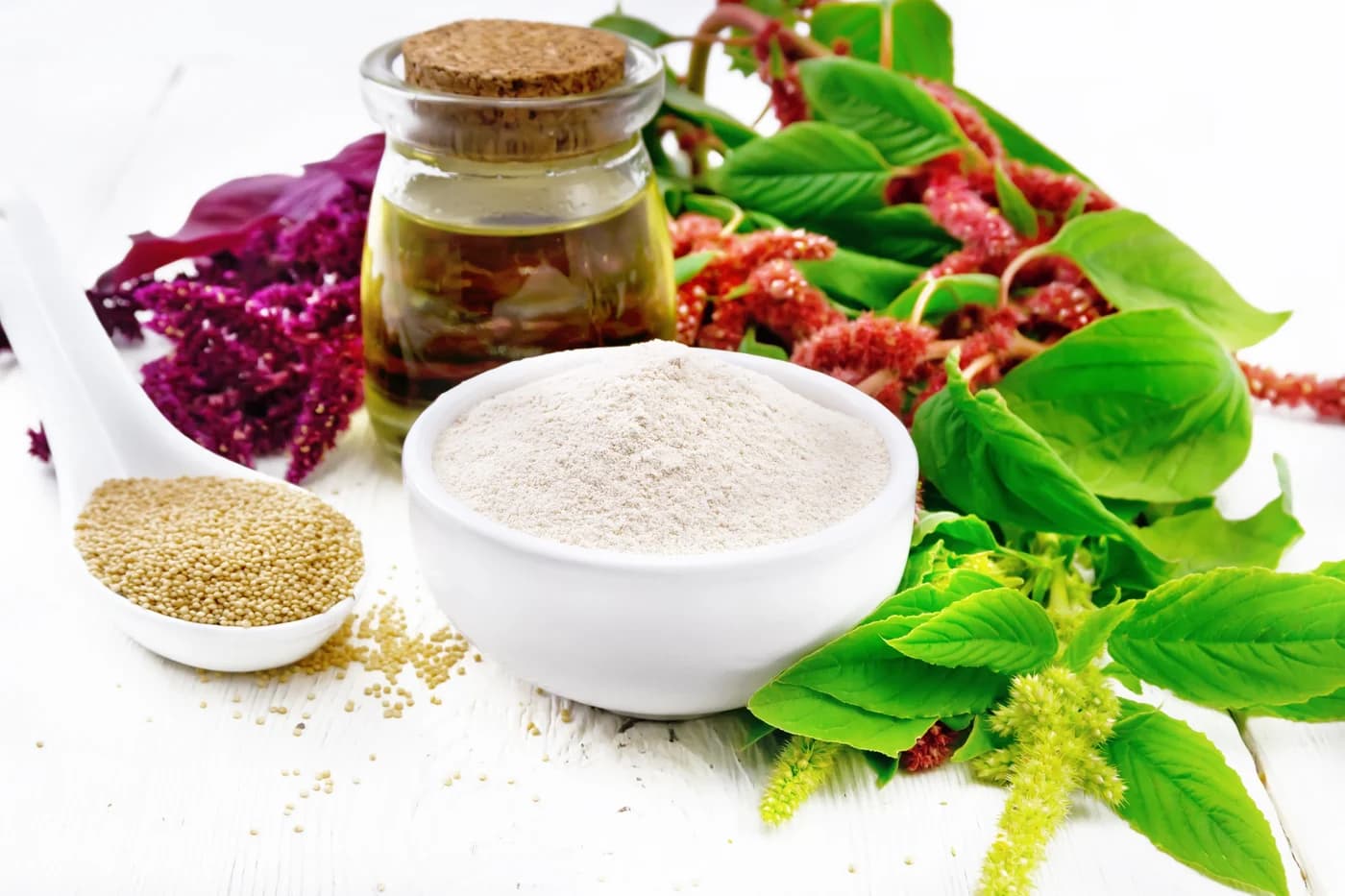
Amaranth gives Indian kitchens two different foods: a tiny gluten-free seed, usually called rajgira, and leafy greens, commonly called chaulai. Both add variety, but their nutrition and cooking uses differ, so it helps to know which one a recipe needs.
Grain, flour and leaves: what the names mean
Rajgira usually refers to the seed, its flour, or the puffed seed used in laddoos and chikki. Chaulai refers to the leafy vegetable, which may be green or reddish. Regional names vary, so check whether a recipe calls for grain, flour or leaves before shopping.
The seed is called a pseudocereal: it is cooked like a cereal but comes from a different plant family from wheat or rice, which is why it is naturally gluten-free.
Amaranth grain nutrition
According to USDA FoodData Central, 100 g of cooked amaranth grain provides about 102 kcal, 3.8 g protein and 2.1 g fibre, along with minerals such as magnesium and iron. Values for dry grain, flour or puffed seed are much higher per 100 g because they contain less water, so match the form and amount you actually eat when reading a label or database.
Protein and iron in context
Amaranth contributes protein, but a normal serving is not a full protein portion. Pair it with dal, curd, paneer or tofu. Its iron is non-heme plant iron, which is absorbed better with vitamin C foods such as lemon, amla, guava or capsicum. Our guide to iron-rich foods covers more combinations. Persistent tiredness or suspected anaemia still needs a blood test; one ingredient cannot treat a diagnosed deficiency.
How to cook the grain
- Rinse the tiny seeds in a fine sieve.
- Follow the packet's water ratio and simmer until tender.
- Expect a soft, slightly sticky porridge rather than separate grains like rice.
- For a savoury bowl, add cooked vegetables, a pulse and familiar spices; for breakfast, cook it in milk and top with fruit.
Start with a small batch to learn the texture. You can rotate rajgira with oats, rice and millets according to taste, cost and availability.
Using rajgira flour and puffed rajgira
Rajgira flour has no gluten, so rotis can crack. Use a tested recipe, add mashed potato or another binder, or mix it with wheat flour if you eat gluten. A wheat mix is not suitable for coeliac disease.
Puffed rajgira adds crunch to curd or a snack mix. In laddoos and chikki, jaggery or sugar and fat change the overall nutrition; jaggery is still a form of sugar, so keep portions modest.
Cooking chaulai leaves
Choose fresh bunches, remove damaged leaves and wash them thoroughly. Cook them into dal, a simple sabzi, a paratha filling or a mixed saag. Cooking softens the leaves, makes them easier to eat in larger amounts and suits family meals.
Rajgira during fasting
Rajgira is commonly used during Navratri and other vrats, though rules differ by household. Fasting sweets can still be high in sugar and fat. If you take diabetes medicines, discuss fasting plans with your care team. Our Navratri fasting diet guide has balanced meal ideas.
Safety and tolerability
- Coeliac disease: choose certified gluten-free products, since shared mills, scoops and surfaces can add gluten.
- Fibre: increase gradually if you are not used to high-fibre meals, and drink enough fluid.
- Kidney disease or other prescribed diets: ask your dietitian how the grain or leaves fit your plan.
- Storage: keep grain and flour sealed and dry; refrigerate cooked leftovers promptly.
Buy a small pack first if the ingredient is new to you, and check the ingredient list for blends rather than assuming a product is pure amaranth.
Editorial sources
Frequently Asked Questions
Related Articles
Millet Benefits: Nutrition, Portions and Cooking Ideas
Millets are a group of small-seeded grains that includes pearl millet or bajra, finger millet or ragi, foxtail, little millet and others.

Gluten Free Foods: A Practical Guide for Celiac Disease and Sensitivity
Indian kitchens already have a long list of naturally gluten-free options — rice, millets, pulses, and more — that can form a complete diet without.
Navratri Fasting Diet: What to Eat for a Balanced Fast
Traditional Navratri fasting foods — sabudana, kuttu atta, singhara atta, fresh fruit, and dairy — are fairly filling when combined well. See how to plan.

Iron Rich Foods: The Complete Vegetarian Food List
Lentils, chickpeas, dark leafy greens, jaggery, and seeds cover the full daily iron requirement for most people — no meat or fish needed. See the.