
Anti-Ageing Foods: What to Eat for Healthy Ageing
No food stops ageing, but a varied diet supports muscle, bones, heart and brain. Practical Indian meals and tips for when appetite changes.

Key Takeaways
- No food reverses ageing; a varied pattern supports muscle, bone, heart and brain health.
- Include a protein food at every meal and pair it with suitable strength exercise.
- Calcium foods plus weight-bearing activity support bones better than a capsule alone.
- Softer cooked meals and smaller portions help when chewing or appetite changes.
- Unplanned weight loss or trouble swallowing needs medical assessment.
No food can stop ageing or erase wrinkles. What a varied eating pattern can do is help protect muscle, bone, heart and brain health and reduce nutrient gaps as appetite and needs change. The useful goal is healthy ageing, not a single "anti-ageing" superfood.
Healthy ageing is a whole pattern
Think about what you want to keep doing: walking comfortably, carrying groceries, cooking and enjoying meals with others. A varied diet supports these goals better than a powder labelled anti-ageing. Sleep, regular movement, social contact and routine checks for blood pressure, diabetes, eyesight and hearing matter just as much.
Protect muscle and strength
Muscle mass and strength tend to decline with age, especially when activity and appetite fall. Include a protein food at each meal: dal, curd, milk, paneer, tofu, chana, rajma or eggs if you eat them. Our guide to protein-rich vegetarian foods has more options.
Pair food with resistance exercise suited to your ability; strength training for older adults explains how to start safely. A protein shake is not essential, and people with kidney disease need individual advice on protein.
Support bones
Calcium and vitamin D work alongside weight-bearing activity. Milk, curd, paneer, ragi, til and calcium-set tofu contribute calcium; see foods for bone strength for more. Vitamin D needs vary with sun exposure and health, so ask before taking high-dose supplements. If you have had a fracture from a minor fall or have risk factors for osteoporosis, ask about assessment.
Fibre and heart health
Vegetables, fruit, pulses, whole grains, nuts and seeds provide fibre and a range of plant compounds. Use unsaturated oils in sensible amounts and limit excess salt, added sugar and saturated fat. A plate of dal, sabzi, roti and curd fits this pattern well. Vary vegetable and fruit colours across the week rather than chasing one imported berry.
Skin and brain claims
Vitamin C and other nutrients support normal skin, but food cannot reverse wrinkles; sun protection does more for visible skin ageing. Claims that one antioxidant prevents dementia are also too strong. Managing blood pressure, staying active, sleeping well, caring for hearing and staying socially connected all support brain health.
Make meals easier when appetite or chewing changes
A large raw salad may look healthy but be hard to chew or finish. Cooked vegetables, soft dal, khichdi, upma or porridge made with milk can be easier. If you fill up quickly, try smaller meals with a snack such as curd with fruit or roasted chana. Frozen vegetables and an extra portion of dal kept in the fridge help on low-energy days.
Dental pain, changes in taste, medicines and living alone can all reduce eating. Persistent trouble swallowing or unplanned weight loss needs medical assessment, even if others compliment the weight change.
Spend on food, not promises
Seasonal produce, pulses and ordinary dairy or fortified alternatives make a practical shopping basket. Drinks labelled collagen or antioxidant may contain added sugar and little protein per serving. Supplements make sense when a deficiency or medical reason has been identified, not as a general youth formula.
A sample day of healthy-ageing meals
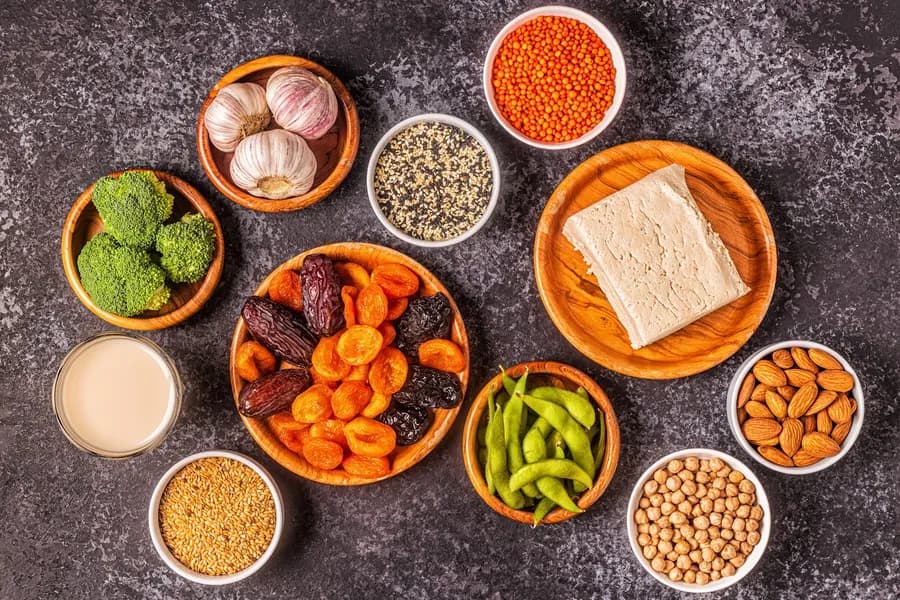
- Breakfast: vegetable poha or besan chilla with curd
- Lunch: dal, rice or roti, a cooked vegetable and seasonal fruit
- Evening: milk or buttermilk with a handful of nuts or roasted chana
- Dinner: rajma, chana, tofu or paneer with vegetables and roti
Adapt portions and textures to your needs, medicines and any condition such as diabetes or kidney disease. Family members can help by offering familiar dishes and assisting with shopping or cooking rather than insisting on a rigid menu.
Editorial sources
Frequently Asked Questions
Related Articles
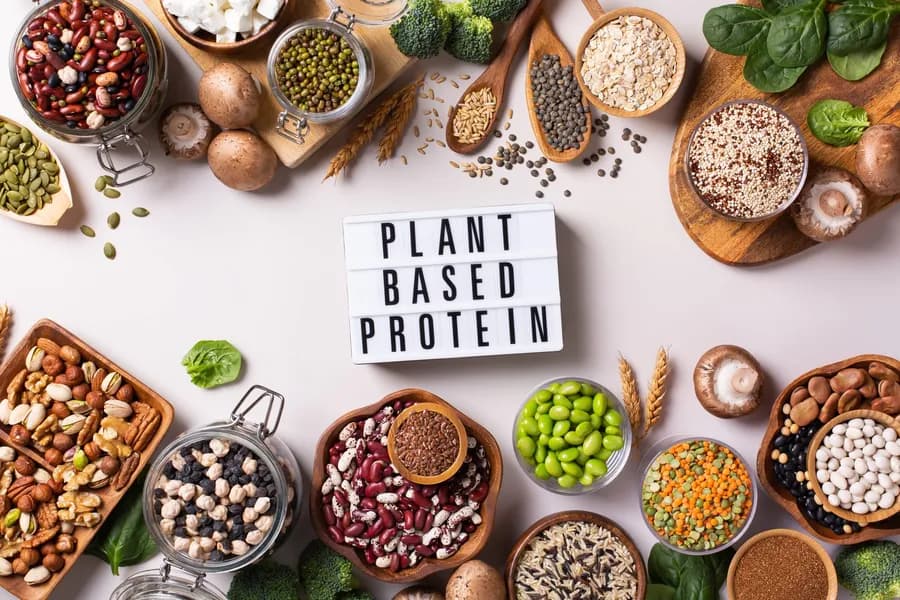
Protein-rich vegetarian foods: 1/4th plate habit
Explore protein, carbohydrates, healthy fats and meal planning for strength training, muscle building and recovery.

Foods for Bone Strength: Calcium Isn’t the Whole Story
Bones are built from a team of nutrients — calcium, vitamin D, magnesium, and protein all play distinct roles. See the full picture beyond just calcium.


Strength Training for Older Adults: Benefits, Exercises & How to Start
Resistance exercise two to three times a week helps preserve muscle mass, support bone density, and maintain the functional strength needed for everyday independence, at any age from 50 onwards. See the key benefits and best exercises.

Antioxidant Rich Foods: A Simple Guide to Eating More of Them
Antioxidants protect your cells from everyday oxidative stress caused by pollution, sun exposure, and normal metabolism. See the easiest foods to build a.